
How is blepharitis treated?
Hot weather easily triggers inflammatory diseases, including blepharitis. Choosing the right treatment will be effective and avoid causing inconvenience in the patient's daily life.
1. What causes blepharitis?
Blepharitis is a chronic inflammation of the eyelid margins, characterized by itching, burning, redness, and swelling. The condition causes significant discomfort, affecting concentration and reducing vision. It often occurs when the oil glands at the base of the eyelashes become blocked, causing irritation and redness. Causes can include bacteria, viruses, and air pollution.
Clinically, blepharitis manifests in various forms:
- Redness and inflammation of the eyelid margin:This is a mild form, characterized by redness of the eyelids, minimal discharge, scaling, and only mild discomfort for the patient.
- Exfoliative blepharitis:The eyelids are red, covered with scales, and have secretions adhering to them; the eyelids are not ulcerated.
- Blepharitis (inflammation and ulceration of the eyelid margin):In severe, persistent cases, the free edge of the eyelid becomes swollen and red, followed by ulceration, excessive discharge, and eyelash loss.
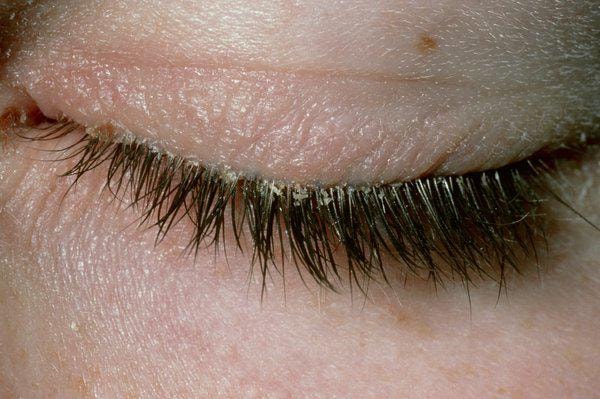 |
Blepharitis causes patients to experience itching, pain, and burning in the eyes... |
2. Symptoms of blepharitis
Symptoms of blepharitis are quite varied. Common symptoms are shared across all forms of blepharitis, with a tendency to worsen in the morning:It's dazzling and makes your eyes water.A gritty sensation when blinking, itchy eyes.Burning sensation.Blurred vision.Eyelash loss, swollen eyelids.Scabs form around the eyes upon waking up.
3. Treatment methods
Blepharitis is a chronic, progressive disease that is very difficult to cure completely. Treatment mainly focuses on controlling and reducing symptoms.
3.1. Non-pharmacological treatments
- Warm compress methodApplying warm compresses to the eyelids and Meibomian glands can liquefy abnormally thickened secretions by heating them. Warm compresses can also promote increased circulation in the Meibomian glands and increase the amount of secretion.
Warm compresses are the primary treatment for blepharitis. Use cotton pads, cotton balls, or clean cloths to apply warm compresses to the eyes for about 10-15 minutes, 2-4 times a day. Remember to wring out excess water before applying. Maintaining this daily routine will help the sebaceous glands dilate, reducing congestion. It will also help remove dead skin cells, fallen eyelashes, and dirt.
- Eyelid massage:Eyelid massage helps improve the secretion and emptying of the Meibomian glands, especially in those with Meibomian gland inflammation or blepharitis. Eyelid massage should be performed immediately after applying a warm compress. Use clean fingertips to gently massage the eyelid margin towards the eye in a circular motion.
3.2. Drug treatment
- Antibiotics:It can be used topically in ointment form such as erythromycin, azithromycin... or systemically as oral doxycycline, tetracycline, minocycline…
Antibiotics are used to kill bacteria in cases of bacterial blepharitis. However, the type of antibiotic, dosage, and method of administration should be determined by a doctor after examination. Self-medicating with antibiotics not only fails to cure the disease but can also cause unwanted side effects and increase antibiotic resistance in bacteria.
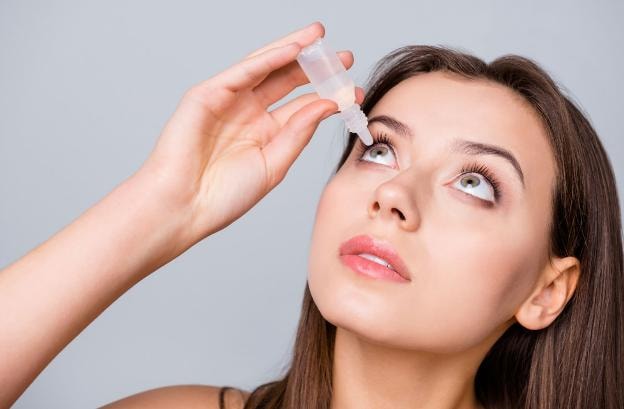 |
Topical antibiotics can be used to treat blepharitis. |
- Antiviral drugs:Antiviral medications such as acyclovir, famciclovir, and valacyclovir may be used in cases of blepharitis caused by viruses such as Herpes simplex and varicella-zoster.
- Corticosteroids:Corticosteroids can help reduce swelling and inflammation, thereby improving symptoms. They are usually only used for patients who do not respond to other therapies. These medications require a doctor's prescription.
Possible side effects from overuse include eye infections due to secondary bacterial contamination, and in more severe cases, blurred vision or vision loss.
4. What to do if you have blepharitis?
- Avoid eye makeup: To reduce irritation, do not apply eye makeup until the inflammation is under control.
- Eye exfoliation: Gently exfoliating the eyes helps to clean away dirt and bacteria from the eyelashes.
- Keep your hands, face, and scalp clean.
- Do not touch your eyes, and do not rub your eyes with your hands.
- Remove all eye makeup before going to bed.
- Wipe away any excess tears or eye drops from the eyelids with a clean tissue.
- Limit contact lens use, and wash your hands and lenses thoroughly before wearing them.
- Change your eye makeup products such as eyeliner, eyeshadow, and mascara after using them for a long time.
- Avoid irritants such as dust, smoke, etc.


