
Shaping the three future urban development zones of Vinh.
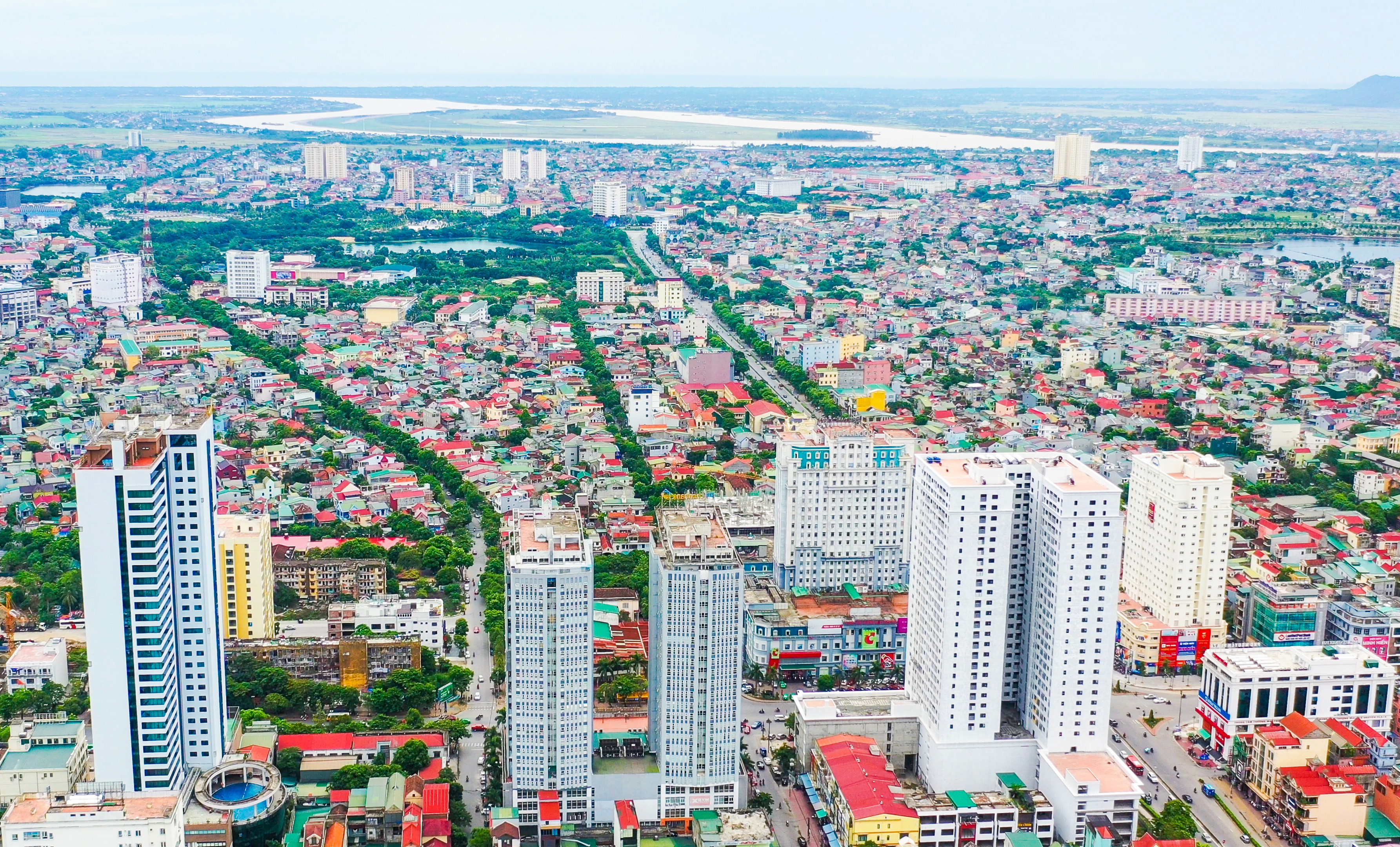
(Baonghean.vn) - The People's Committee of Nghe An province has just issued Decision No. 3836/QD-UBND.CN dated November 23, 2023, approving the urban development program of Vinh City until 2030, with a vision to 2050.
October 27, 2023 16:51
Accordingly, the research area, within the approved Vinh City master plan, covers approximately 250 square kilometers.2To the north, it is bordered by the Nam Cam - Cua Lo road and the Cam River; to the south, it is bordered by National Highway 1 (the section bypassing Vinh city) and the Lam River; to the east, it is bordered by the Lam River to Cua Hoi and the East Sea; to the west, it is bordered by Nam Giang commune, Nam Dan district and the Ke Gai River.
The program aims to concretize the urban development orientation of Vinh City according to the General Planning of Vinh City, Nghe An Province, until 2030, with a vision to 2050, approved by the Prime Minister in Decision 52/QD-TTg dated January 14, 2015. It will establish urban development indicators for each 5-year and 10-year period; and specify them for each year in the first 5-year period of the program (Vinh City expansion achieving the criteria of a Type I urban area and a smart city).
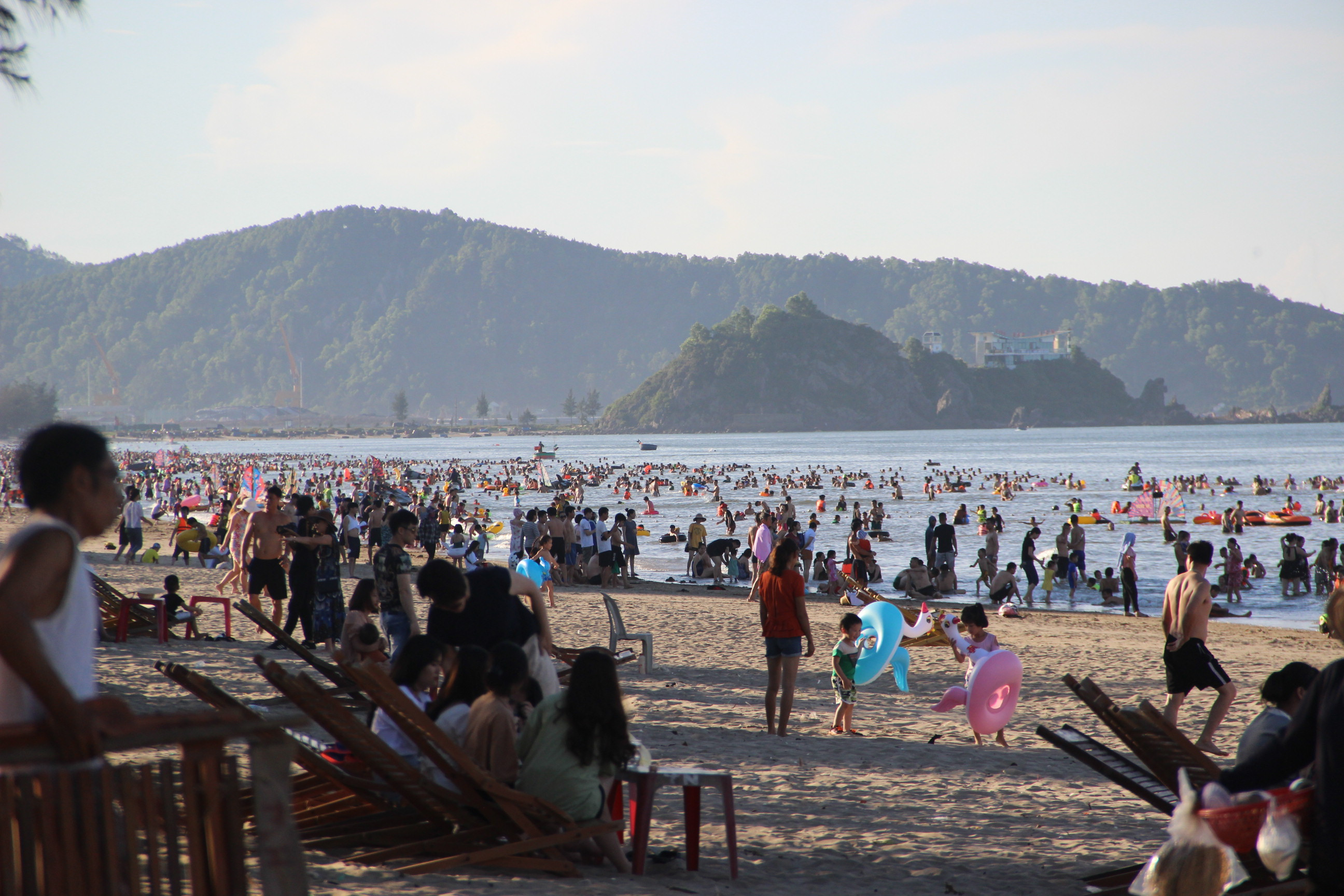
Based on the revised master plan for Vinh City, Nghe An province, up to 2030, with a vision to 2050, and the current urban development situation, the urban space of the planned area is divided into 3 development zones, specifically:
Region 1:The entire existing city of Vinh (comprising 16 wards and 9 communes); the entire town of Cua Lo (comprising 7 wards and 4 communes: Nghi Xuan, Phuc Tho, Nghi Thai, Nghi Phong in Nghi Loc district). Total area: 166.24 km2, population approximately 575,718 people.
The region's function is to serve as the economic, cultural, educational, and scientific and technological center of the North Central region; to be a driving force for the province's economic growth; to be a transportation hub and an important gateway for the North Central region, the whole country, and internationally; and to hold a crucial position in national and international defense and security.
The plan to expand Vinh City includes adjusting the entire natural area and existing population of Cua Lo town; and the entire natural area and existing population of four communes: Nghi Xuan, Phuc Tho, Nghi Thai, and Nghi Phong of Nghi Loc district, to be under the management of Vinh City. After the adjustment, Vinh City will have 32 administrative units, including: 27 wards (including 16 wards of the existing Vinh City, 7 wards of Cua Lo town, and 4 wards planned for new establishment) and 5 communes.
Region 2:The area encompassing Quan Hanh town and the communes of Nghi Loc district includes the entire town of Quan Hanh; the communes of Nghi Van, Nghi Trung, Nghi Truong, Nghi Thach, Khanh Hop, Nghi Thinh, Nghi Long, and a part of Nghi Xa commune in Nghi Loc district; with a total area of approximately 66.64 km².2, population approximately 59,545 people.
The region's function is to serve as an industrial center and freight transport hub, developing new urban areas, and acting as a green buffer zone connecting the dynamic centers of Vinh city.
Region 3The area encompassing Hung Nguyen town and the communes of Hung Nguyen district includes part of Hung Nguyen town; the entire Hung Tay commune; and parts of Hung My, Hung Thinh, and Hung Dao communes, with a total area of approximately 27.59 km².2, population approximately 22,700 people.
The function of this area is to serve as a suburban zone of the expanded Vinh city, an expansion of the Southeast Economic Zone, and a mixed-use development area encompassing industry, urban development, and services.
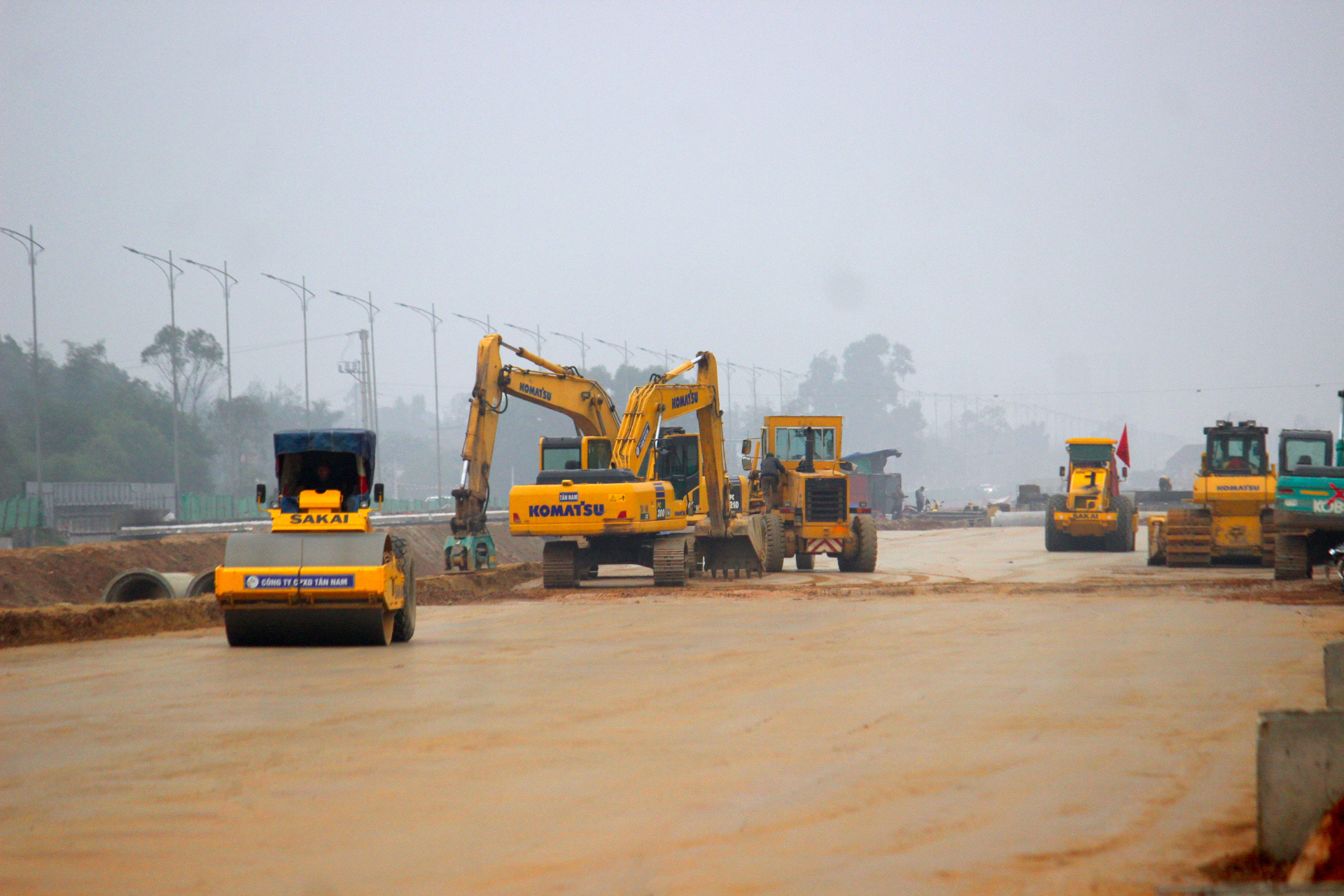
The roadmap for developing urban areas is divided into three phases.
Period 2023-2025To accelerate investment in urban infrastructure to address the unmet standards of a Type I urban area, the plan includes the construction of urban development areas in the first zone (the expanded Vinh City area), specifically: the communes slated to be converted into wards, including Hung Dong, Hung Loc, Nghi Duc, and Nghi Phu communes of Vinh City; the area on both sides of the Cua Lo - Vinh Boulevard; the existing Cua Lo urban area (Nghi Hai, Nghi Hoa, Nghi Huong, Nghi Tan, Nghi Thu, Nghi Thuy, and Thu Thuy wards) and the westward expansion into Nghi Loc district (the University urban area).
Period 2026-2030Continue to boost investment in urban infrastructure to complete the standards of a Type I urban area for Vinh City; Quan Hanh town and Hung Nguyen town will meet the criteria of a Type V urban area. Implement the construction of urban development areas in the following regions:
Zone 1: The expanded Vinh City area (Urban renovation and upgrading projects).
Second zone (area within Nghi Loc district): Quan Hanh urban area and Southeast Economic Zone.
Third zone (area belonging to Hung Nguyen district): Hung Nguyen urban area; urban area, industrial zone.
Period 2031-2050Continue to develop urban areas in the sub-regions; buffer zones in rural and suburban areas of the development sub-regions.


