
Chemical contamination from the farm to the dinner table.
During the rearing process, pigs are fed Salbutamol and Cysteamine to increase weight and lean meat production. When slaughtered for sale, they are injected with water to increase their weight; given sedatives; and soaked in chemicals to make them look fresh and appealing. Now, many people fear that eating pork might lead to cancer at any time.
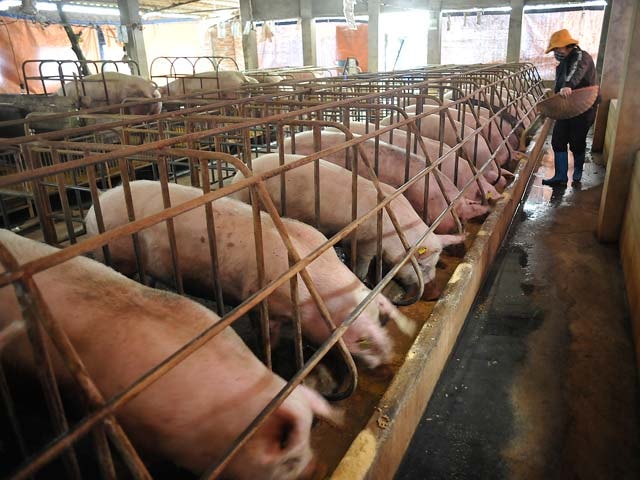 |
| Illustrative image from the Internet |
Almost a year ago, from animal feed manufacturers to farms, there was a surge in the use of the highly toxic banned substance salbutamol – a substance prohibited for use in livestock farming – to increase weight, reduce fat in pigs, and increase lean meat ratio.
At that time, authorities investigated and discovered that not only farms and traders were using this substance, but also businesses, and even pig farms of large corporations, were using the banned substance salbutamol to make pigs grow faster and increase profits.
At that time, to address this problem, in October 2015, the Ministry of Agriculture and Rural Development launched a food safety campaign, in which the most important task was identified as "combating banned substances".
Recently, people have been further alarmed as authorities from the Ministry of Agriculture and Rural Development discovered that some animal feed companies are using Cysteamine to help pigs develop lean meat and gain weight quickly.
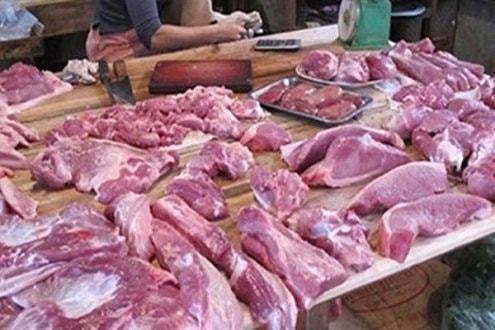 |
| Illustrative image. Source: Internet |
Globally, only China permits the use of Cysteamine; other countries prohibit it due to the potential health risks it poses.
In Vietnam, authorities are still considering whether or not to ban it. And, while awaiting a final decision, Cysteamine continues to be widely used in livestock farming. Farmers are scrambling to buy it, causing feed mixed with this new growth-enhancing substance to be constantly out of stock.
What makes people uneasy is the massive influx of banned substances. According to data from C49 (Ministry of Public Security), in 2014 and 2015, over 20 businesses imported more than 9 tons of salbutamol into Vietnam. Of that amount, about 3 tons are currently stored in the businesses' warehouses. Over 6 tons have been sold on the market, but only 10 kg have been used in accordance with regulations.
The use of lean meat enhancers and growth hormones is just the story of pigs raised in pens. From the slaughterhouse to the dinner table, pork has long been "marinated" with all sorts of toxic chemicals.
For example, in late November 2015, a long-time veterinary officer working in Thu Duc (Ho Chi Minh City) stated that, in order to make pork appear fresh, firm, and attractive to buyers, some slaughterhouse owners and meat traders are willing to inject anesthetics and chemicals into the meat to make it look fresher and more appealing. This is considered a "secret weapon" to transform diseased or rotten pork into fresh meat, deceiving consumers.
Or consider the story of pork trotters sold in Hanoi markets, where traders use chemicals to bleach them, and rotten, spoiled meat is soaked in chemicals to make it look fresh and appealing...
Eating pork is being promoted as a "cancer-causing agent".
Following reports about banned chemicals being used in pig farming and pork soaking, many consumers are fearful. Instead of bringing joy to family meals, they now see meat as a potential health risk.
According to Associate Professor Dr. Nguyen Duy Thinh from the Institute of Biotechnology and Food Technology, if a substance is toxic, then regardless of the amount, soaking pork in it will still result in harmful effects.
For example, when bleaching pork trotters, if citric acid is used, those who eat these trotters will be exposed to heavy metals, which can lead to cancer in the long term. Not to mention, some toxic substances, such as the growth stimulant Salbutamol, have been banned.
Furthermore, industry experts have stated that when salbutamol is mixed into pig feed to promote lean meat growth, consumers who eat this meat risk developing cancer. Its effects on the muscular and vascular systems can cause muscle tremors, spasms, heart failure, respiratory failure, pulmonary edema, and may even lead to miscarriage in women. Individuals with a history of cardiovascular disease are at risk of death if the meat contains excessive levels of this banned substance.
Mr. Vu Vinh Phu, former Deputy Head of the Hanoi City Food Safety Committee, said: "Food hygiene and safety has now become a national scourge. Harmful products are everywhere, and finding safe food is difficult. The consequence is a rapid increase in cancer rates in recent years, predicted to become an epidemic in the next five years."
According to Vietnamnet


