
The survey team of the National Assembly's Committee on Culture and Social Affairs worked with 6 communes in the southwestern region of Nghe An province.
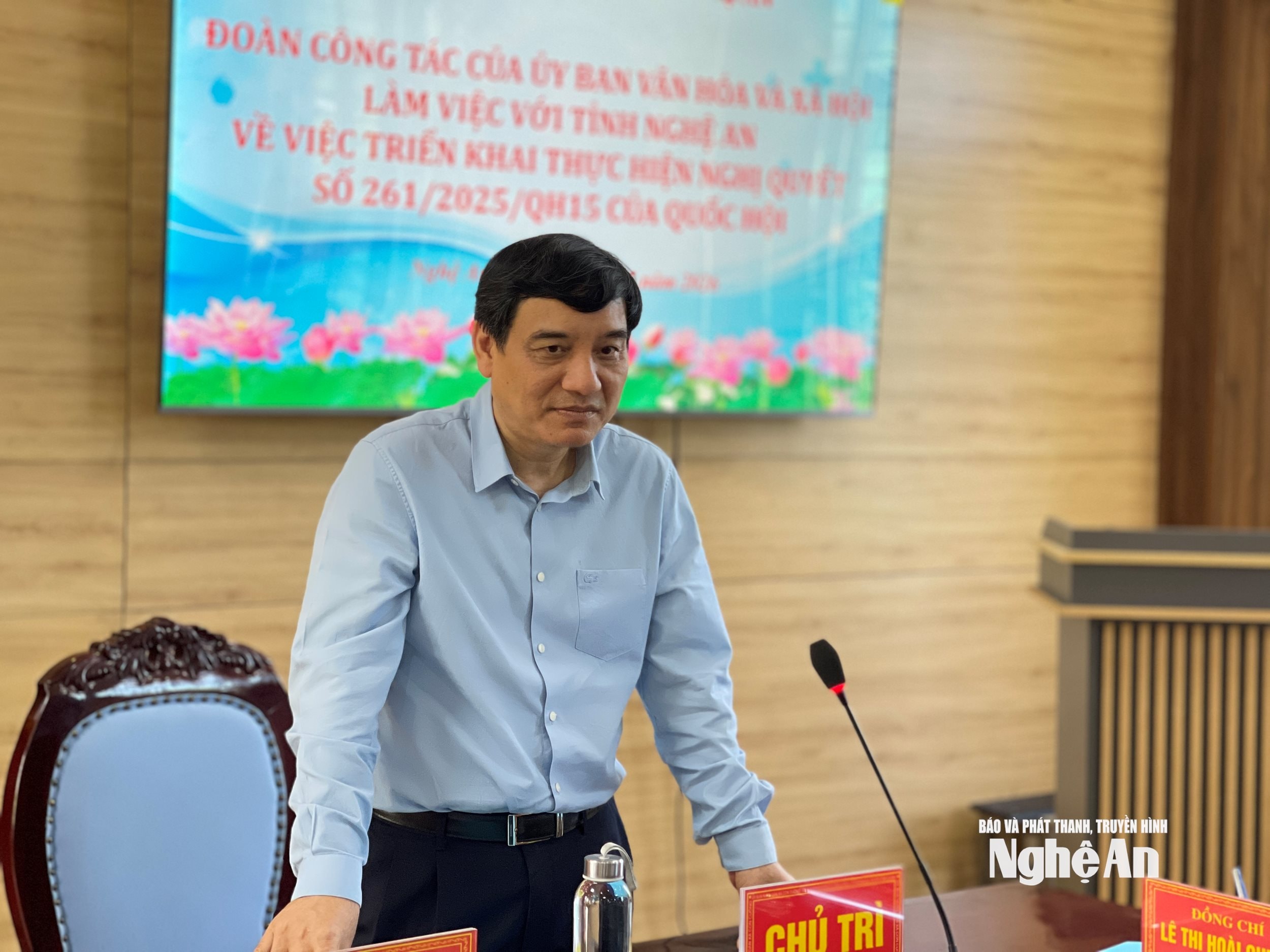
On the afternoon of May 19th, in Con Cuong commune, a working group from the National Assembly's Committee on Culture and Social Affairs, led by Comrade Nguyen Dac Vinh - Member of the Central Committee of the Party, Member of the Standing Committee of the National Assembly, and Chairman of the National Assembly's Committee on Culture and Social Affairs - held a working session with leaders and health units in six communes: Con Cuong, Chau Khe, Mon Son, Cam Phuc, Binh Chuan, and Mau Thach.
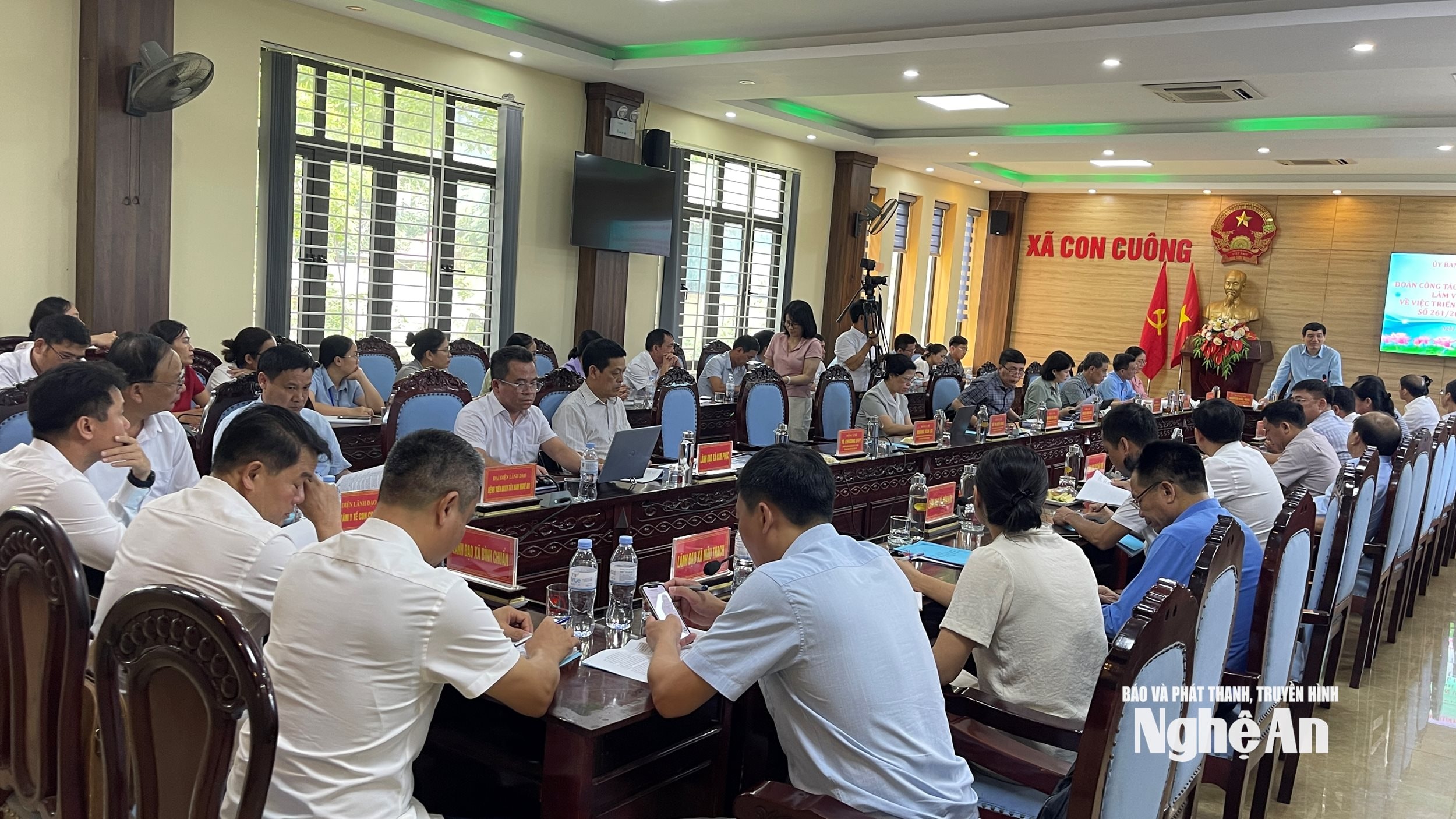
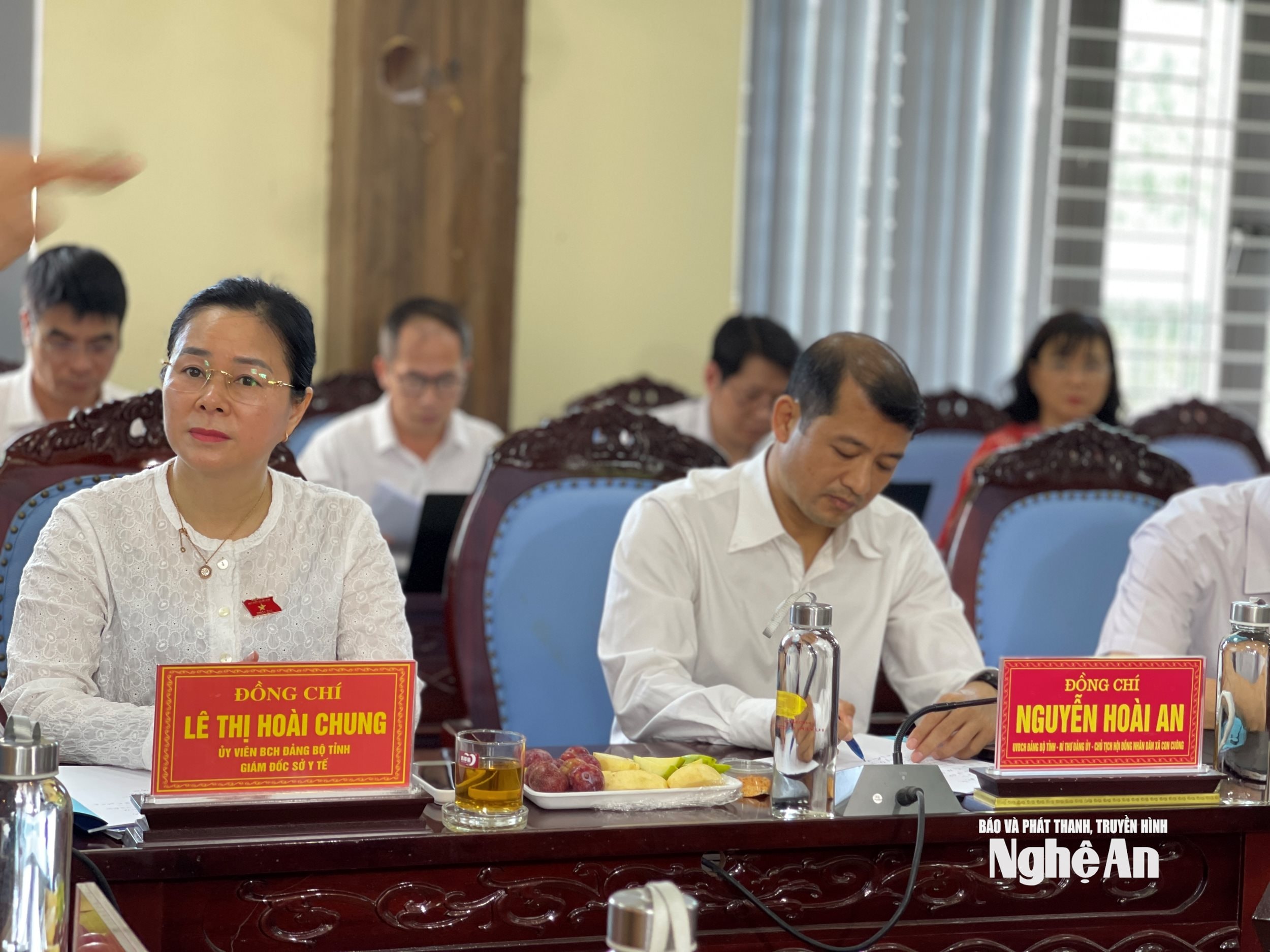
Attending the meeting were representatives from the Standing Committee of the Provincial People's Council and the Provincial People's Committee of Nghe An, leaders of the Department of Health, and representatives of the Party committees and authorities of 6 communes in the southwestern region.
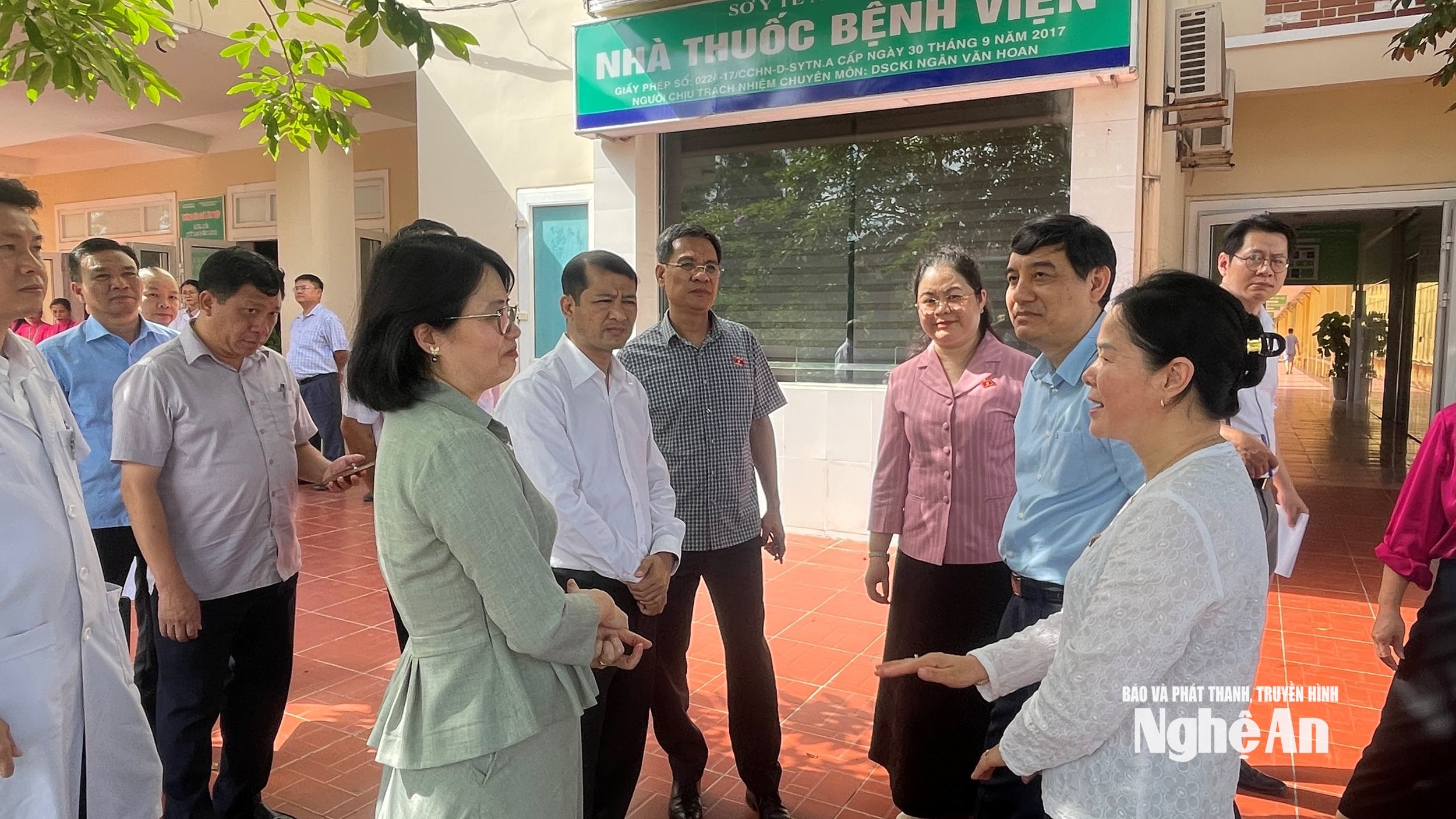
Prior to the working session, Comrade Nguyen Dac Vinh and the delegation inspected and surveyed the operational situation, facilities, and medical equipment at Chau Khe Commune Health Station and the Southwest Nghe An Regional General Hospital.
During the meeting, the delegation also heard about the results of the communes' implementation of Resolution No. 72-NQ/TW dated September 9, 2025, of the Politburo on some breakthrough solutions to strengthen the protection, care, and improvement of people's health, and Resolution No. 261/2026/QH15 of the National Assembly.
Over the past period, grassroots healthcare in the six communes of the Southwest region, with a total population of over 80,560 people (of which the Thai ethnic group accounts for 72%, and the Kinh ethnic group accounts for 23.9%), has seen many positive changes. The rate of people participating in health insurance in the mountainous communes of Zone III has reached 100%, with free health insurance cards issued. Expanded immunization programs are ensured, with a target rate of 97.5% in 2025. The organizational model of the grassroots healthcare network is being gradually strengthened with the operation of the Southwest Regional General Hospital, the District Health Center, the system of commune health stations, and private clinics and pharmacies. Notably, the Health Center is currently receiving investment for the construction of a new three-story office building from the Ethnic Minority Development Project.
To improve operational efficiency, localities have also proposed a plan to reorganize commune health stations into 6 main stations and 6 branch stations, specifically: Mon Son commune health station (Luc Da branch station), Chi Khe commune health station (Town and Yen Khe branch stations), Chau Khe commune health station (Lang Khe branch station), Don Phuc commune health station (Cam Lam branch station), Thach Ngan commune health station (Mau Duc branch station), and keeping Binh Chuan commune health station unchanged. From 2023 to May 2026, 4 out of 13 health stations have met the National Criteria for Commune Health Stations, including Chau Khe, Lang Khe, Cam Lam, and Don Phuc; the remaining 9 stations are still striving to achieve this goal.
However, healthcare services in the mountainous southwestern region of Nghe An province still face many difficulties due to the fragmented terrain and uneven levels of education among the population. The infrastructure, functional rooms, and equipment of many health stations are dilapidated and do not fully meet the minimum requirements according to the new regulations of the Ministry of Health. In particular, the shortage of highly qualified medical and nursing professionals at the grassroots level and at the Southwestern Regional General Hospital is a major challenge, affecting the implementation of free health check-ups and disease screenings for the people.
During the meeting, local authorities and health units proposed that the National Assembly and the Government continue to allocate budget resources and issue specific mechanisms and policies on incentives and allowances to attract and retain doctors and medical staff working in particularly difficult areas and ethnic minority regions. They also requested that the Ministry of Health promptly issue accurate and comprehensive pricing for medical examination and treatment services; and revise and supplement the list of minimum equipment to match the actual capacity of commune-level health facilities. Furthermore, they requested that the Provincial People's Committee direct the acceleration of the completion of the Luc Da Health Station for early commissioning, as well as continue to implement fundamental policies to improve the quality of medical personnel in mountainous areas.
Concluding the working session, Comrade Nguyen Dac Vinh - Member of the Central Committee of the Party, Member of the Standing Committee of the National Assembly, and Chairman of the National Assembly's Committee on Culture and Social Affairs - acknowledged and highly appreciated the efforts and results achieved by the local Party committees, authorities, and medical staff in mountainous areas in providing healthcare to the people and implementing the resolutions of the Politburo and the National Assembly.
Sharing the specific difficulties faced by mountainous and highland areas, the head of the working group emphasized that grassroots healthcare is a solid foundation in the primary healthcare system for the people. He requested that the Party Committee and government of Nghe An province and local authorities continue to strengthen leadership and guidance, flexibly integrating funding from national target programs to invest in improving healthcare infrastructure. He stressed the importance of promoting digital transformation and data interconnection to enhance management capacity; and focusing on on-the-job training and development combined with mechanisms to attract high-quality human resources. Regarding the specific recommendations and proposals from the locality, the working group will compile them fully to report to the National Assembly Standing Committee, the Government, and relevant ministries and agencies for consideration and resolution in the future, aiming to create the best conditions for healthcare in remote and disadvantaged areas.


