
Global sales of electrified vehicles reached a record 2.1 million units.
The global electrification market reached a new record in September with 2.1 million vehicles sold, but faces challenges as incentive policies in many major markets are about to end.
According to data from market research firm Rho Motion, global sales of electrified vehicles, including pure electric vehicles (BEVs) and plug-in hybrid vehicles (PHEVs), reached a record 2.1 million units in September, a 26% increase year-on-year. The main drivers of this growth were booming demand in China, the US, and Europe.
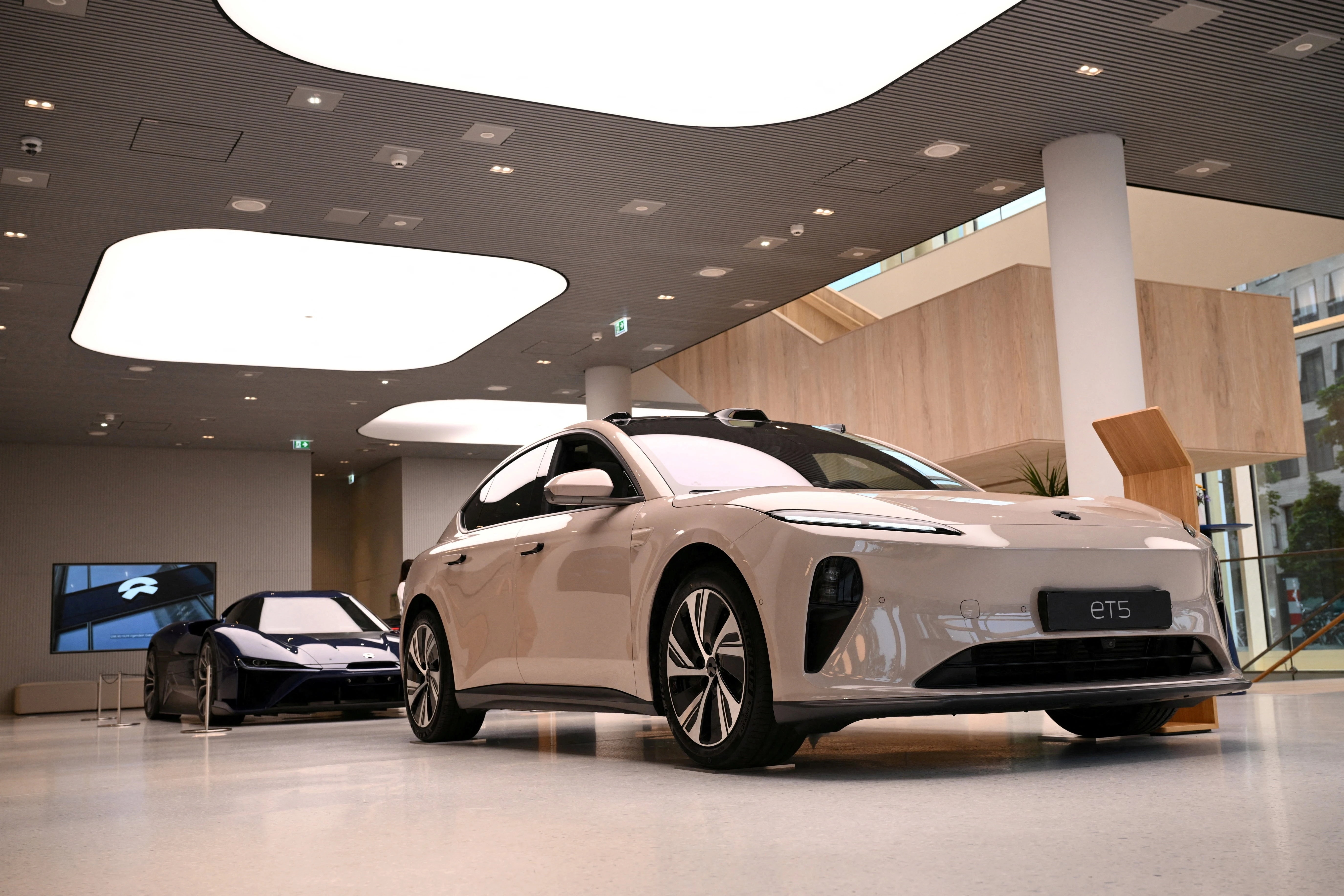
The impetus from key markets
China continues to assert its position as the world's largest automotive market, accounting for approximately two-thirds of total global electrified vehicle sales, with around 1.3 million vehicles delivered to customers in September. This figure demonstrates the indispensable leading role of this market in the electric vehicle revolution.
In North America, the market also recorded a record month with a 66% growth, reaching approximately 215,000 vehicles. This growth was strongly driven by American consumers taking advantage of the $7,500 federal tax credit before the program ended. Similarly, Europe also had a successful month with 427,541 vehicles sold, a 36% increase year-on-year. Support policies in Germany and stable demand in the UK were key factors driving the market in this region.
Challenges arise when incentive policies are scaled back.
Despite achieving impressive numbers, the electrification market is facing numerous challenges in the final quarter of the year, particularly in the US. Charles Lester, data manager at Rho Motion, commented: "With the end of federal tax incentives, demand in the US is projected to decline sharply in the fourth quarter of this year."
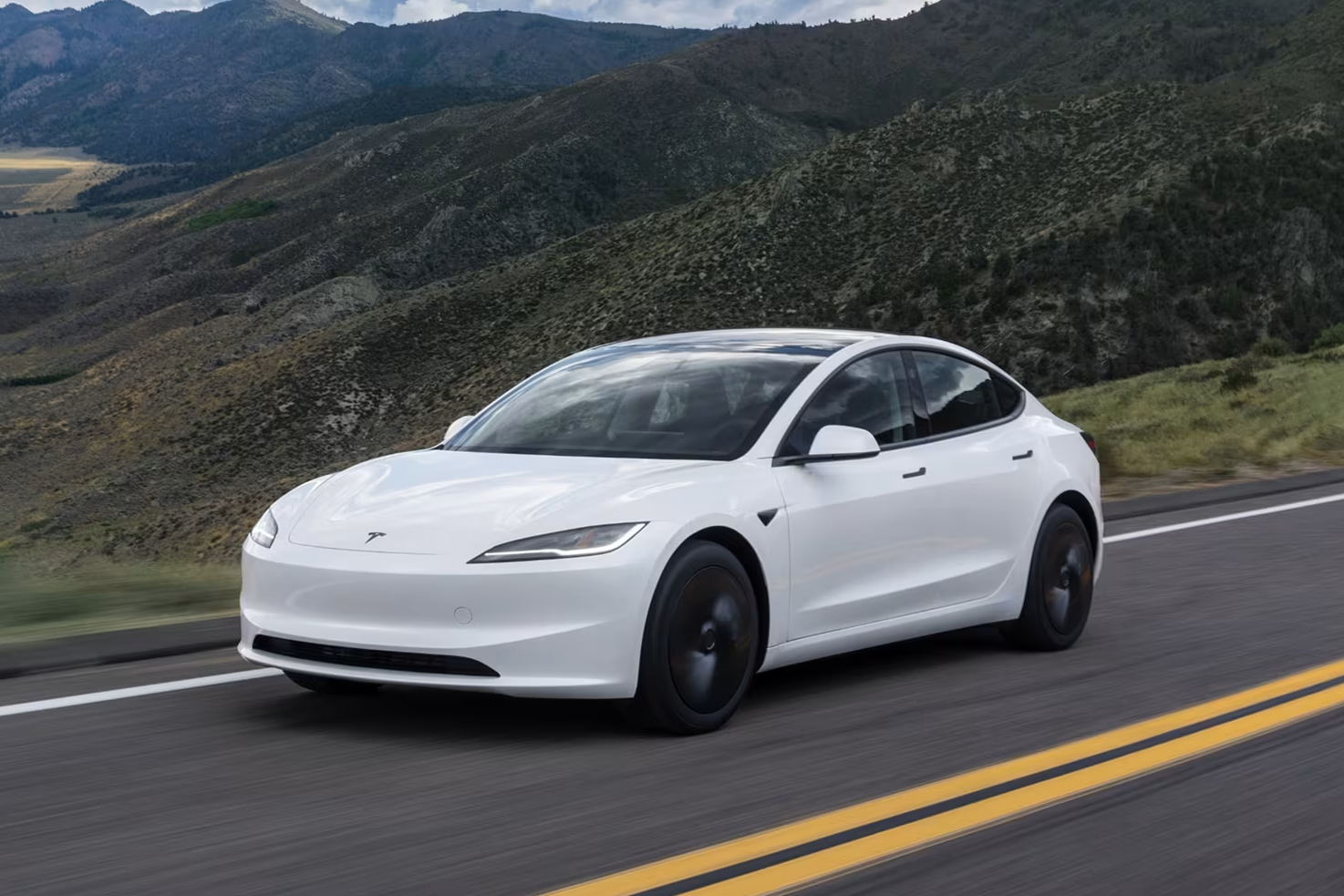
To cope with this prospect, some manufacturers such as General Motors and Hyundai have begun implementing discount programs and optimizing dealership inventory to minimize the impact. Meanwhile, Tesla has also made a strategic move by launching standard versions of the Model 3 and Model Y at more attractive prices, hoping to attract customers after subsidies are no longer available.
September marked a significant milestone for the global electric vehicle market, but also revealed challenges ahead as support policies gradually narrow. The race for market share among automakers is expected to become even more intense in the coming period, as price and product value become the deciding factors instead of government subsidies.


