
1967 Dodge Deora: A Hot Wheels icon at The Henry Ford
The 1967 Dodge Deora, built by A Brothers based on Harry Bentley Bradley's design, is currently on display at The Henry Ford; listed in the National Historic Vehicle Register, it is still operational with a slant-six and a 3-speed manual transmission.
The 1967 Dodge Deora – a heavily customized concept based on the Dodge A100 pickup truck, crafted by Larry and Mike Alexander (A Brothers) according to Harry Bentley Bradley's design – is now on display at The Henry Ford in Dearborn, Michigan. The model is listed in the National Historic Vehicle Register and was one of the first 16 Hot Wheels models to debut in 1968.
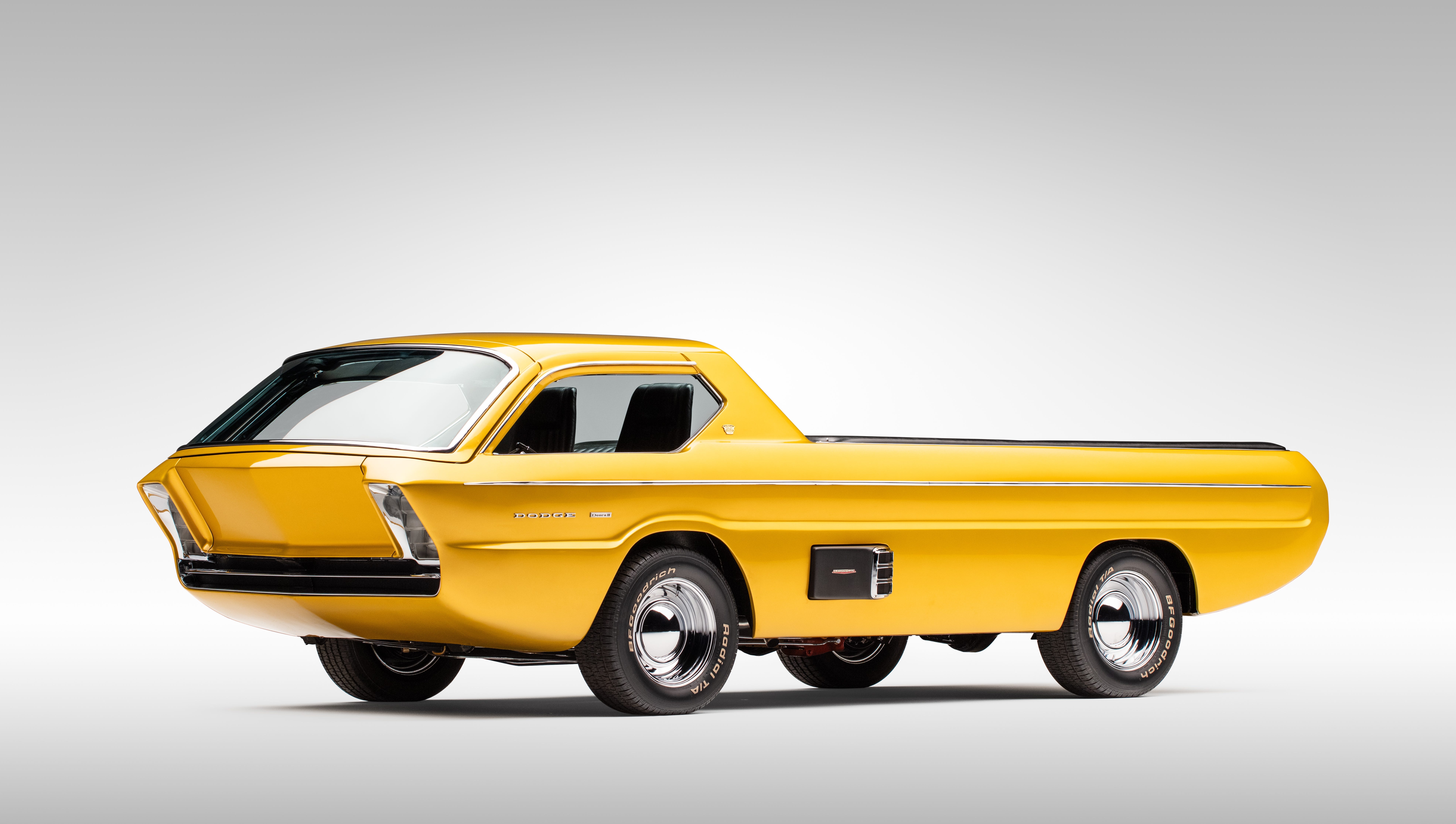
From Detroit to Hot Wheels: The journey of a custom build.
Deora emerged from a strong intersection between Detroit's crafting mindset and California's hot-rodding culture. Prior to that, in 1963, The Beach Boys released the album Little Deuce Coupe with a cover featuring a 1932 Ford designed by A Brothers, demonstrating Michigan's influence on California's custom music scene.
Harry Bentley Bradley, then a young designer at General Motors, was quietly collaborating with the custom car scene under the pseudonym "Designer X." In 1964, while studying at Stanford (on a GM scholarship), Bradley sketched the Deora for A Brothers. The completed car debuted at the 1967 Detroit Autorama, quickly becoming a sensation on the show stage.
Deora's success also paved the way for Bradley to become the lead designer for Mattel's new product: Hot Wheels. Of the first 16 models in 1968, 15 were designed by Bradley, and the Dodge Deora was one of them, subsequently produced as a popular plastic model and 1:64 scale version.
Highly customizable bodywork, power windshield mechanism.
Based on the Dodge A100 platform, the Deora incorporates a range of bodywork techniques from the era: chopped, sectioned, channeled, and a striking yellow paint job. The most notable detail is the way to enter the cockpit: the driver lifts the windshield and enters through the front door.
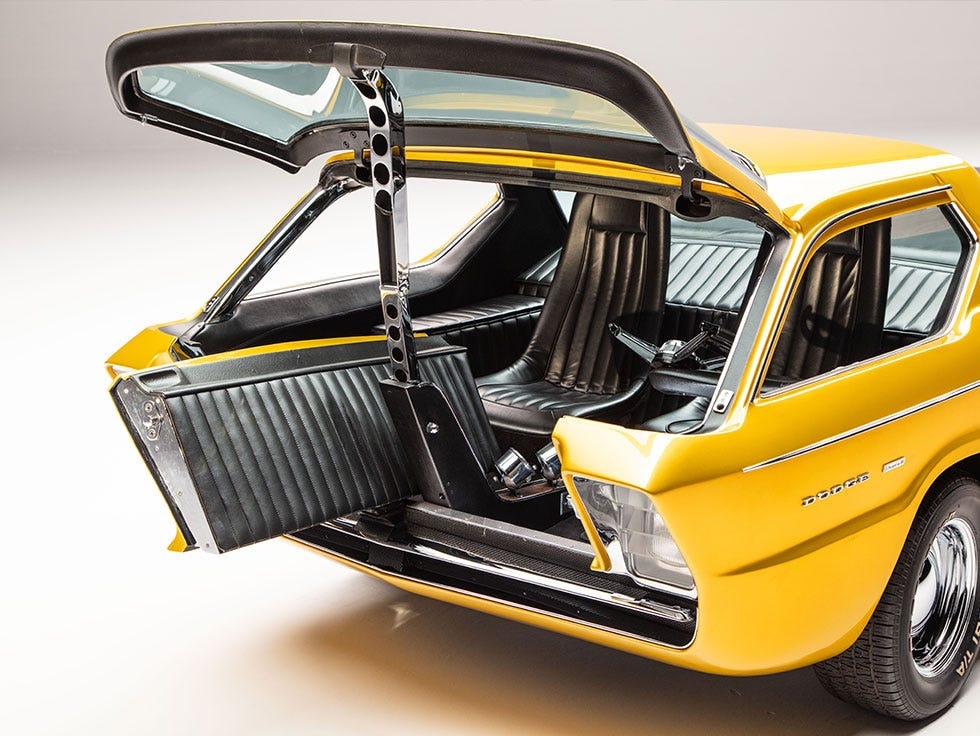
Original operation: six-speed manual transmission and 3-speed gearbox.
According to The Henry Ford, the Deora on display is still fully functional with its original slant-six engine and 3-speed manual transmission. Despite being a show car, this configuration makes the Deora not just a work of art, but a fully functional vehicle. Two more modern variants were later released, but the 1967 version remains iconic.
Although built in Detroit, Deora strongly influenced SoCal-style hot-rodding, becoming a bridge between the East and West in American custom car culture and inspiring the first generation of Hot Wheels enthusiasts.
Celebrating heritage and history at The Henry Ford
The Deora has been included in the National Historic Vehicle Register, alongside iconic models such as the DMC DeLorean Time Machine from Back to the Future, the Tucker 48 prototype, and the 1911 Marmon Wasp – the first Indy 500 champion. The Deora's inclusion in this category underscores both its artistic value and its cultural significance.
Visitors can admire the 1967 Dodge Deora at The Henry Ford in Dearborn, Michigan, seven days a week, from 9:30 a.m. to 5:00 p.m.
Key specifications by source
| Category | Information |
|---|---|
| Car model | Deora |
| Year of introduction | 1967 (Detroit Autorama) |
| Foundation | Dodge A100 pickup |
| Craftsmanship | Larry Alexander, Mike Alexander (A Brothers) |
| Design | Harry Bentley Bradley |
| Engine | Slant-six (original) |
| Gear | 3-speed manual transmission (original) |
| Bodywork techniques | Chopped, sectioned, channeled; painted yellow |
| Entrance to the cockpit | Raise the windshield, the front door is positioned |
| Heritage list | National Historic Vehicle Register |
| Exhibition area | The Henry Ford, Dearborn, Michigan |
| Opening hours | Seven days a week, 9:30 am to 5:00 pm |
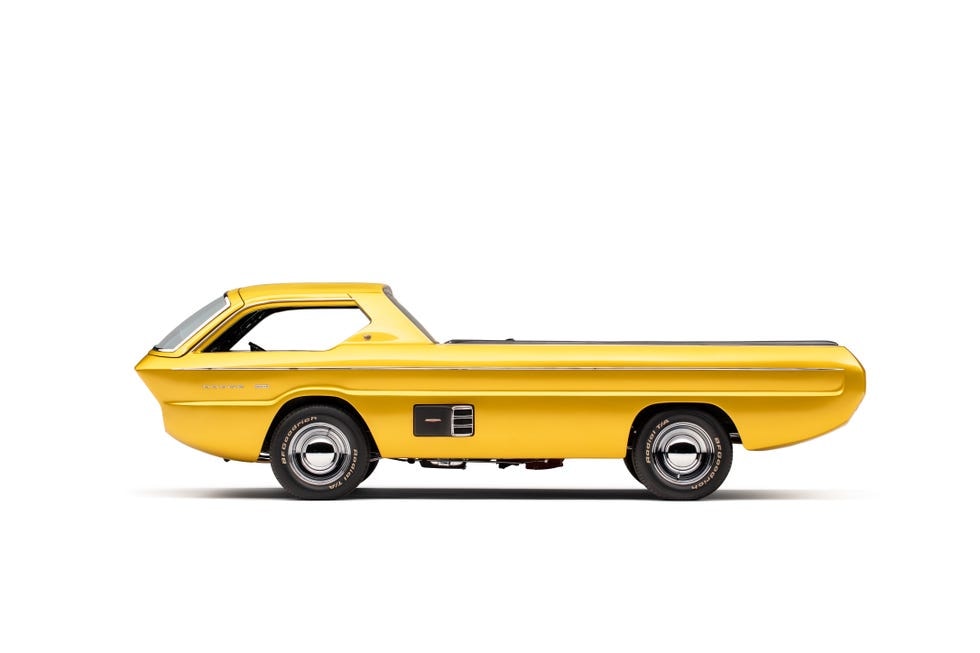
Conclude
The 1967 Dodge Deora is not just an elaborately modified version of the Dodge A100, but also a crucial piece in the history of American automotive culture and Hot Wheels. Its presence at The Henry Ford Museum and its inclusion in the National Historic Vehicle Register demonstrate the timeless heritage value of this concept model.


