
Confrontation at sea: The US campaign and Iran's "red line".
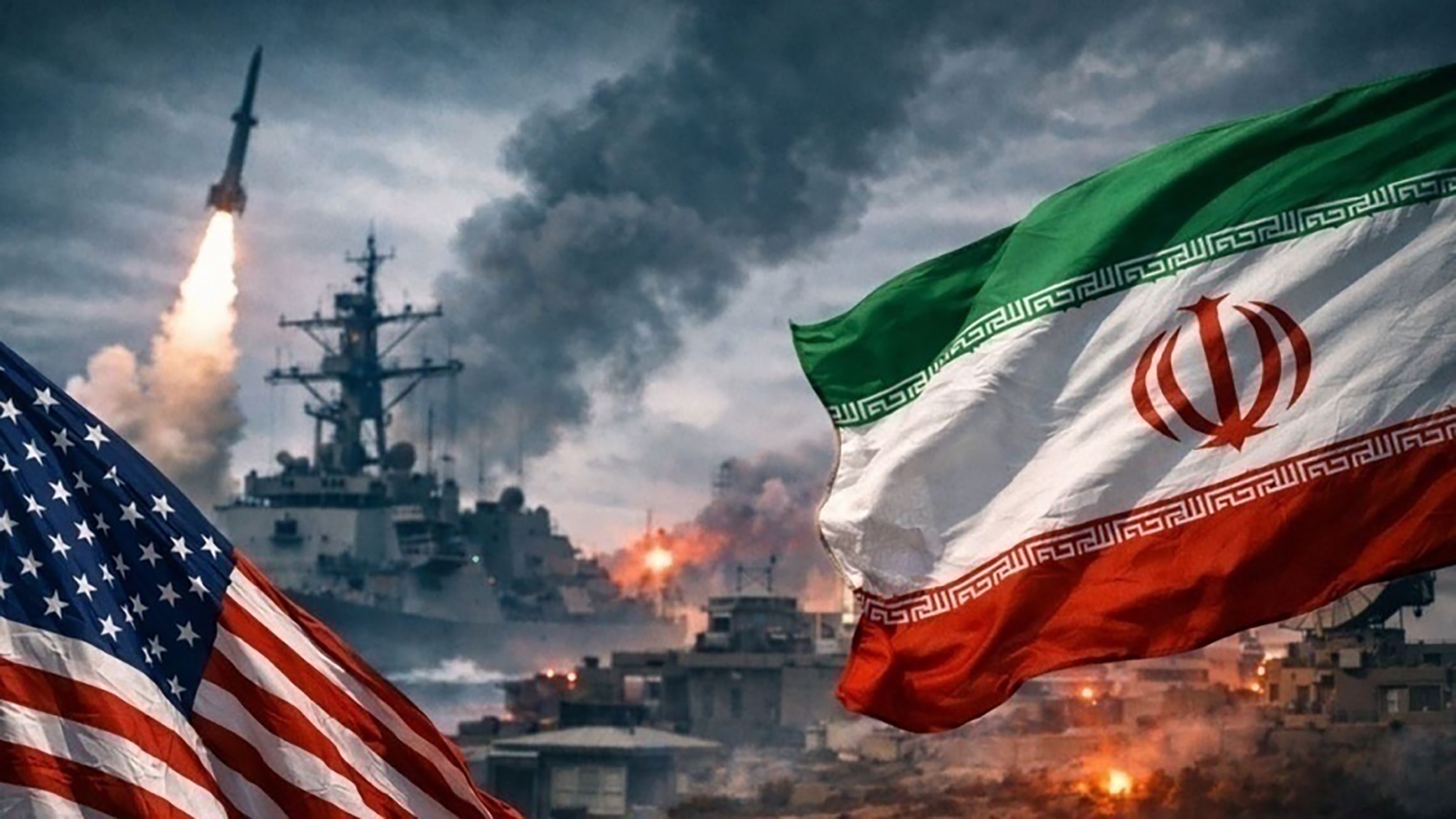
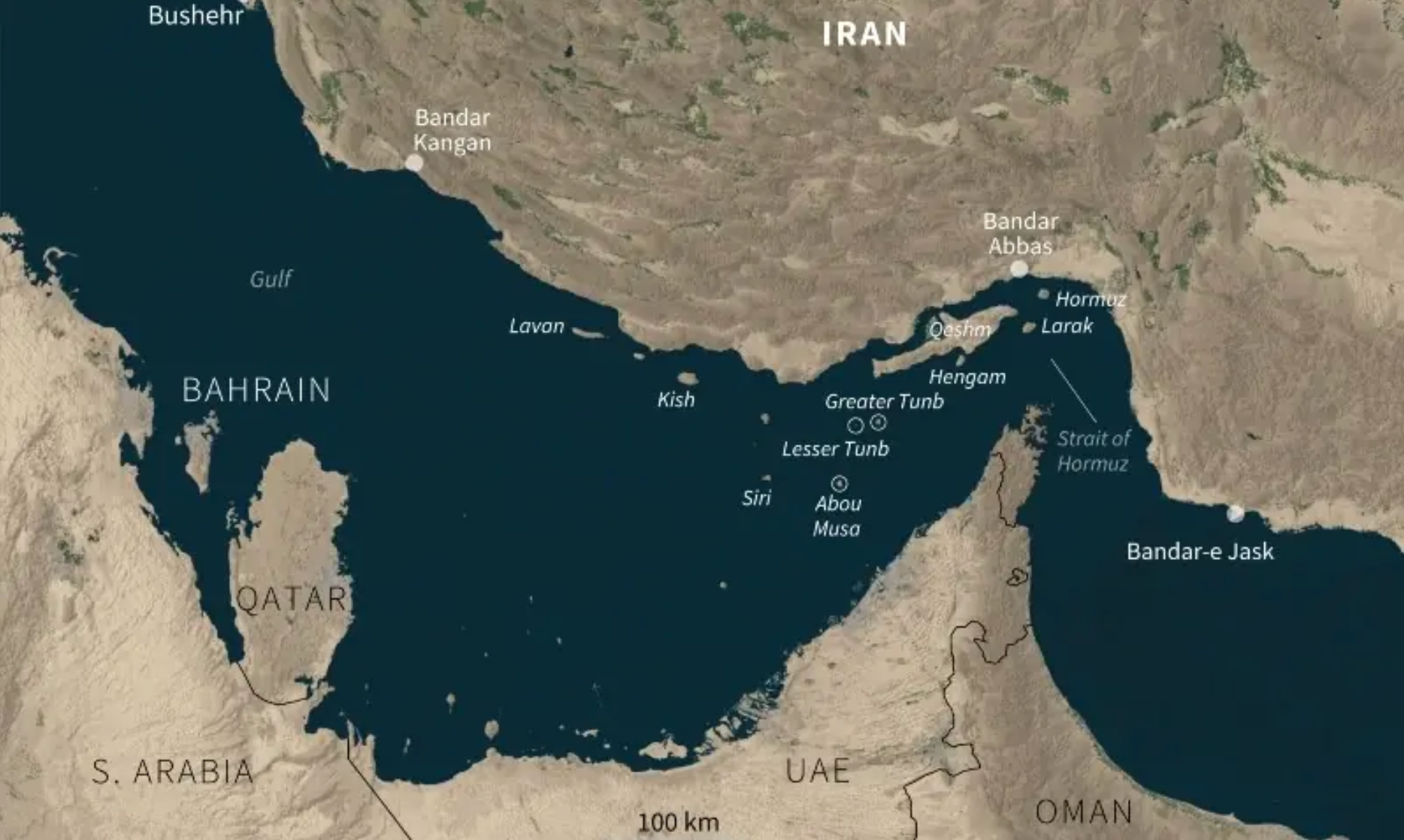
The Persian Gulf once again became the focus of global attention when, on May 5th, the US military announced it had sunk six small Iranian vessels. This move was seen as a serious escalation since Washington intensified its "freedom of navigation" campaign in the Strait of Hormuz.
The Persian Gulf once again became the focus of global attention when, on May 5th, the US military announced it had sunk six small Iranian vessels. This move was seen as a serious escalation since Washington intensified its "freedom of navigation" campaign in the Strait of Hormuz.
Conversely, Tehran also showed no signs of compromise, deploying a range of cruise missile systems and attack UAVs, and firing in retaliation against US warships.
The question now is: Is the world facing the risk of a large-scale conflict erupting in the Middle East, or is this merely a strategic show of force between Washington and Tehran?
Reporters from Nghe An Newspaper and Radio & Television had an interview with Associate Professor, Doctor, Major General Le Van Cuong - former Director of the Institute for Strategic Studies, Ministry of Public Security.
Perform:Huong Giang - Quoc Toan - Huu Quan• 07/05/2026

PV:General, in the context of the unpredictable geopolitical landscape of the Middle East, what objectives does the massive deployment of the US fleet in the Gulf during the "freedom of navigation" operation indicate that Washington is pursuing?
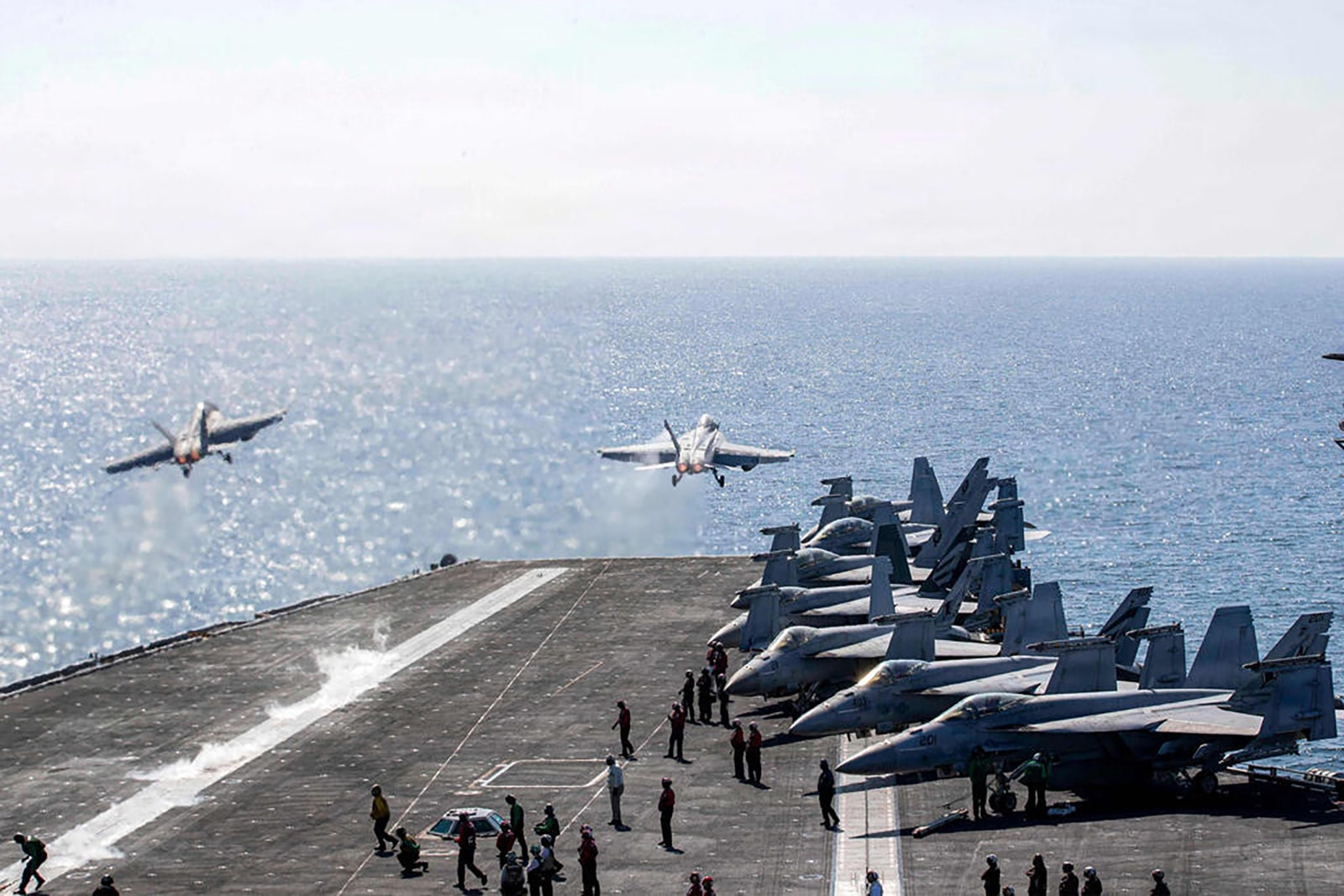
Major General Le Van Cuong:The US is currently concentrating a large-scale military force around Iran, with dozens of destroyers and a system of military bases spread across Gulf states. It can be said that Washington has placed the entire region surrounding the Islamic Republic of Iran in an unprecedented state of heightened tension.
Essentially, this is part of President Donald Trump's "maximum pressure" strategy against Iran. This is also a major difference between Trump and his predecessors.
Since the end of June last year, the US has been conducting airstrikes on Iranian uranium enrichment facilities. This can be considered Washington's largest military operation in the Middle East since the Iraq War in 2003.
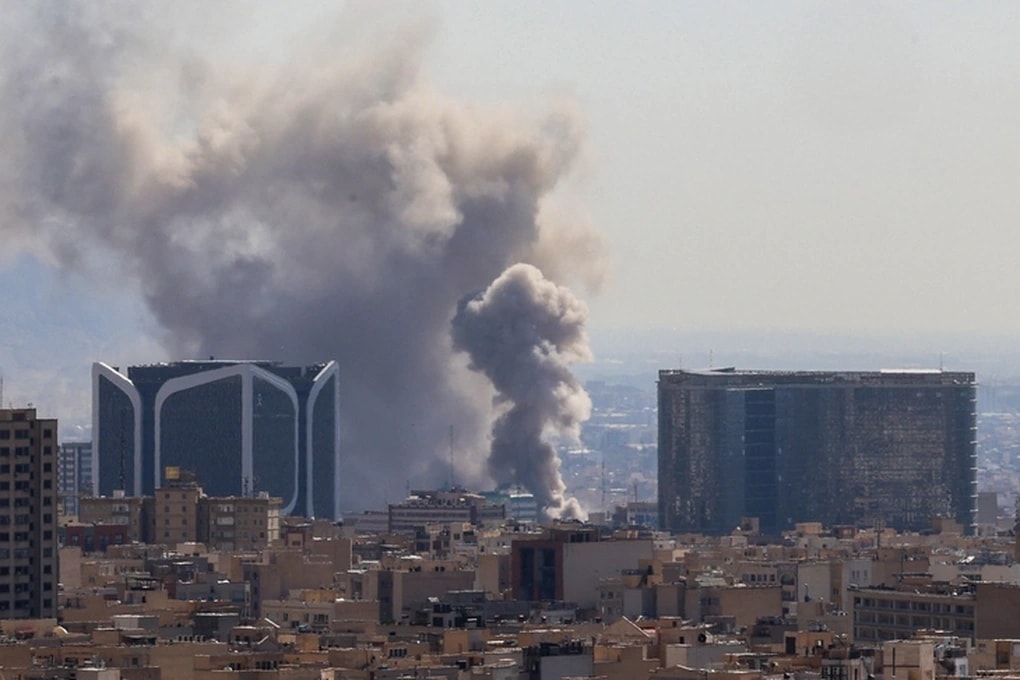
The goal of the campaign was to force Iran to accept US demands, primarily to serve the strategic interests of Washington and its ally Israel.

PV:Some argue that President Trump is faced with two choices: either increase pressure to force Iran to make concessions on the nuclear issue, or avoid escalation to prevent getting bogged down in the Middle East. According to the Major General, does the US have the resources and perseverance to pursue this campaign?
Major General Le Van Cuong:The military campaign launched by Trump against Iran had the stated goal of eliminating its uranium enrichment program and preventing Tehran from possessing nuclear weapons. Simultaneously, it aimed to destroy Iran's air defense, air force, and navy, while tightening the blockade of its ports to cripple its economy.
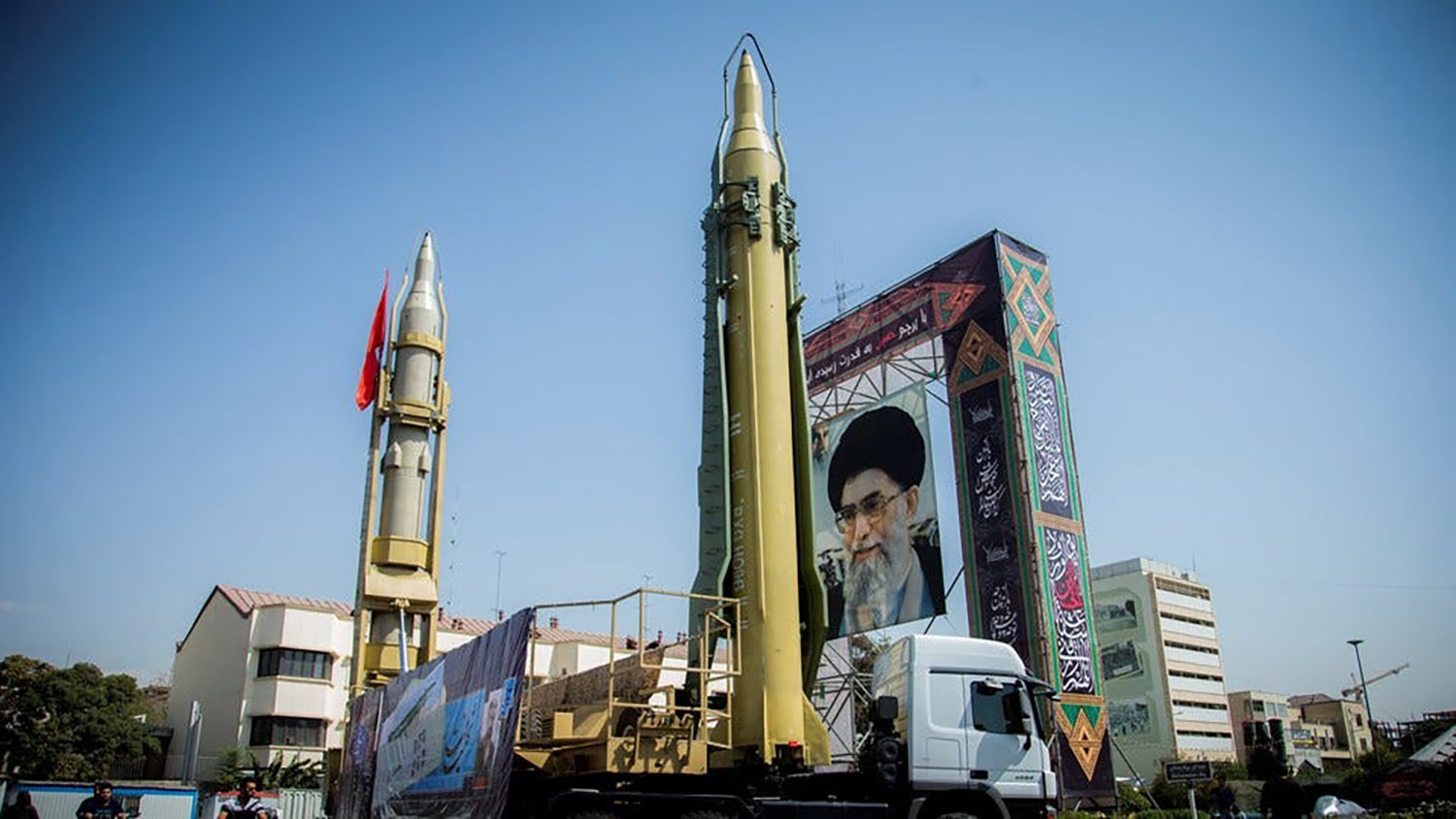
However, the deeper goal is to pressure Iran to change its foreign policy, even aiming for regime change in Tehran. The US hopes that military and economic pressure will provoke an uprising in Iran to overthrow the current government.
But in reality, this campaign is having the opposite effect. After nearly half a century of confrontation with the US since the 1979 Islamic Revolution, Iranian society has never shown such a high degree of unity as it does now.
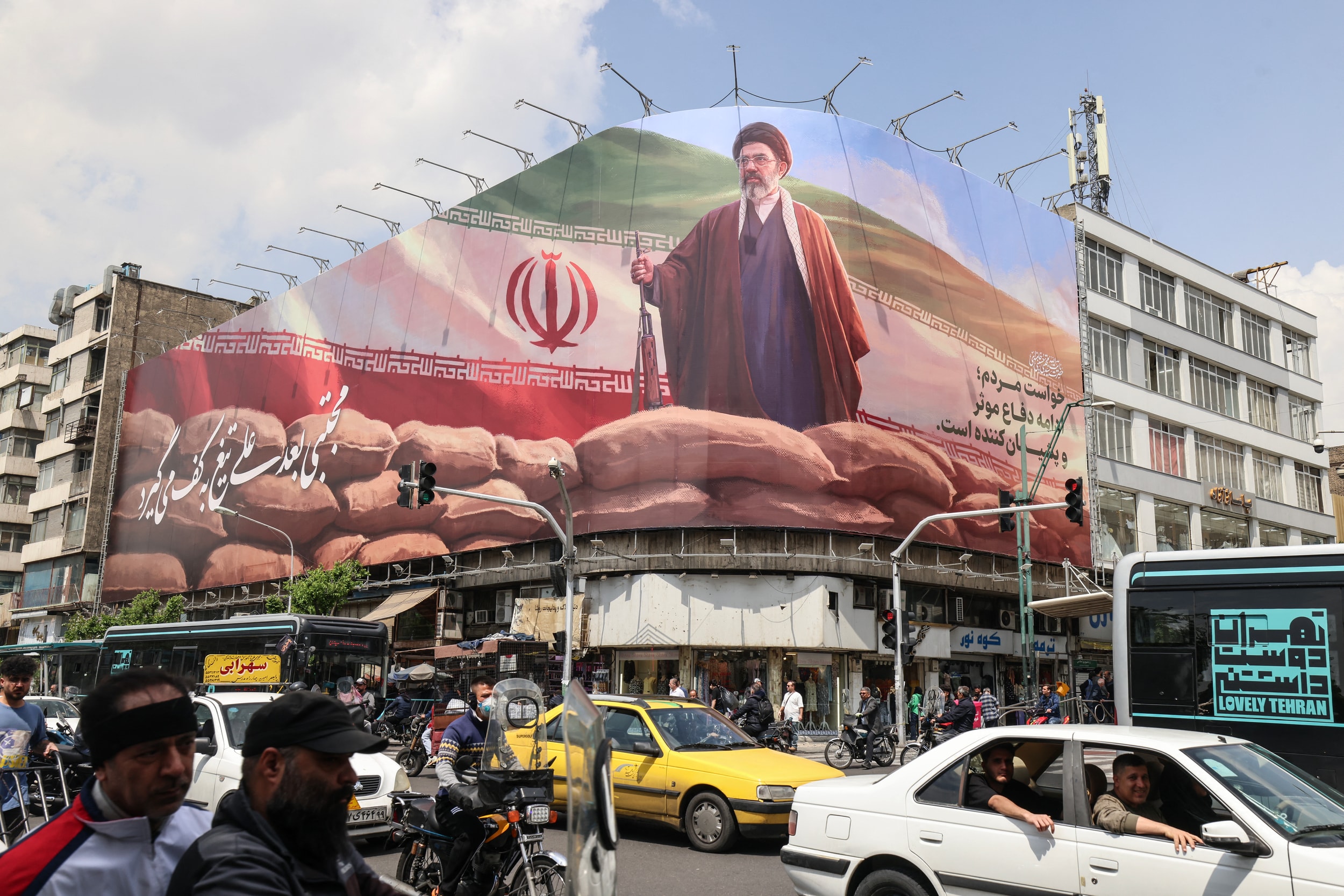
Attacks on military targets and the elimination of many high-ranking officials did not weaken Tehran's political will; on the contrary, they rekindled strong nationalist sentiment in Iranian society.
PV:According to the Major General, is the US "freedom of navigation" operation an independent military move or a direct response to Iran's 14-point plan to end the conflict?
Major General Le Van Cuong:The "freedom of navigation" campaign is essentially aimed at using the power of the US Navy and Air Force to protect international commercial ships passing through the Strait of Hormuz.
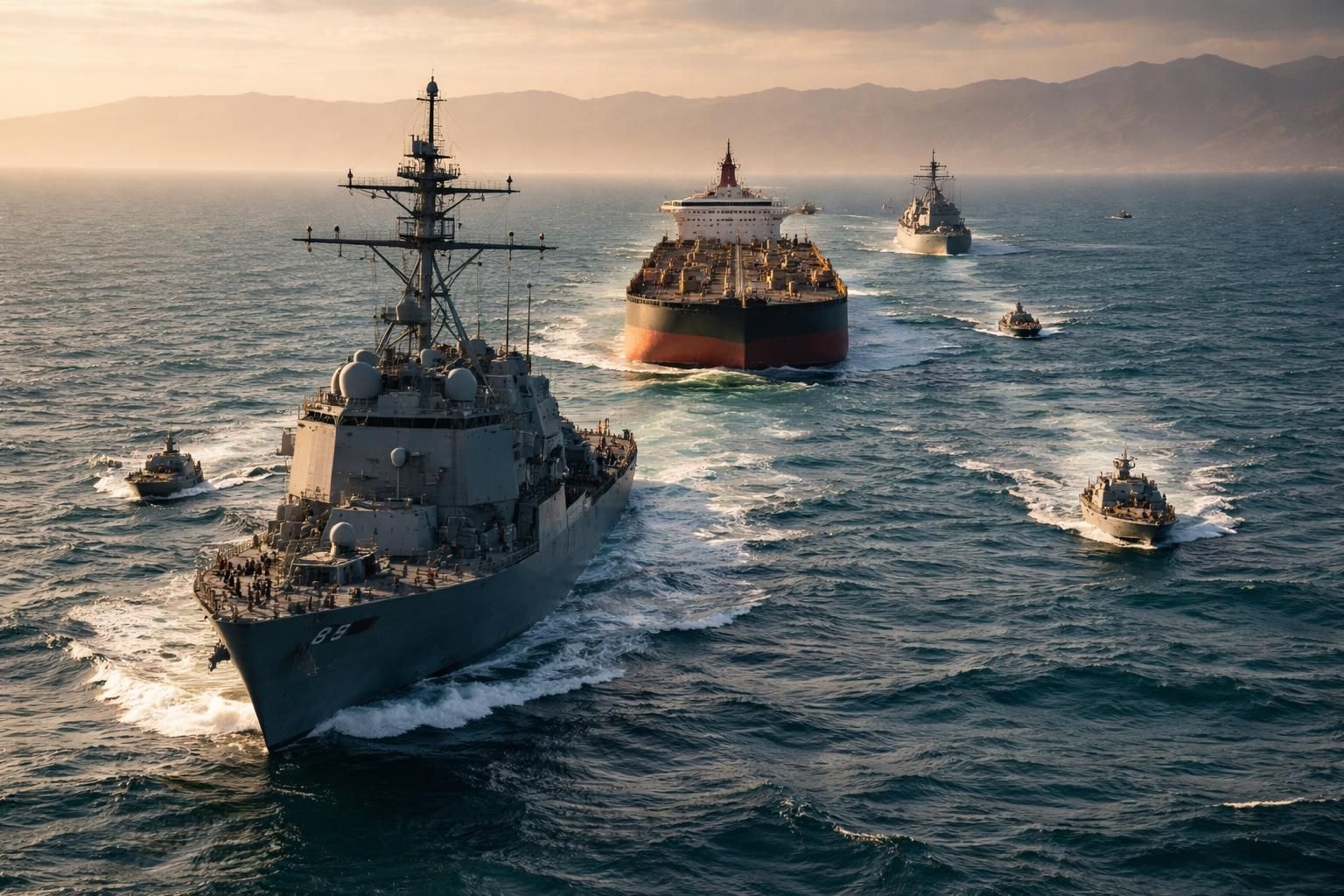
Since the end of June, more than 2,000 ships from 87 countries with approximately 20,000 sailors have been stranded around this area. This is a vital shipping lane carrying about 20% of the world's commercial oil and gas.
The US objective was to clear the shipping lanes with overwhelming military superiority. However, the operation lasted only two days before being forced to halt.
Despite Washington's citation of diplomatic reasons and negotiations, this was essentially a military failure. The US deployed destroyers, fighter jets, and advanced missile systems, yet still could not guarantee the absolute safety of commercial ships passing through the area.

PV:So what are the core contents of Iran's 14-point plan, and why is it putting so much pressure on Washington?
Major General Le Van CuongAfter the second round of negotiations failed, Iran still kept the door open for dialogue and, through Pakistan, conveyed a 14-point plan to the United States.
Some notable points include: demanding that the US withdraw its troops from bases around Iran; demanding war reparations from Washington; lifting the economic blockade and freezing of assets; establishing a regional security management mechanism; and ending military operations on all fronts.
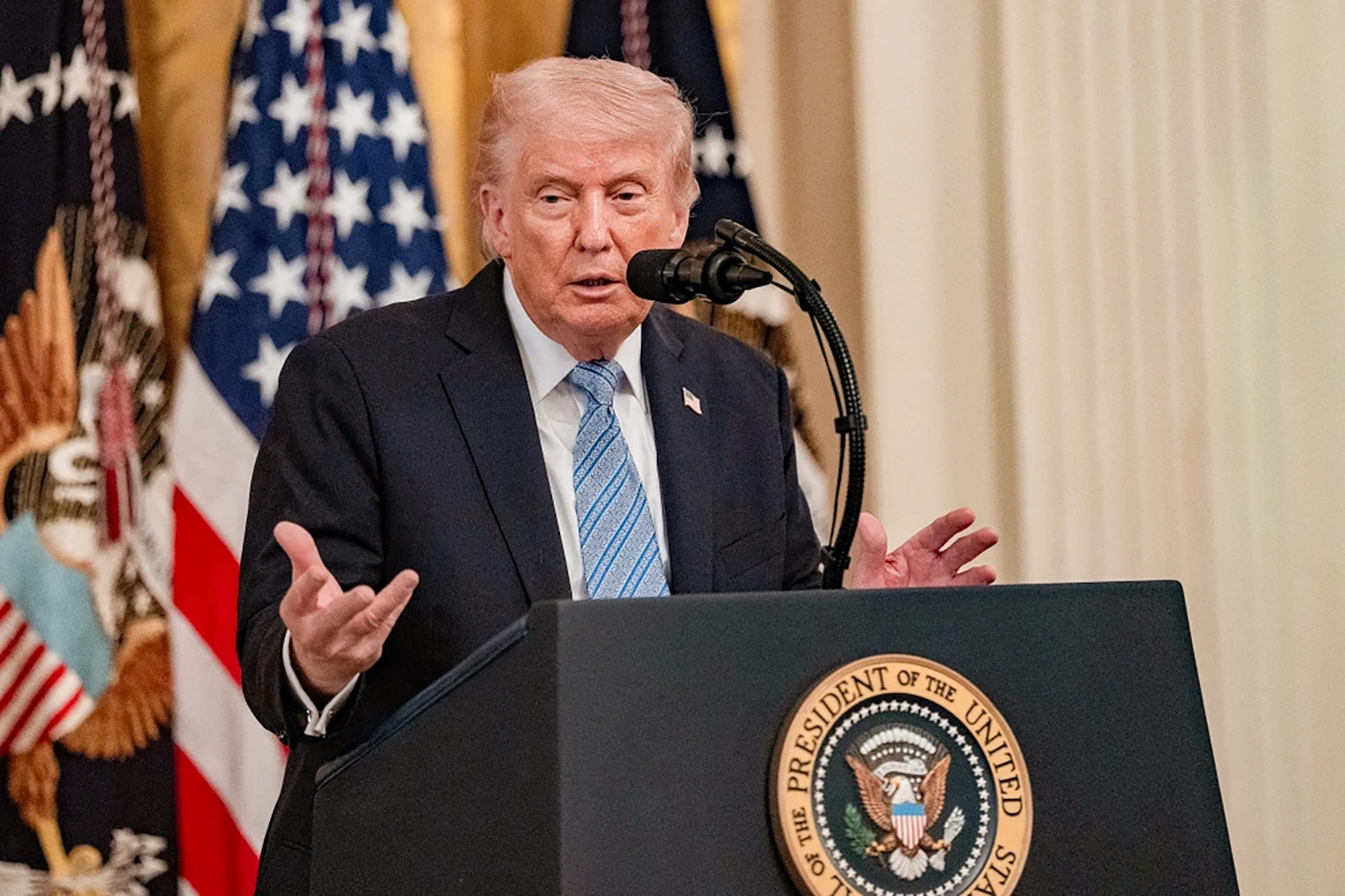
What's particularly striking is that Iran made absolutely no mention of its nuclear program – a core issue that the U.S. has always pursued. In my opinion, this is what surprised Washington the most.
Tehran's demand for war reparations from the US demonstrates Iran's very firm stance and unwavering determination to not compromise.

PV:General, what are your predictions regarding US-Iran relations in the near future?
Major General Le Van Cuong:At this point, the Trump administration was in a very difficult position, both domestically and internationally. The military campaign had not achieved its expected goals, while soaring energy prices were putting immense pressure on the American economy. Opposition to the war was also high among the American public.

Therefore, Washington is forced to shift from military confrontation to maximum economic pressure. The US will continue to impose sanctions, blockades, and encirclement measures aimed at weakening the Iranian economy.
I believe that, in the near future, the likelihood of the US resuming a large-scale military operation is low; however, this possibility cannot be completely ruled out.
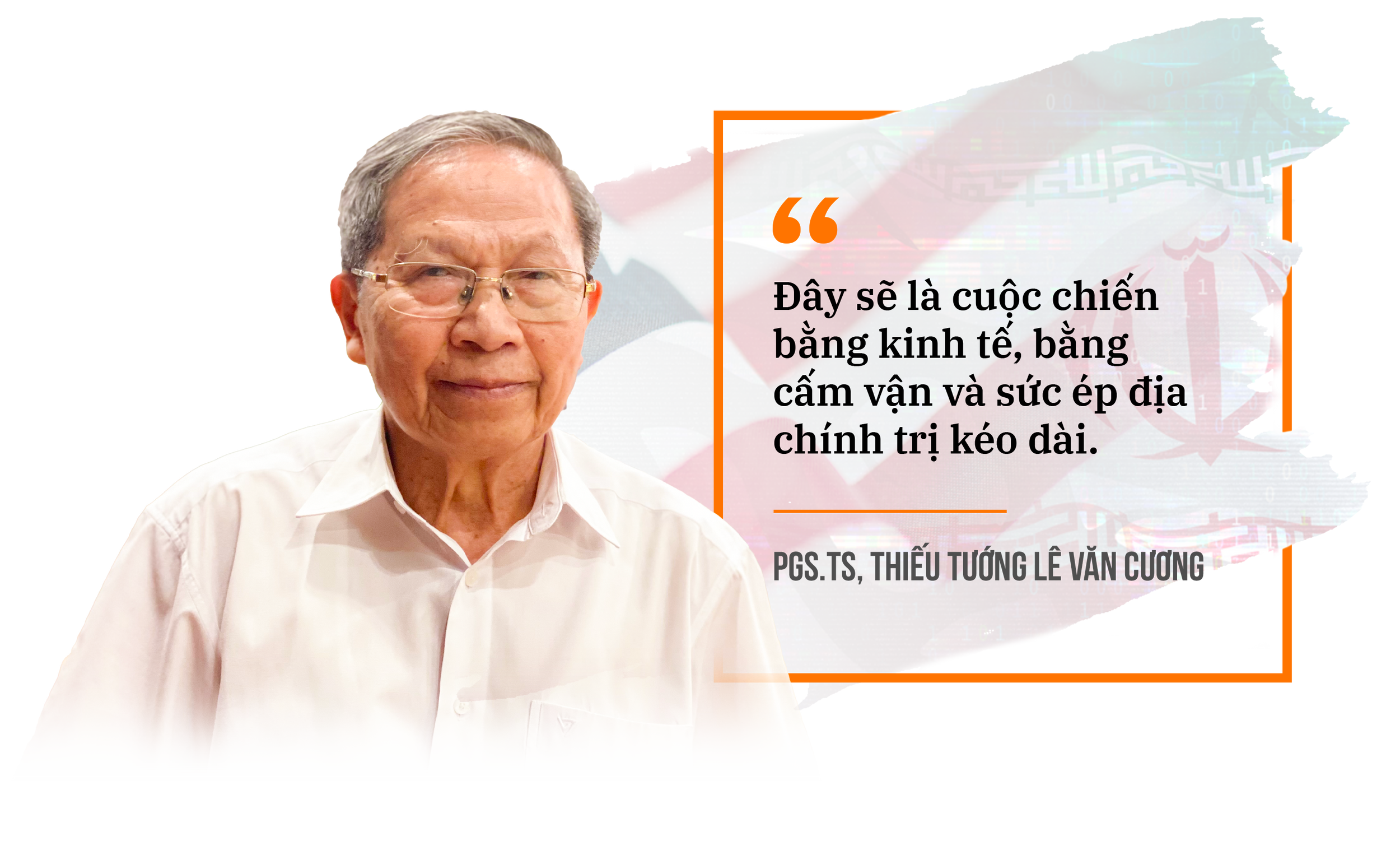
The US-Iran confrontation is likely to enter a new phase: fewer gunshots, but the level of tension, ferocity, and danger will remain very high. This will be a protracted war waged through economic means, sanctions, and geopolitical pressure.
PV:Through the analysis of Major General Le Van Cuong, it can be seen that, from the US "freedom of navigation" campaign to Iran's 14-point plan, all are strategic moves on the complex geopolitical chessboard of the Middle East.
Whether the future leans toward dialogue or confrontation, the Strait of Hormuz will undoubtedly remain a flashpoint in international relations for the foreseeable future.
Thank you, Major General, for granting the interview to Nghe An Newspaper and Radio & Television!


