
Innovating storytelling at historical sites in Nghe An.
Leading up to the 81st anniversary of the August Revolution and National Day on September 2nd, many revolutionary relics, museums, and memorial sites in Nghe An continue to be destinations for locals, students, and young people. After these trips to historical sites, the question arises: how can history not only evoke temporary emotion, but also become a story that young people want to learn about and explore in greater depth?
The appeal also depends on peak seasons.
In the early days of August, atTruông Bồn National Historical SiteDelegations of officials, veterans, students, youth union members, and citizens continue to come to offer incense and commemorate the heroic martyrs. In front of the common grave of 13 young volunteer soldiers and the Memorial House for 1,240 heroic martyrs, the story of the "fire coordinates" on Route 15A is recreated through narration, images, and artifacts.
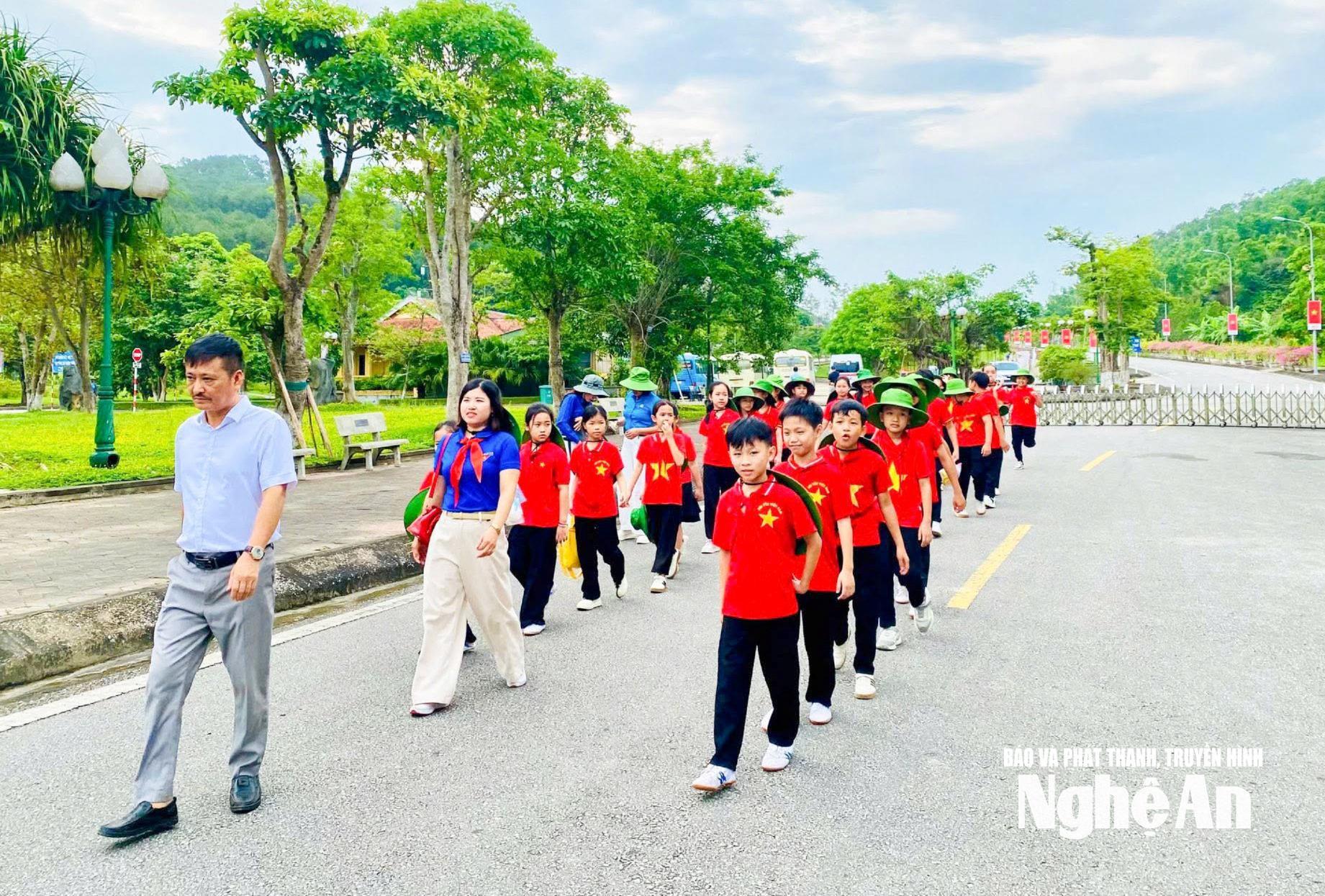
Previously, during the peak of the July commemoration period, the number of visitors to Truong Bon, as well as many other "historical sites" in the province, increased sharply. This shows that the need to reconnect with history still exists, especially during major anniversaries.
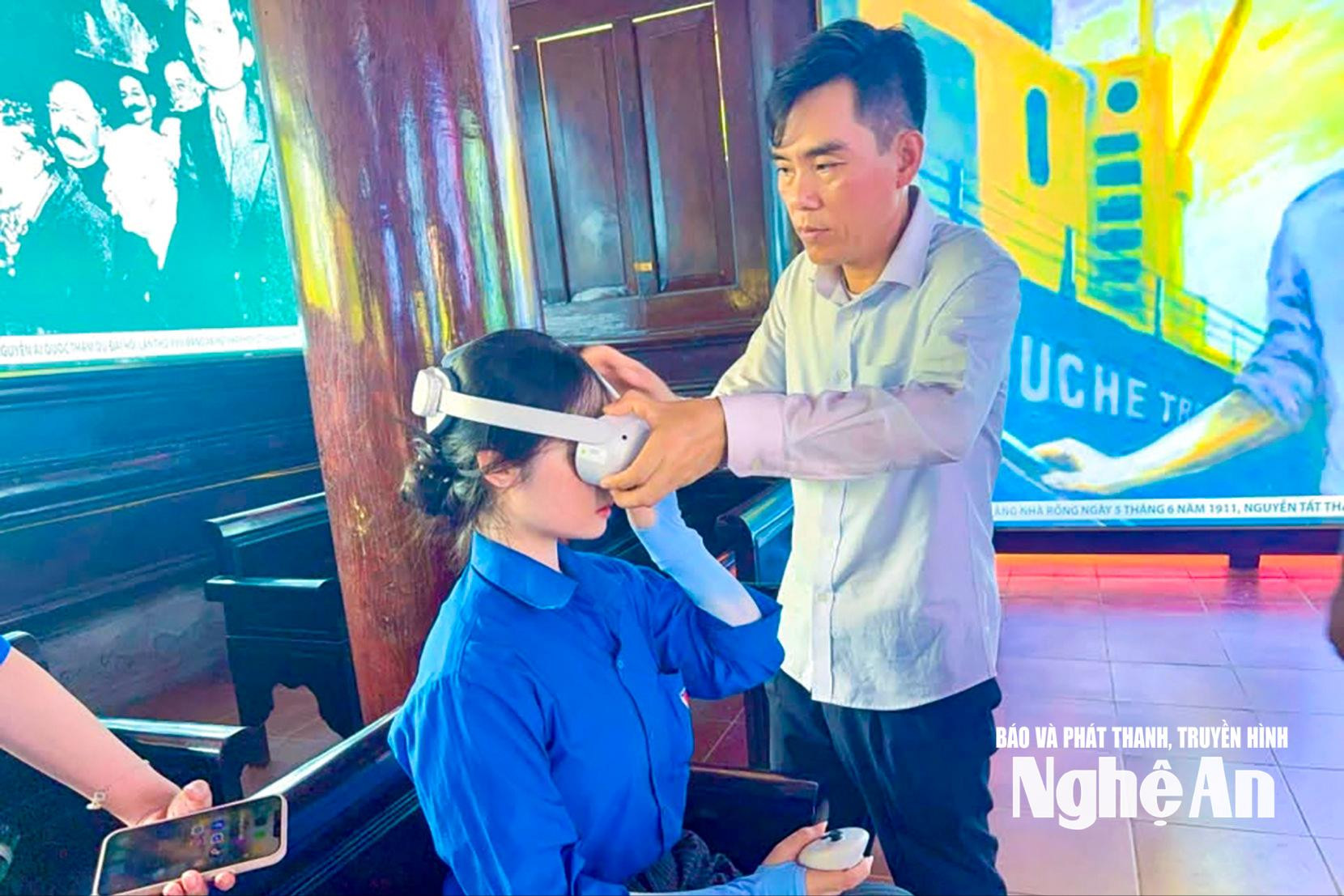
Beyond traditional festivals, new forms of experiences also demonstrate their ability to attract young people. In mid-May, during the Lotus Village Festival, the virtual reality program "Returning to the Sacred Moment" at the Kim Lien National Special Historical Site attracted a large number of locals and tourists. Through virtual reality glasses, viewers were transported to a simulated space of Ba Dinh Square on September 2, 1945, witnessing the moment President Ho Chi Minh read the Declaration of Independence. At times, participants had to queue to wait for their turn.
At the Nghe An - Soviet Nghe Tinh Museum, artifacts related to specific people and events also attract the attention of students. During one visit, Le Ngoc Bich, a student from Hung Thong Secondary School, lingered for quite a while in front of the flag of the Hung Nguyen District Party Committee, which was used in the memorial service for those who died in the September 12, 1930 protest.
"In textbooks, I only learned about the events through lessons and timelines. Coming here and seeing the flag in person, I find it easier to understand and remember," Bich shared.
These experiences show that young people are not indifferent to history. However, the appeal at many destinations remains more focused on anniversaries, programs about historical roots, or activities organized by agencies and schools.
According to Mr. Phan Trong Loc, Director of the Truong Bon National Historical Site, the number of young visitors usually increases significantly during anniversaries or when agencies and schools organize programs to commemorate historical events. At other times, the number of young visitors who proactively come to visit in small groups is small; most still travel with pre-organized tours.
Another gap lies in how young people continue to interact with history after their trip. Based on recent content posted at several historical sites, memorials, and museums, the information mainly revolves around welcoming delegations, offering incense, exhibitions, and traditional talks. Regular content focusing on lesser-known figures, artifacts, or details, or creating opportunities for young people to share historical stories, is still lacking.
For schools, field trips also need to be planned to suit each age group. Ms. Le Thi Phuong, Principal of Dien Tan Primary School in An Chau commune, said that each year the school usually organizes one to two field trips for students from grade 3 and above.
"If historical sites have age-appropriate programs, complete with worksheets or interactive activities, schools will find it easier to incorporate the trip into their educational plans," Ms. Phuong shared.
As the 2026-2027 school year approaches, the issue is not just about the number of field trips, but about what students gain from each trip.
From hearing stories to discovering things for yourself.
According to Dr. Mai Phuong Ngoc, Deputy Head of the History Department, Vinh University of Education, the important thing is to gradually change the way stories are told at historical sites.
“Historical sites need to shift from one-way communication to questioning, dialogue, and creating opportunities for visitors to explore. Not every place needs to invest in expensive technology right away. Sometimes, a well-told story about an artifact, a suitable role-playing activity, or a video made by the students themselves can be effective,” analyzed Dr. Mai Phuong Ngoc.
According to Dr. Mai Phuong Ngoc, a journey back to one's roots becomes more meaningful when it helps young people find answers to specific questions: What happened here? What choices did the people in the story face? What lessons from that story still inspire reflection in life today?
Each historical site has its own advantages for developing a suitable narrative. At Truông Bồn, the story of the Youth Volunteer Force can be linked to a day of duty: filling bomb craters, maintaining the road, and ensuring traffic flow on Route 15A. Through these specific tasks, the concepts of "fire zone" or "maintaining the route" will become closer to the lives, work, and sacrifices of those people from the past.
At the Phan Boi Chau Memorial Site, the story of his youth, his aspirations for national renewal, and the Dong Du movement are materials that can provoke many questions. Instead of just memorizing biographical milestones, young people can explore why a young man of the early 20th century chose the path of going abroad and what values in Phan Boi Chau's spirit are still relevant today.
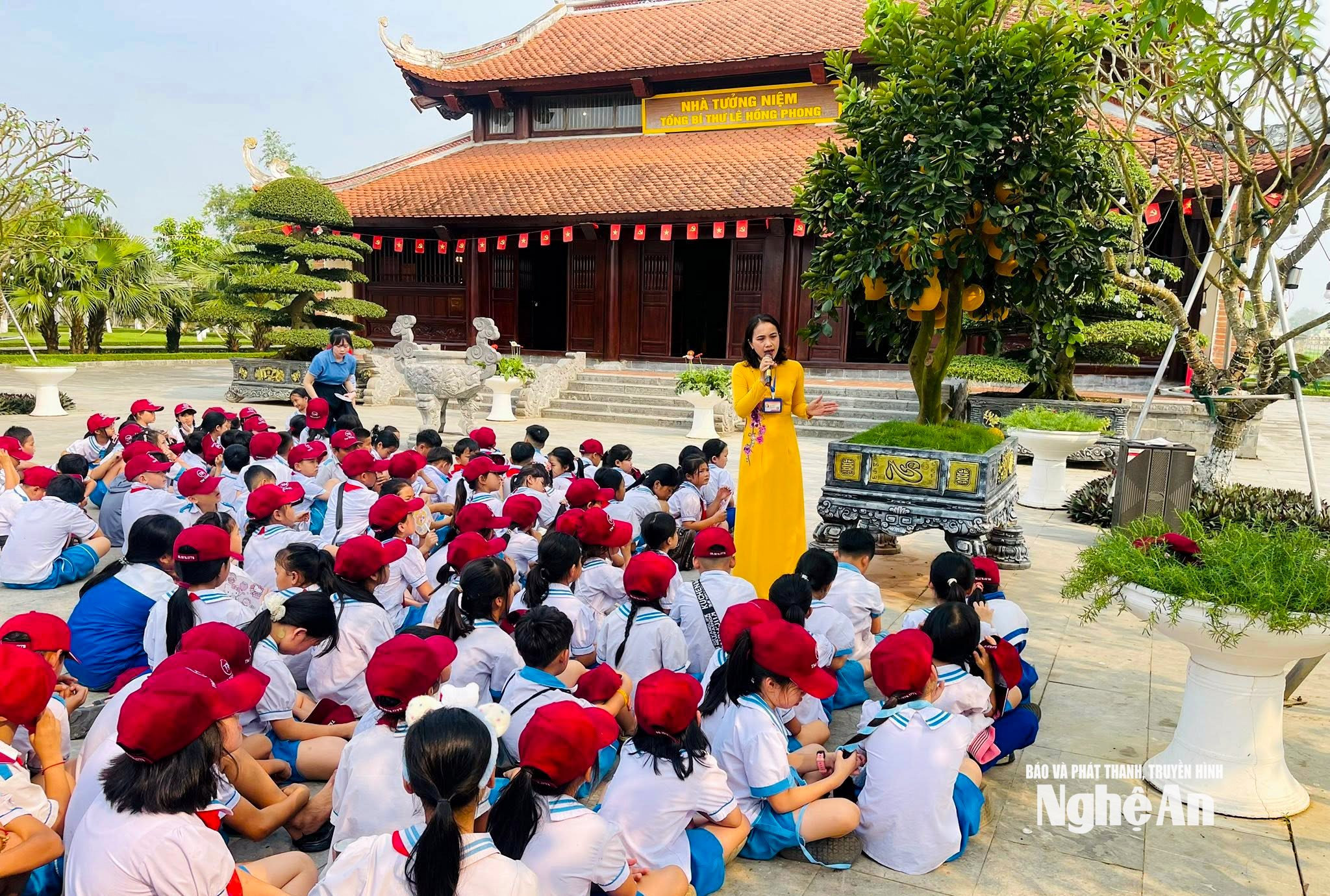
At the Le Hong Phong Memorial Area, ceremonies for admitting new members to the Youth Union, programs reporting achievements, and trips to historical sites have linked the site with activities aimed at educating about revolutionary ideals. If the ceremonial part is connected to the story of the youth, the learning process, and the revolutionary path of General Secretary Le Hong Phong, the historical figure becomes more relatable to the Youth Union members and students.
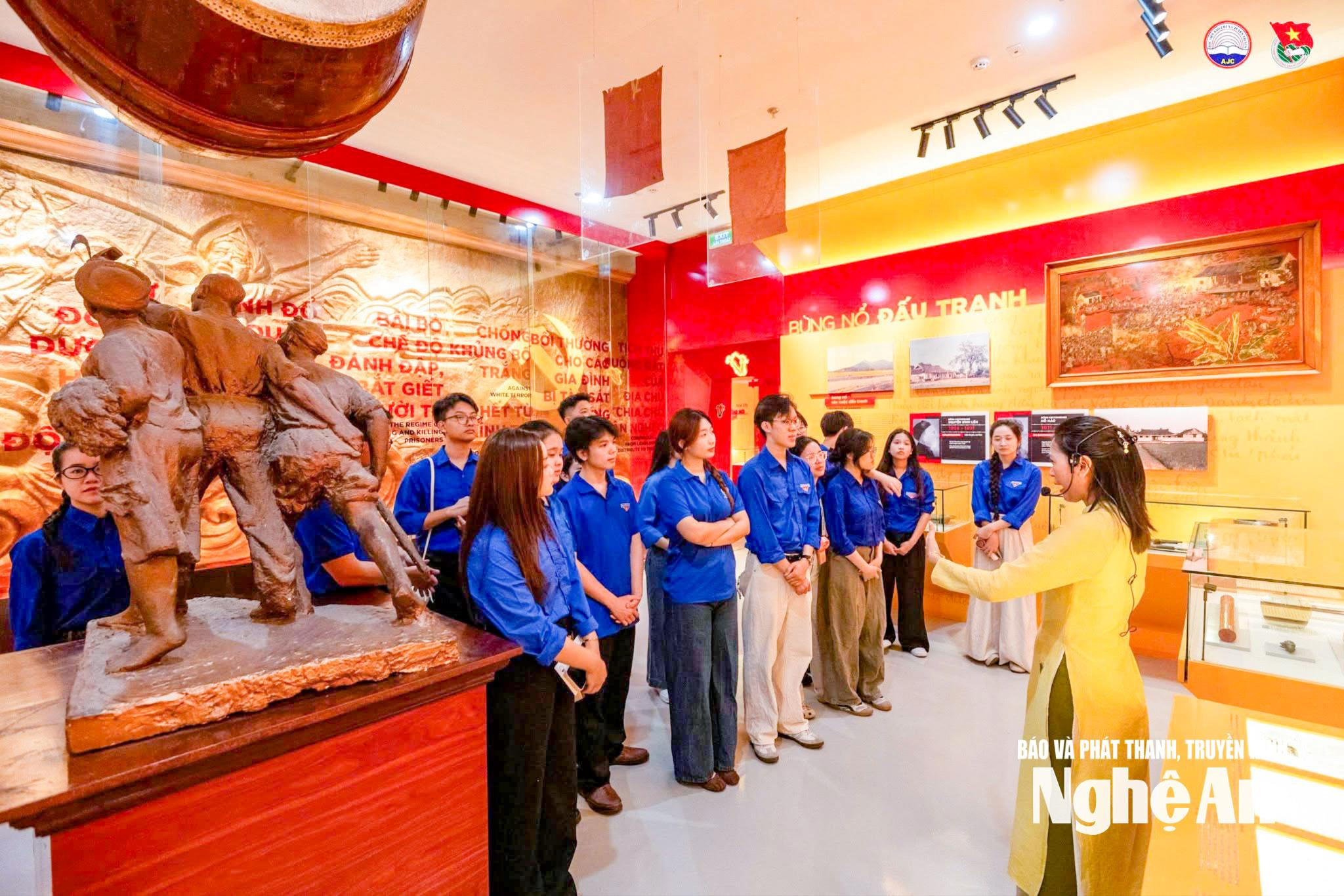
The Nghe An – Soviet Nghe Tinh Museum has the advantage of a rich system of documents, images, and artifacts. Ms. Tran Thi Hong Nhung, Deputy Director of the Museum, said: “Many young people are interested in very specific details such as the age of historical figures at the time, their living circumstances, and why they made those choices. If told in easily understandable language, these details will create a sense of closeness and empathy.”
The museum is aiming to delve deeper into the stories behind its artifacts, developing short videos, QR code content, and interactive formats for students. Collaboration with schools is also emphasized to make museum visits more closely linked to educational activities.
Ms. Tran Thi Hong Nhung - Deputy Director of the Nghe An - Soviet Nghe Tinh Museum
A similar approach applies to digital media. Short videos, stories told from a single image, QR codes, or multimedia narrations are only effective when the content is carefully selected, easily digestible, and leads viewers to deeper layers of information. Technology, therefore, does not replace storytelling, but rather serves as a means for stories to reach the public.
The virtual reality experience program at Kim Lien has demonstrated this potential. But whether it's a virtual reality headset or a small QR code next to the exhibit, what ultimately keeps young people engaged is a story compelling enough for them to want to learn more.
These "historical sites" preserve the memories of many generations. For these memories to continue living in today's world, in addition to maintaining their solemnity, we need storytelling methods that encourage young people not only to visit, listen, and remember, but also to explore and continue telling the historical story in their own way.


