
Reforming the operation of the People's Council: Closer to the people, more substantive decisions.
Immediately following the elections for People's Council representatives at all levels for the 2026-2031 term, along with the rapid restructuring of the apparatus, the Provincial People's Council and the People's Councils of communes and wards proactively implemented many solutions to improve the quality and effectiveness of their operations. In particular, the Provincial People's Council issued the Project "Improving the Effectiveness of the People's Councils at all levels in Nghe An province, 2026-2031 term," creating a basis for strong innovation in the activities of elected bodies in implementing the two-tiered local government system.
Proactively implement reforms right from the beginning of the term.
The 2026-2031 term takes place in the context of the entire country implementing a two-tiered local government model, promoting decentralization and delegation of power according to the motto "local authorities decide, local authorities act, local authorities are responsible." Alongside this, digital transformation is having an increasingly profound impact on the operating methods of agencies within the political system.
In the new context, the requirements for People's Councils at all levels are not only to fulfill their functions and duties as prescribed by law, but also to strongly innovate their working methods, improve the quality of their resolutions, strengthen supervision, be more closely involved with the grassroots, and be closer to the people.
.jpg)
This is also why the 19th term of the Nghe An Provincial People's Council promptly issued the Project "Improving the effectiveness of the operation of People's Councils at all levels in Nghe An province, term 2026 - 2031" at its 2nd session on June 8, 2026. The project is identified as one of the key programs and projects implementing the Resolution of the 20th Provincial Party Congress.
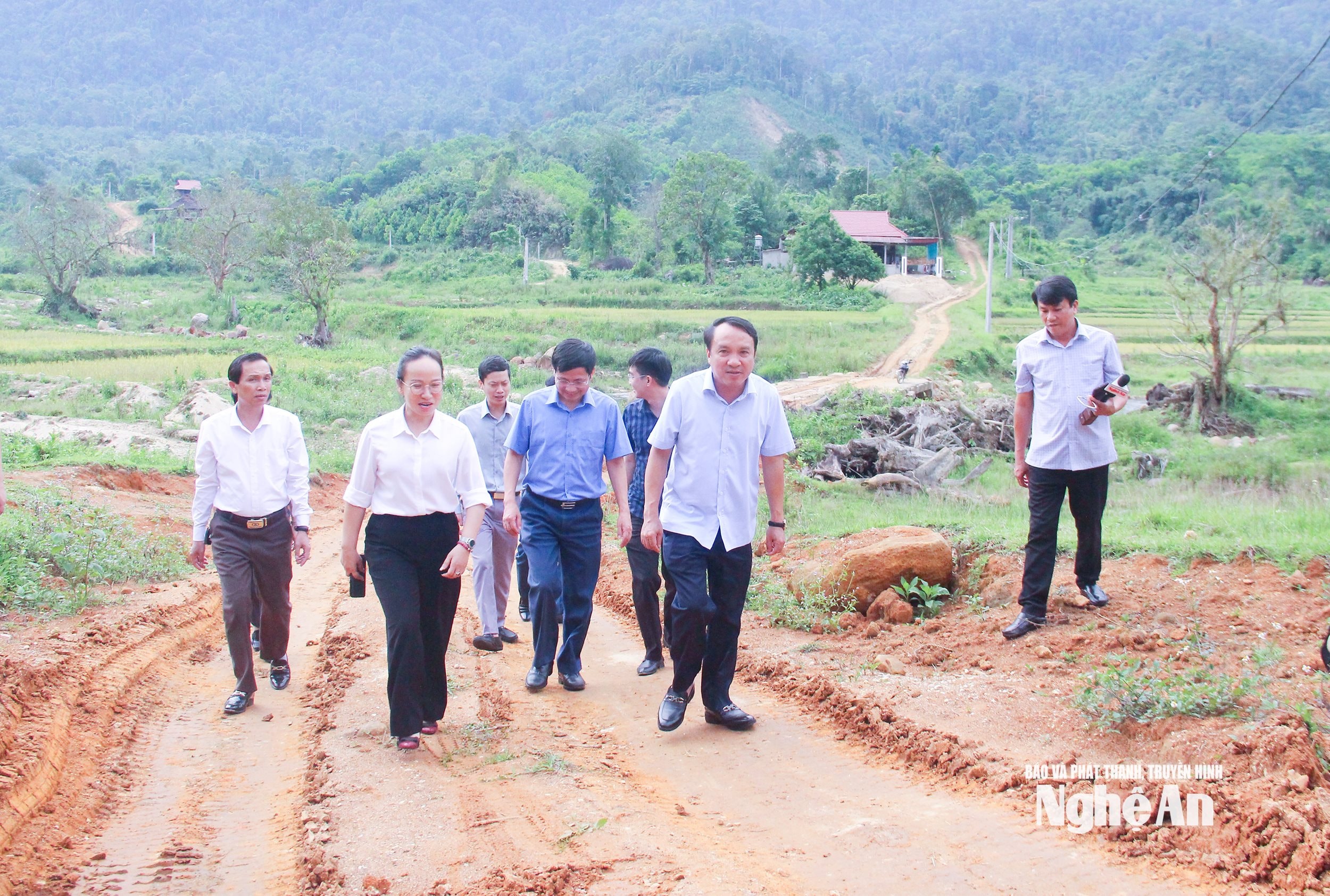
Mr. Duong Dinh Chinh, member of the Standing Committee of the Provincial Party Committee and Permanent Vice Chairman of the Nghe An Provincial People's Council, said that issuing the Project at the beginning of the term created an important basis for People's Councils at all levels to unify their working methods and concretize the requirements for innovation in the context of a two-tiered local government.
This is a notable new development compared to the previous term. While the plan for the 2021-2026 term primarily focused on the activities of the Provincial People's Council, this term's scope has been expanded to include the People's Councils at the commune level. Along with strengthening guidance and support, the Provincial People's Council emphasizes promoting the proactive role of the People's Councils at the commune level, while also enhancing two-way communication and information exchange between the two levels.
Based on the province's overall direction, the spirit of proactiveness has been concretized right at the grassroots level.
In Quynh Thang commune, the People's Council has developed a plan to improve the effectiveness of its operations for the 2026-2031 term with 9 groups of solutions, focusing on perfecting regulations, providing professional training, improving the quality of meetings and resolutions, supervision, voter outreach, and digital transformation.
Mr. Nguyen Van Hai, Secretary of the Party Committee and Chairman of the People's Council of Quynh Thang commune, said that the issuance of the plan at the beginning of the term aims to create a basis for the commune's People's Council to operate more systematically and proactively, especially in the context of many delegates participating in elected bodies for the first time.
For delegates participating in the People's Council for the first time, the primary requirement is to quickly grasp the regulations, functions, duties, and operational skills of a delegate.
Ms. Nguyen Thi Oanh, Head of the Fatherland Front Committee of Quyet Thang village and a representative of the People's Council of Quynh Thang commune, stated that a representative must first and foremost be close to the people, understand them, and listen to their thoughts and aspirations. In the context of digital transformation, representatives must also proactively learn and apply technology to improve the effectiveness of their work.
Get closer to the people so that resolutions truly come to life.
One of the core requirements of the Project is to improve the quality of resolutions of the People's Council, ensuring that each resolution is issued in accordance with regulations, is practical, and is capable of being implemented in real life.
According to the set objectives, 100% of resolutions of People's Councils at all levels must be issued in accordance with the correct procedures, ensuring constitutionality, legality, and practicality, and must be closely monitored and supervised during implementation. For draft resolutions on provincial mechanisms and policies, 80% must be subject to surveys and information gathering from affected parties and relevant agencies before being submitted to the Provincial People's Council.
The plan for the 2026-2031 term requires diversifying the forms of voter engagement, not only before and after the session but also organizing thematic meetings, targeting specific groups, reaching down to villages, hamlets, and neighborhoods; these can be done in person, online, or a combination of both.
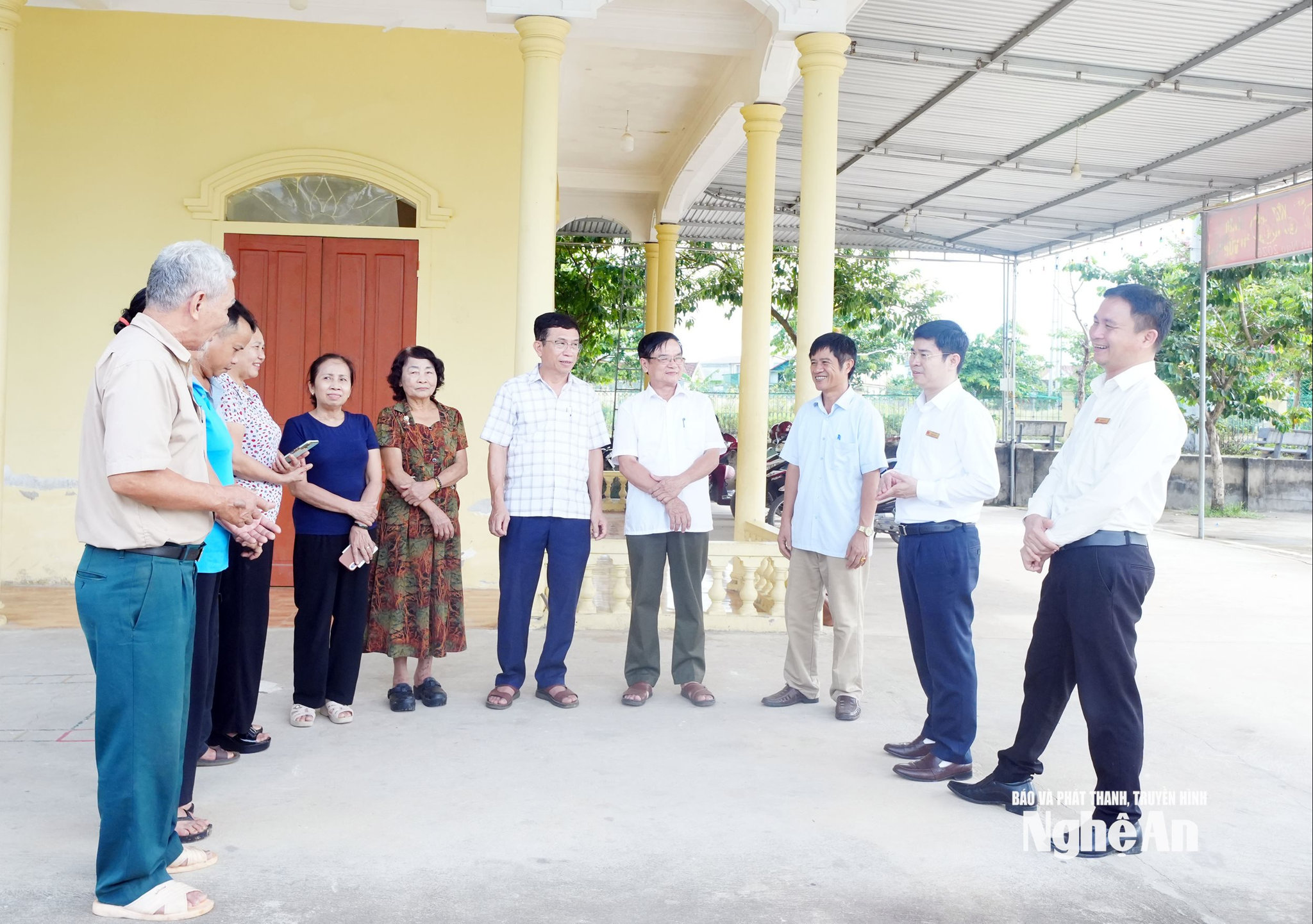
In Dai Dong, this approach is being concretized by expanding channels for receiving public feedback. Mr. Trinh Van Nha, a member of the Provincial Party Committee, Secretary of the Party Committee, Chairman of the People's Council of the commune, and a representative of the Provincial People's Council, stated: “Now, it's not purely periodic contact anymore, but regular contact through many channels, from representatives visiting the grassroots to social media, to listen to voters' opinions and issues arising from practice. The Standing Committee of the People's Council then provides feedback to the People's Committee for timely resolution, meeting the aspirations of the people.”
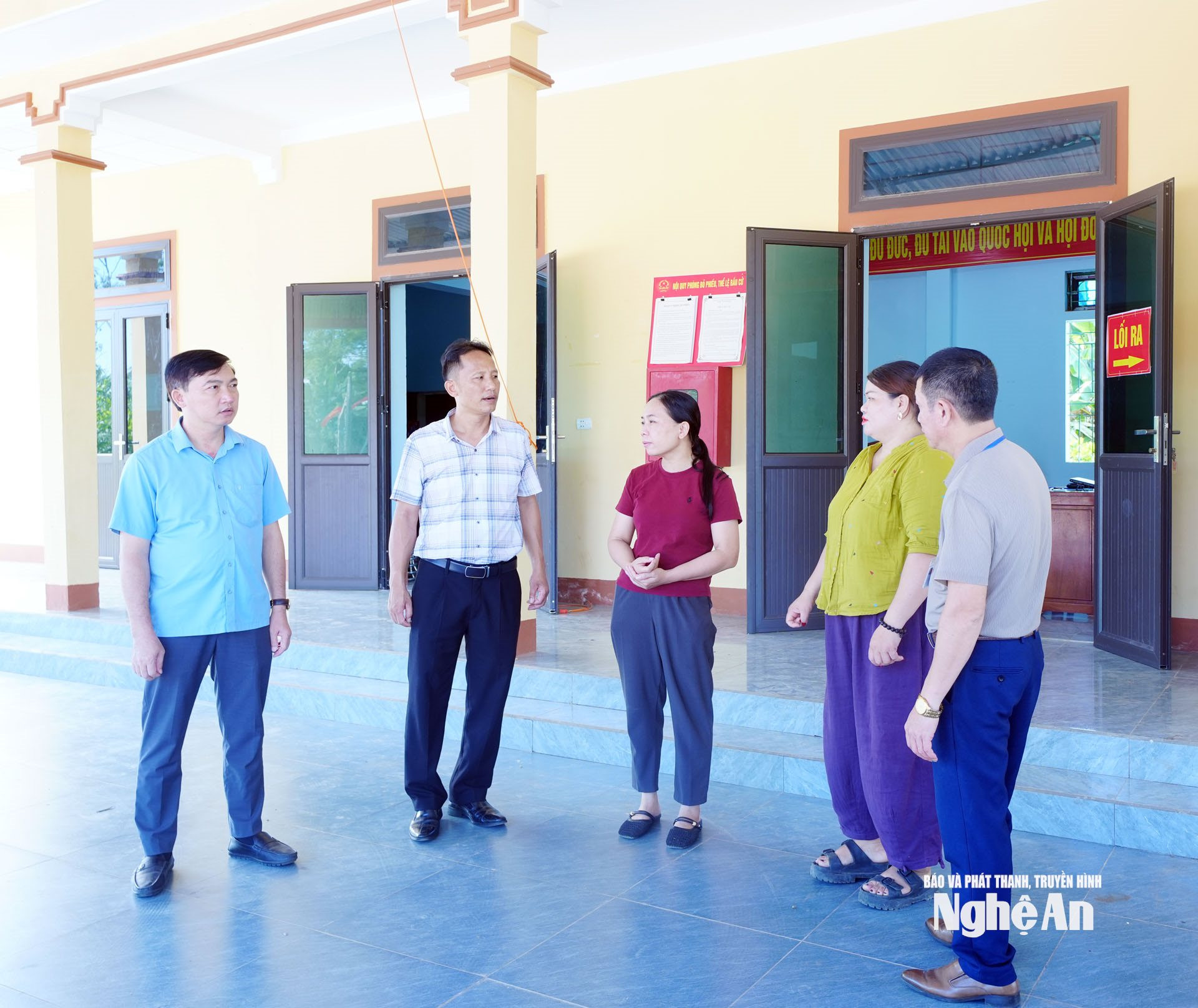
In Nghia Mai commune, the spirit of being close to the people was demonstrated through very concrete results right in the first regular meeting of the term.
Mr. Nguyen Nam Phuong, Secretary of the Party Committee and Chairman of the People's Council of Nghia Mai commune, said that immediately after the election, the Standing Committee of the Party Committee directed the People's Council of the commune to proactively train delegates on skills in approaching, listening to, and reflecting the opinions of the people; and at the same time, utilize artificial intelligence to shorten the time spent researching documents and policies.
The effectiveness of operations is measured by concrete results. At the very first regular session of the term, 121 opinions and suggestions from voters were received, explained, and forwarded to competent authorities for resolution in the fields of land, transportation, irrigation, health, education, culture, and social affairs; simultaneously, 10 important resolutions were passed, including those related to public investment, economic development, and improving the efficiency of sugarcane cultivation.
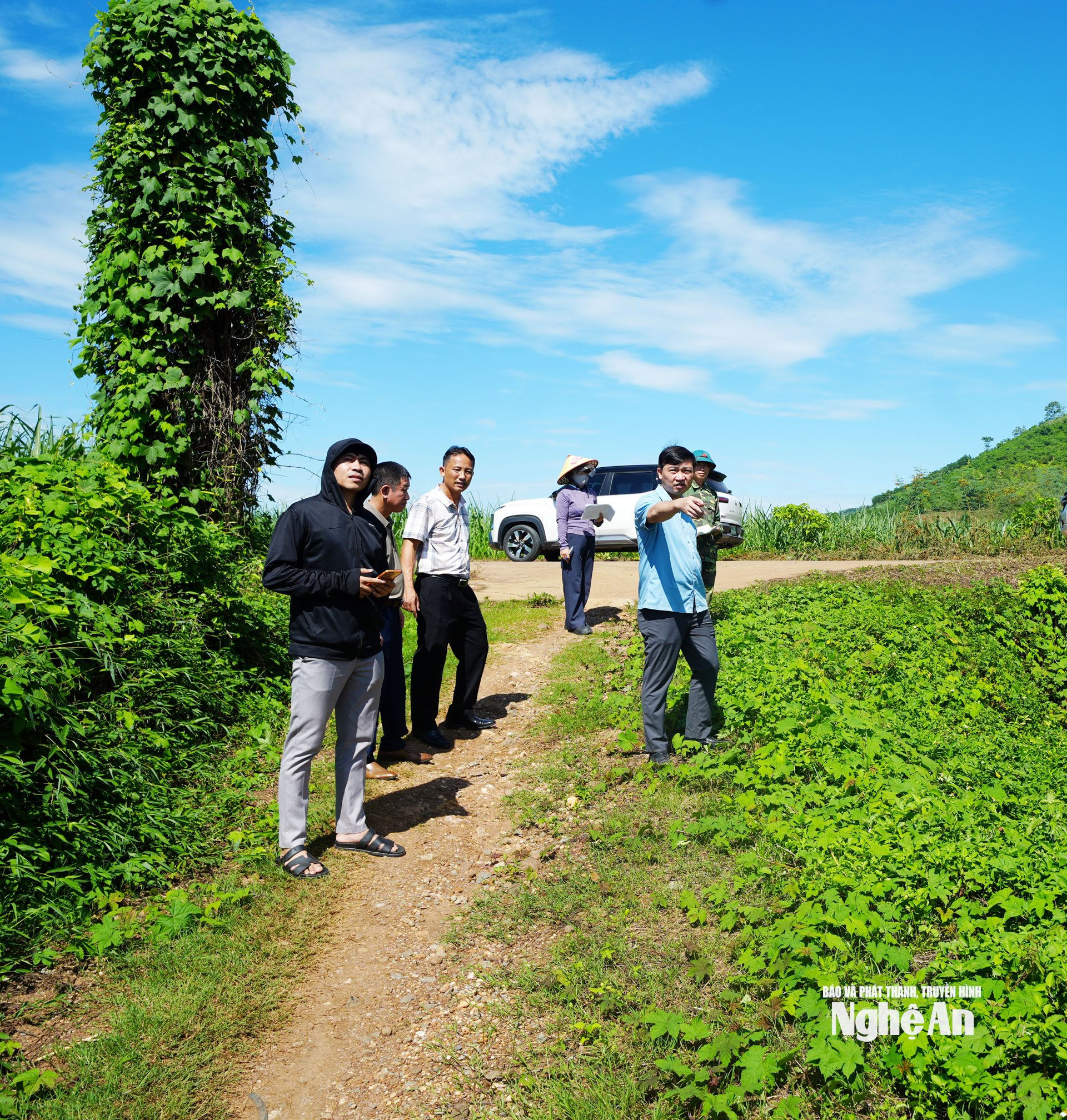
Behind those figures lie very specific issues in people's lives. Nghia Mai is a large area with many unpaved roads. According to surveys, the locality currently has nearly 450 unpaved roads, some as short as 200 meters and others as long as 2.2 kilometers. Therefore, the Commune People's Council has paid attention to planning issues. Initially, while land is available, they are carrying out land clearance work so that later, when resources are available, they can invest in building and expanding roads, making travel more convenient for the people.
This is how the People's Council's activities can shift from "listening and recording" to monitoring, deciding, and facilitating the resolution of specific issues faced by the people.
Digital transformation for more modern elected services.
A key highlight of this term's plan is that digital transformation is placed at the forefront of the People's Council's operations.
Beyond simply creating "paperless sessions," the goal is to build a digital ecosystem that supports all activities of elected bodies: from managing sessions, resolutions, oversight, questioning, and explanations to receiving and tracking voter petitions, letters, and the activities of individual representatives.
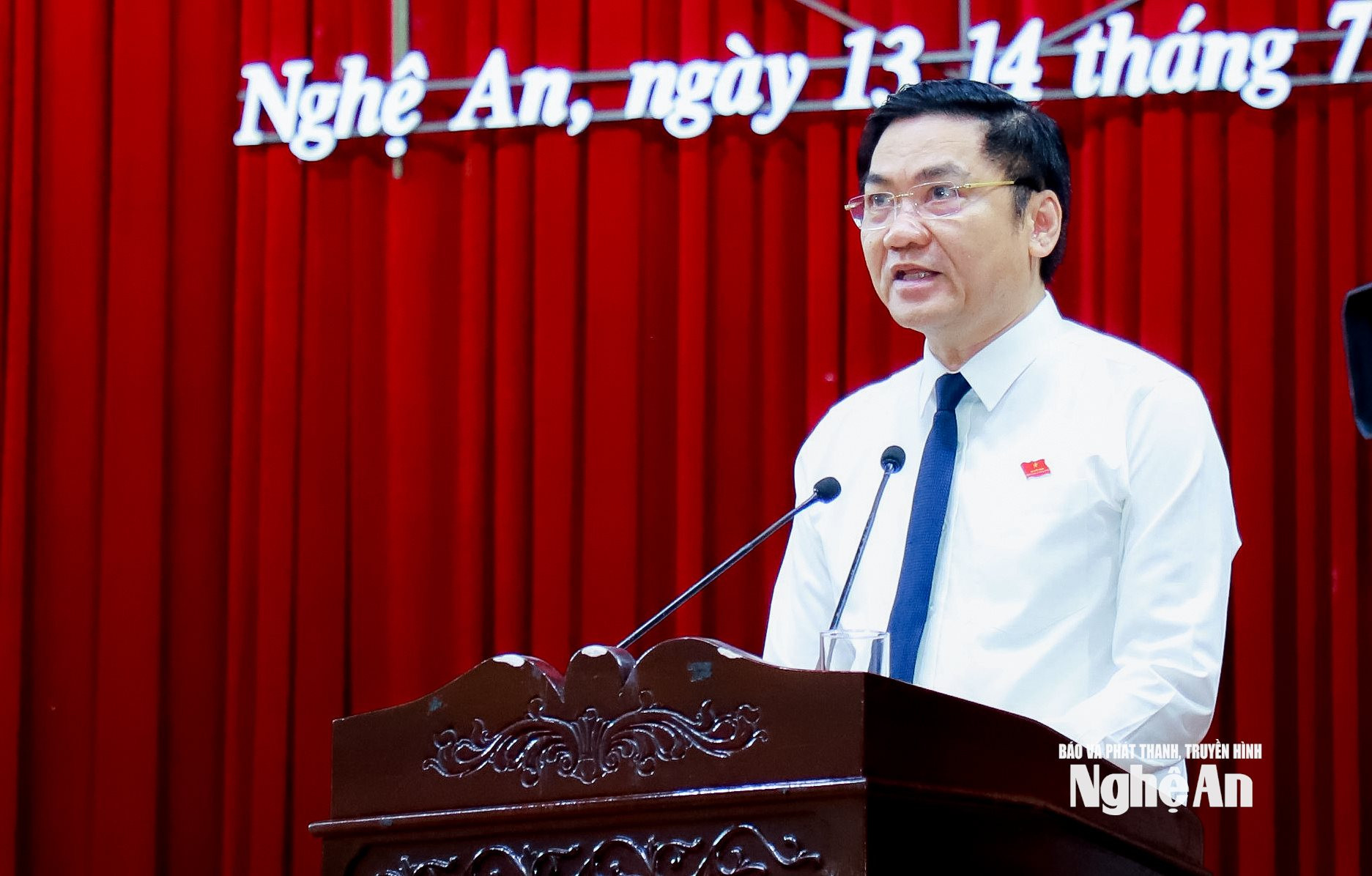
Specifically, in 2026, Nghe An aims to build and integrate an AI virtual assistant into the "smart meeting" system and the system for monitoring and resolving the work of the Provincial People's Council, supporting verification, data retrieval and analysis, report compilation, and discussion. By the end of 2027, the goal is for 100% of the Provincial People's Council delegates to be proficient in using the AI virtual assistant.
In Dai Dong commune, "paperless meetings" have been implemented, and the locality continues to aim towards equipping delegates with smart devices.
In Nghia Mai commune, digital transformation is also seen as a direct tool to support delegates in improving the quality of their work. Mr. Nguyen Nam Phuong said: "From the very beginning, the locality has identified training and applying AI assistants to support delegates in researching, exploiting, and analyzing information as an important task."
Connecting the two levels of People's Councils creates strength from the grassroots.
In the implementation of a two-tiered local government system, the role of the People's Council at the commune level becomes even more important. This is the level closest to the people, directly grasping the issues arising in their lives, and also where policies and guidelines are concretized.
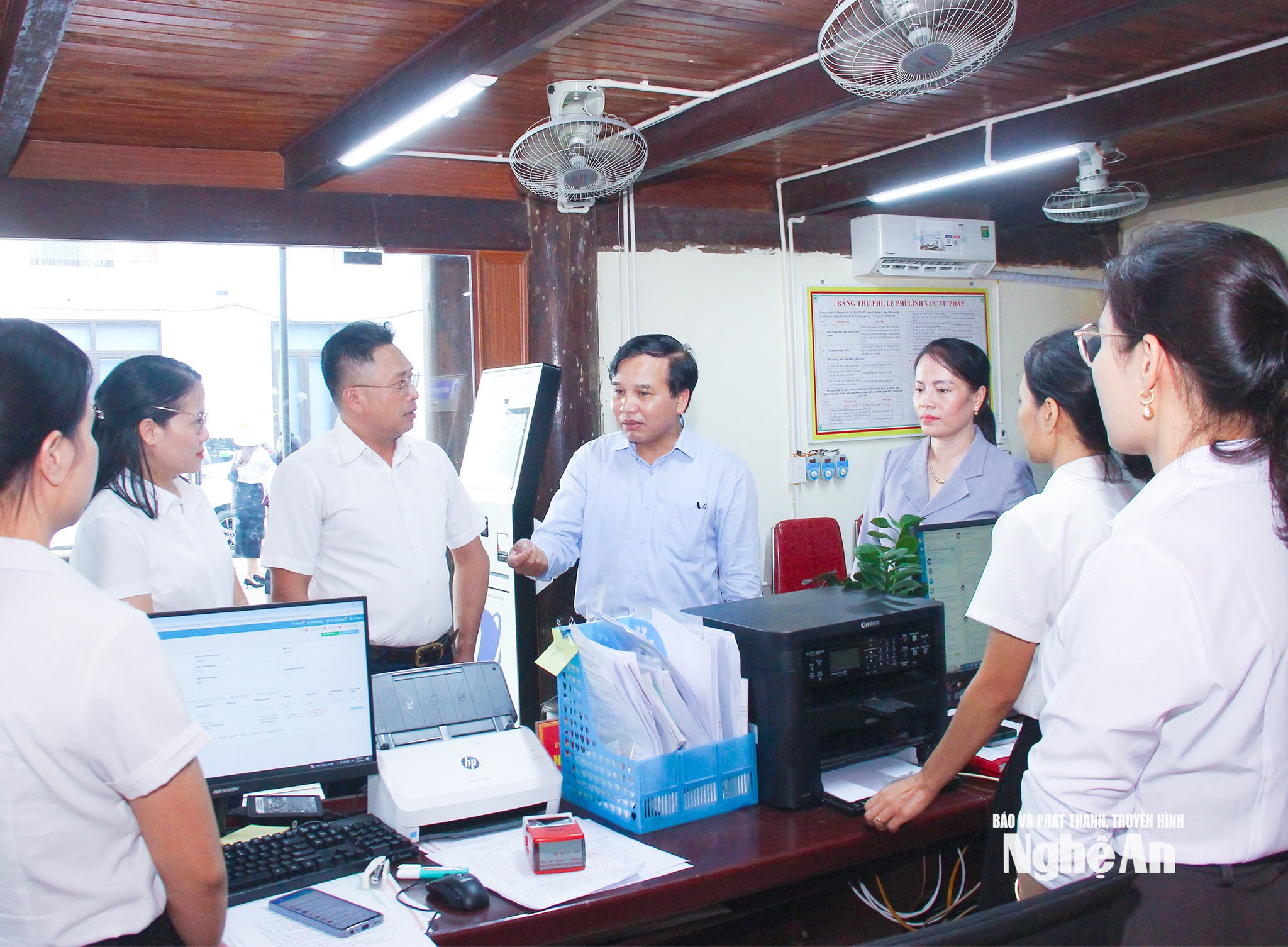
Therefore, the Project clearly defines the need to strengthen monitoring and guidance of the activities of the People's Councils at the commune level, while promoting the proactive role of the grassroots. The relationship between the Provincial People's Council and the People's Councils at the commune level is structured towards two-way information exchange and mutual support.
This was also one of the key points emphasized by Mr. Duong Dinh Chinh, Member of the Standing Committee of the Provincial Party Committee and Permanent Vice Chairman of the Nghe An Provincial People's Council, regarding solutions to improve the effectiveness of the People's Council's activities in the 2026-2031 term.
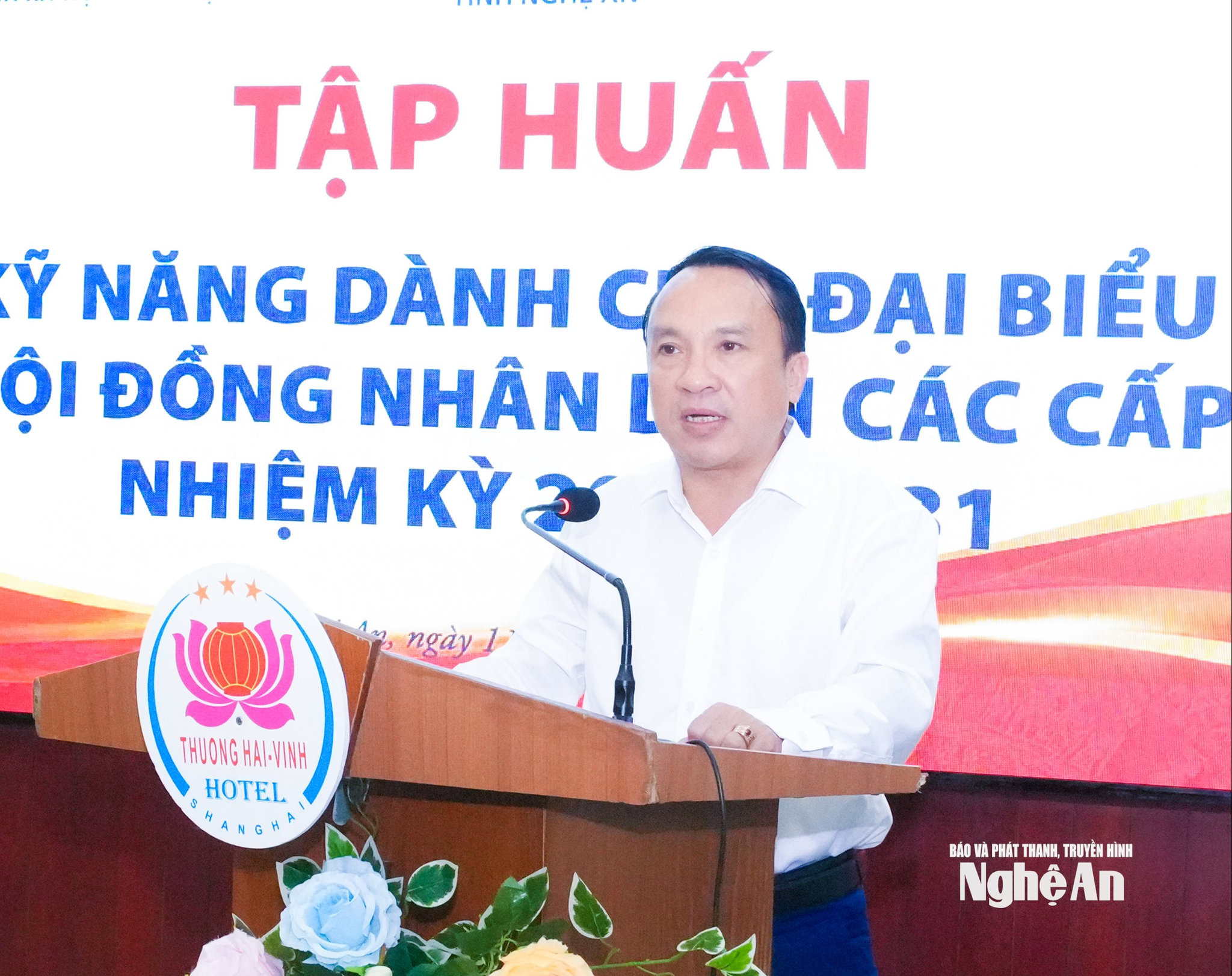
Accordingly, the Provincial People's Council will strengthen guidance, support, and experience sharing, while gradually forming a system of shared, interconnected digital tools from the provincial level to the grassroots. Through this, information from the grassroots level will be promptly transmitted to the province; conversely, regulations, experiences, and new approaches from the province will be supported and guided for implementation at the commune level in accordance with practical realities.
This approach is in line with the new requirements: the province does not replace the local level, but guides, connects, and supports; the local level does not wait passively, but proactively makes decisions and takes responsibility within the scope of its delegated authority.
The plan also quantified very specific goals: 100% of sessions are held in accordance with regulations and with quality; 100% of regular sessions include question-and-answer sessions; 100% of supervision recommendations and conclusions from questioning and explanations are monitored for implementation, with over 90% of specific, feasible, and legally compliant recommendations being considered and resolved by competent authorities.
These objectives demonstrate that the need for innovation in the activities of the People's Council for the 2026-2031 term goes beyond mere formal reform, aiming for measurable results.
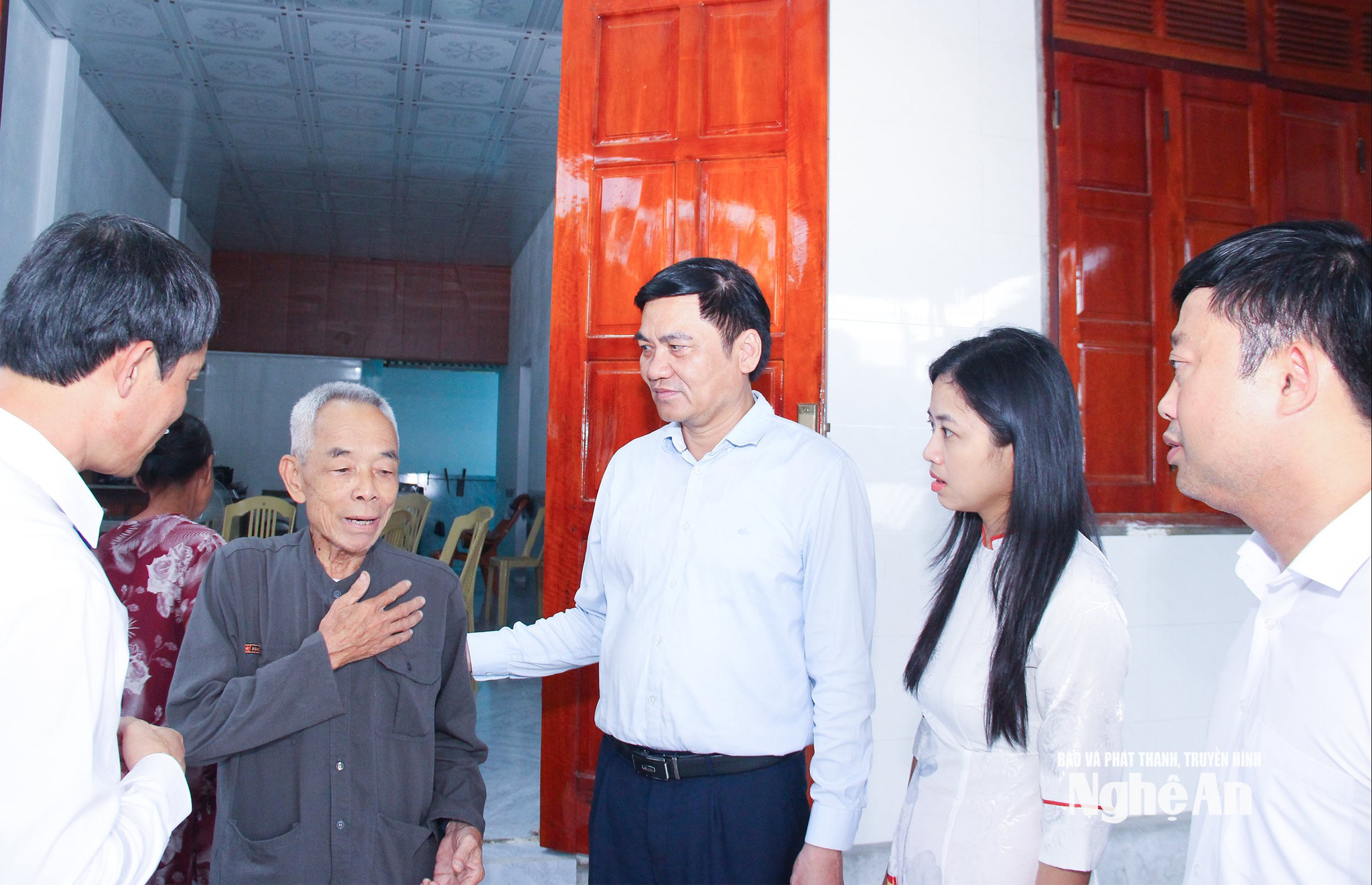
To ensure that each resolution issued is more practical; each oversight activity has a specific target, responsibility, and deadline; each voter's opinion is received, monitored, and followed up on; and each representative truly dedicates their time and intellect to their duty of representing the people.
This also serves as a foundation for the People's Councils at all levels in Nghe An province to continue affirming their role as local state power organs, accompanying the government in socio-economic development, meeting the requirements of the two-tiered local government model, and actively contributing to the goal of making Nghe An a relatively prosperous province in the country and a national-level growth pole by 2030.


