
Innovating the growth model in Nghe An: From reality to prospects
Nghe An's economy has now reached US$9.4 billion, and the continuous influx of investment capital is setting new records, clearly demonstrating that the province is moving in the right direction. However, to realize the long-term goal of becoming a national-level growth hub by 2030, the province must first overcome the immense pressure from the 2026 GRDP growth target of 10.5% - 11.5%. The core challenge now is to drastically innovate its growth model.
From national strategic messaging to local realities
At the National Scientific Conference on Innovation in the National Development Model held in Hai Phong on May 26, 2026, the core message defined by the Central Committee was: Focus on innovating the development model based on science, technology, innovation, and digital transformation; strongly shift from traditional driving forces to a model of self-reliance, self-strength, and strategic autonomy. This strategic orientation serves as a guiding principle for localities, especially Nghe An province, to reflect upon, evaluate, and strive for.
For Nghe An, shifting the growth model from extensive to intensive has become a mandatory requirement. To realize the goal set out in Resolution No. 39-NQ/TW of the Politburo to make Nghe An a "national-level growth pole," Nghe An, like other localities, is taking science and technology, high-quality industry, and circular agriculture as its pillars; at the same time, it is unlocking the current record-breaking investment flow to become a self-reliant endogenous driving force.
According to Mr. Hoang Anh Dung, Head of the General Planning Department (Department of Finance): Extensive growth based on capital-intensive, resource-intensive, and cheap labor is making poverty difficult to improve due to the law of diminishing returns. Unlike the old model, intensive growth focuses on optimizing resources and applying intellectual capital to improve productivity (TFP), forming the foundation for a green and digital economy. The reality in Nghe An shows that the development model based on space and cheap labor has reached its limit. Faced with pressure from land costs, regulations prohibiting the export of raw resources, and a shortage of high-quality human resources, Nghe An is having to shift to a model based on technology and knowledge.
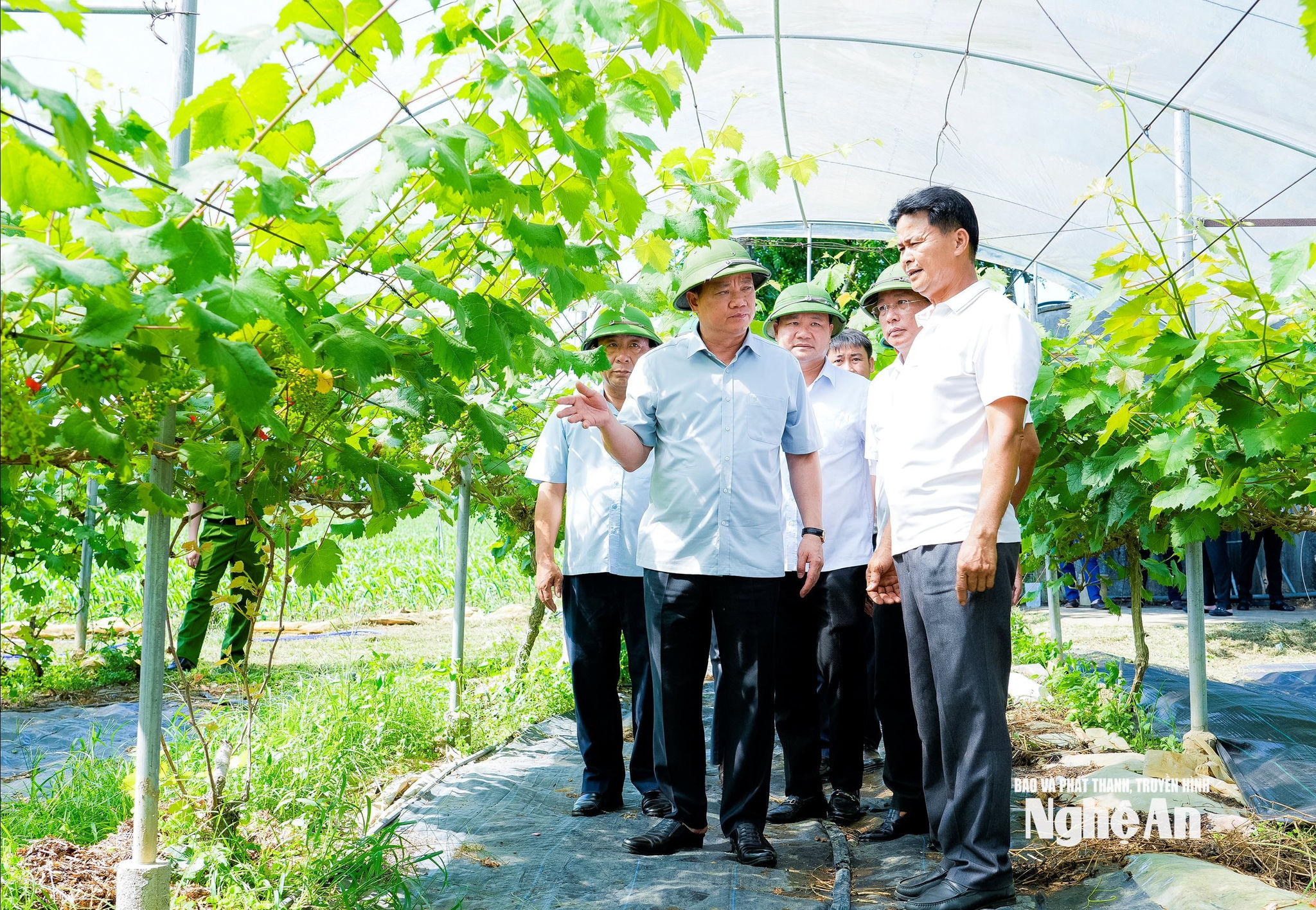
The province's resolution for the 2025-2030 term clearly states the goal: To strive to make Nghe An a relatively prosperous province in the country by 2030, a national-level growth pole, and a center of the North Central region for industry, high-tech agriculture, and logistics. To achieve this, Nghe An must strongly shift to a growth model that uses science, technology, and innovation as the core pillars in all sectors, providing a solid foundation for its economic strength. This is also the common path that the central government and other provinces are striving to implement.
Breakthrough agriculture: From a production-oriented mindset to a circular economy.
Although Nghe An's agriculture has achieved many remarkable results in recent years, it still faces numerous challenges from natural disasters, extreme weather, and development pressures in many mountainous communes. Therefore, the transformation of the economic structure and the increase in the scientific and technological content remain major concerns for the provincial leadership, industry leaders, and local authorities.
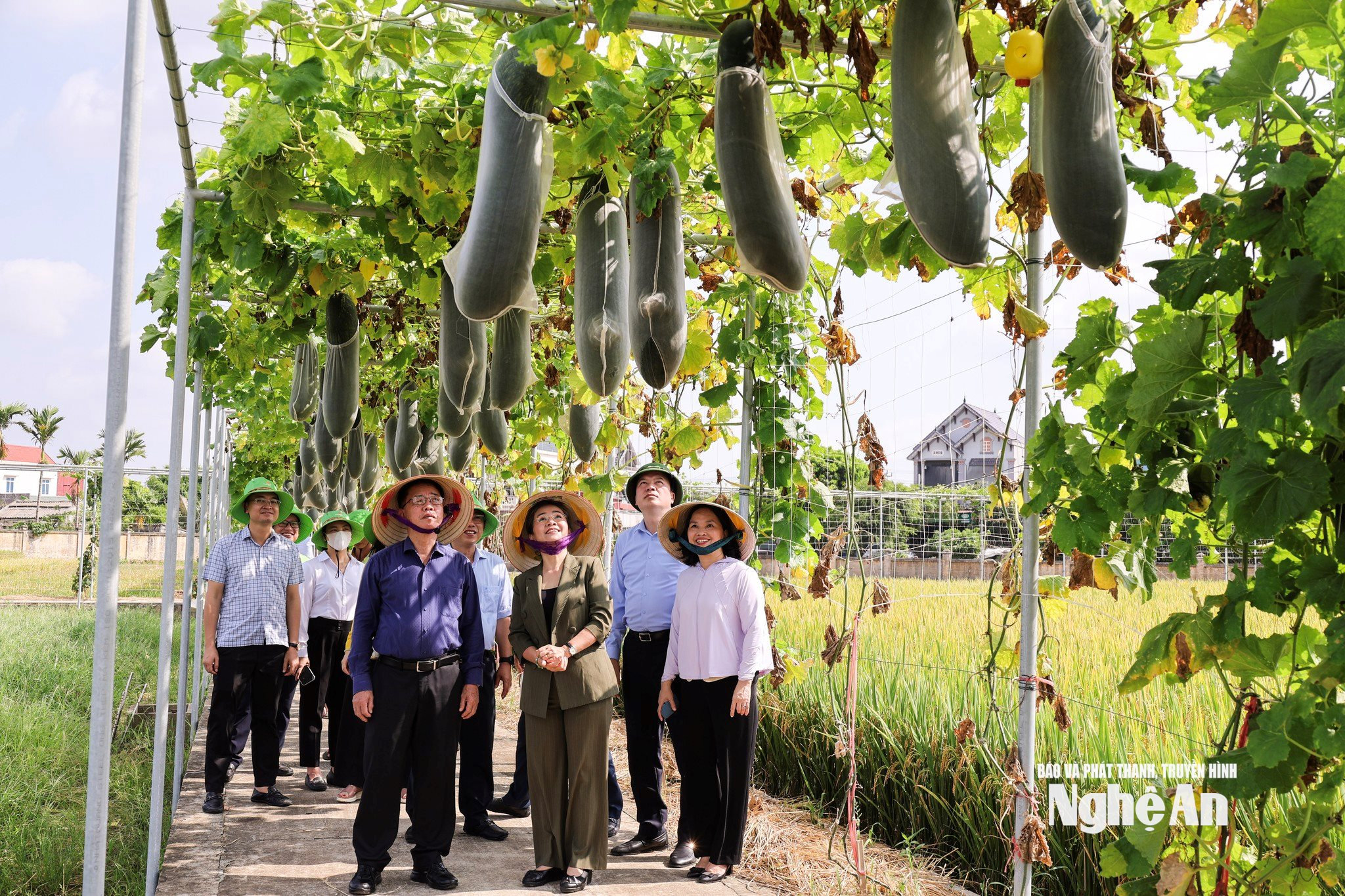
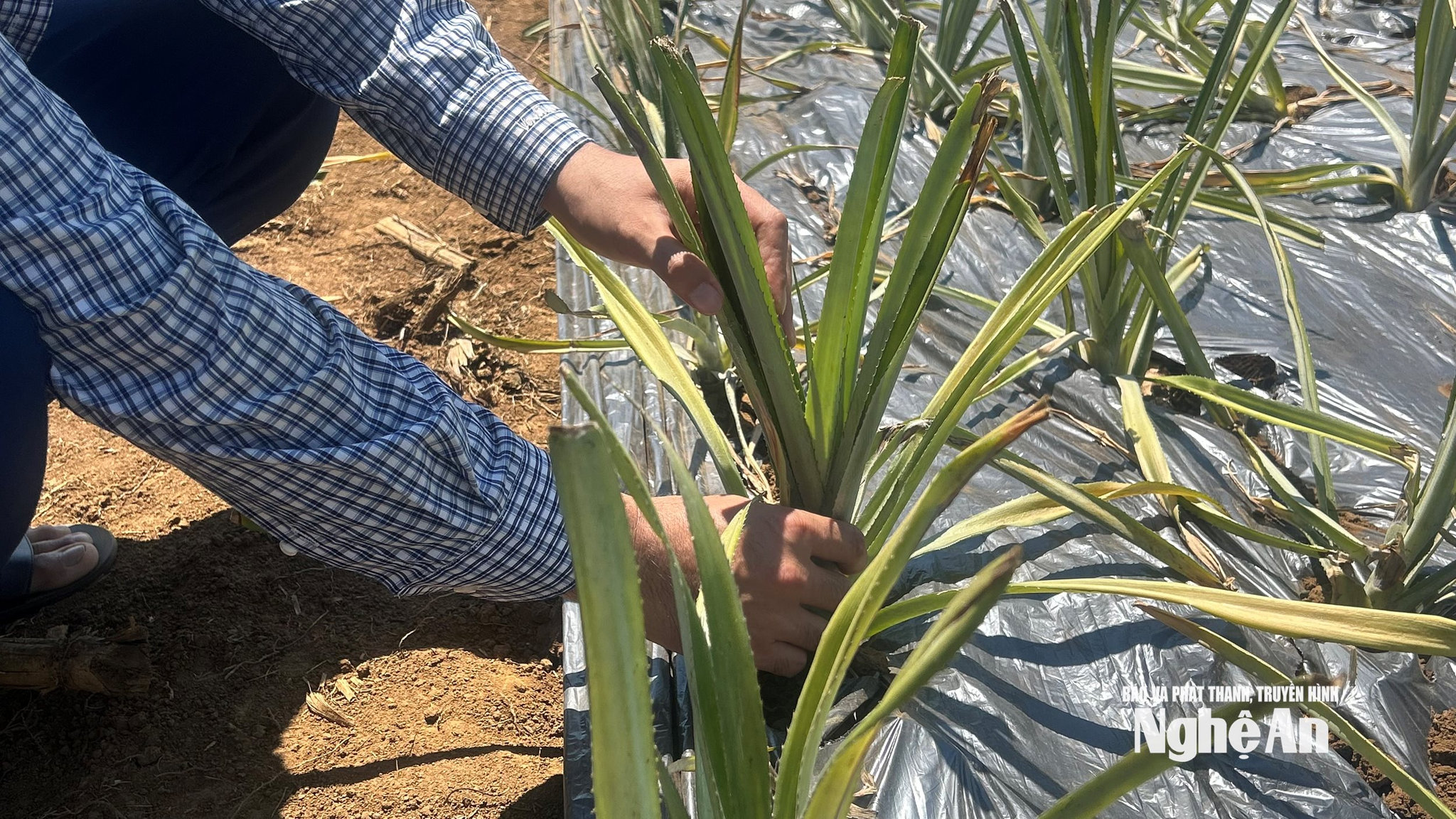
The Standing Committee of the Provincial Party Committee has directed the commencement of the Dong Giao Pineapple Processing Plant project (belonging to Dong Giao Pineapple Company) in the second quarter of 2026. Mr. Nguyen Van Hoi - Head of the Science and Technology Management Department, Nghe An Department of Agriculture and Environment, said that the unit has focused on supporting the investor in planning concentrated pineapple raw material areas, which have now reached an area of 145 hectares in key localities such as Giai Xuan, Quynh Thang, Quynh Tam, Tan An...
In Giai Xuan commune alone, 92 hectares of pineapple plantations have been completed, reaching 100% of the plan, with many hillsides covered in newly planted pineapples. The province has closely coordinated with businesses to supply seeds, transfer technology, and sign contracts to purchase the ripe pineapples at a guaranteed floor price of no less than 7,000 VND/kg.
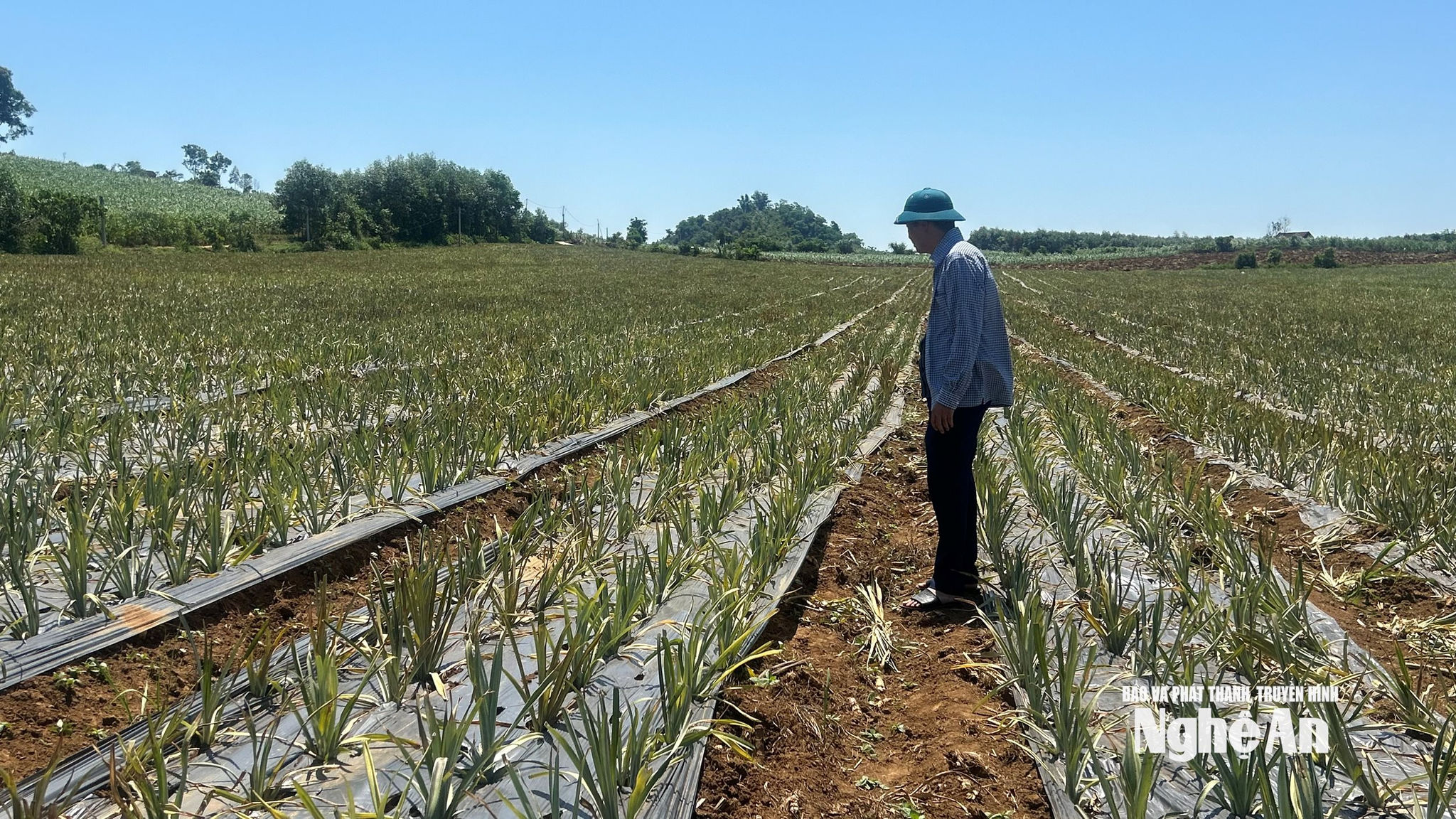
Comrade Nguyen Van De - Member of the Standing Committee of the Provincial Party Committee, Vice Chairman of the Provincial People's Committee, affirmed: "Nghe An's agriculture is strongly shifting from a 'agricultural production' mindset to an 'agricultural economy' mindset, investing in the application of higher levels of science and technology, creating a clear mark in the areas of organic production and circular economy. TH Group applies digital technology and the circular economy model, transforming by-products into resources, pioneering and leading the trend of sustainable green agriculture in the locality."
Besides TH Group and Nafoods Group, attracting Dong Giao Pineapple Company will help complete the deep processing capacity. The province has also issued policies to support agricultural development according to Resolution No. 34/2025/NQ-HĐND of the Provincial People's Council. Accordingly, pineapple cultivation receives support covering 80% of the cost of purchasing seedlings, 5,000,000 VND/ha for land preparation costs, and 3,500,000 VND/ha for plastic mulch.
In addition, value chains are continuing to be expanded in pig farming, shrimp farming, peanut cultivation, forestry and raw material chains (timber, acacia, bamboo, rattan), and even specialized medicinal plant chains in the Mekong Delta linked to tourism.
Circular economy thinking is increasingly being adopted by people and businesses. This shift is clearly demonstrated through the forest-based economic model, where the government allocates land and forests, establishes cooperatives, and signs contracts with deep processing units. Nghe An's agriculture is closely following the spirit of breakthrough development in science and technology as outlined in Resolution 57-NQ/TW of the Politburo.
The wave of investment attraction and high-tech industries: A foundation for growth.
Nghe An's economic development is a process of sustained accumulation over each stage. Looking back at 2021, the province's GRDP growth was only 6.31%. By 2024, the province had made a major breakthrough with a GRDP growth of 9.01%, and the size of its economy exceeded 216 trillion VND (ranking second in the North Central region).
This impressive transformation is expected to be further strengthened in 2025 with an estimated GRDP growth of 8.44% (ranking 13th nationwide). Overall, the 2024-2025 period will record the highest growth rate in the long cycle from 2011 to the present (averaging 6.6%). In 2025, the province is expected to attract nearly 43 trillion VND in new and increased capital (including 78 newly licensed projects and 59 projects with increased capital); FDI inflows alone are projected to reach approximately 1.02 billion USD.
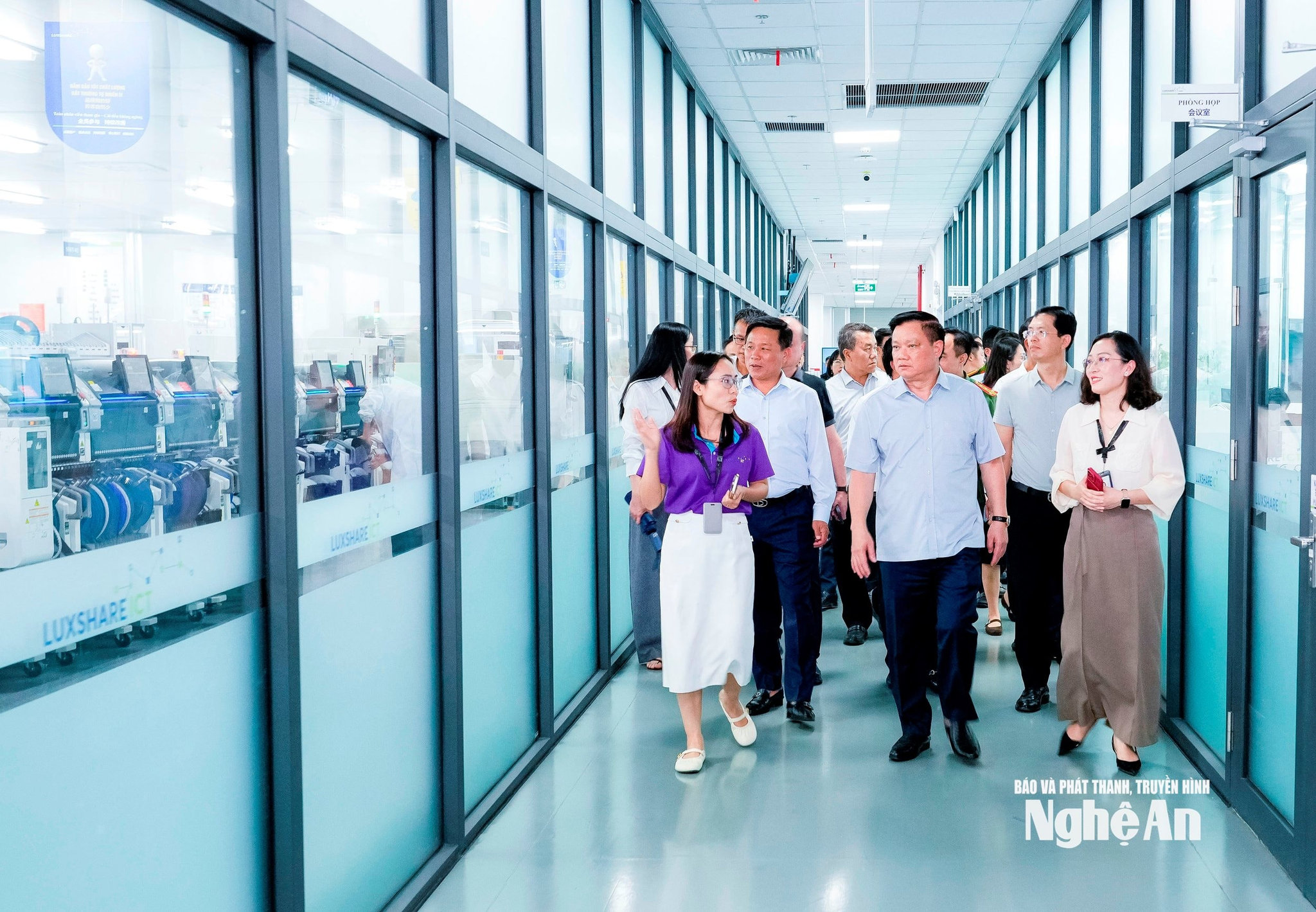
The real boom occurred in the first four months of 2026 when Nghe An leaped to second place nationwide in attracting investment. Total FDI reached over $2.2 billion, linked to strategic infrastructure projects such as the Quynh Lap LNG Thermal Power Plant. These figures speak for themselves, demonstrating a completely new mindset: Nghe An is no longer attracting investment simply to "fill the available land," but is instead carefully selecting large-scale projects that are driving forces in science and technology.
The Southeast Economic Zone, along with key industrial parks such as VSIP Nghe An and WHA Industrial Zone, is becoming an ideal destination for the global technology relocation wave. Nghe An's new industrial structure is firmly centered on three pillars: electronics, new materials, and clean energy. This high-quality industrial map is clearly defined by the ecosystem of leading global technology corporations. Luxshare - ICT Group plays a leading role in high-tech FDI at VSIP Nghe An Industrial Park, specializing in the production of electronic components and smart devices for the world's largest technology corporations. Luxshare's continuous expansion of production scale is creating a strong ripple effect on other supporting industrial enterprises.
The Goertek complex focuses on the production of electronic devices, multimedia audio equipment, and network equipment. With a total investment of approximately $500 million, it is one of the largest FDI projects in the province, playing a crucial role in positioning Nghe An's industrial brand in the international market.
Meanwhile, Runergy PV Technology Group specializes in producing single-crystal silicon ingots and semiconductor materials for the solar energy industry. This is considered a strategic "boost" paving the way for the semiconductor industry and new materials technology in the locality. The leader of Everwin Precision Group stated, "We focus on precision mechanics, electronic component manufacturing, and smart devices at VSIP Industrial Park, helping to complete a closed supply chain right within the province's industrial parks. However, we still have a great need for labor."
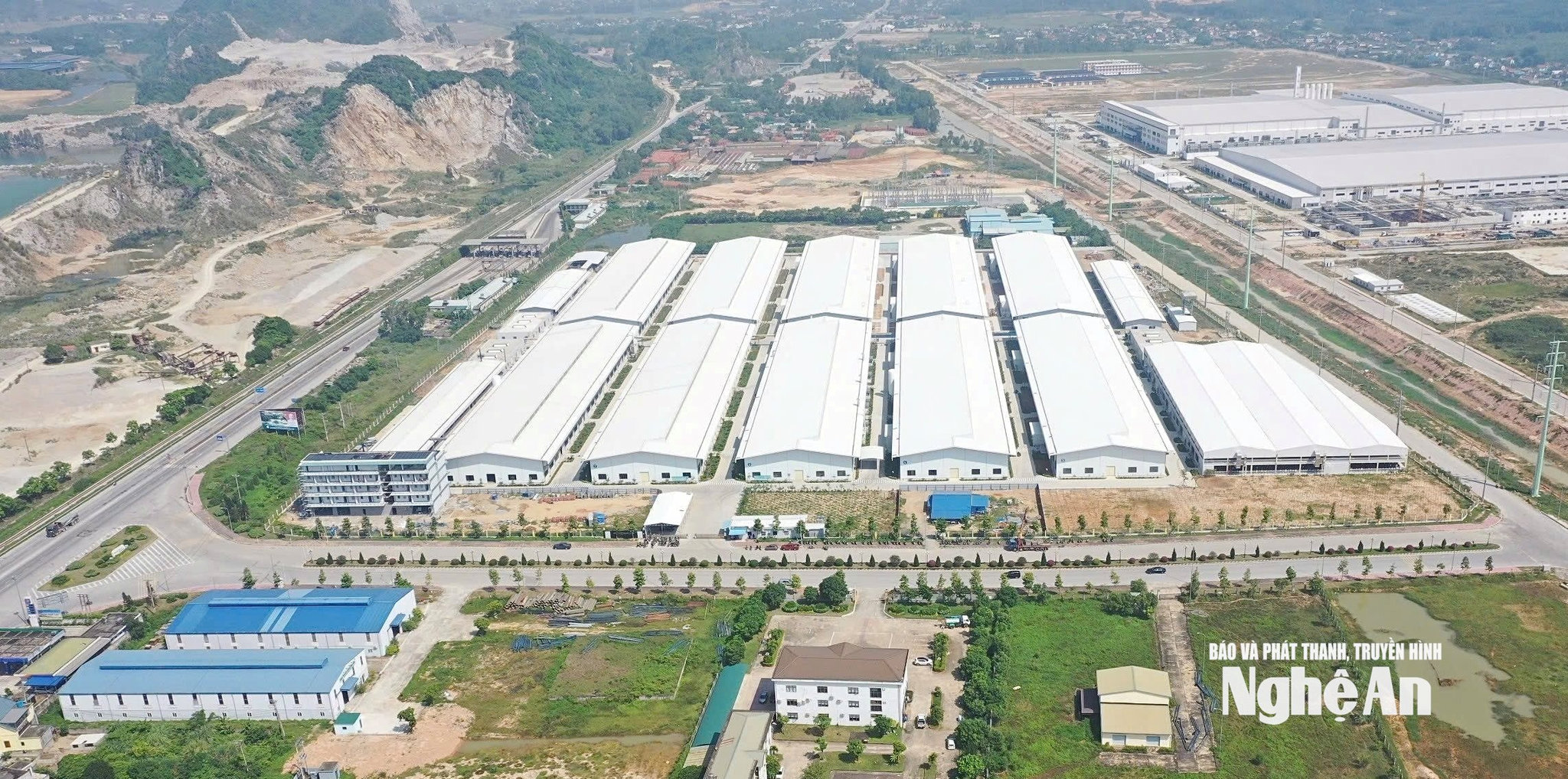
Despite achieving many significant accomplishments, the province frankly acknowledges that its inland industrial sector has not yet truly broken through. The supporting industries remain weak; the number of local businesses participating in the supply chains of FDI giants is still small; and the spillover effects from the FDI sector to the provincial economy are not yet commensurate. Furthermore, logistics services, port connectivity infrastructure, and a highly skilled workforce remain bottlenecks that the province is focusing its efforts on resolving.
Decisive action to unlock development resources.
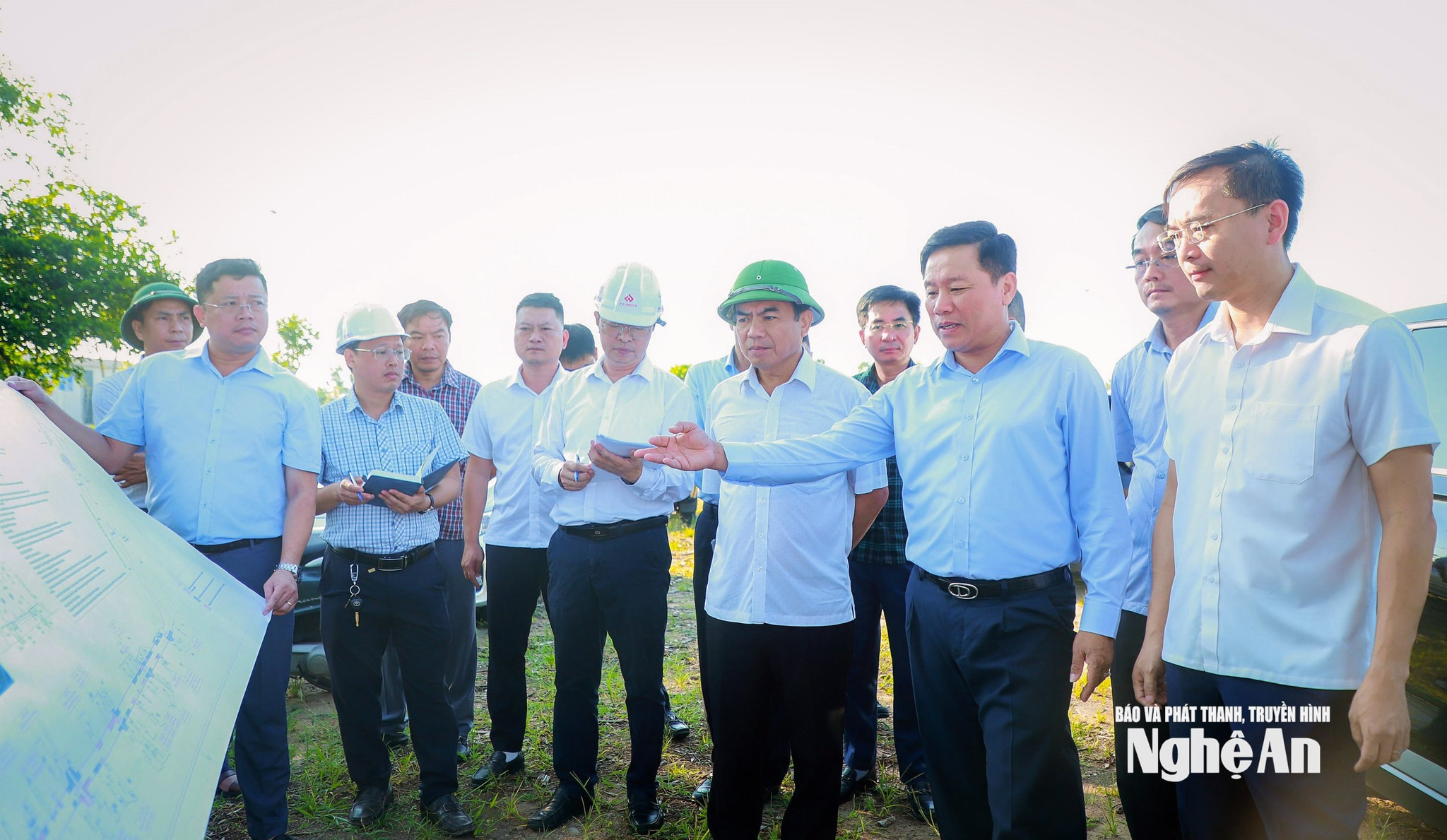
To maintain its position among the top provinces attracting investment and successfully achieve its growth model innovation goals, Nghe An is strongly reforming its leadership methods. The Standing Committee of the Provincial Party Committee and the leaders of the Provincial People's Committee regularly visit localities, directly establishing specialized working groups to conduct on-site inspections, monitor disbursement progress, and directly resolve difficulties and obstacles on the spot for projects.
The province is strictly applying the "6 clear principles," setting specific deadlines and assigning direct personal responsibility to each head of department, ending the practice of assigning general responsibility to the collective. With this spirit, the province is focusing its efforts on decisively resolving 33 long-standing and problematic projects before June 30, 2026.
Alongside tightening discipline, the locality is focusing all its efforts on completing strategic infrastructure systems, including: opening the Vinh - Thanh Thuy expressway, constructing the Cua Lo deep-water port, upgrading Vinh International Airport, and accelerating the progress of the large-scale Quynh Lap LNG gas-fired power plant project. Leveraging this synchronized infrastructure, the Southeast Economic Zone will continue to attract high-tech and selective clean energy FDI, prioritizing projects with technology transfer commitments to activate domestic potential and elevate local businesses. Simultaneously, the agricultural sector is being comprehensively digitized and greened according to a circular economy to increase added value after processing and meet export standards. The province is also focusing on training high-quality labor to meet the needs of businesses.
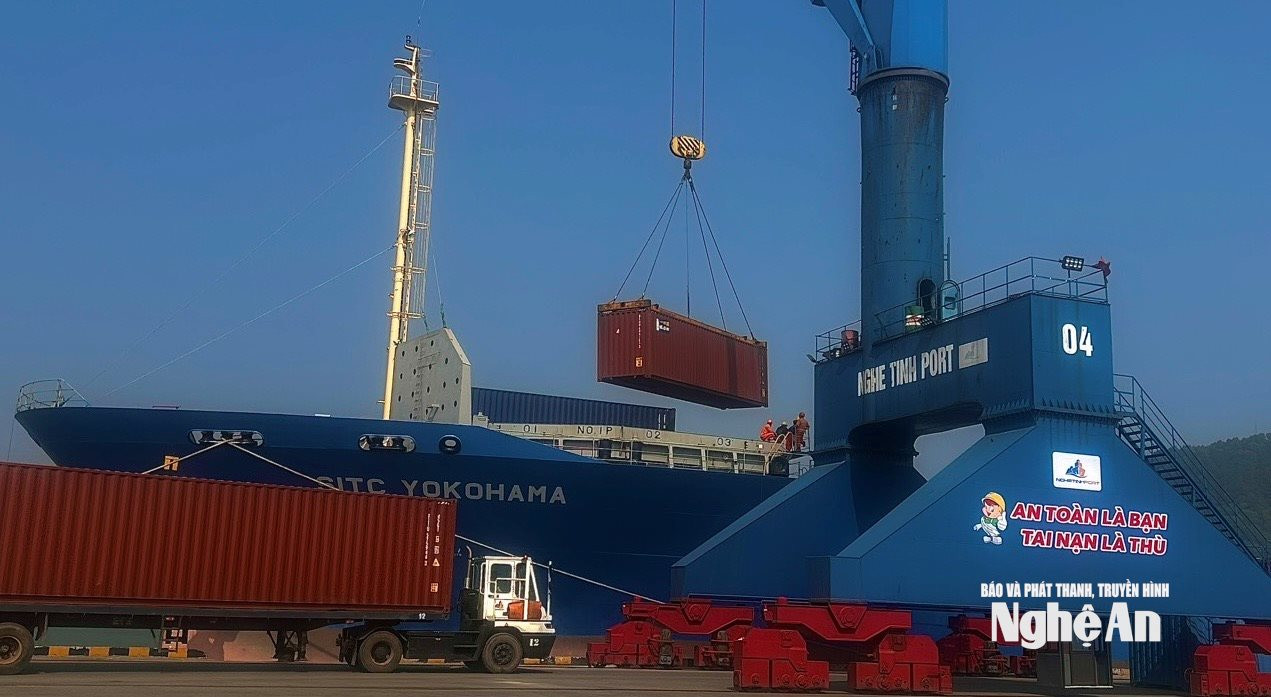
The synchronized combination of grassroots leadership, focused infrastructure investment, and rapid greening and digitalization demonstrates that Nghe An is genuinely transforming its growth model. By focusing on unlocking resources, optimizing supply chains, and clearly defining its role as a logistics hub in the North Central region, the province is gradually concretizing its goal of maintaining double-digit growth, aiming for national growth pole status by 2030.


