
Innovating leadership methods and building a strong Party are essential for comprehensive development.
To realize the aspiration of making Nghe An a national-level growth hub, Nghe An continues to put the Party's resolutions into practice through concrete actions, creating clear changes. In particular, strengthened Party building has contributed to promoting socio-economic development and consolidating the people's trust. Reporters from Nghe An Newspaper and Radio & Television had an interview with journalist Nguyen Bac Van - former Head of the Party Building Department, Nhan Dan Newspaper.
PV: To build a clean and strong Party and political system, what issues should Nghe An focus on, sir?
Journalist Nguyen Bac VanLike other localities, Nghe An has been implementing the program of putting the resolutions of the Party Congress at all levels into practice amidst many changes and fluctuations in the world and domestically. This is both a challenge and an opportunity for Party committees at all levels to be creative and create breakthroughs for the development of their localities.
Along with continuing to streamline the organization and apparatus, and implementing a local government that is closer to the people, for the people, and serves the people better, grassroots Party organizations in Nghe An have many tasks to do, which must be done systematically, synchronously, and decisively.
In my opinion, there are three major issues at hand: reforming leadership methods; personnel management; and national digital transformation.
First,Regarding the reform of leadership methods, Party committees at all levels have been implementing this for a long time with many aspects, but in my opinion, the focus this time should be on reforming the process of issuing resolutions and, especially, organizing the implementation of those resolutions.
Each resolution needs to definitively address a real-life issue, such as removing bottlenecks in mechanisms and policies to unlock all resources for the socio-economic development of the locality. For example, regarding the development of the private economy according to Resolution No. 68-NQ/TW dated May 4, 2025, of the Politburo; regarding regional linkages to exploit and multiply the strengths of each locality after mergers and consolidations, in which breakthroughs in infrastructure development, especially transportation infrastructure, are indispensable.
A resolution is not simply the will of the Party committee, but also a message with a new vision, imbued with the breath of life and the aspirations of the people; it must not only light the way, but also instill confidence and inspiration in the local Party committee, government, and people to act with concrete and effective solutions. As General Secretary and President To Lam pointed out, a resolution must have vision, scientific basis, practicality, feasibility, and viability; creating enthusiasm, trust, expectations, and motivation to drive action among cadres, Party members, economic sectors, businesses, and the people,...
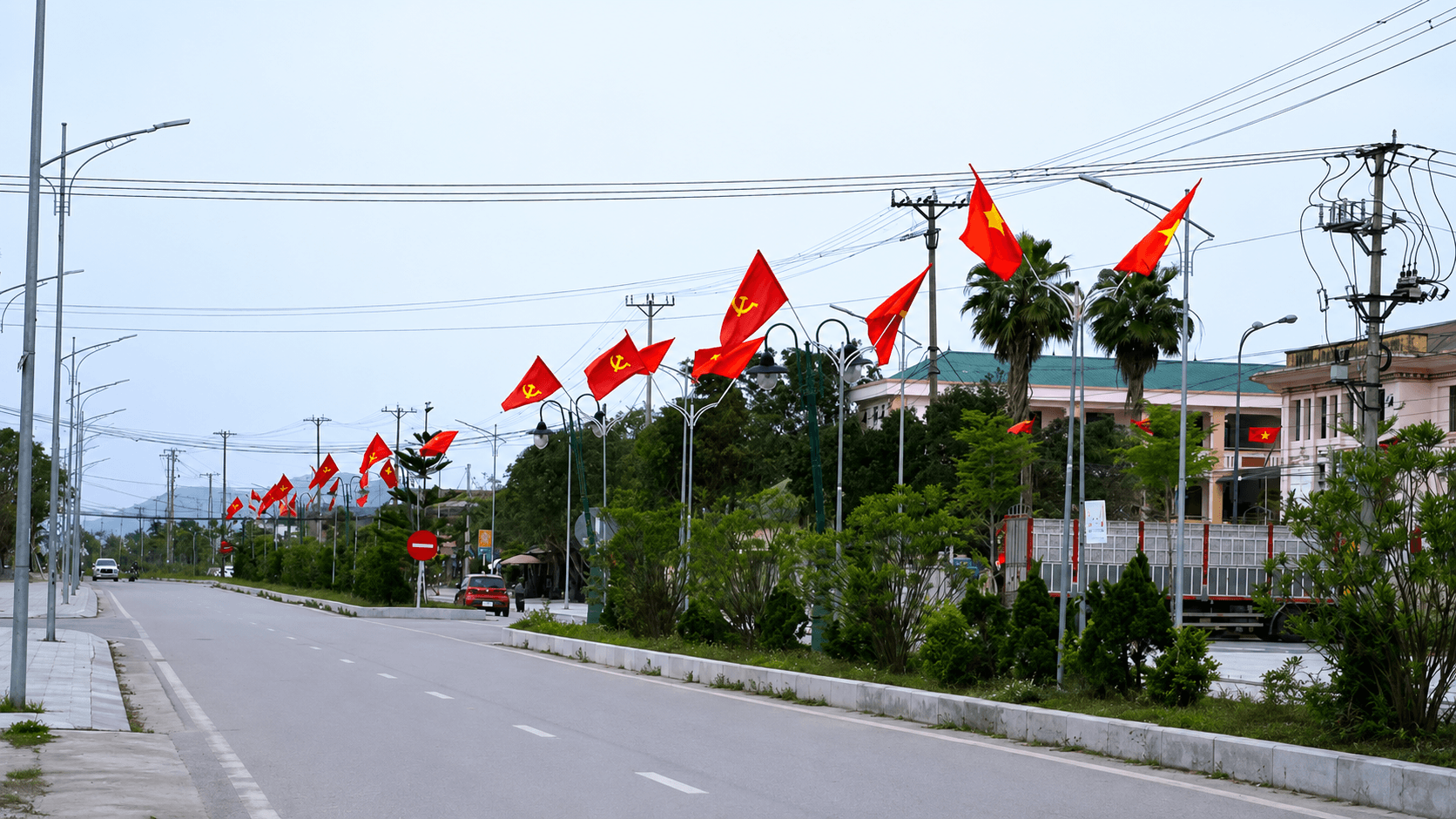
Closely linked to the innovation of Party committee leadership methods is the innovation of government administration, shifting strongly from management to serving the people, placing the people and businesses at the center. Only in this way can we encourage and inspire creativity, boldness, and a willingness to take risks in each citizen, each family, and each business to achieve legitimate wealth.
.png)
PV:Sir, reforming leadership methods is a huge issue. However, personnel management is equally crucial. So how can we effectively carry out this key task?
Journalist Nguyen Bac Van:This is the second issue I want to discuss. Whether the reform of leadership methods by Party committees at all levels is on the right track and successful depends on the capacity of the cadres. Therefore, we cannot ignore the comprehensive development and improvement of the quality of the cadre team, first and foremost at the grassroots level. Without doing this task well, everything else will be difficult to succeed, because as President Ho Chi Minh said, "All things succeed or fail depending on whether the cadres are good or bad"; "Cadres are the connecting link in the machine. If the connecting link is not good, if it doesn't run, then even if the engine is good and running, the whole machine will be paralyzed."
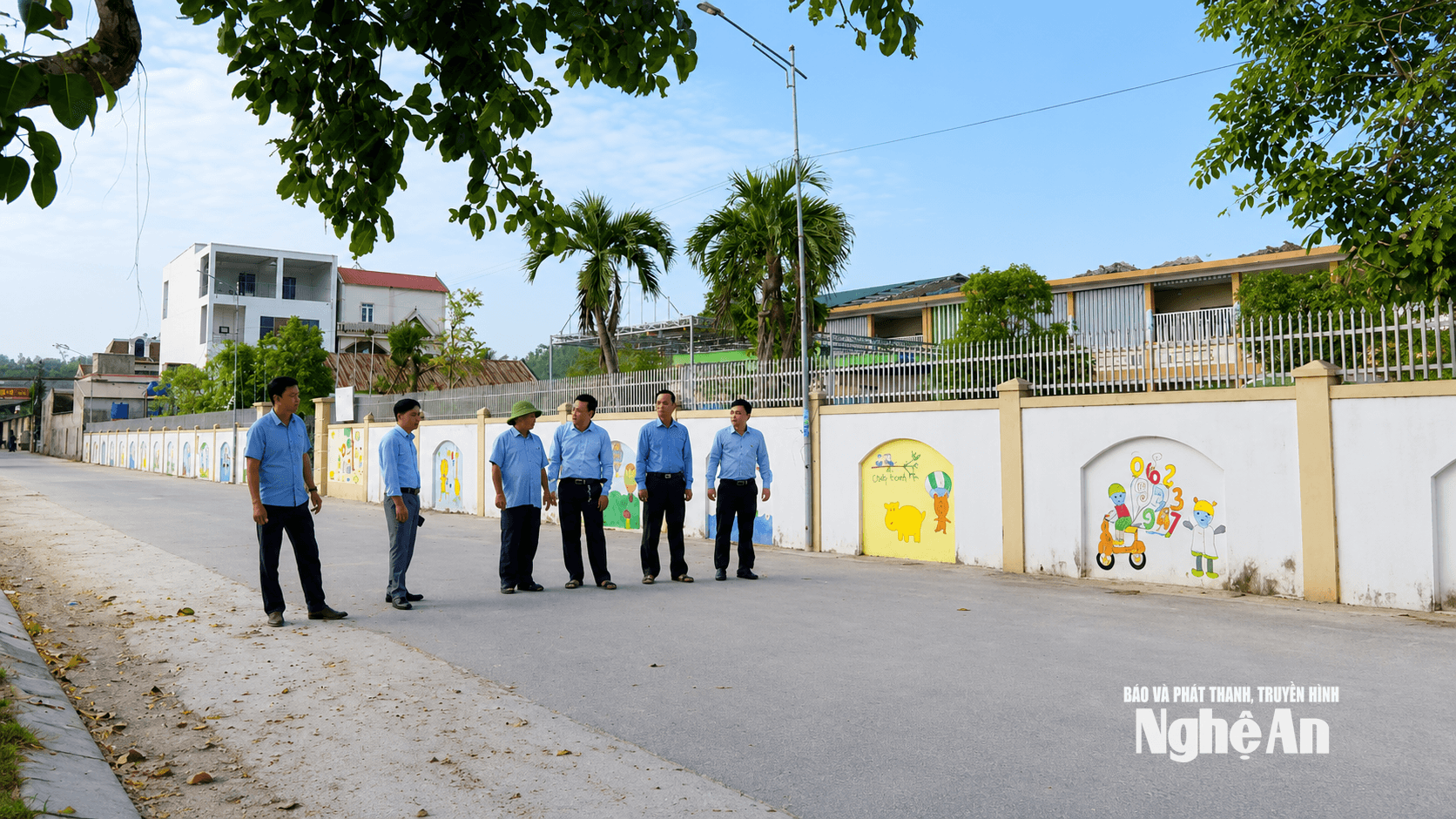
Meanwhile, the actual operation of the two-tiered local government apparatus over the past few months has revealed many problems at the commune level. Specifically, there is an overload of work, and the professional qualifications and work style of this staff have not yet adapted to the new organizational structure and have not met the requirements of their tasks.
With the abolition of the district level, commune-level officials must be more proactive and decisive in addressing daily issues; their areas of responsibility and responsibility are now larger, and the demands of the job are higher. In the immediate future, it is necessary to review, consolidate, and arrange officials in a truly rational manner, in accordance with the principle of finding the right person for the job; ensuring the smooth, effective, and efficient operation of the organizational structure according to the motto "new must be better than old, words must match actions, unity and solidarity for serving the people," without interrupting public service activities or neglecting tasks, as stated in Conclusion No. 195-KL/TW dated September 26, 2025, of the Politburo and Secretariat.
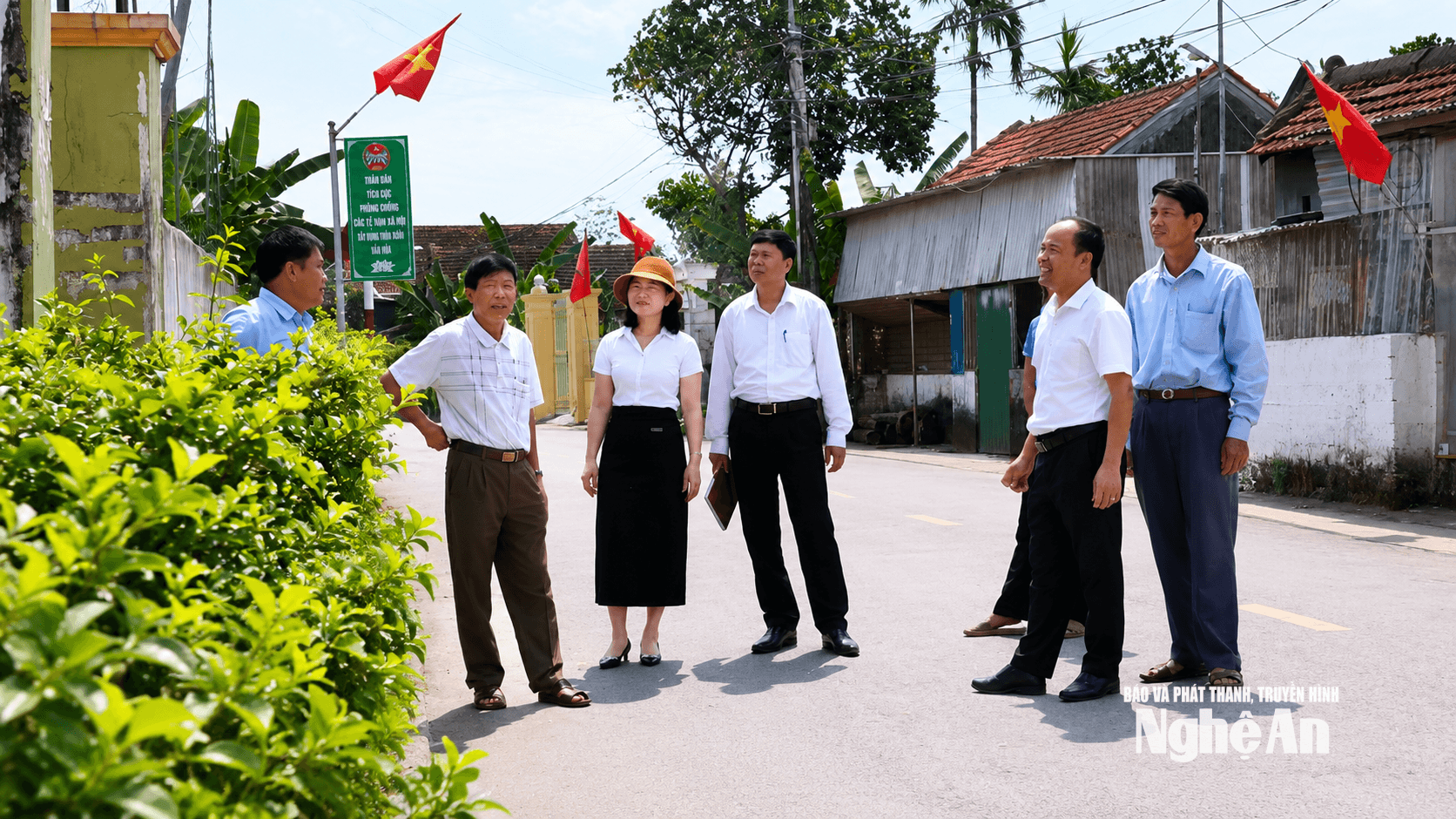
In the long term, following the congress, there needs to be a comprehensive program for training commune-level officials in all aspects, encompassing professional skills, technology, leadership, organization, administration, and socio-economic management. Simultaneously, we must have a recruitment mechanism and comprehensively reform the policy on personnel utilization to meet the requirements of the next term, creating momentum for building a workforce at all levels that is suitable to the characteristics, nature, and operation of the two-tiered local government apparatus in subsequent terms.
PV:As you mentioned, we are advocating for a government that is closer to the people, more responsive to their needs, and serves them better. So, what needs to be done to achieve this goal?
Journalist Nguyen Bac Van:In my opinion, one of the best ways is to promote the application of technology and national digital transformation, especially in resolving administrative procedures, reducing inconvenience for citizens and businesses, and building an e-government. This is also the third point I mentioned that needs attention.
Accordingly, all levels and sectors need to thoroughly understand and effectively implement Resolution No. 57-NQ/TW dated December 22, 2024, of the Politburo on breakthroughs in the development of science, technology, innovation, and national digital transformation.
The people have high expectations for this major initiative. However, in reality, many issues remain to be addressed, such as building digital technology infrastructure, training and improving the technological skills of officials, including leaders, managers, and specialists; and updating basic technological knowledge for the people. Therefore, we must prioritize investment in many areas simultaneously, from human resources to material resources, all in a coordinated manner.
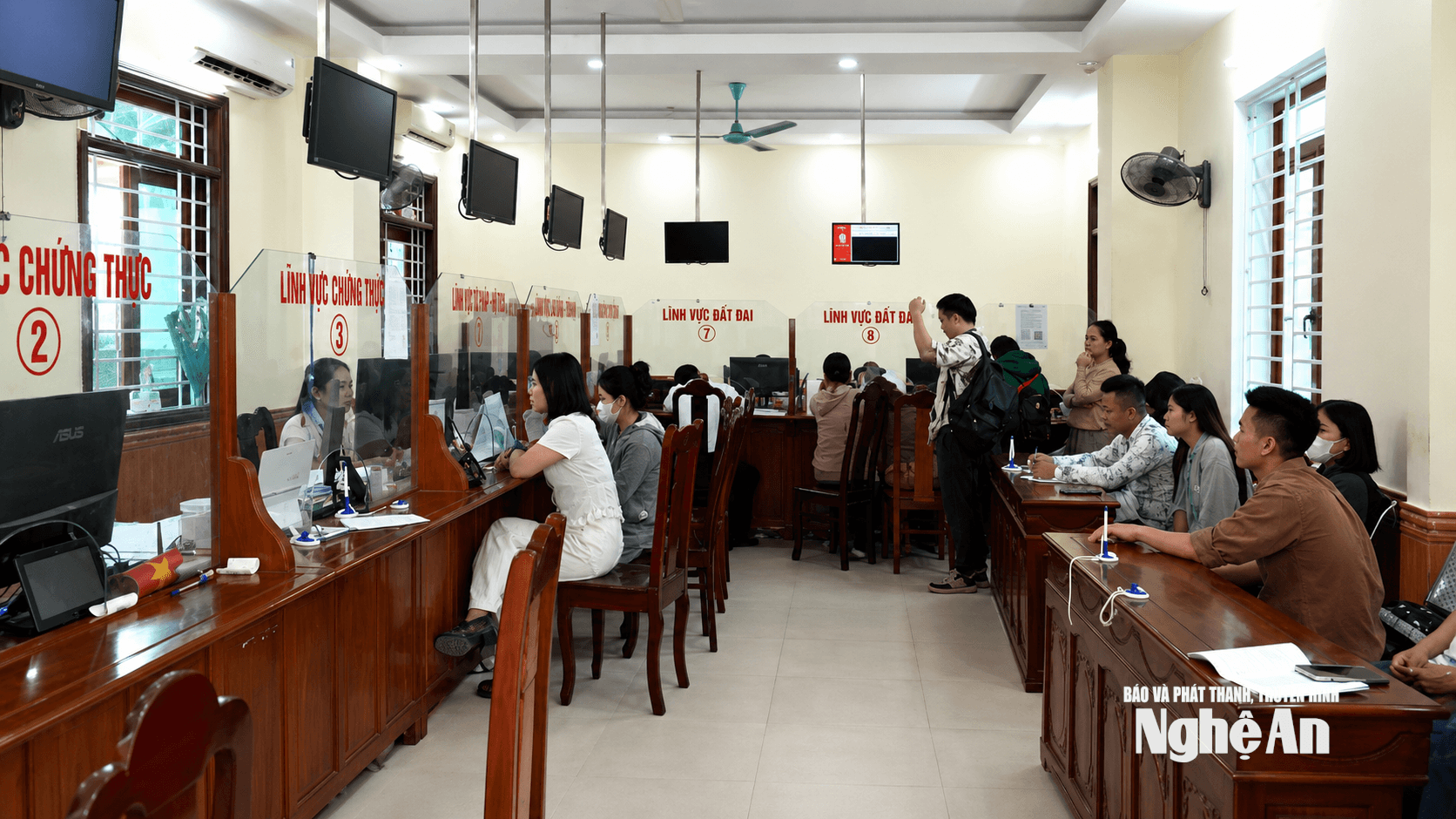
Only in this way can the national digital technology revolution be realized, and this is the soul for promoting administrative reform towards better serving the people. This is the most important measure for people to strengthen their trust in the Party and the government at all levels, creating momentum to promote the process of putting the Party's resolutions into life, gradually moving towards the goal of a prosperous people, a strong nation, democracy, fairness, and civilization.
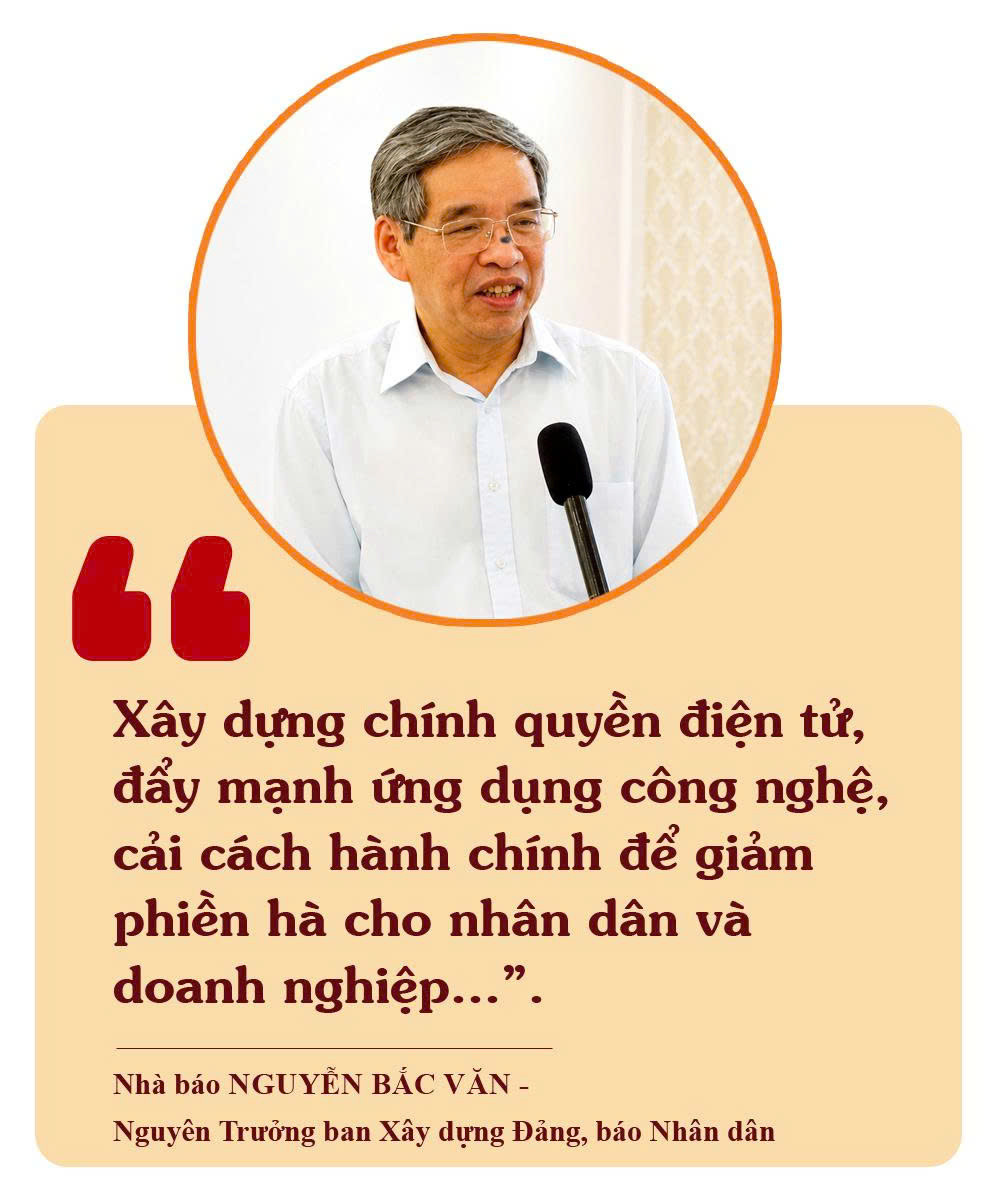
The practical experience of over 95 years of the Party's existence, especially the 40 years of reform, is proof that Party building has always played a key role and is the leading factor ensuring the success of the Party committee in realizing the Party's policies and guidelines.


