
Innovating the mindset for developing the cultural industry in Nghe An.
Possessing a rich heritage and unique cultural identity, Nghe An has many favorable conditions for developing the cultural industry – a sector identified as a new growth driver. However, to transform these advantages into real economic value, the locality needs to shift strongly from a purely "preservation" mindset to developing a "cultural economy," creating sustainable cultural products and markets.
Unlocking potential
In recent years, the cultural industry has been mentioned more frequently in cultural conferences and seminars in the province. Many experts believe that Nghe An does not lack cultural resources; the core issue lies in how to organize and exploit them to create products and markets.
In fact, Nghe An possesses a "gold mine" of heritage with the Nghe Tinh folk singing tradition – a representative intangible cultural heritage of humanity, along with thousands of historical and revolutionary relics, a rich system of festivals, traditional craft villages, and the brand of "the homeland of President Ho Chi Minh". These are unique cultural advantages that not every locality has.

Tourism – a crucial component of the cultural industry – shows significant potential for development. In 2024, Nghe An welcomed over 9.45 million tourists, generating revenue of 28,569 billion VND, of which direct tourism revenue was approximately 11,160 billion VND. In 2025, despite the impact of natural disasters and competition from other destinations, the province is expected to welcome around 9.9 million visitors; with over 6.22 million overnight stays and approximately 135,000 international visitors. Total tourism revenue is projected at 30,601 billion VND, with direct tourism revenue estimated at around 11,921 billion VND.
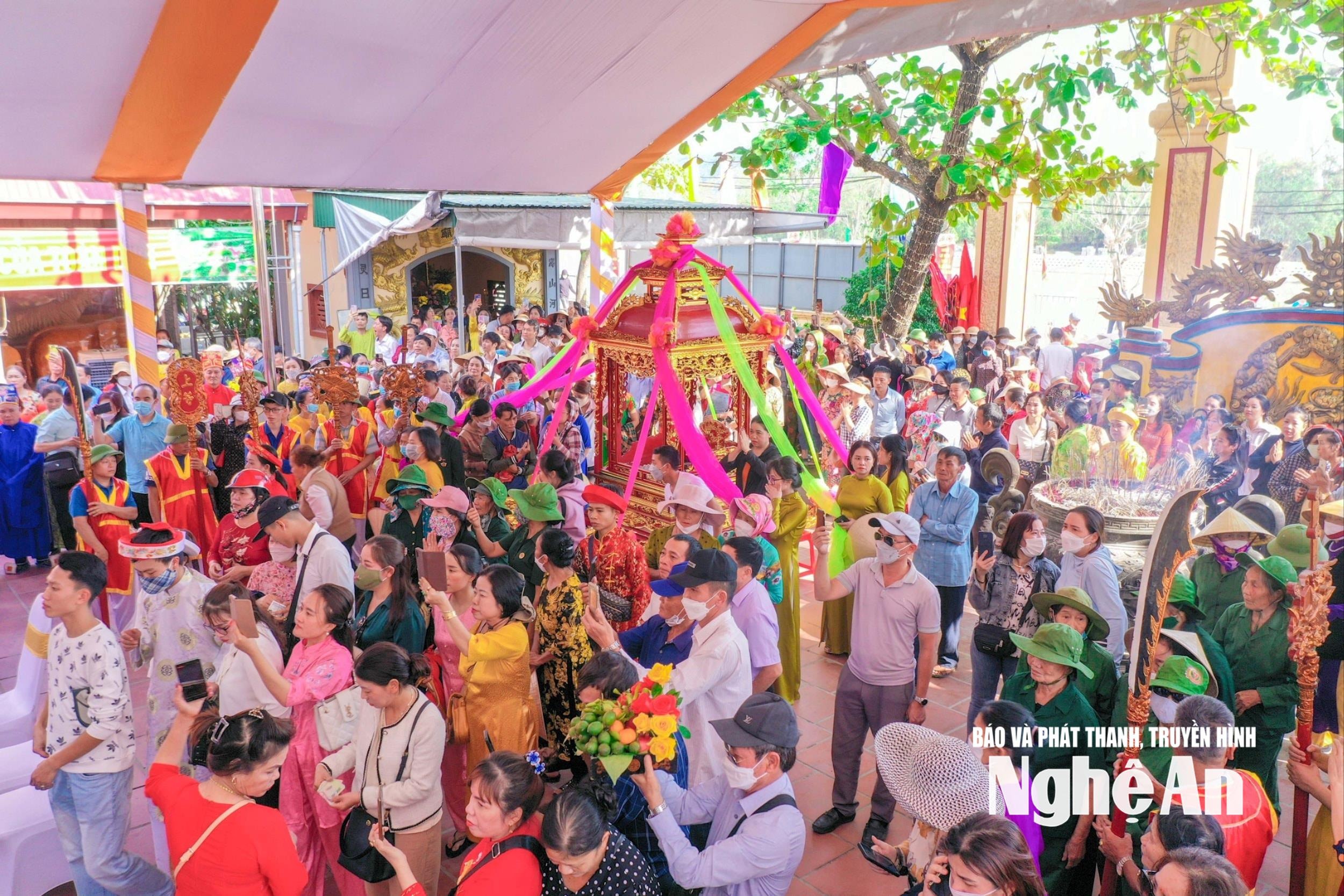
These figures demonstrate the appeal of cultural and spiritual tourism products, festivals, and local experiences, and reflect the increasingly prominent role of tourism in the cultural industry value chain.
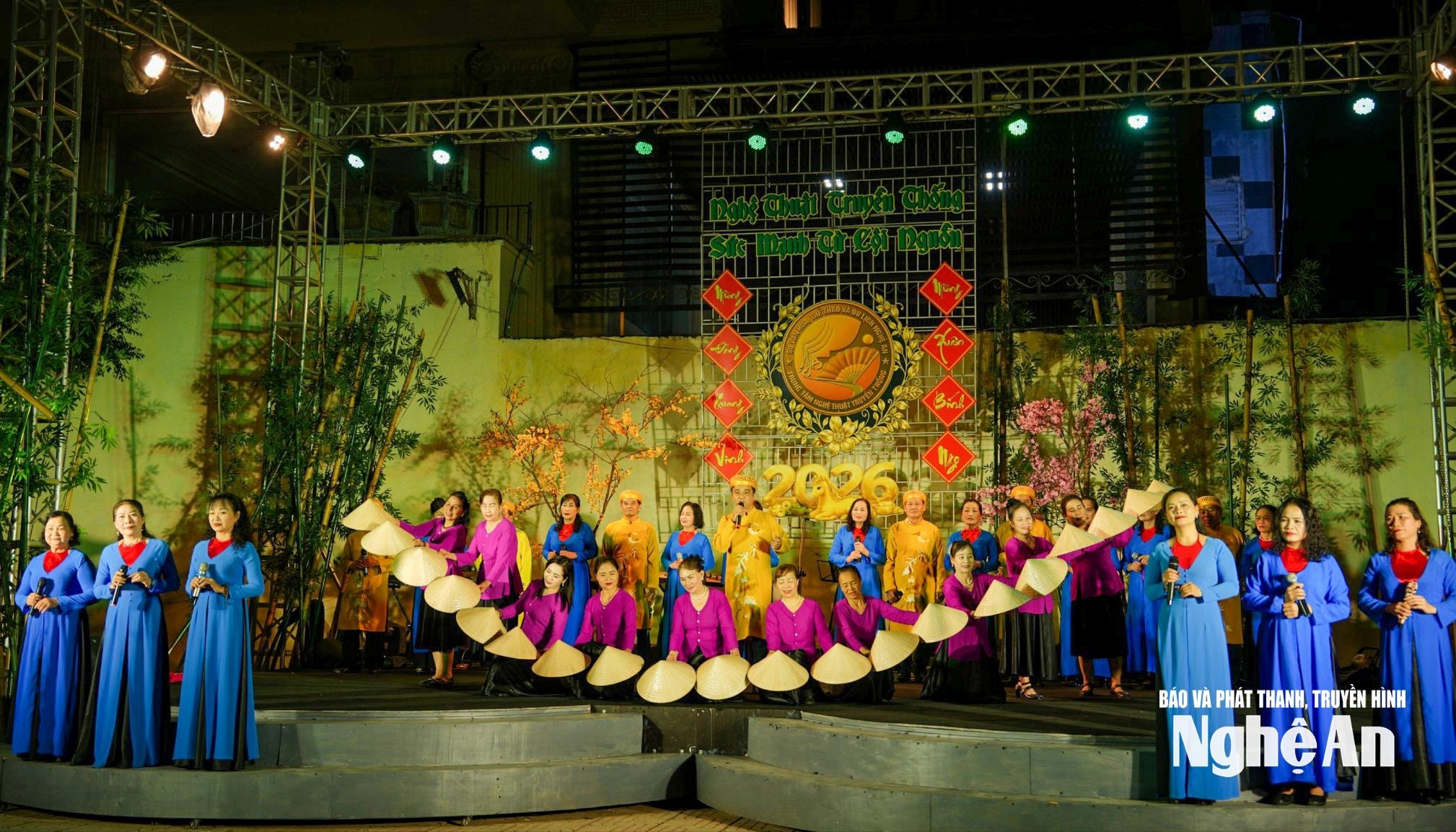
However, according to Mr. Nguyen Huu Bac – Director of Phuc Group Tourism Company, cultural experience products in Nghe An are still not truly in-depth. Tourists visiting Nghe An are very interested in cultural elements, but after visiting the Kim Lien National Special Historical Site, they often do not extend their stay because there are no additional art programs or cultural spaces at night. If high-quality folk singing performances were organized regularly, businesses would be very willing to include them in tours.
In the performing arts sector, despite having a dedicated team of artists, activities still rely primarily on state funding.
Mr. Tran Quoc Chung, Director of the Provincial Center for Arts and Media, stated that, as the core unit in preserving and performing the Vi and Giam folk songs, the center is always striving to find ways to bring this heritage out of the purely conservation space and transform it into an art product capable of selling tickets and serving the market. However, achieving this requires investment resources and appropriate mechanisms.
In reality, the cultural industry in Nghe An has not yet developed to its full potential. Investment in the cultural and sports sectors is scattered; many cultural institutions are dilapidated or lack uniformity; and the level of social participation remains limited. Furthermore, the majority of cultural management personnel are trained in administrative roles and are not yet familiar with creative economic thinking and market mechanisms.
A notable bottleneck is the lack of creative infrastructure. In central urban areas such as the wards of the former Vinh City and Cua Lo, there are still no large-scale creative spaces, art complexes, or event centers to serve as hubs for the creative community and businesses. Souvenir products associated with heritage are monotonous, lacking design and brand storytelling; the advertising, media, and digital content production sectors are fragmented, and there are no businesses strong enough to lead the market. When infrastructure is not synchronized and the value chain is incomplete, the potential of heritage, however rich, is difficult to transform into sustainable economic value.
Neededstructural thinking development
After one year of merging the Department of Culture and Sports with the Department of Tourism,Department of Culture, Sports and TourismAs a result, state management of culture and tourism has been unified under a single authority, contributing to reduced overlap and increased consistency in planning, event organization, and destination promotion.
Integrating these fields creates a crucial foundation for the interdisciplinary development of the cultural industry, where conservation, performance, festivals, promotion, and tourism development are placed within a single value strategy. This is seen as a shift from a fragmented management mindset to an organized chain of cultural products and services linked to the market.
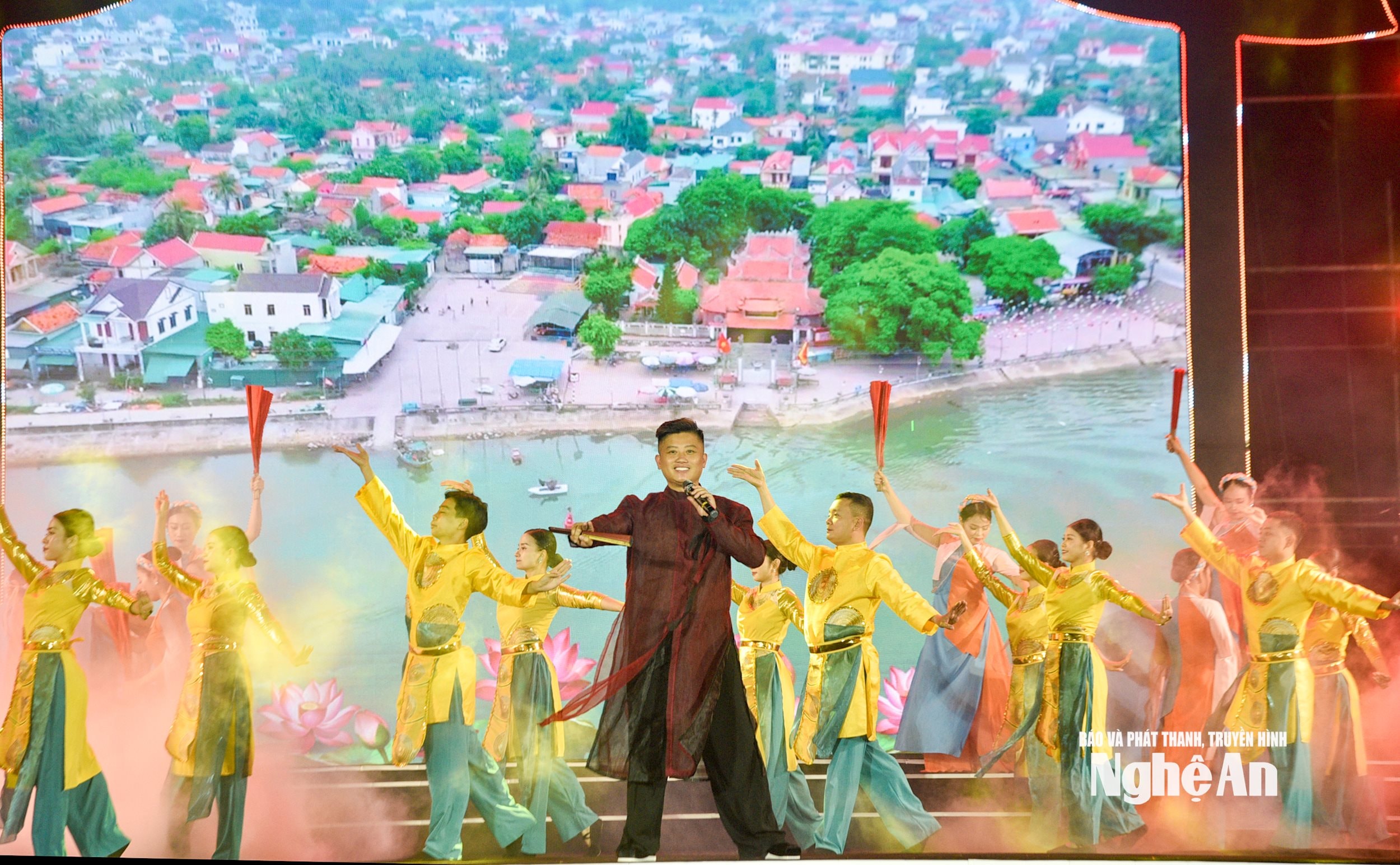
The two-tiered (provincial-commune) model of local government organization also creates new requirements for enhancing the role of the grassroots level in the preservation and promotion of heritage values. By reducing intermediate levels, many cultural initiatives from the grassroots can be implemented more quickly and flexibly, linked to the practical needs of the community. This also creates conditions for localities to proactively develop distinctive cultural products and gradually participate in the province's cultural industry value chain.
Nghe An possesses vast cultural resources, ranging from historical sites and folk songs to the unique identity of its people. The challenge lies in shifting from a "heritage management" mindset to a "cultural business" approach, thereby attracting investment and developing the cultural industry market.
Ms. Tran Thi My Hanh - Member of the Provincial Party Committee, Director of the Department of Culture, Sports and Tourism
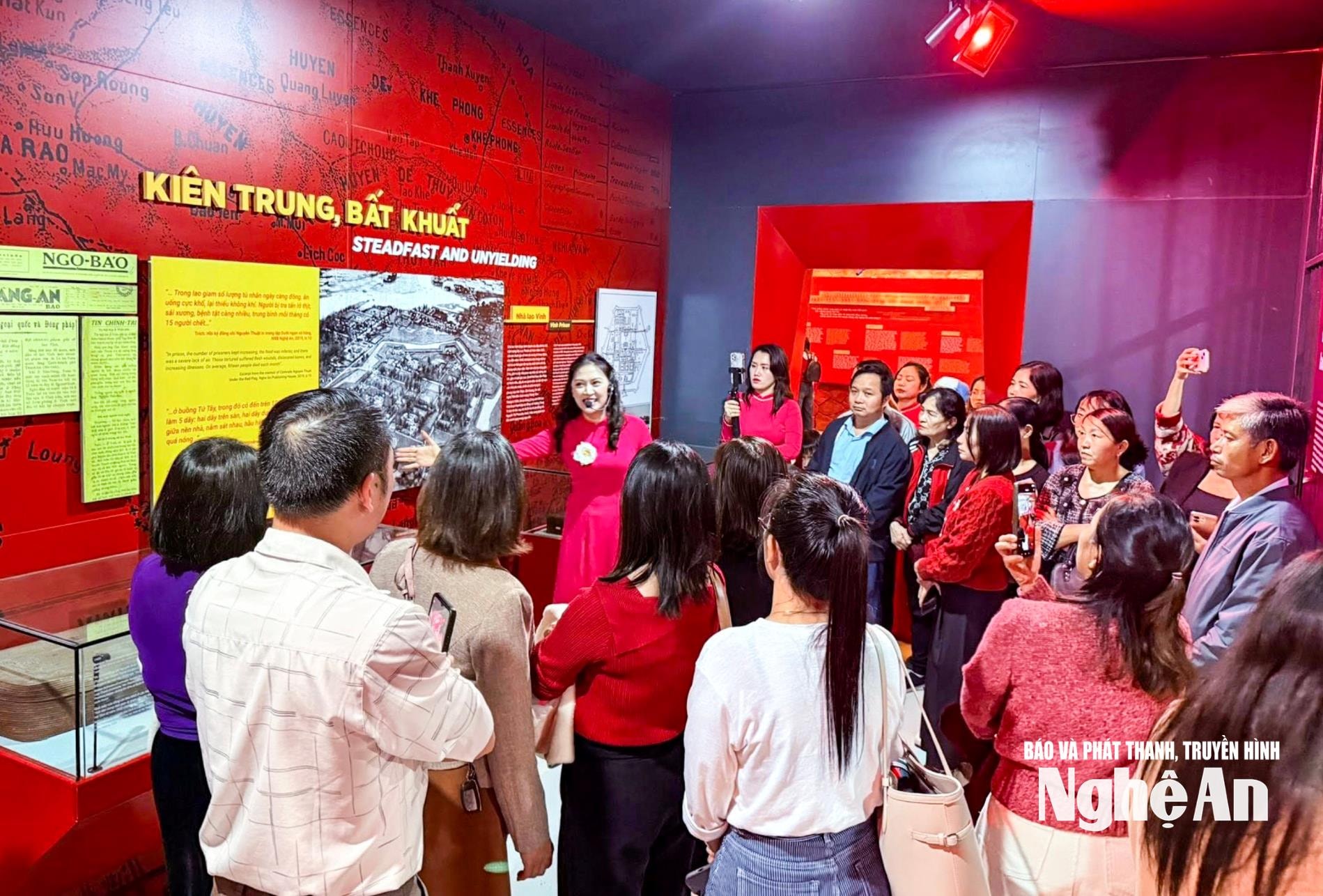
During the period 2021-2025, the province mobilized trillions of VND from social contributions to invest in and upgrade grassroots cultural and sports facilities. The Nghe An - Soviet Nghe Tinh Museum is gradually being developed into a key museum of the province; many historical sites have been restored and digitized; festivals and cultural events are organized more systematically; and the planning of outdoor advertising has also created conditions for the development of communication and cultural activities.
However, for the cultural industry to truly become an economic sector, Nghe An needs more strong and strategic steps.
Associate Professor, Dr. Tran Dinh Thien – former Director of the Vietnam Institute of Economics – believes that Nghe An needs to develop a plan for the development of the cultural industry until 2030, with a vision to 2045. In this plan, areas with advantages such as cultural and spiritual tourism, performing arts associated with folk songs and dances, festival industries, and creative products derived from heritage should be identified as key development directions.
According to experts, the strategy is only truly effective when accompanied by a sufficiently strong mechanism for implementation. The cultural industry is a highly interdisciplinary field, requiring synchronized coordination among economic sectors, planning and construction, education and training, science and technology, and media. Without clear incentive policies and a transparent investment environment, it will be very difficult to attract businesses to participate in high-risk areas such as performing arts, digital content production, or large-scale event organization.
Resolution No. 39-NQ/TW of the Politburo sets the goal of building Nghe An into a cultural center of the North Central region. Meanwhile, Resolution No. 80-NQ/TW identifies the development of the cultural industry as one of the pillars of sustainable national growth. These orientations show that the cultural industry is no longer a trendy choice but has become a strategic task linked to the requirement of enhancing the competitiveness of the locality.
With a streamlined administrative apparatus and clear strategic direction from the central to local levels, the remaining issue is to concretize it through mechanisms, policies, and decisive actions. If this is achieved, Nghe An can completely transform its "soft resources" into real added value, turning heritage into products, products into markets, and markets into a driving force for sustainable growth.


