
Changes in Mon Son - a revolutionary historical site in western Nghe An province.
Visiting Mon Son commune (Con Cuong district) - the birthplace of the first Party branch in western Nghe An province - one can witness many positive changes. Many households have escaped poverty and become prosperous, considered "millionaires of the village".
Millionaires in the village
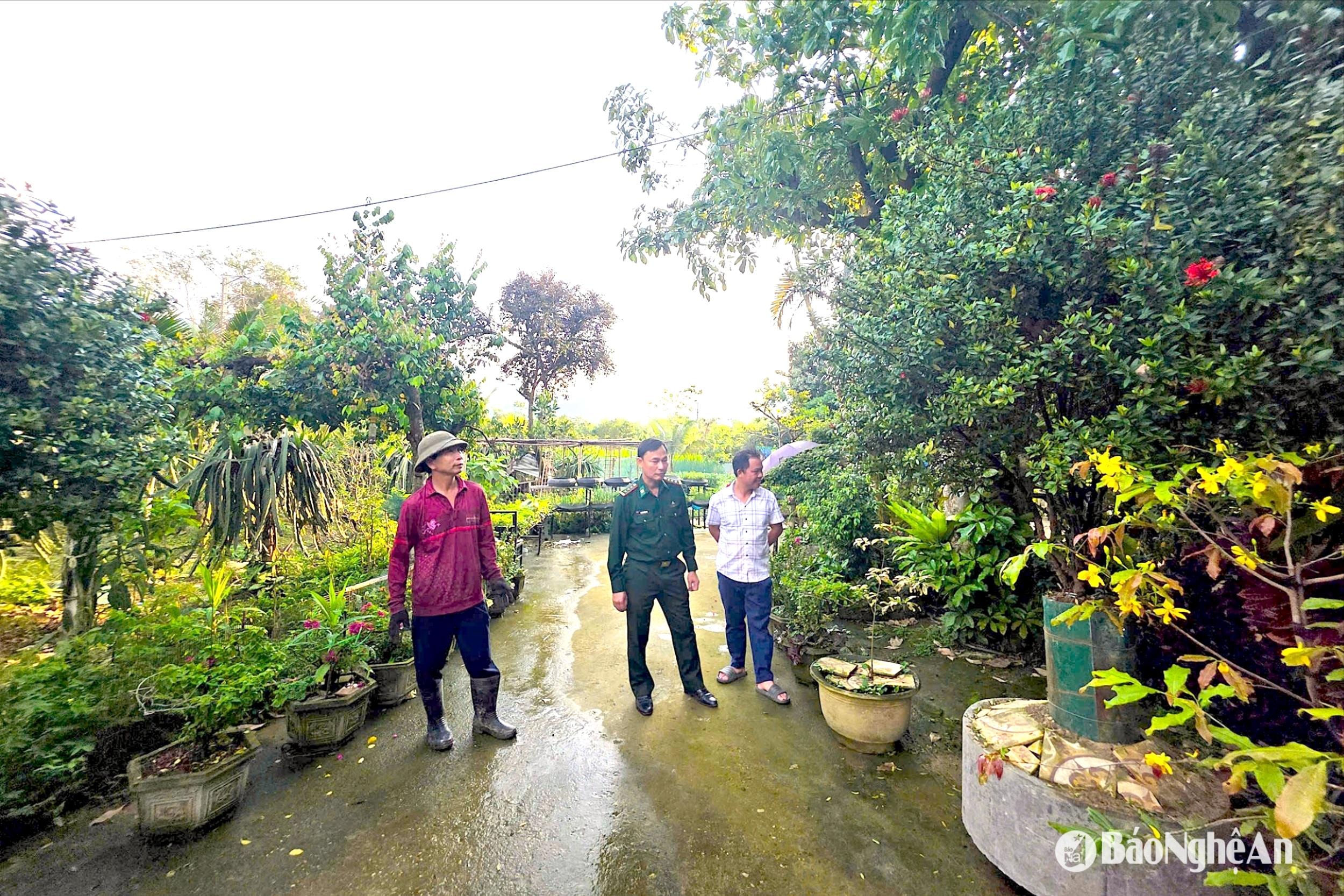
Located near the main road through Cua Rao village, Mon Son commune, Mr. Tran Dinh Nhan's garden is known by the villagers as "a beautiful garden, a diligent person." His house is surrounded by the lush greenery of trees and clean, well-organized livestock areas.
Each season brings Mr. Nhan hundreds of millions of dong in income annually from the fruits and vegetables in his garden and the livestock he raises.
The crops, such as dragon fruit, Thai jackfruit, and guava, along with the well-planned, neat, and clean livestock facilities, are well-maintained. Currently, he maintains a herd of over 20 goats, 4 cows, and nearly 10 pigs for meat.
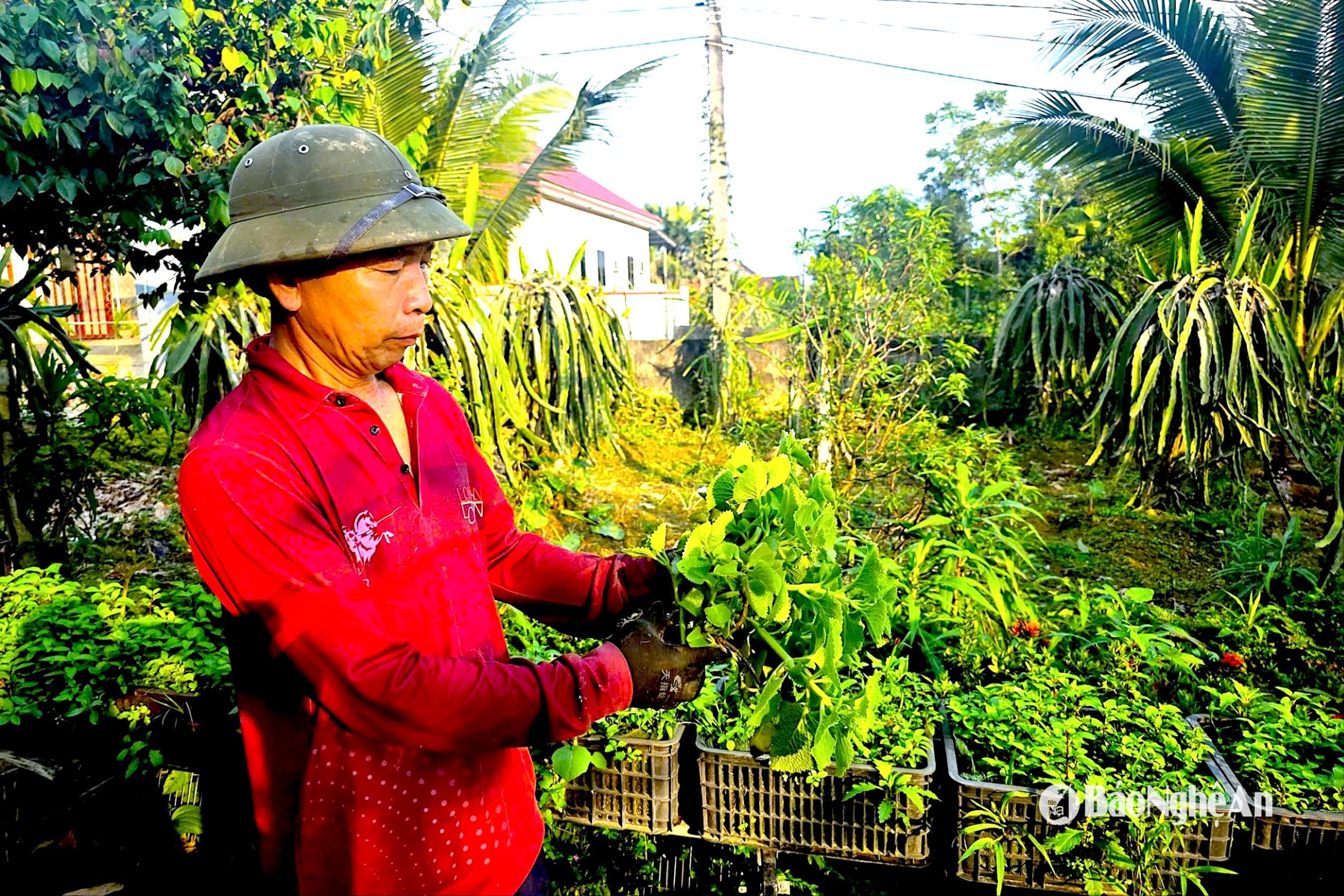
Mr. Tran Dinh Nhan also dedicates a corner of his garden to growing medicinal herbs and spices, both for his family's consumption and as a supplementary source of daily income.
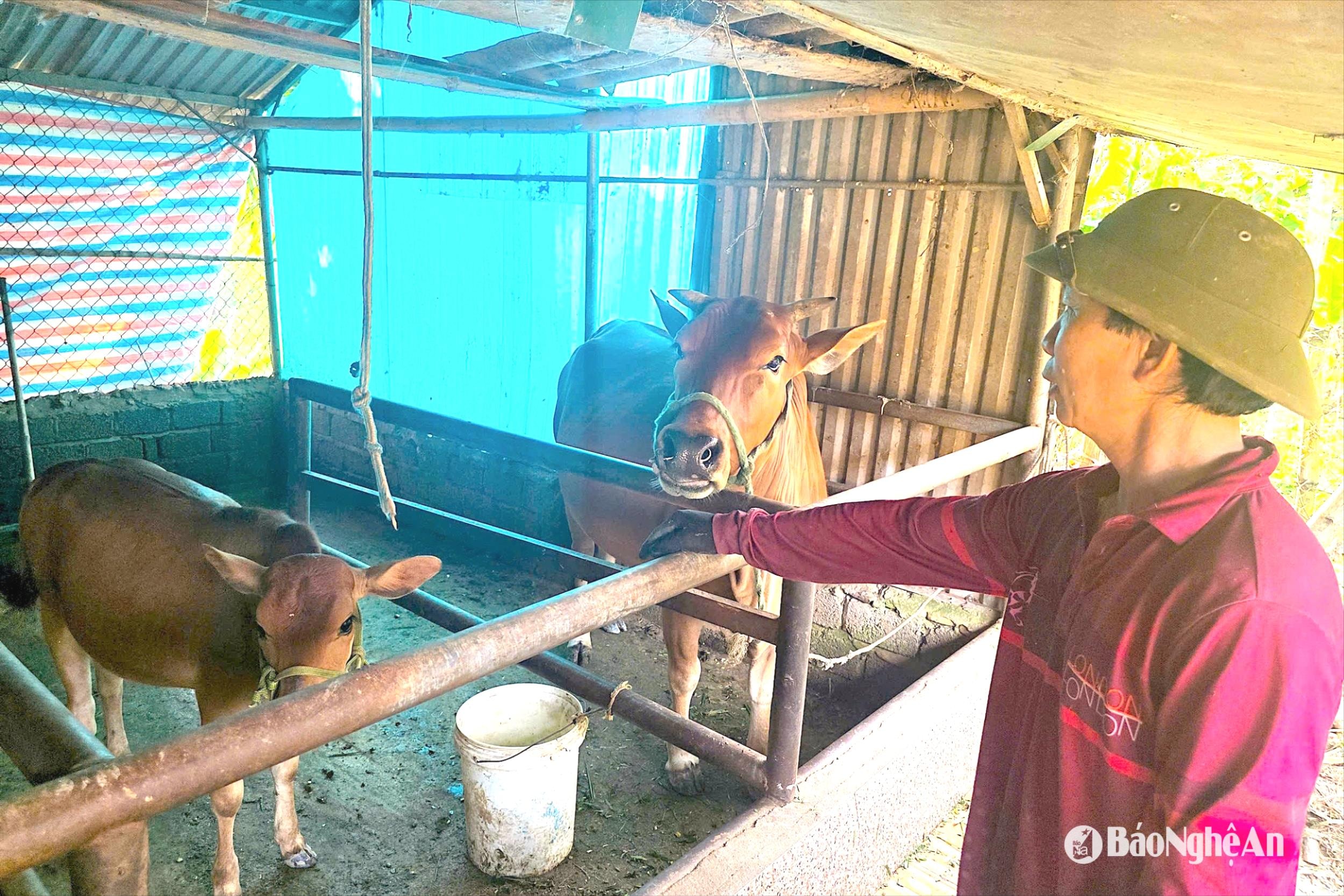
Mr. Ngan Van Thanh, Vice Chairman of the Farmers' Association of Mon Son commune, said that diligent and hardworking farmers like Mr. Tran Dinh Nhan are not uncommon. Developing family farms and large-scale farms is gradually becoming a sustainable direction, actively pursued by the people. Mon Son commune is seeing an increasing number of "village millionaires," who have escaped poverty and become wealthy through their own labor.
The state and the people work together.
Supporting the economic development of the people of Mon Son and Luc Da are humane policies, especially national target programs that support people in all aspects of life. These include many programs and projects on infrastructure construction, support for seedlings and livestock, housing construction for poor households, and house repairs for near-poor households… These supports serve as a leverage to help people escape poverty, work and produce with peace of mind, and build a prosperous life.
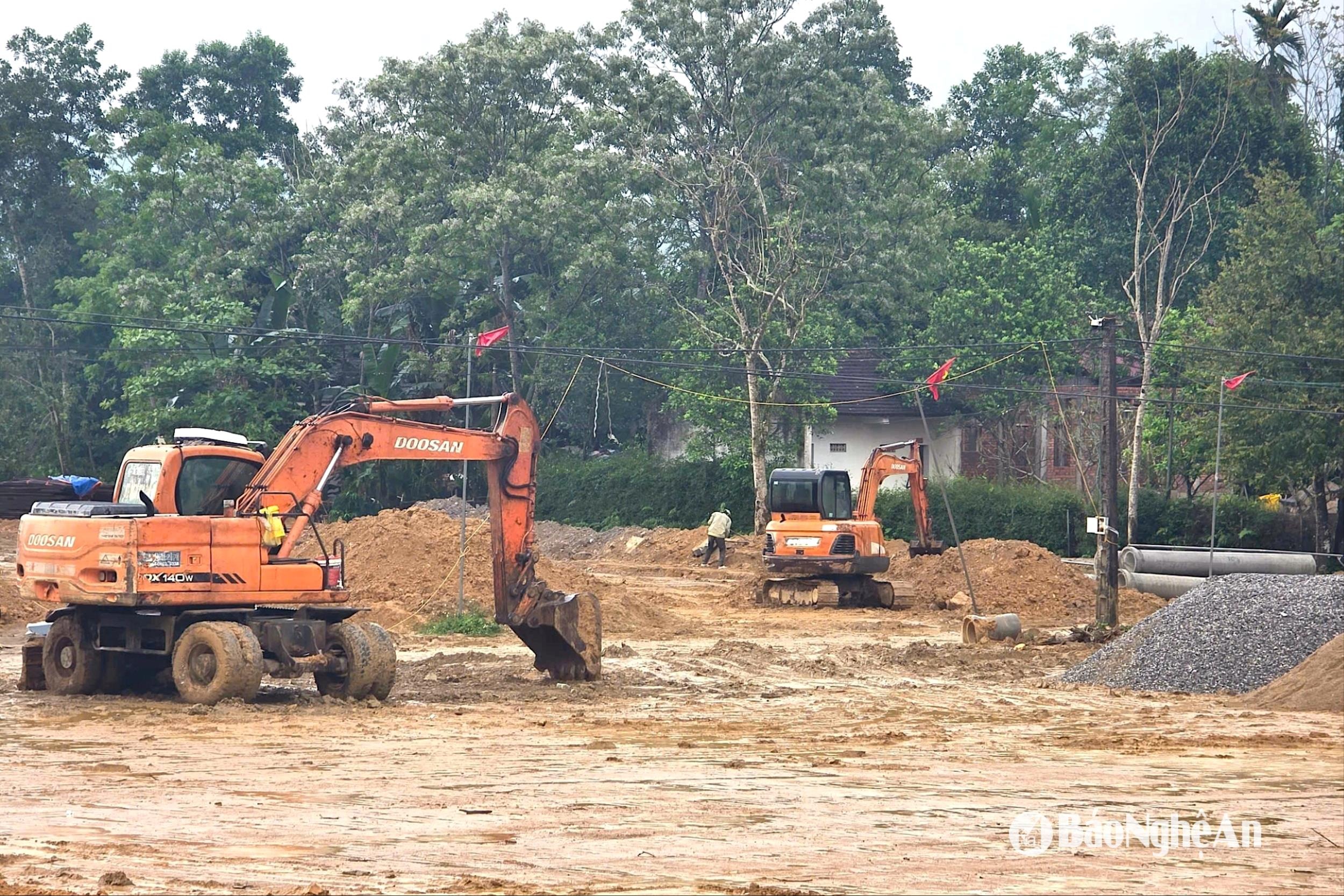
These days, visiting the villages in Mon Son commune, one easily notices the bustling construction sites. In addition, there are newly repaired and upgraded roads, both sturdy and wide. In Bac Son village, standing in front of her house, Ms. Nguyen Thi Nhuan said that her gate and wall used to be located in the center of the road, 2 meters away from their original position.
“Not only my house, but the houses, gates, walls, and land of all the households on both sides of this road are the same. In Bac Son village, 76 households have agreed to donate their land and property to build this road. Many households have donated 300-400 square meters.”2"Mr. Ha Thuong Hoi's household alone donated over 1,000 square meters, including walls, gates, and forest land..." - Ms. Nhuan said.
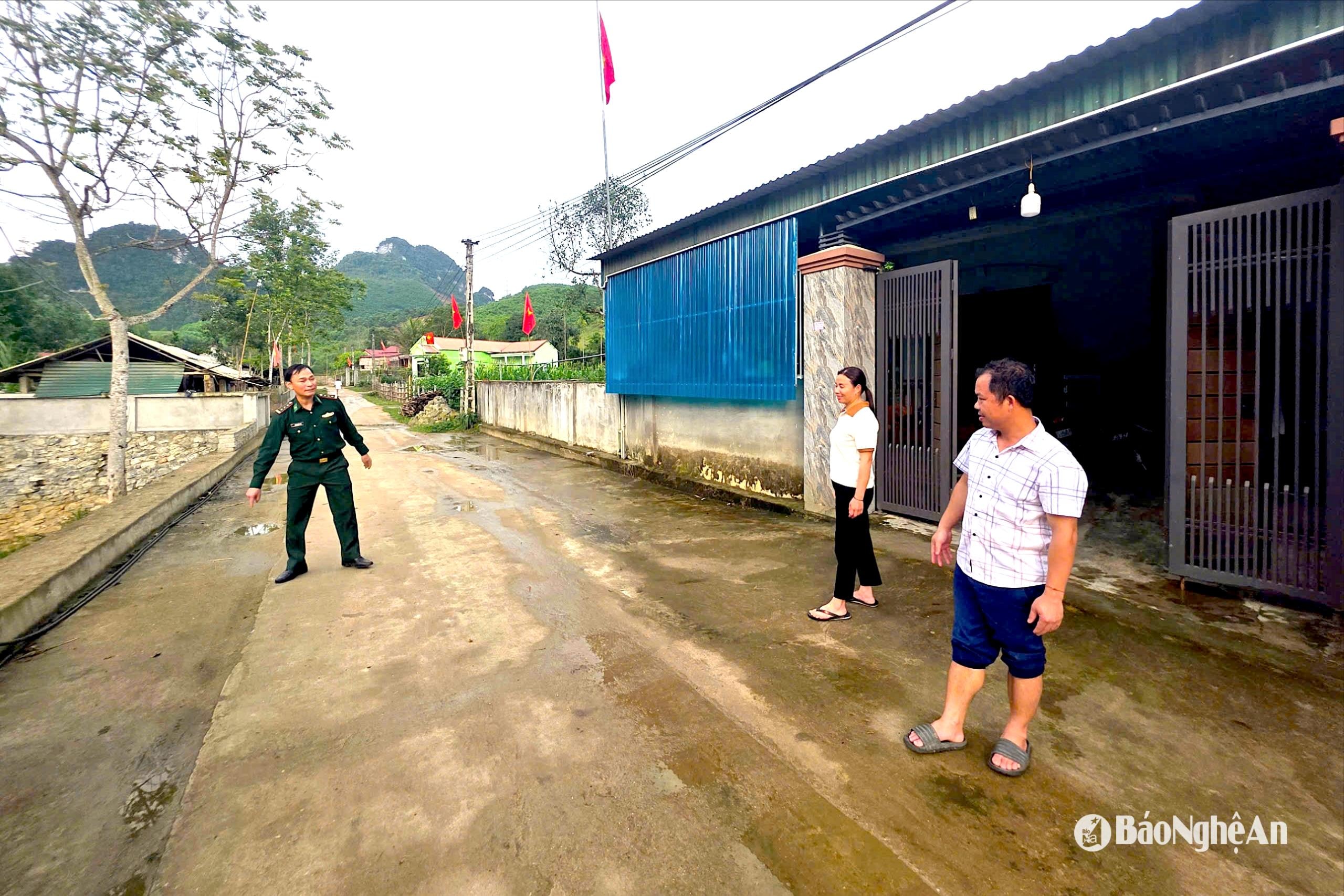
Elaborating on this, Hoang Nhat Son, Deputy Secretary of the Party Committee of Mon Son commune, said that to have the 5-meter-wide road as it is today, all families in Bac Son donated land and trees, and voluntarily demolished gates and walls to make way for the road. Among them, cadres and Party members were the pioneers...
With the support of the people, the State has also been allocating public investment to help Mon Son commune build many large infrastructure projects, contributing to promoting socio-economic development and building new rural criteria, such as: constructing 1,100m of concrete road in Thai Hoa village; repairing the right bank embankment of Pha Lai dam; commencing the construction of the commune's community cultural house; the Khe Bung pedestrian bridge project; the Co Phat - Khe Bung road project; the Tan Son - Bac Son road; and renovating the Vi Van Khang house complex...
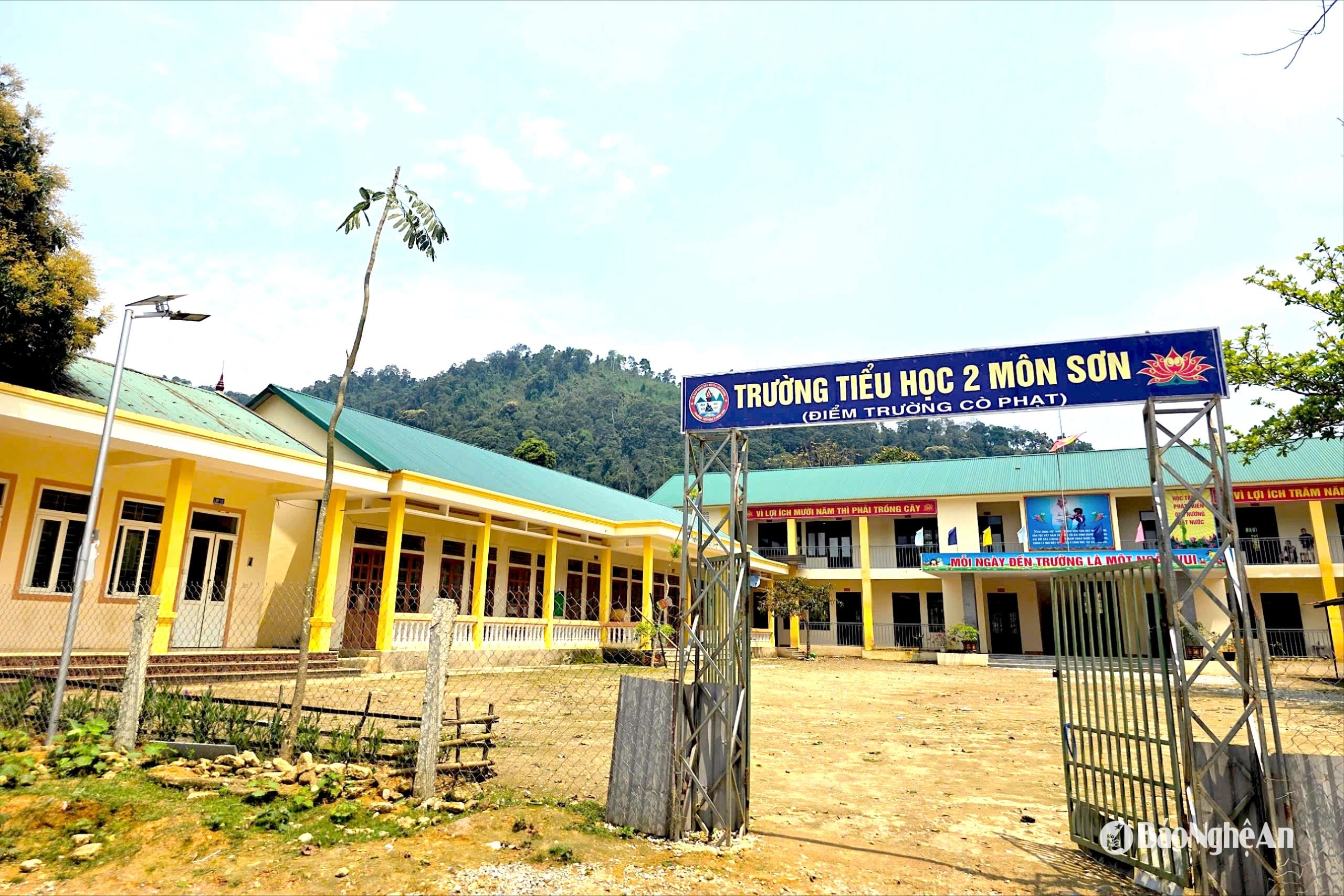
Previously, the villages of Co Phat and Khe Bung were remote and isolated areas, but now the Dan Lai community there has electricity, roads, schools, and health stations. Five suspension bridges have been built to connect these two villages from the center of Mon Son commune, and more than 5km of the road from the commune has been completed.
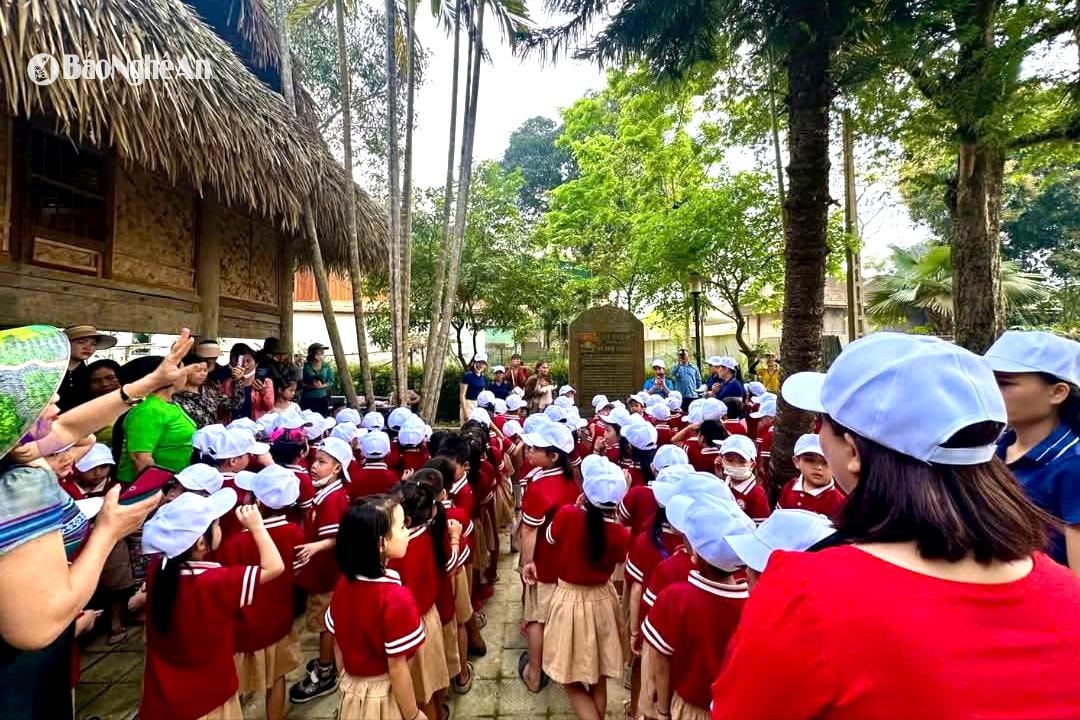
“Thanks to the improved roads and sidewalks, students no longer have to worry about danger when going to school; people can travel and buy and sell agricultural products and goods more easily, so economic development is also more favorable. In these two villages, seven households have submitted applications to be removed from the list of poor households,” said Mr. La Van Linh, Head of the Fatherland Front Committee of Co Phat village, happily expressing his gratitude.
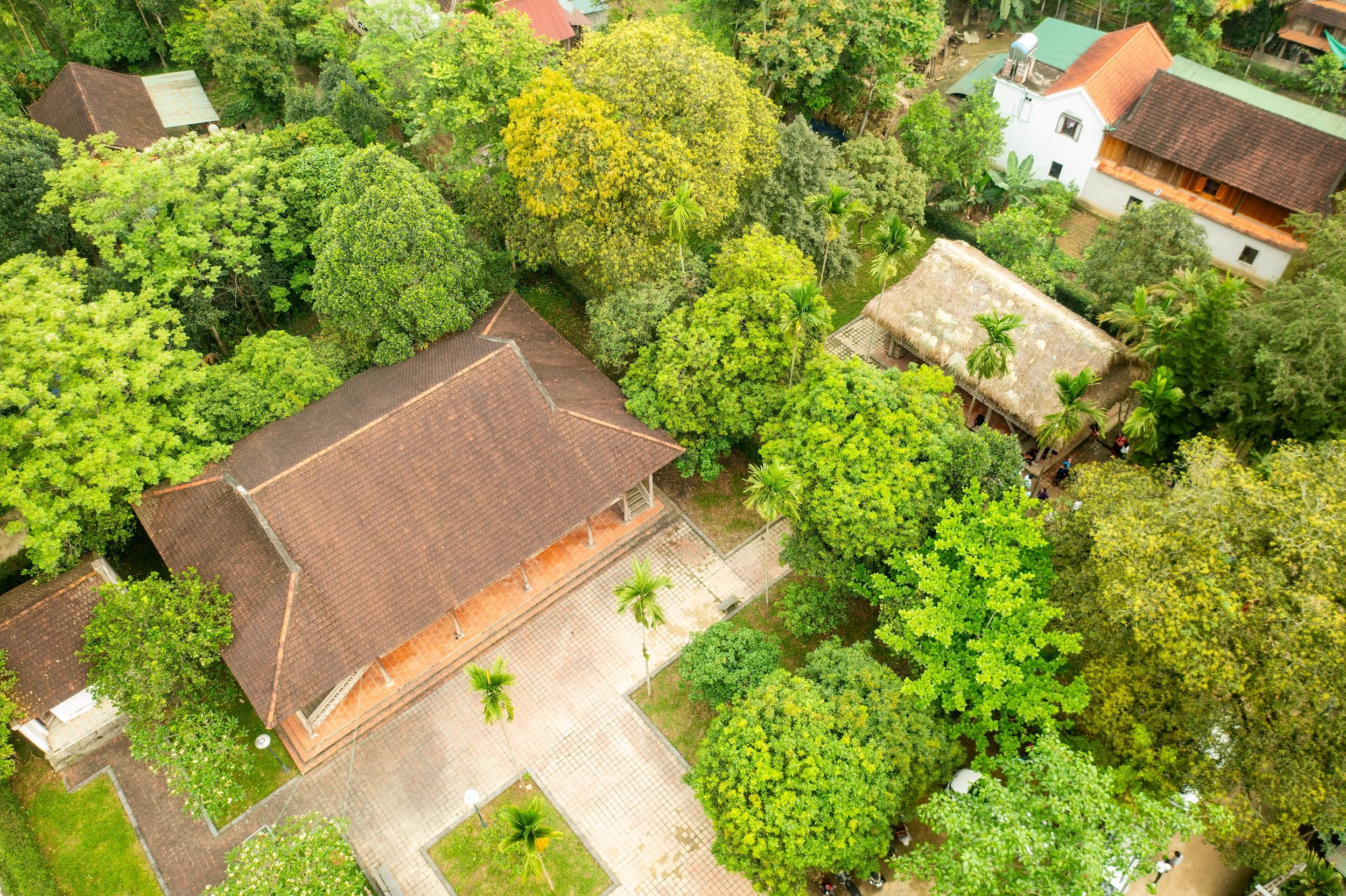
In 1931, the revolutionary movement entered a period of decline, and our Party had to go underground. To ensure the strength and maintain the revolutionary base, the Central Vietnam Regional Party Committee sent comrades Le Xuan Dao (from the Regional Party Committee), Nguyen Huu Binh (Nghe An Provincial Party Committee), and Le Manh Duyet (Anh Son District Party Committee) to the Muong Qua - Mon Son area to coordinate activities and build the revolutionary movement. There, they contacted and enlightened Comrade Vi Van Khang, an educated young man of the Thai ethnic group from a well-off family in Thai Hoa village.
In March 1931, a struggle against the tyrannical landlords and oppressors took place in Muong Qua (comprising the present-day Mon Son and Luc Da communes) and resulted in victory.
About a month later, at the home of Comrade Vi Văn Khang, the Môn Sơn Party Branch was officially established, consisting of 5 party members: Vi Văn Khang (Secretary), Vi Văn Hanh, Vi Văn Quý, Trần Ngân, and Lê Mạnh Duyệt. Later, Comrade Vi Văn Lâm was admitted. This was the first Party branch established in the mountainous and highland areas of Nghệ An province.


