
Dialogue to create momentum for agricultural development.
Prior to the meeting and dialogue between the Chairman of the Provincial People's Committee and farmers of Nghe An in 2026, which will take place tomorrow (June 16th), Nghe An Newspaper and Radio and Television had an exchange with Mr. Nguyen Viet Hung - Member of the Central Executive Committee of the Vietnam Farmers' Association, Member of the Provincial Party Committee, and Chairman of the Provincial Farmers' Association - regarding the issues of concern to farmers and their expectations from the conference.
Thanh Phuc(Perform) /Present:Hong ToaiJune 15, 2026
*****
Prior to the meeting and dialogue between the Chairman of the Provincial People's Committee and farmers of Nghe An in 2026, which will take place tomorrow (June 16th), Nghe An Newspaper and Radio and Television had an exchange with Mr. Nguyen Viet Hung - Member of the Central Executive Committee of the Vietnam Farmers' Association, Member of the Provincial Party Committee, and Chairman of the Provincial Farmers' Association - regarding the issues of concern to farmers and their expectations from the conference.
Mr. Nguyen Viet Hung:This conference is of particular significance because it is being held at a time when Nghe An is focusing on implementing many major policies and orientations on the development of agriculture, farmers, and rural areas in accordance with Resolution No. 19-NQ/TW dated June 16, 2022, of the 13th Central Committee of the Communist Party of Vietnam on agriculture, farmers, and rural areas until 2030, with a vision to 2045, and Conclusion No. 219-KL/TW dated November 26, 2025, of the Politburo on continuing to implement Resolution No. 19-NQ/TW.
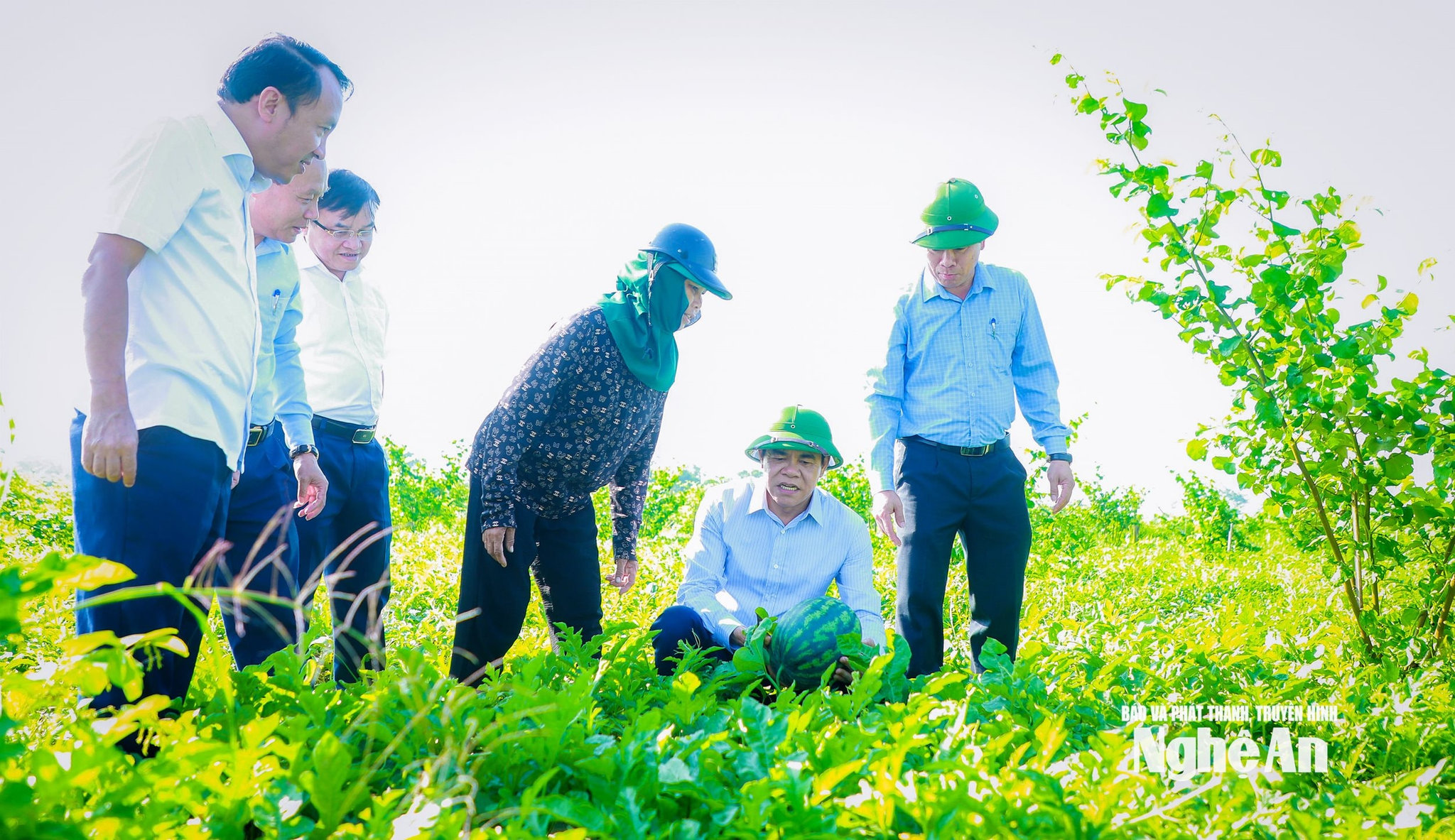
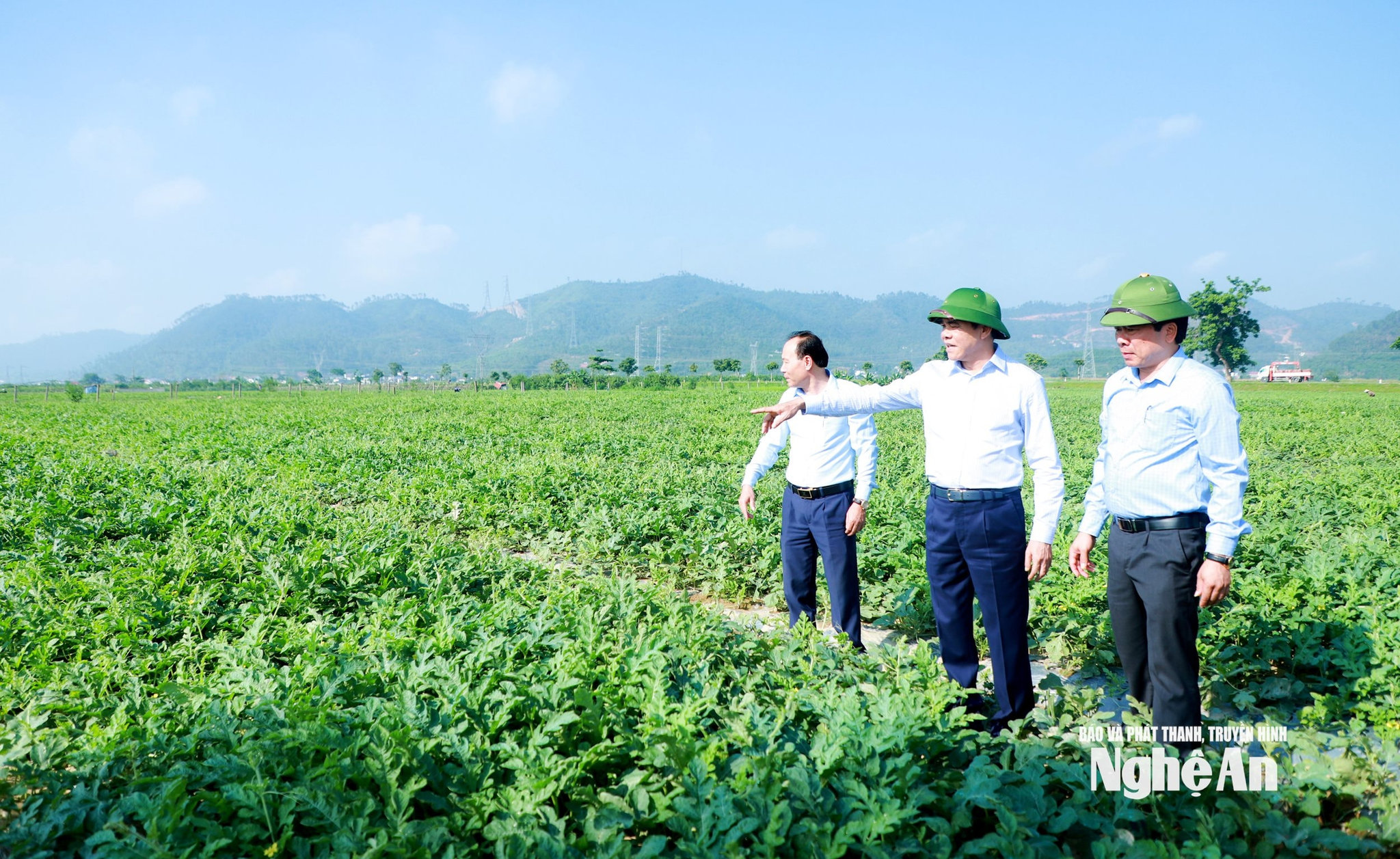
Recently, the Nghe An Provincial Party Committee issued an Action Program to implement Resolution No. 19-NQ/TW and Conclusion No. 219-KL/TW, further concretizing the goal of building an ecological agriculture, a modern rural area, and civilized farmers; affirming that agriculture, farmers, and rural areas have a long-term strategic position and are an important foundation for ensuring socio-economic stability and sustainable development of the province.
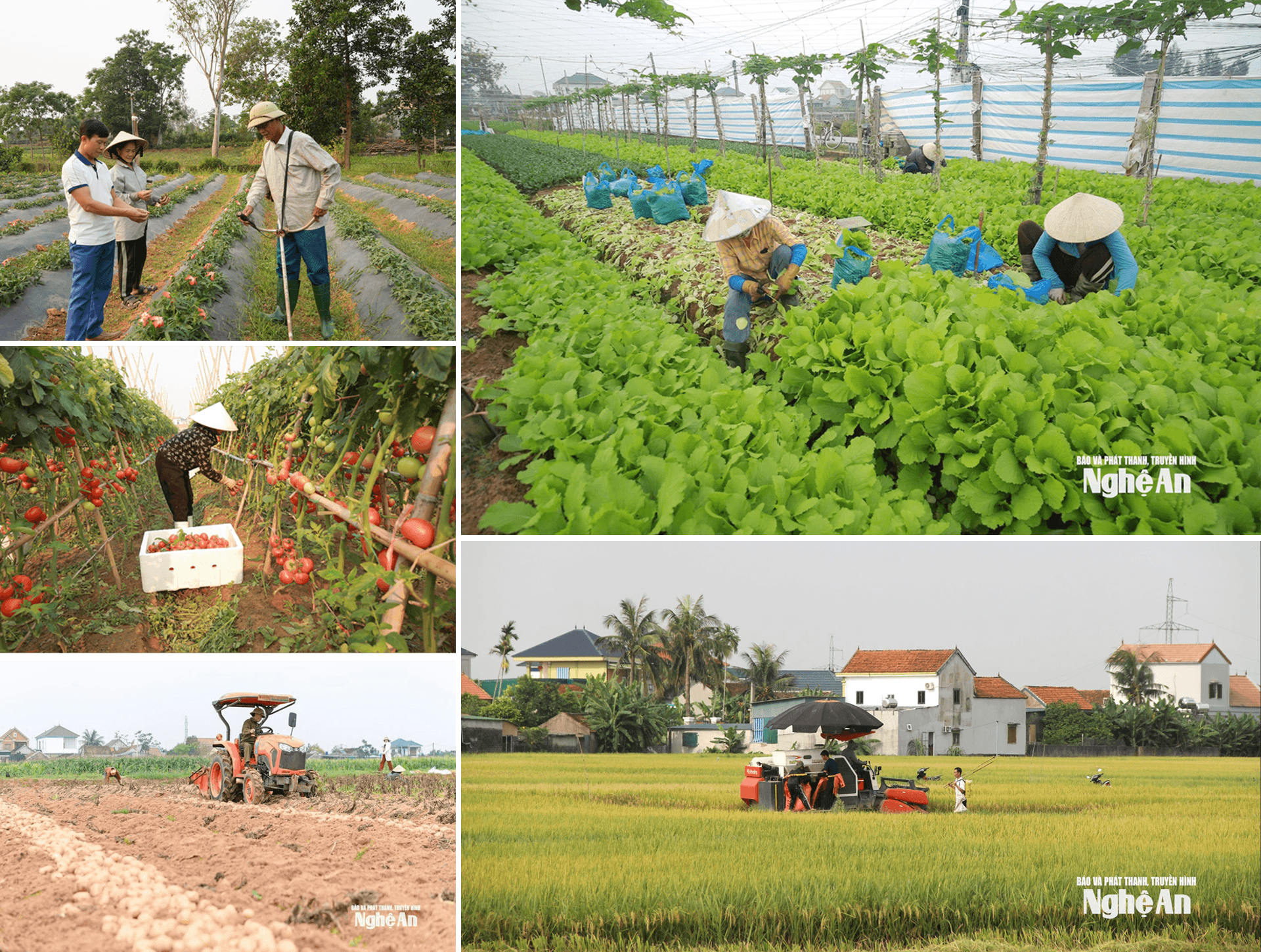
To date, exactly four years after the implementation of Resolution No. 19-NQ/TW, the agricultural sector and rural areas of the province have achieved many positive results. Agriculture continues to affirm its role as the backbone of the economy; many concentrated commodity production areas have been formed; the new rural development program has achieved many outstanding results; and the material and spiritual lives of rural people have been gradually improved.
However, in practice, there are also many difficulties and challenges. Agricultural growth in some areas lacks sustainability; productivity, quality, and competitiveness of some products are not high; the application of science and technology, digital transformation, and green transformation is uneven; and the income of many farming households is still heavily impacted by natural disasters, diseases, and market fluctuations. In addition, human resources in the agricultural sector are limited, and rural environmental pollution in some localities remains a major concern.
Therefore, the fact that the Chairman of the Provincial People's Committee directly met and held a dialogue with farmers this time not only demonstrates the province's concern for the "three rural issues" (agriculture, farmers, and rural areas), but also provides an opportunity to listen to practical issues, thereby improving mechanisms and policies, and more clearly defining tasks and solutions to effectively implement the goals set forth in Resolution No. 19-NQ/TW, Conclusion No. 219-KL/TW, and the Provincial Party Committee's Action Program.
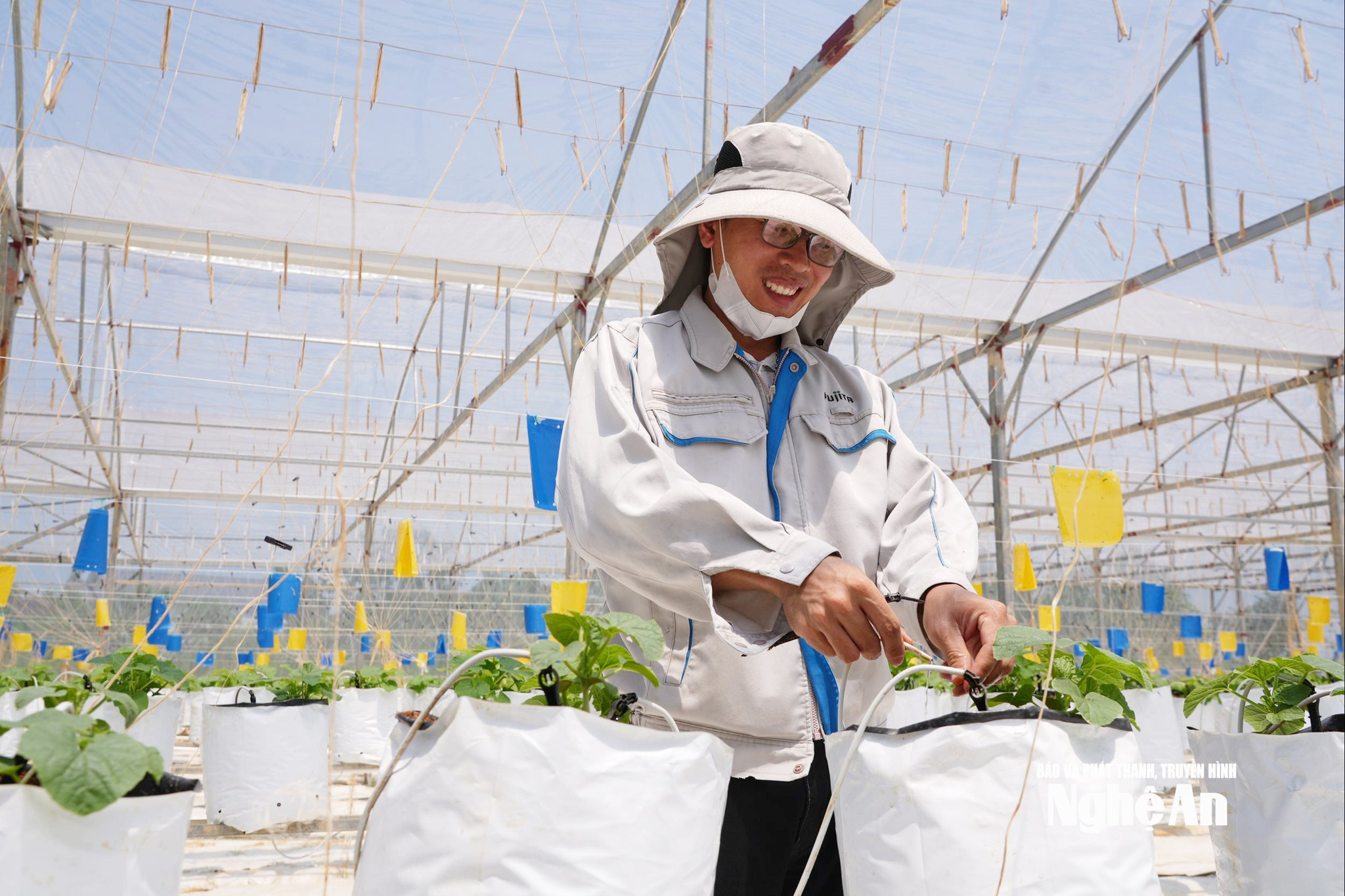
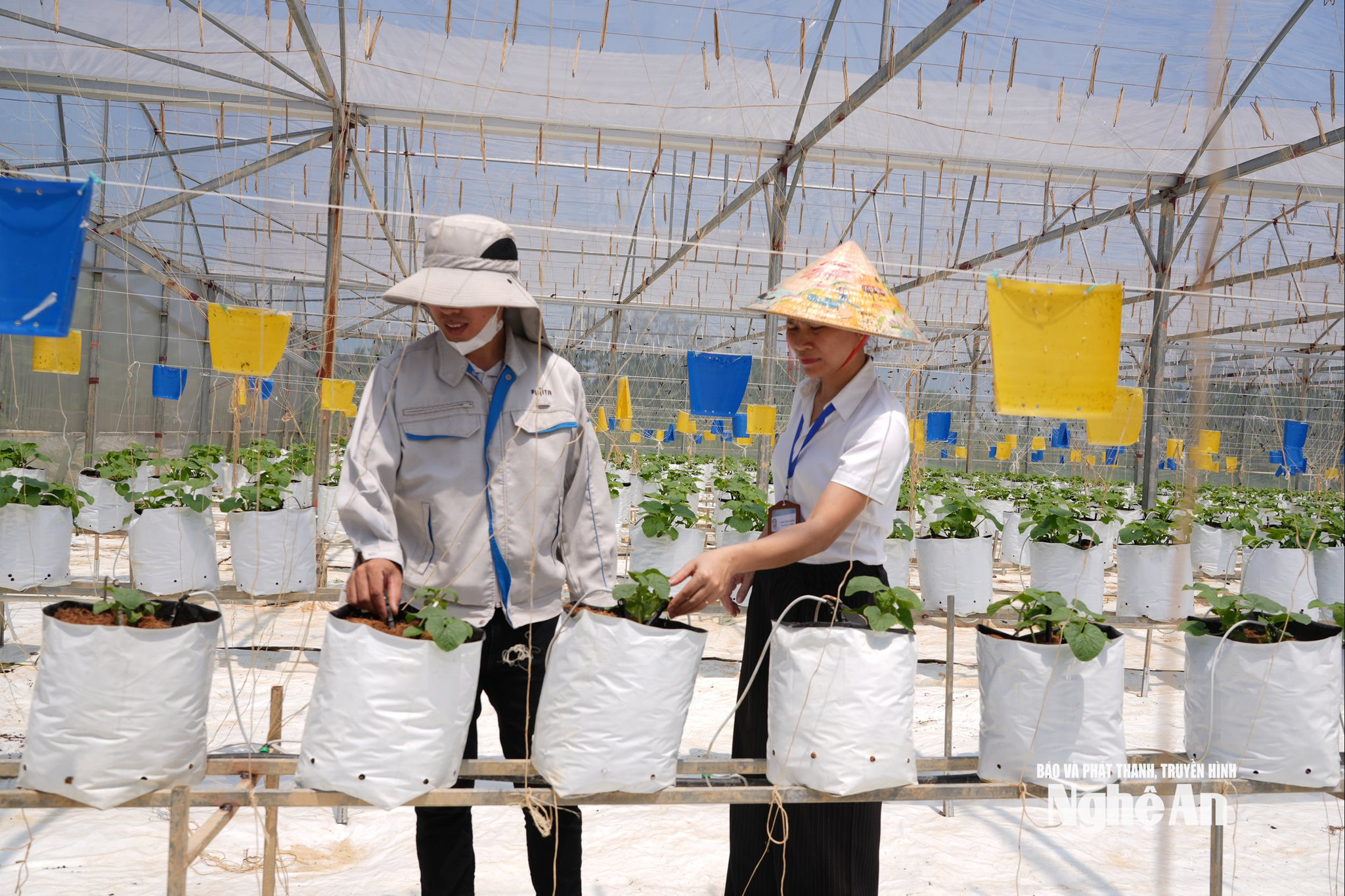
In particular, the conference also contributed to affirming the central and leading role of farmers in the process of agricultural and rural development; consistent with the overarching view that all policies and guidelines ultimately aim to improve the material and spiritual lives, empower farmers, and create conditions for them to participate more deeply in the development process of their localities.
Mr. Nguyen Viet Hung:Based on feedback from farmers' associations at all levels and their members throughout the province, we have found that the recommendations focus on many very specific issues, directly related to daily life and production.
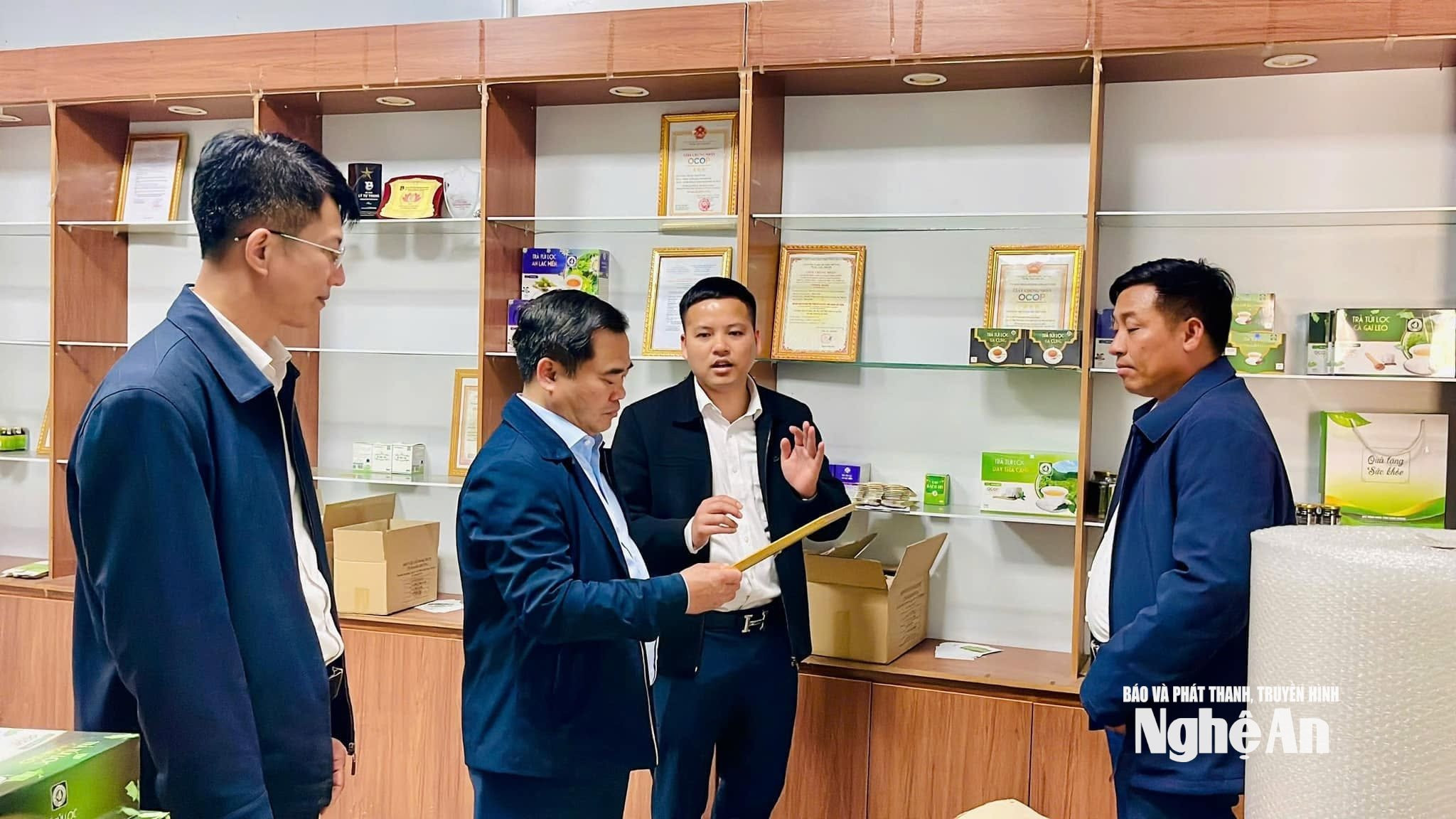
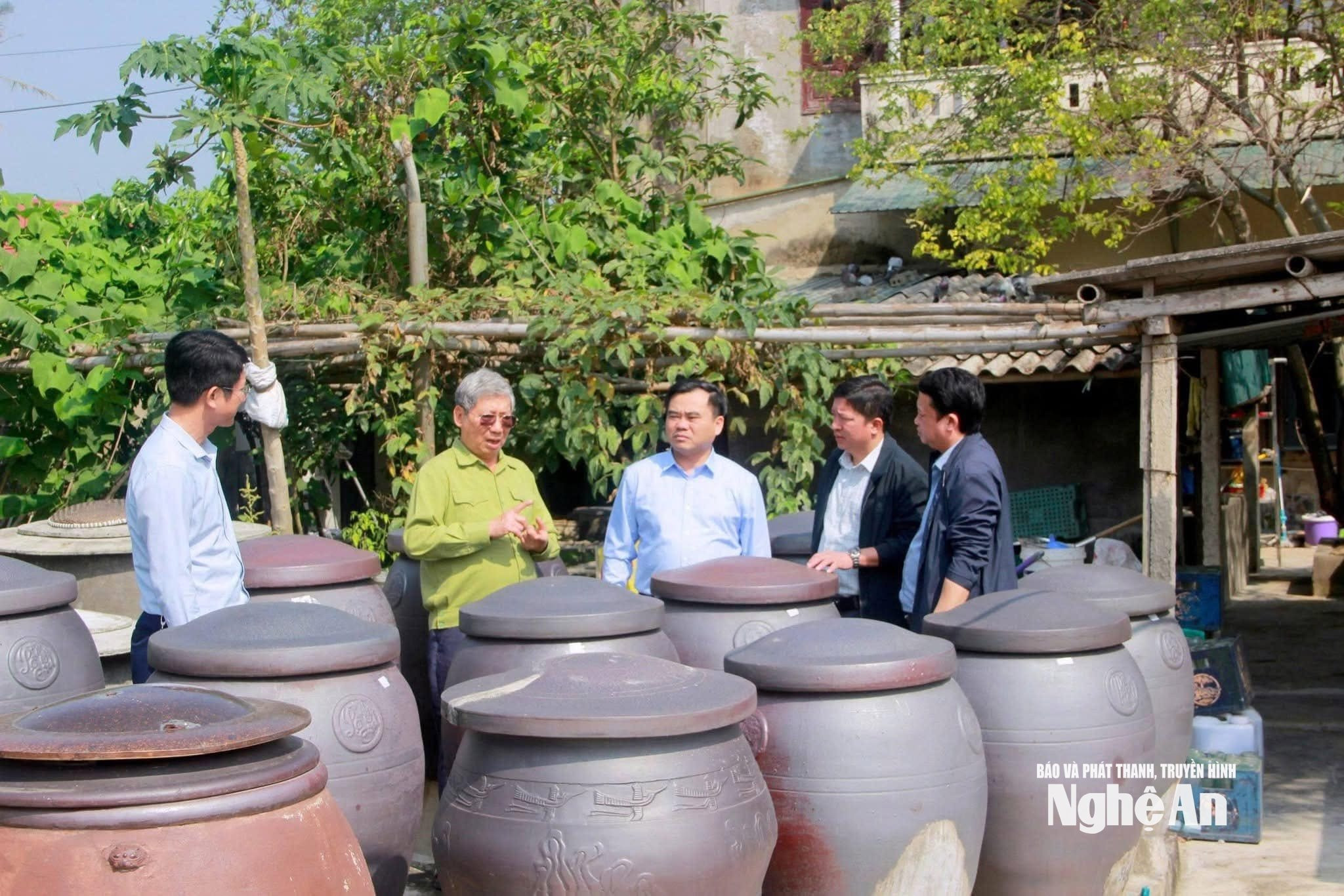
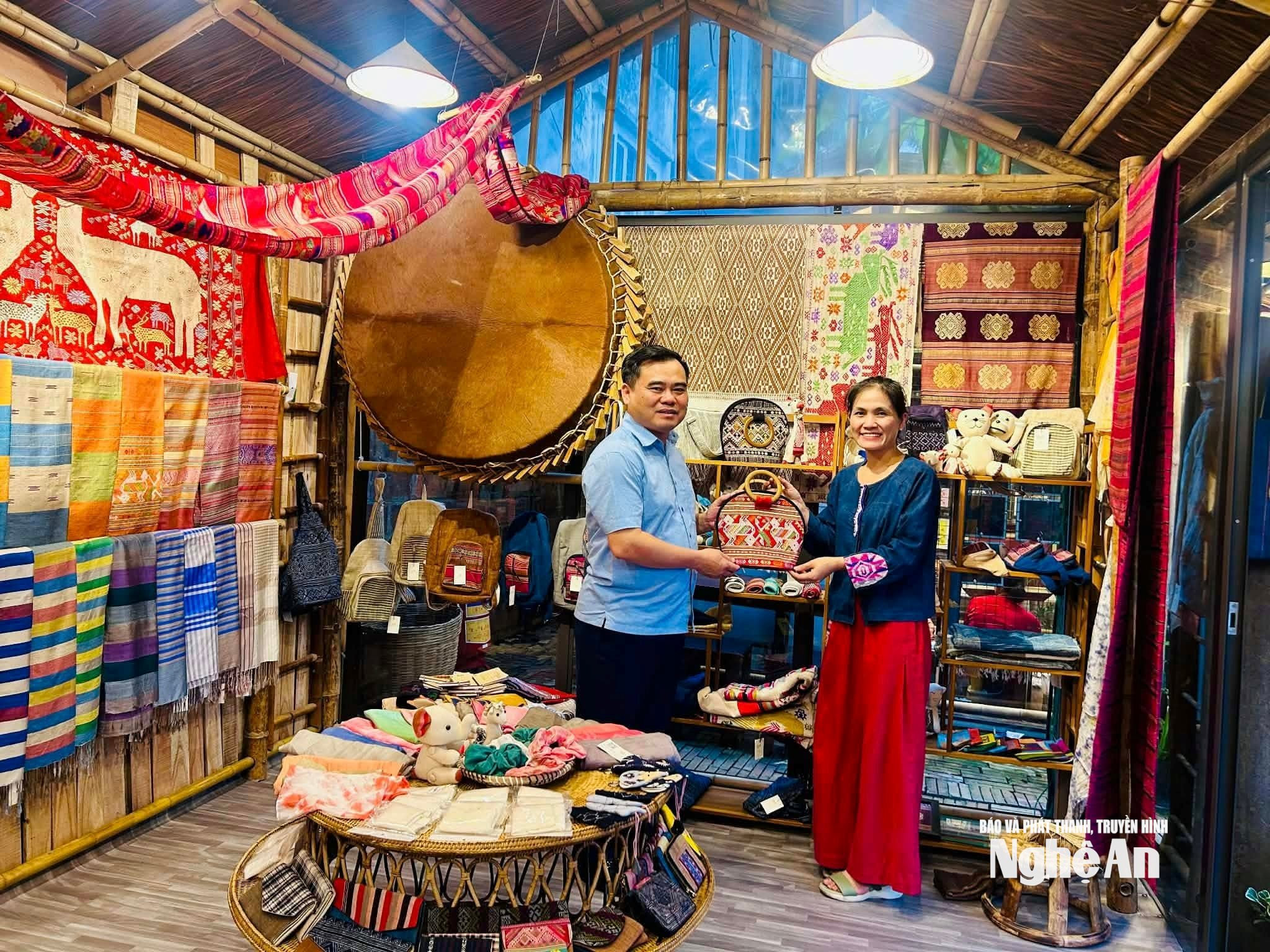
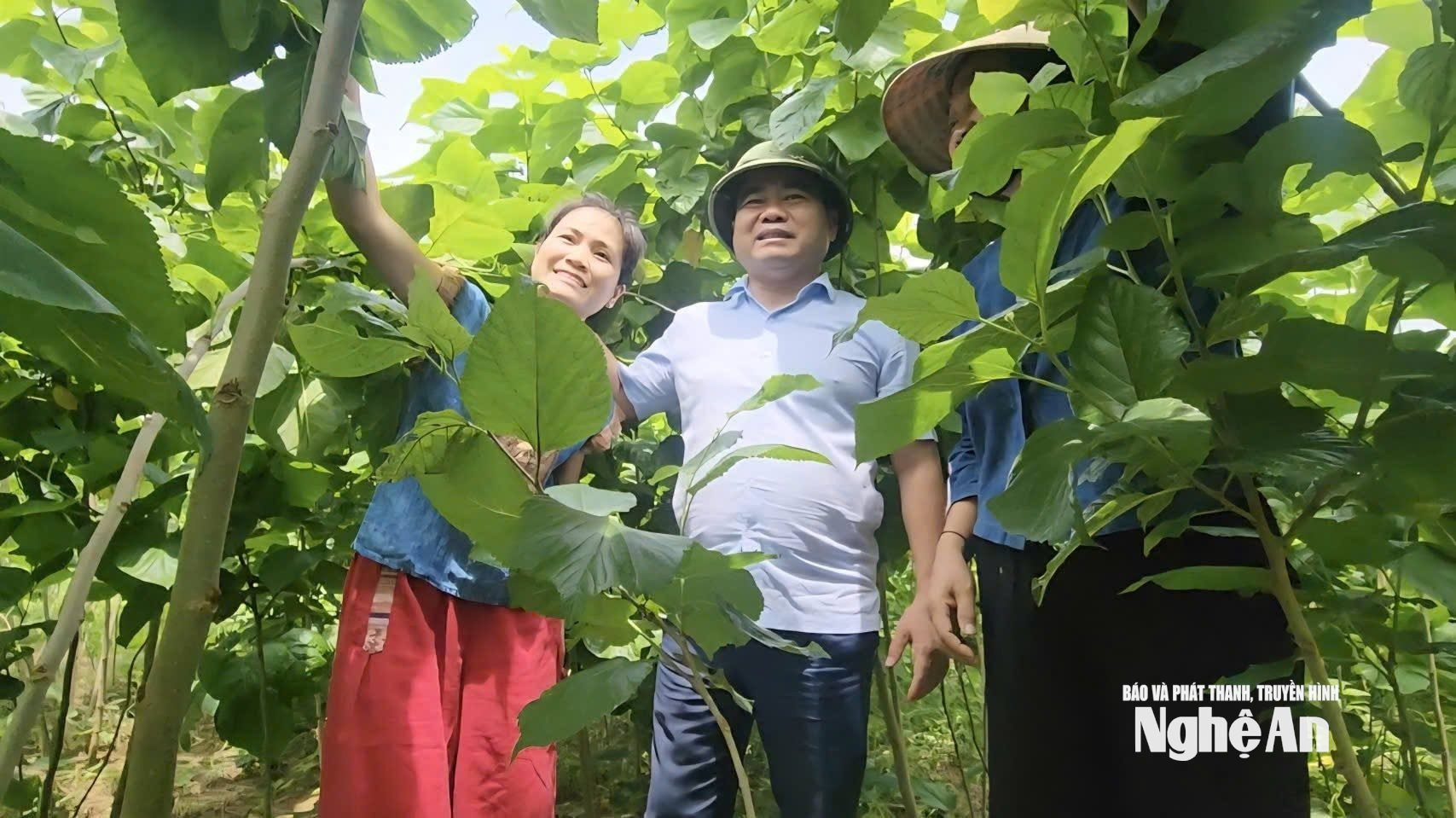
One of the key areas of interest is the development of production along the value chain, building concentrated raw material areas linked to processing and product consumption businesses. Farmers hope the province will continue to provide support mechanisms to ensure the stability of production linkage models, mitigating situations of bumper harvests leading to price drops or lack of outlets.
.jpg)
In addition, many opinions mentioned the application of science and technology and digital transformation in agriculture. People want support in building sales channels on e-commerce platforms, promoting OCOP products and local specialties, and receiving digital skills training to improve market access.
Another group of issues that received much attention was the development of green agriculture and the circular economy. Many members suggested continuing to expand policies supporting the production of organic fertilizers from agricultural by-products and the application of biological products to reduce input costs, protect the environment, and improve the quality of agricultural products.
In the forestry sector, people have reported issues with the quality of seedlings, which affects the effectiveness of reforestation, and they desire stricter management solutions for the seed market in general and forestry seed market in particular.
Regarding fruit trees, especially Vinh oranges, many opinions expressed concern about the declining acreage, increasing disease outbreaks, and signs of fading brand recognition; they also requested the province to implement solutions to restore the raw material area, support disease-free seedlings, and rebuild the value chain for the product.
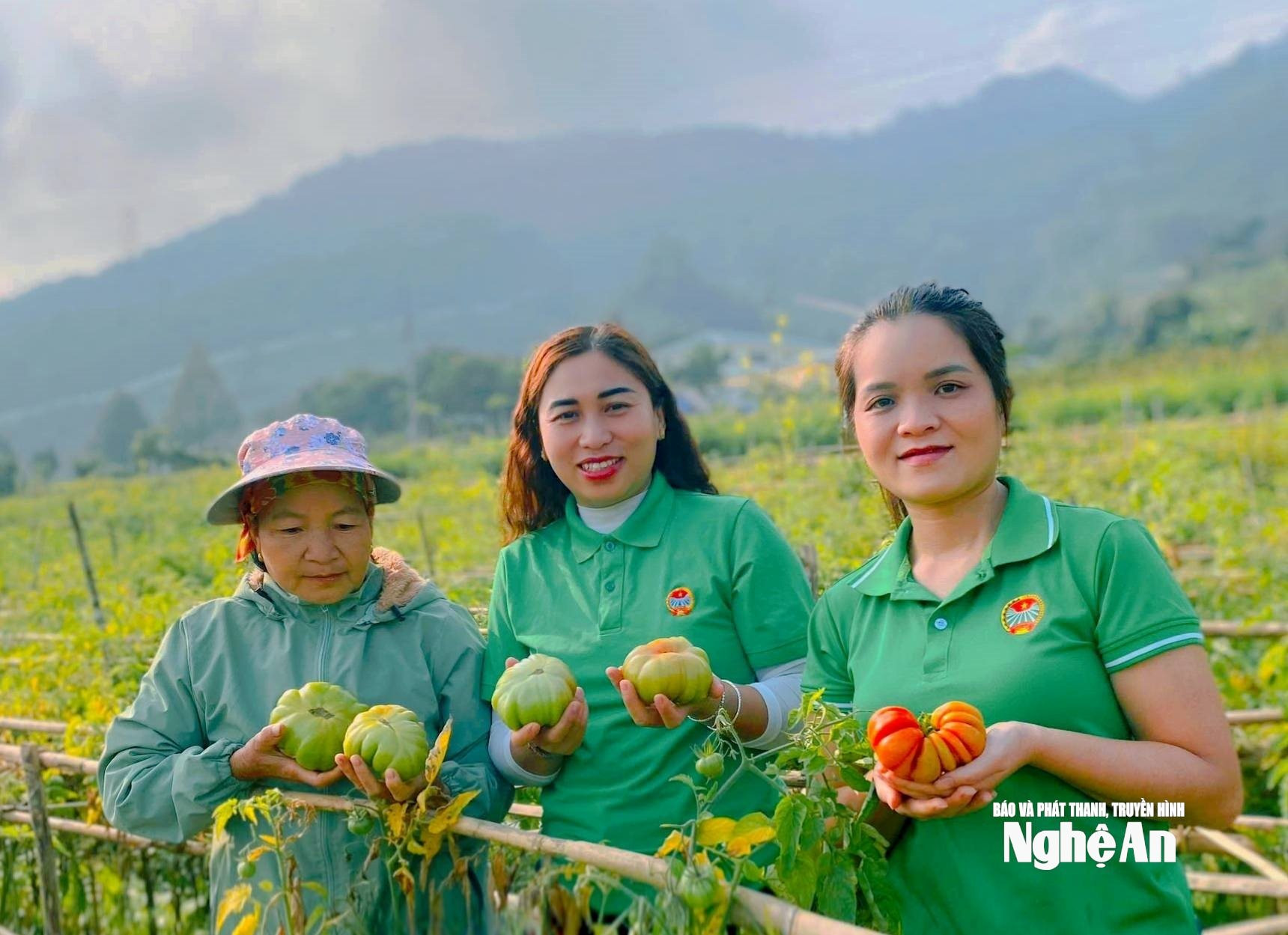
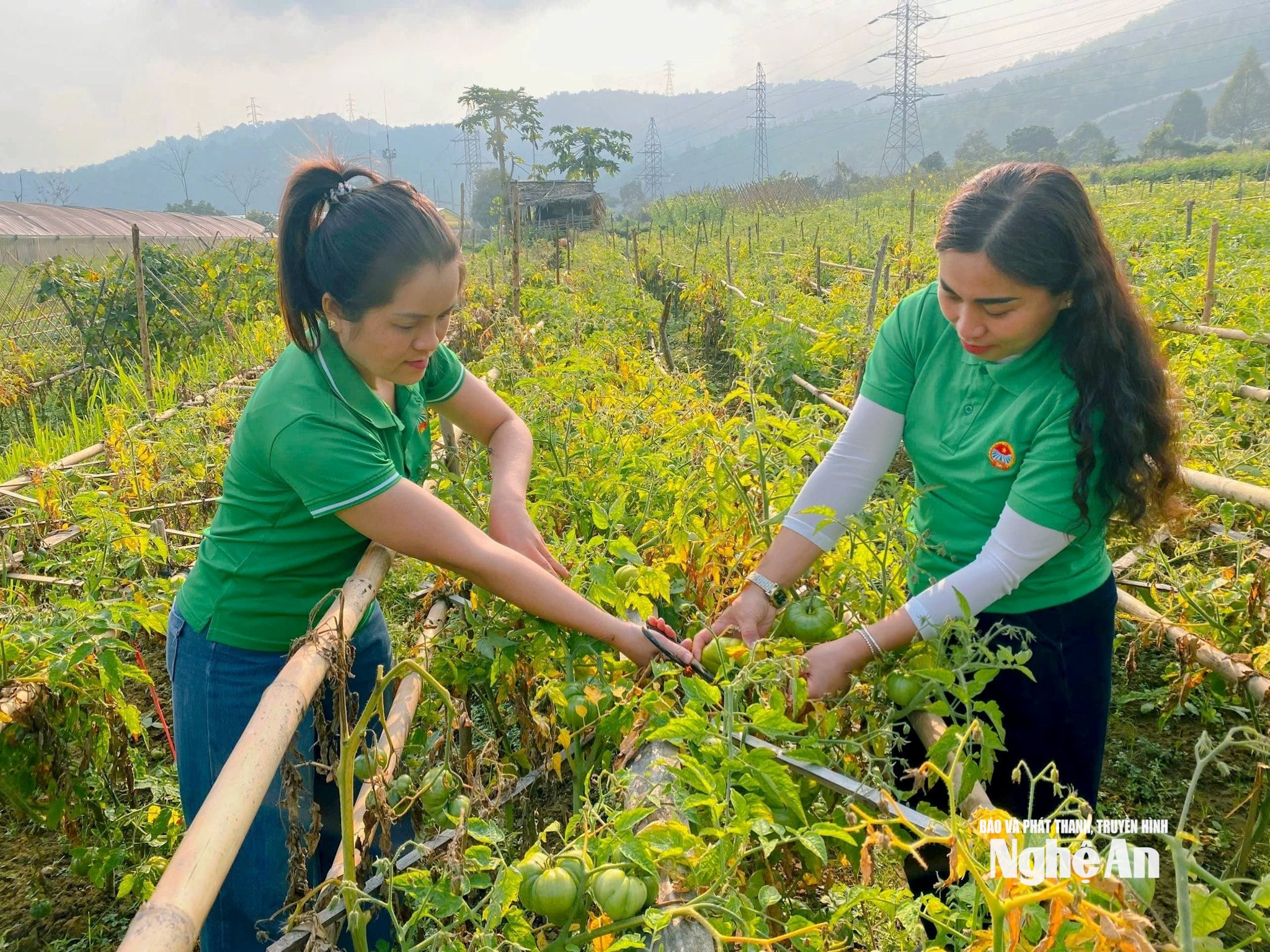
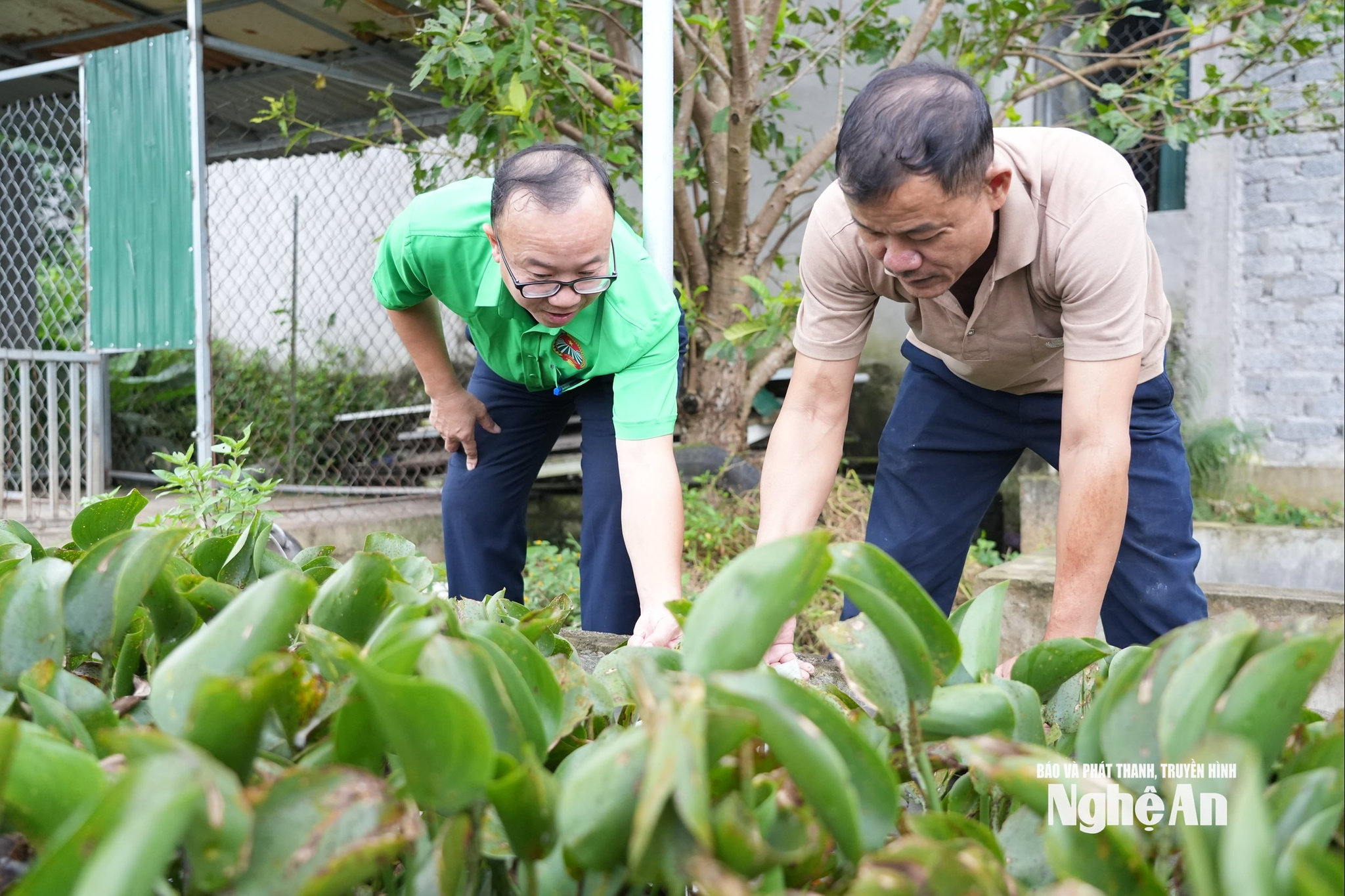
In addition, people are also very interested in issues related to administrative procedure reform in the land sector, especially the issuance of land use right certificates; solutions for developing biosafety in livestock farming, controlling diseases, reducing production costs, and stabilizing output for livestock products.
It is noteworthy that the majority of opinions not only reflect difficulties but also demonstrate a proactive mindset, a desire to work alongside the government in the process of transforming production models, developing modern and sustainable agriculture, and increasing the added value of agricultural products.
Mr. Nguyen Viet Hung:From the moment we were assigned the task of advising on the organization of the conference, we determined that this was not just an ordinary meeting but had to become a truly democratic forum for farmers to directly reflect on their difficulties and obstacles, propose solutions for production development, and contribute feedback on the management and administration of the government at all levels.
.jpg)
.jpg)
.jpg)
.jpg)
In that spirit, the Provincial Farmers' Association proactively advised the Provincial People's Committee to issue a plan for organizing the conference; at the same time, it assigned specific tasks to the Standing Committee members, leaders of the Farmers' Affairs Committee, and relevant departments to implement the preparation work.
One of the areas we pay particular attention to is gathering feedback from the grassroots. Through the system of associations at all levels, information receiving channels, and coordination with relevant units, the Provincial Farmers' Association has received nearly 700 questions, suggestions, and proposals from officials, members, farmers, businesses, cooperatives, scientists, and specialized agencies addressed to the Chairman of the Provincial People's Committee.
Based on that, the Standing Committee of the Provincial Farmers' Association reviewed and selected 30 representative questions in areas such as agriculture, land, environment, industry and trade, science and technology, and policies supporting agricultural development. These are all major issues with high practical relevance, reflecting the thoughts, aspirations, and difficulties that farmers are facing in production, product consumption, access to policies, digital transformation, application of science and technology, environmental protection, and rural development.
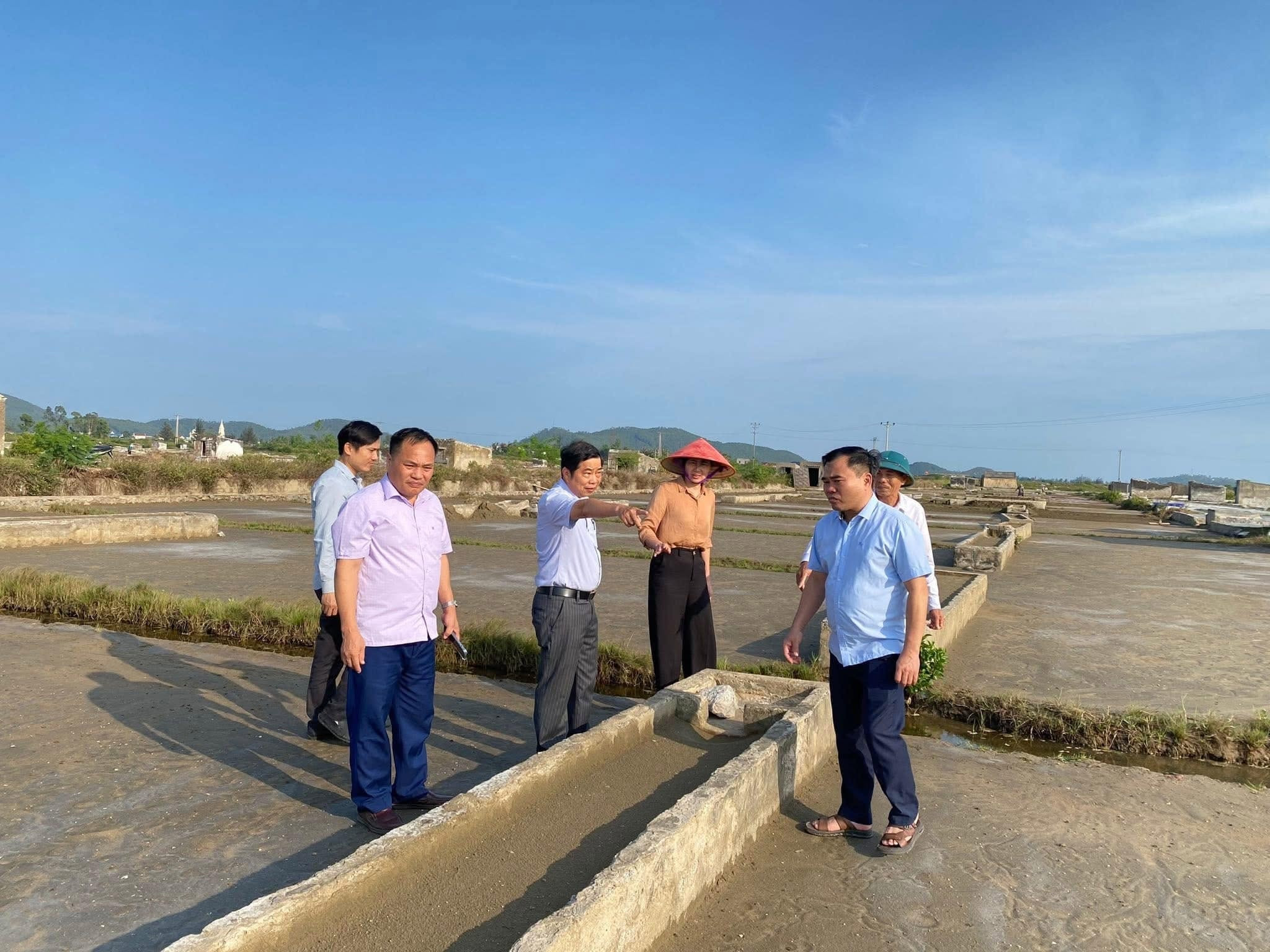
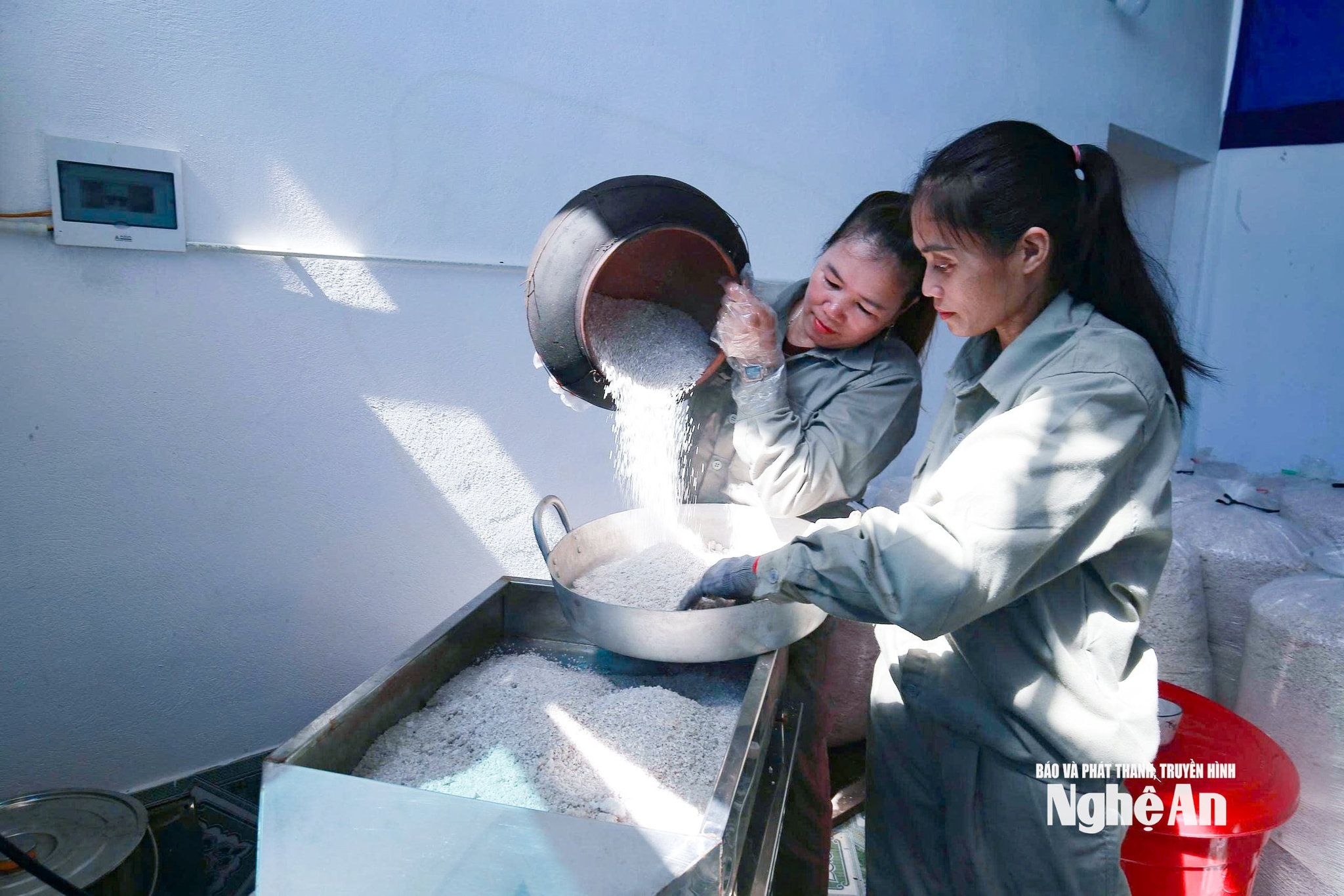
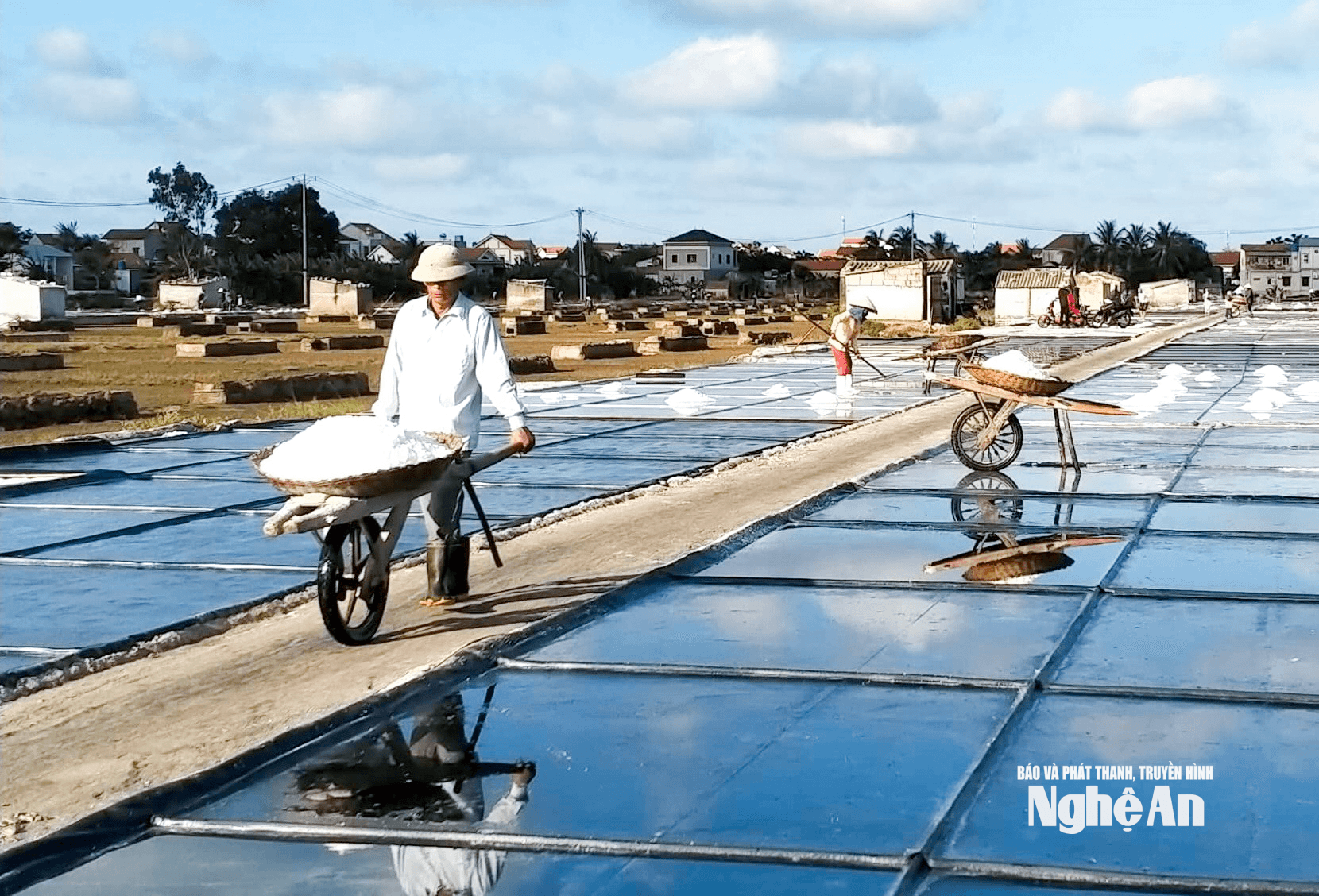
To ensure objectivity and relevance to reality, the Provincial Farmers' Association coordinated with local authorities to review and verify the content of each question, and also collaborated with the Provincial People's Committee Office and relevant departments and agencies to prepare responses, clarify responsibilities, and propose solutions for each group of issues.
In addition, we also collaborated in producing documentaries reflecting prominent issues concerning agriculture, farmers, and rural areas that are of public and member interest, to be screened at the conference; selecting exemplary farmer members, representatives of businesses, cooperatives, and scientists to participate in order to ensure the diversity, representation, and quality of the dialogue.
We expect that with such thorough preparation, the conference will truly become a bridge between the government and farmers, so that practical issues are fully heard and effective solutions are found.
Mr. Nguyen Viet Hung:Our greatest expectation is that the issues raised by farmers at the conference will be fully considered and subsequently translated into clear tasks, solutions, and implementation mechanisms.
.jpg)
.jpg)
.jpg)
For the Provincial Farmers' Association, the conference is not the end point but the beginning of a process of accompanying the people and relevant agencies in monitoring and urging the implementation of the committed contents.
Following the conference, the Association will continue to coordinate with the Provincial People's Committee, departments, agencies, and local authorities to compile the results of resolving each group of recommendations; regularly monitor feedback from the grassroots level to promptly report and propose appropriate solutions.
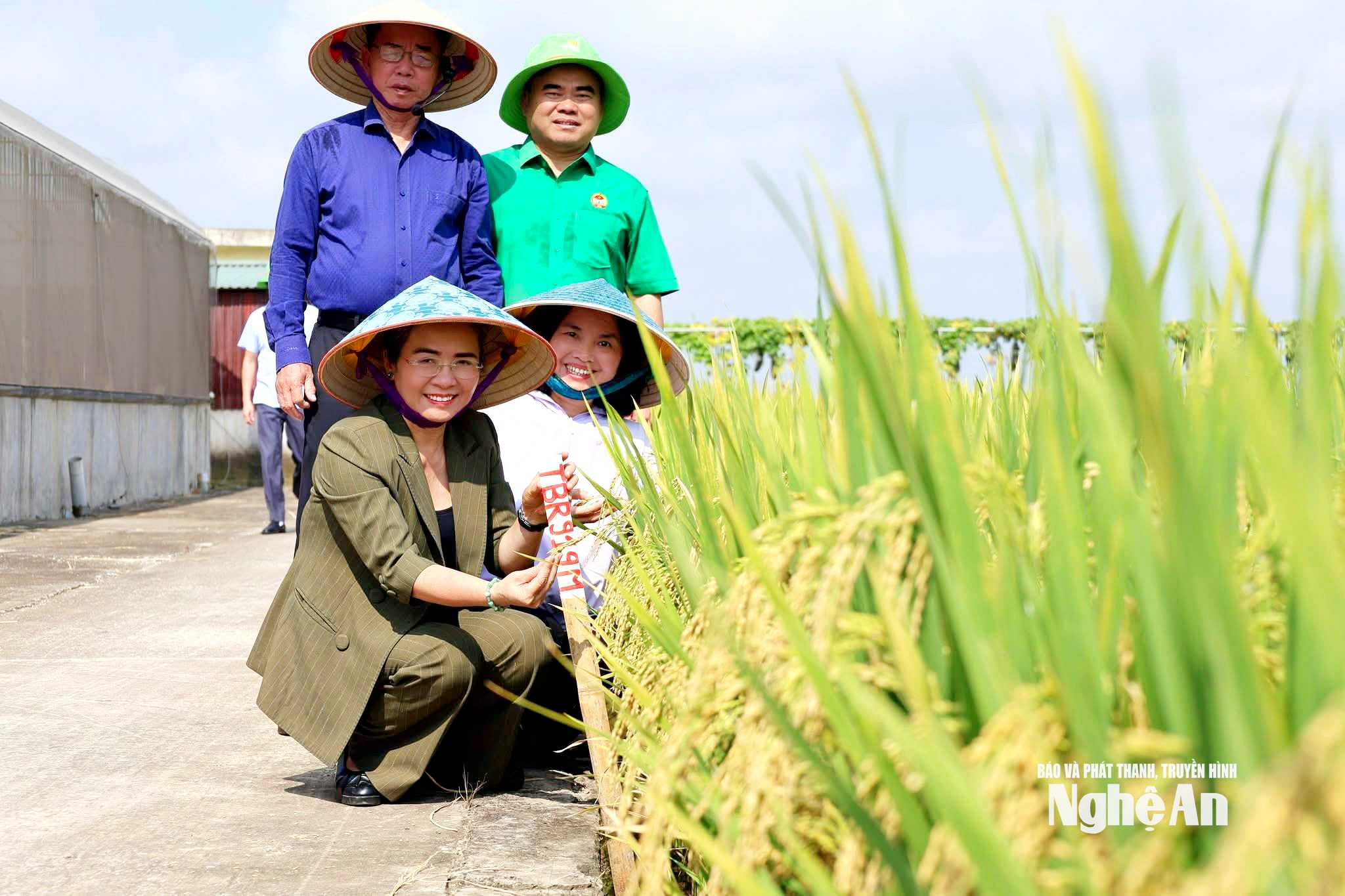
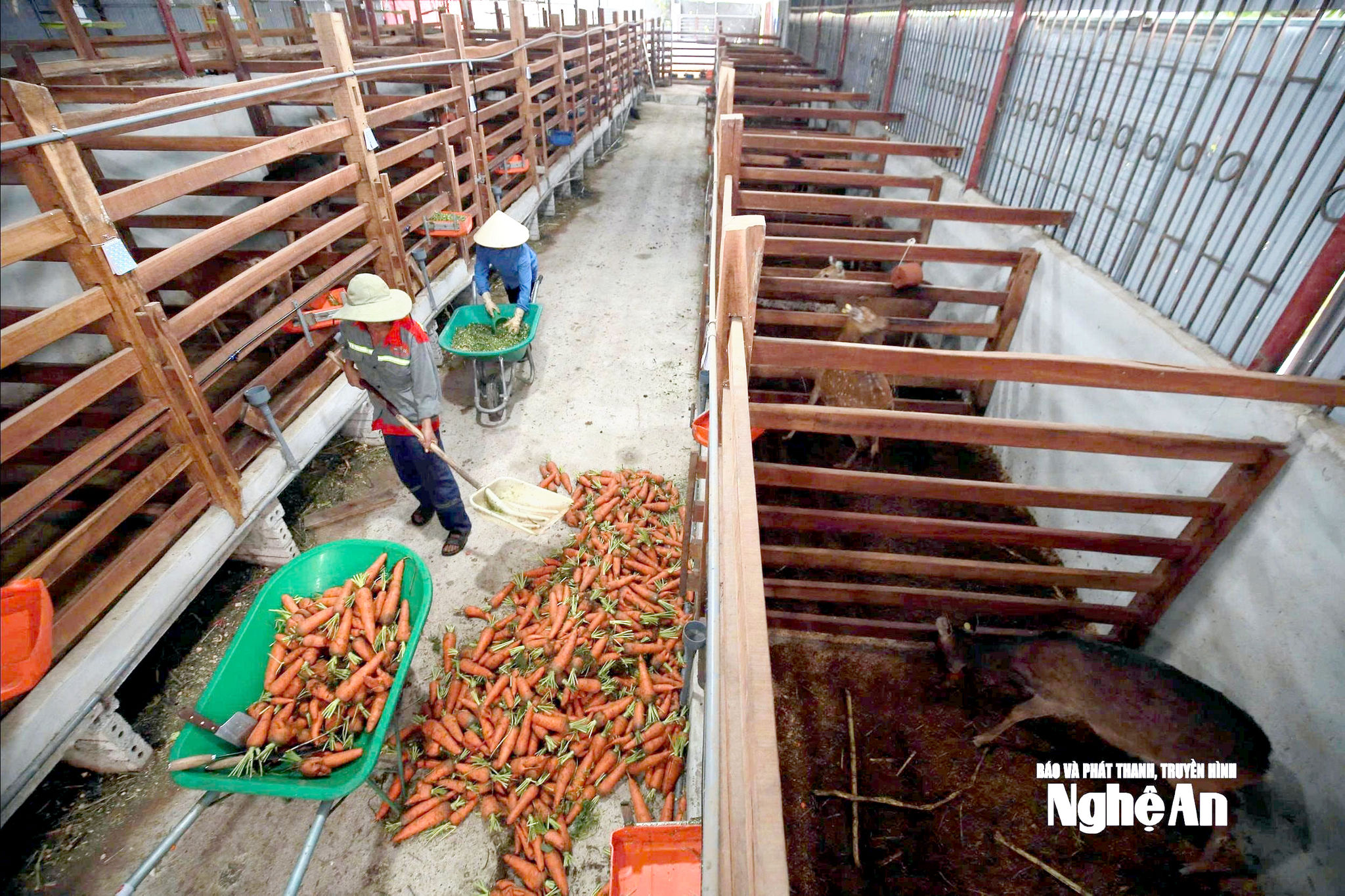
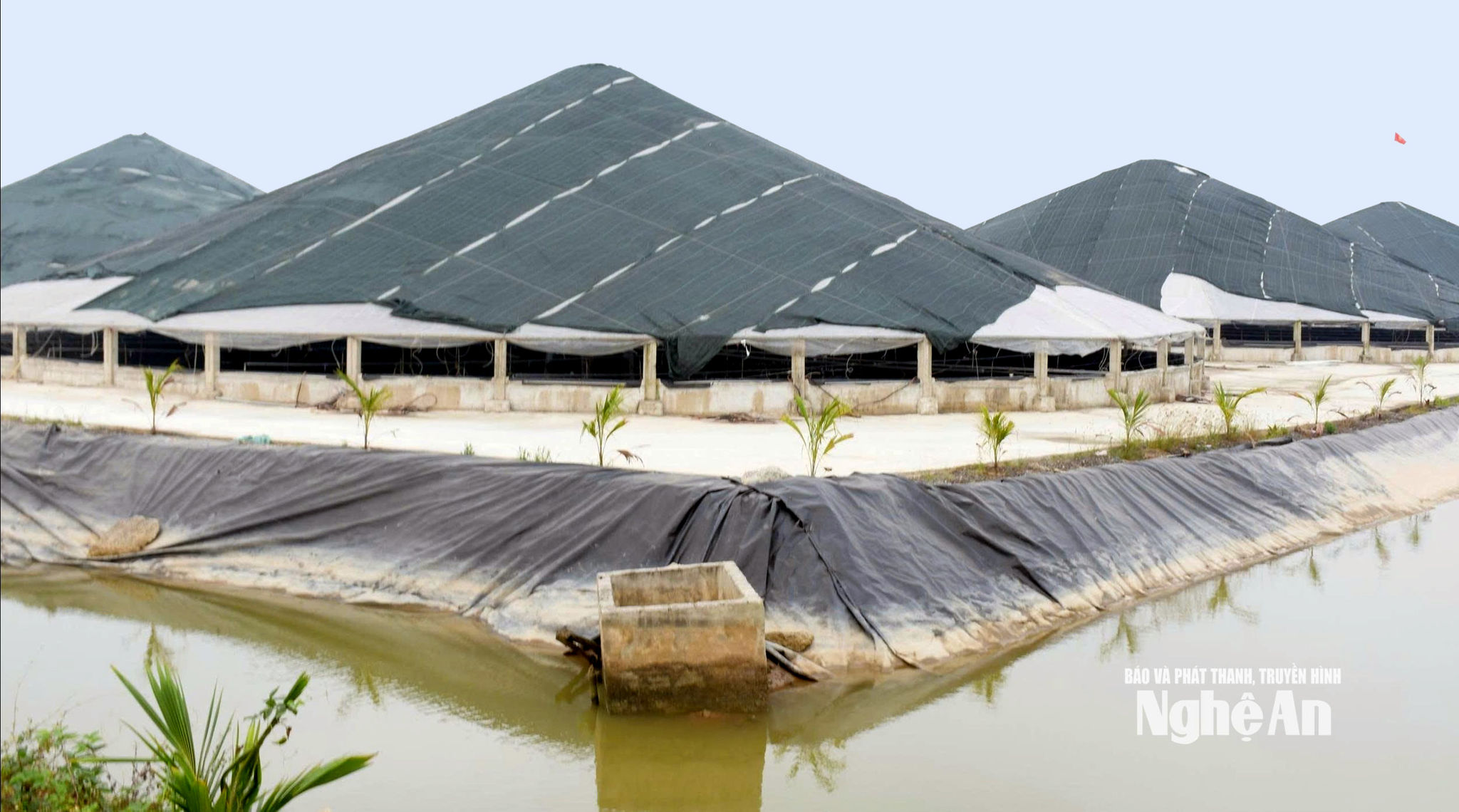
At the same time, the associations at all levels will strengthen the dissemination of information and guidance to members on accessing new policies on agricultural development, building raw material areas, digital transformation, circular economy, and linking production and consumption of products.
We expect that after the conference, not only will immediate problems be resolved, but it will also contribute to the formation of a regular dialogue mechanism between the government and farmers. Through this, the voices of the people will be heard more, policies will become more practical, and new impetus will be created for the development of agriculture and rural areas in Nghe An.


