
The Vietnamese national team and the naturalization dilemma: A solution or a dead end?
The 0-4 defeat against Malaysia at Bukit Jalil serves as a wake-up call for Vietnamese football. As the wave of naturalization spreads across the region, the question arises: should we continue training domestic players or join the race for naturalization like our rivals?
After more than a decade, the Vietnamese national team has once again suffered such a heavy defeat against a Southeast Asian opponent. The 0-4 loss to Malaysia in the 2027 Asian Cup qualifiers has stunned fans and raised questions about the quality, character, and long-term development direction of Vietnamese football.
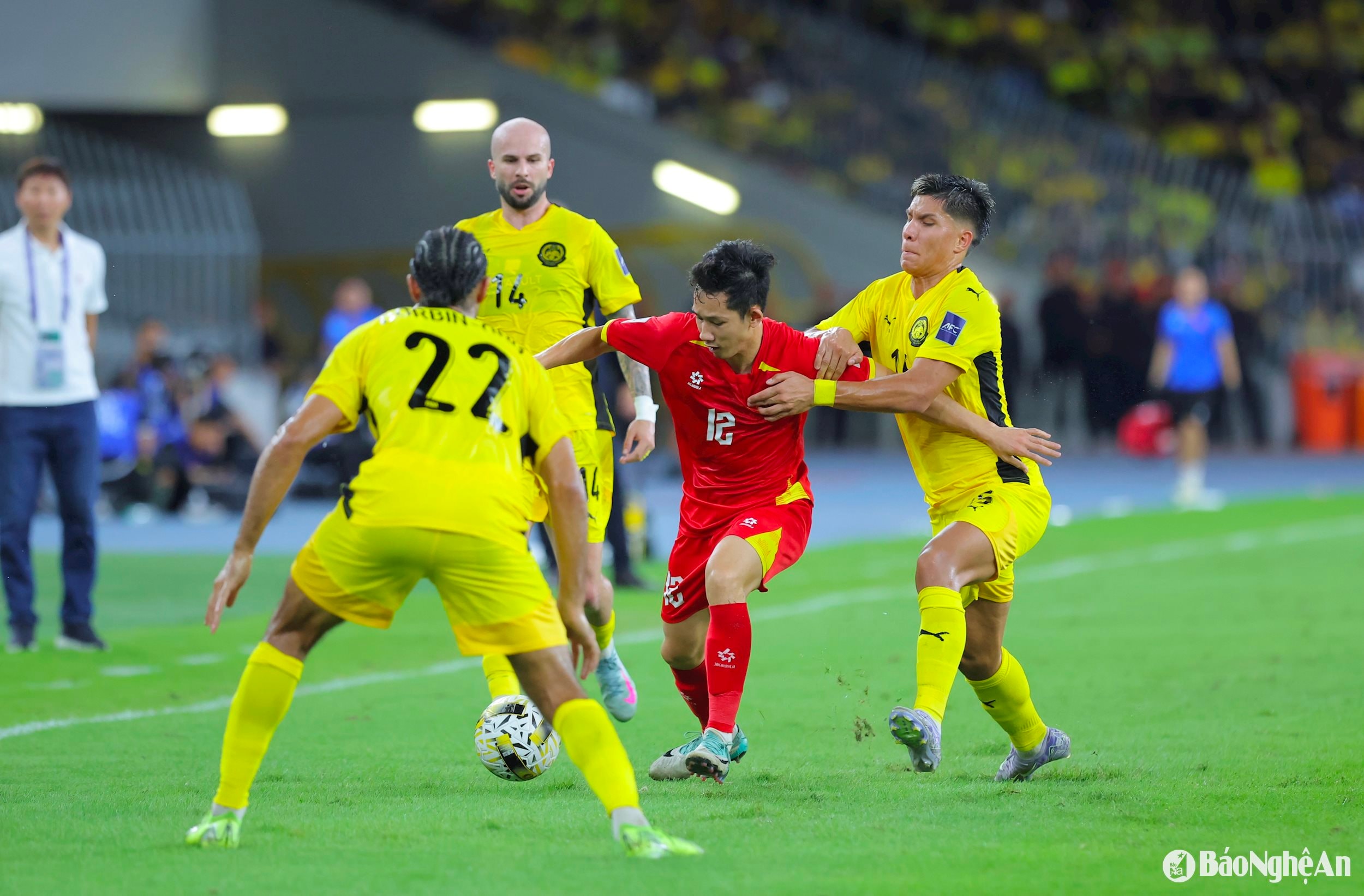
Immediately after the final whistle at Bukit Jalil, a fierce debate erupted. One viewpoint argued that it was time for Vietnam to boldly naturalize players, similar to what Malaysia, the Philippines, and Indonesia have been doing. In fact, the Malaysian team in the recent match used 9 out of 11 starting players who were naturalized citizens.

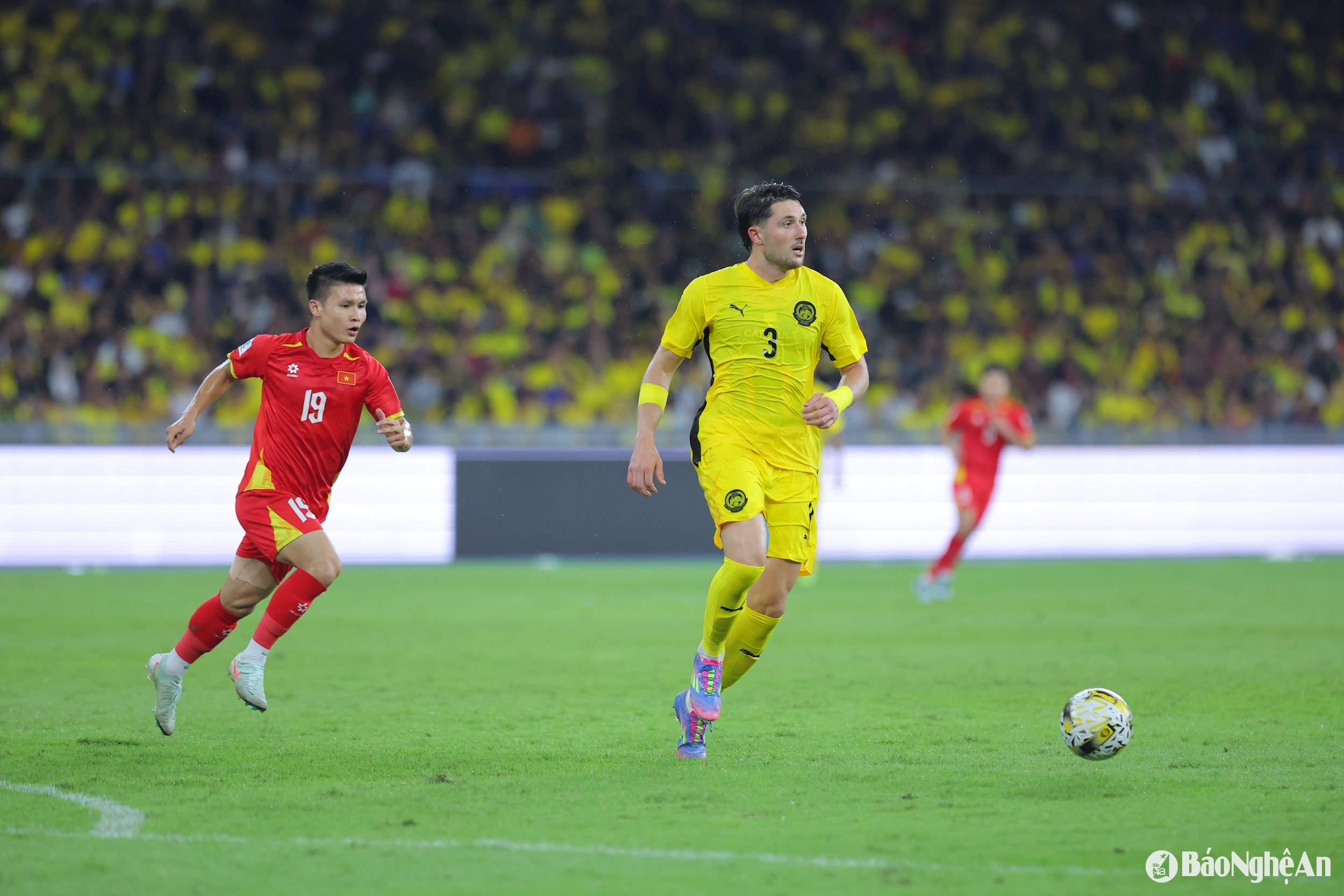
Newcomers like Joao Figueiredo (Brazil) and Rodrigo Holgado (Argentina) both shone with their goals, while players of European descent such as Corbin-Ong and Dion Cools continued to make a difference. Malaysia's resounding victory somewhat reinforces the argument that naturalizing players is the quickest way to upgrade the strength of a national team.
However, football is not just about the numbers on the scoreboard. The national team, at a higher level, is a symbol of national spirit, an embodiment of culture and identity. Therefore, the mass naturalization of foreign players, while potentially effective in the short term, also carries many unforeseen consequences in the long run.
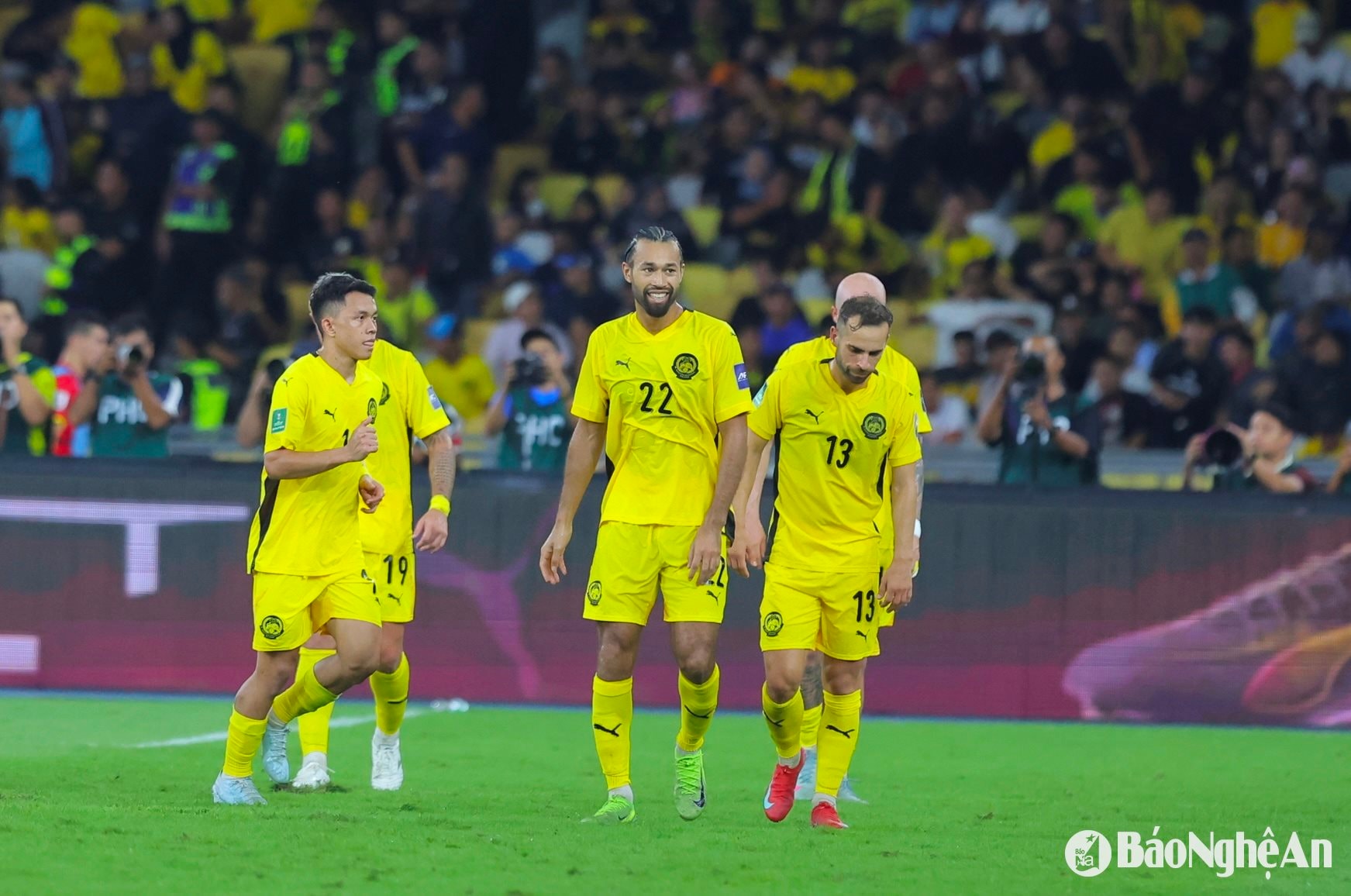
Even Malaysia, despite their recent victory, is facing a wave of mixed opinions domestically. Many fear that the national team is gradually losing its identity as local players no longer have opportunities to develop. This is a negative aspect that any football nation must confront when choosing the path of mass naturalization.
Applying this to Vietnamese football, the question arises: if naturalization is necessary, who should be naturalized? Compared to neighboring countries like Malaysia or Indonesia, our pool of Vietnamese players living abroad is not large in number nor diverse in quality. Some players of Vietnamese origin currently playing overseas often choose to represent the national team of their home country, where they have better development opportunities and playing chances.
.jpeg)
Those who genuinely want to play for the Vietnamese national team face numerous obstacles related to legal procedures, finances, and the playing environment. Given the limited budget for football, recruiting high-level overseas Vietnamese players is almost impossible.
Conversely, some foreign players who have been involved with Vietnamese football for many years are also beginning to be mentioned as potential candidates for naturalization. However, this list is not long. Names like Hendrio and Geovane are both over 30 years old, while other players of Vietnamese origin have not yet shown a clear superiority over domestic players. Not everyone has the same desire to contribute to the national team as striker Nguyen Xuan Son.

While the debate over naturalization remains unresolved, another approach is emerging: emulating the sustainable football development models of Japan and Uzbekistan. Japan may not have a physical advantage, but it has built a solid foundation through systematic youth training over more than three decades.
The synchronized investment from football academies and coaches to national policies has helped Japan produce a generation of well-rounded players capable of competing in Europe and on equal footing with top teams worldwide. Japanese center-backs are often over 1.85m tall, especially in positions requiring aerial strength, while midfielders, though smaller in stature, possess excellent physical fitness and fighting spirit.
Uzbekistan is another case, but one worth learning from. Despite possessing superior physical attributes compared to other Southeast Asian nations, this Central Asian team has persistently pursued a youth development strategy instead of seeking short-term solutions. That effort has been rewarded with a ticket to the 2026 World Cup finals, a testament to their vision and unwavering commitment.
From the above analysis, it can be seen that Vietnamese football is facing two choices. Firstly, to focus on investing in systematic youth training, improving the physical fitness and technical and tactical skills of domestic players. Secondly, to selectively naturalize players, using only truly outstanding players with a desire to contribute, avoiding mass naturalization following trends.

The defeat against Malaysia may have been a painful setback, but if we know how to bounce back properly, Vietnamese football still has a chance to rise again. The question is how we choose to bounce back. Should we chase the trend of naturalizing players to achieve short-term victories, or should we accept long-term investment to build a solid foundation?
No one denies that naturalization can be a supportive solution during times of crisis. However, if considered a panacea, Vietnamese football risks falling into a dead end. Because when identity is lost, development becomes merely superficial, and victories will become meaningless.
The recent defeat is a stark reminder that without change, we will continue to fall behind. And to change, we first need a clear vision, a specific path, and above all, the unanimous determination of the entire system, from those involved in football, the players, to the fans.
We may not go fast, but we must go in the right direction. Only then can Vietnamese football hope to reach true heights.


