
Simplify procedures for issuing codes for growing areas and packaging facilities.
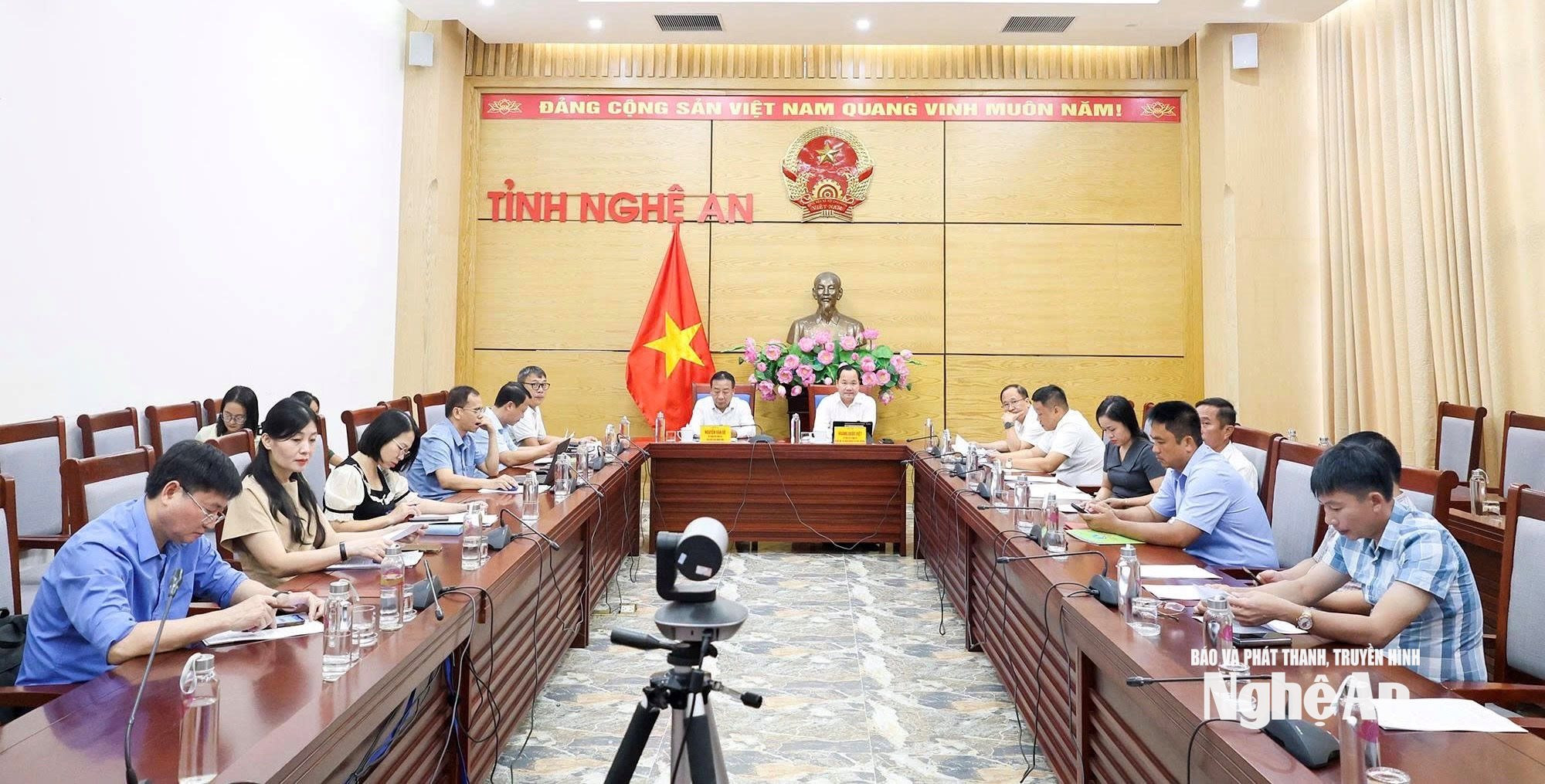
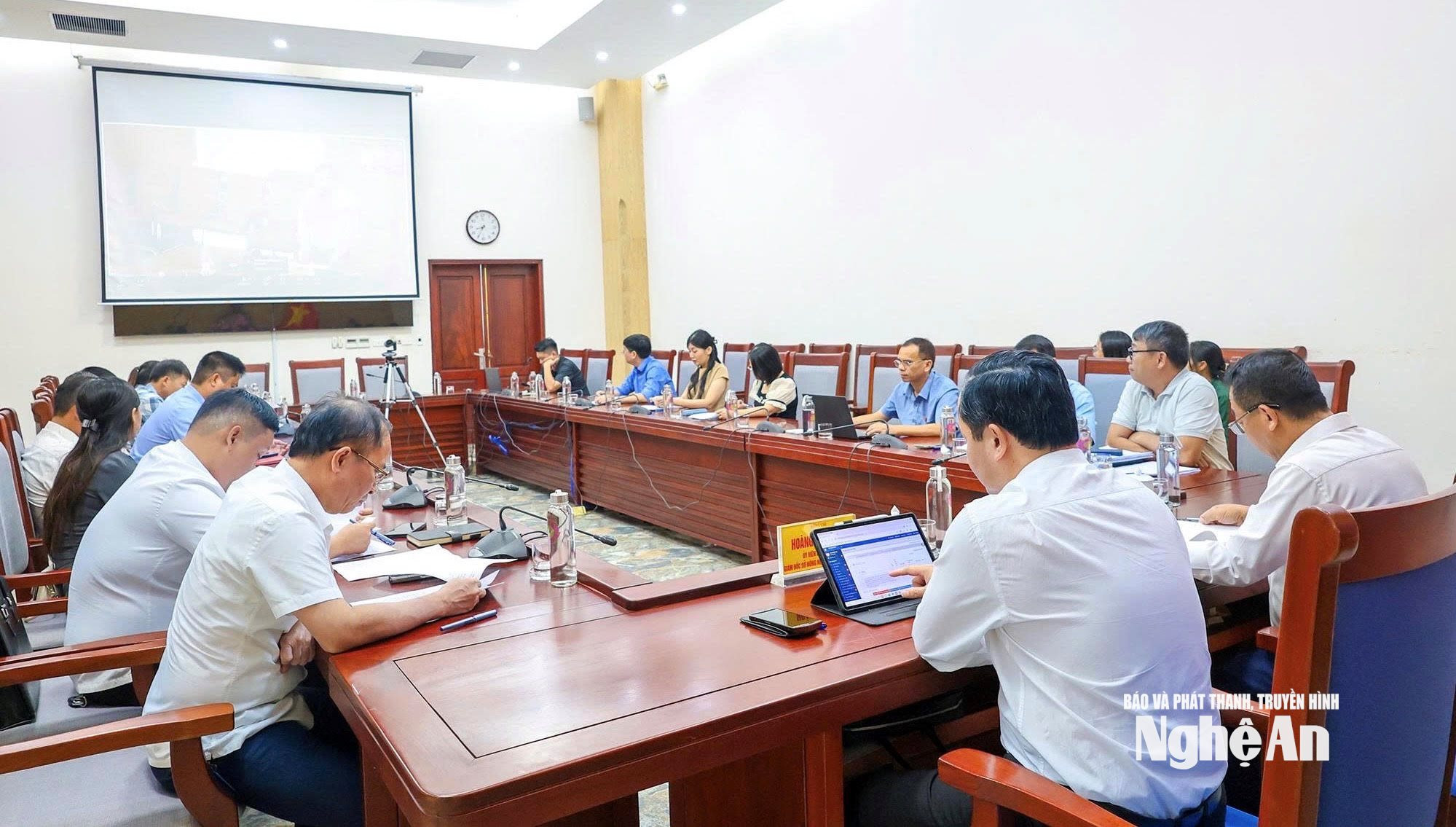
On the morning of August 4th, the Ministry of Agriculture and Environment held a nationwide online conference to implement Government Resolution No. 36/2026/NQ-CP on simplifying administrative procedures in granting planting area and packaging facility codes. The resolution includes several new points such as decentralizing authority to commune-level People's Committees, implementing full-process online public services, and shifting from a pre-inspection to a post-inspection mechanism.
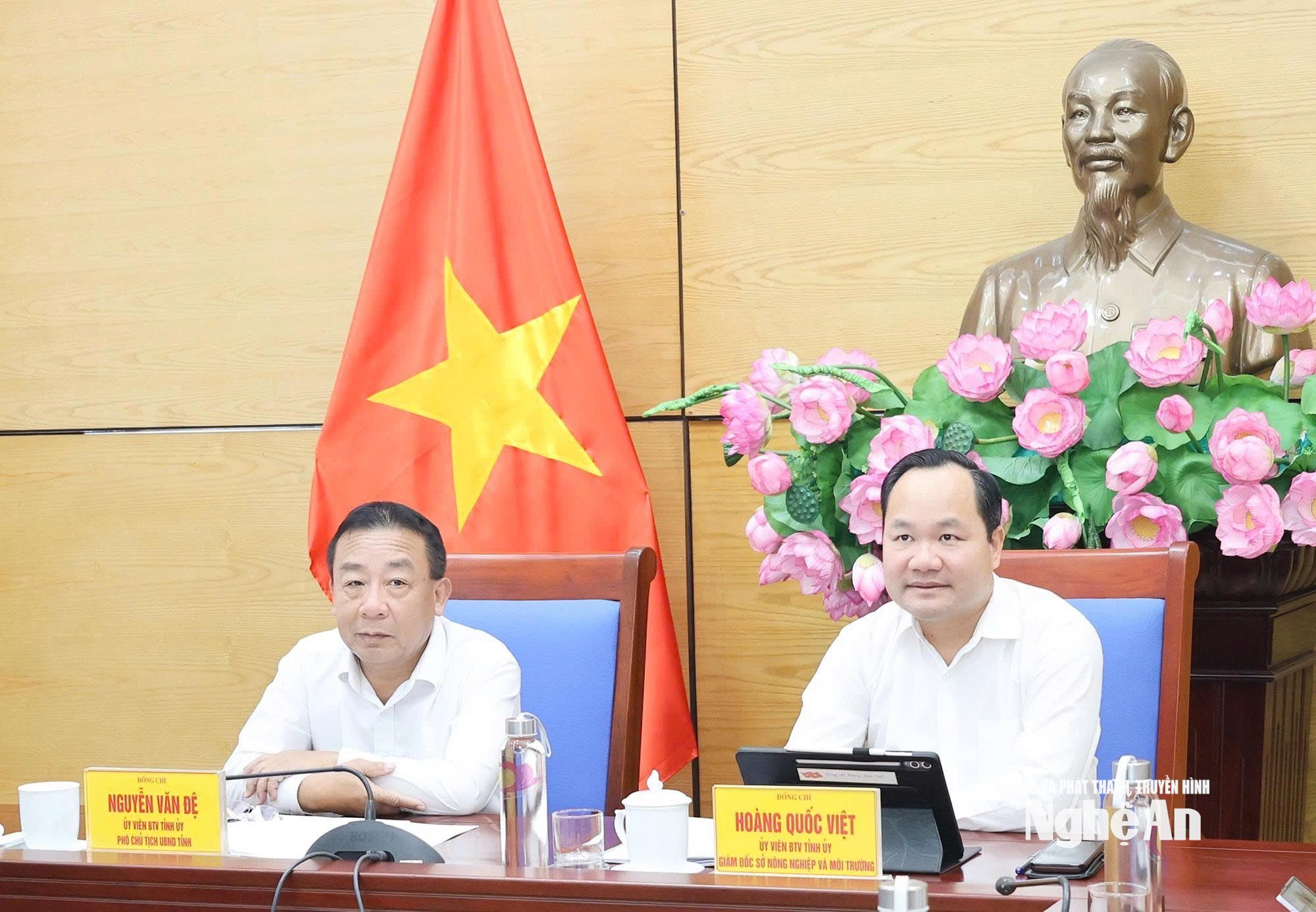
At the Nghe An provincial venue, the meeting was chaired by members of the Provincial Party Standing Committee: Nguyen Van De - Vice Chairman of the Provincial People's Committee; and Hoang Quoc Viet - Director of the Department of Agriculture and Environment.
Implement the entire process online, decentralizing to the commune level.
Resolution No. 36/2026/NQ-CP, effective from July 31, 2026, marks a turning point in reform with the spirit of minimizing paperwork, thoroughly decentralizing power, and achieving 100% digitalization.
The core of the Resolution is to transform the entire process of issuing codes for growing areas and packaging facilities into a full-process online public service on the National Public Service Portal. The authority to receive and process applications is thoroughly decentralized to the People's Committees at the commune level; bringing public services closer to farmers and businesses.
The new mechanism operates on the principle that the issuance and management of planting area codes and packaging facility codes are carried out entirely online, based on the principle of self-declaration and self-responsibility by organizations and individuals. This reduces compliance time and costs, simplifies administrative procedures, avoids the creation of new administrative procedures, facilitates organizations and individuals, and ensures transparency, feasibility, and suitability to the actual conditions of crop production and packaging.
Administrative procedures for granting planting area codes and packaging facility codes must be linked to post-inspection, monitoring, and enforcement mechanisms, as well as traceability by competent state agencies; pre-inspection should only be carried out in cases where importing countries require planting area codes or packaging facility codes. Organizations, individuals, cooperatives, and production groups are encouraged to form large-scale, concentrated raw material areas to obtain planting area codes.
Reduce the time for processing applications and issuing identification numbers.
The reforms to the process under the new Resolution help to minimize waiting times for citizens and businesses, shifting from a lengthy review process that takes weeks to complete to a lightning-fast one.
Processing procedure for new registration number applications: The competent authority will issue the registration number within 3 working days from the date the system receives a complete and valid online application. For applications for re-issuance or information updates (in cases of changes to the entity's information, area, or facility name): The processing time is shortened to a maximum of 2 working days.
In the event of a technical malfunction in the Public Service Portal or the Electronic One-Stop Information System, the People's Committee at the commune level is permitted to receive paper-based applications directly. This mechanism ensures that all procedures for the trade, harvesting, and export of agricultural products by the people are not interrupted or disrupted.
Shifting the focus of management to "post-audit"
The core change in the new Resolution lies in the management mindset: Issuing codes first, conducting on-site inspections later. The new regulations establish a transparent yet rigorous mechanism based on two principles: Citizens and businesses self-declare and take responsibility for the accuracy of their documents. Authorities will immediately issue codes based on online documents to avoid delays in harvesting and trading.
Subsequently, within three months of the code issuance date, the People's Committee at the commune level will form a team to conduct on-site inspections at the orchards or packaging facilities to verify the information. The practice of organizing on-site inspections before code issuance has been abolished. This "pre-inspection" process is now only applied to growing areas and packaging facilities exporting to foreign markets that require mandatory on-site inspections before code issuance.
Applying technology to manage and prevent code fraud.
In his concluding remarks at the conference, the leader of the Ministry of Agriculture and Environment emphasized that opening up administrative procedures must go hand in hand with tightening discipline; streamlining procedures does not mean loosening management.
Accordingly, the Ministry requires localities to immediately implement three key tasks: improving the professional capacity of commune-level officials to promptly receive and process documents online; ensuring that on-site inspections (post-inspection) are carried out on schedule within three months, without any backlog; and ensuring that 100% of planting area and packaging facility codes, once issued, are digitized into QR codes. This technology allows customs agencies, purchasing businesses, and consumers to scan the codes and trace the origin instantly, contributing to improved traceability, limiting the misuse or falsification of planting area codes, and protecting the reputation of Vietnamese agricultural products in the export market.


