
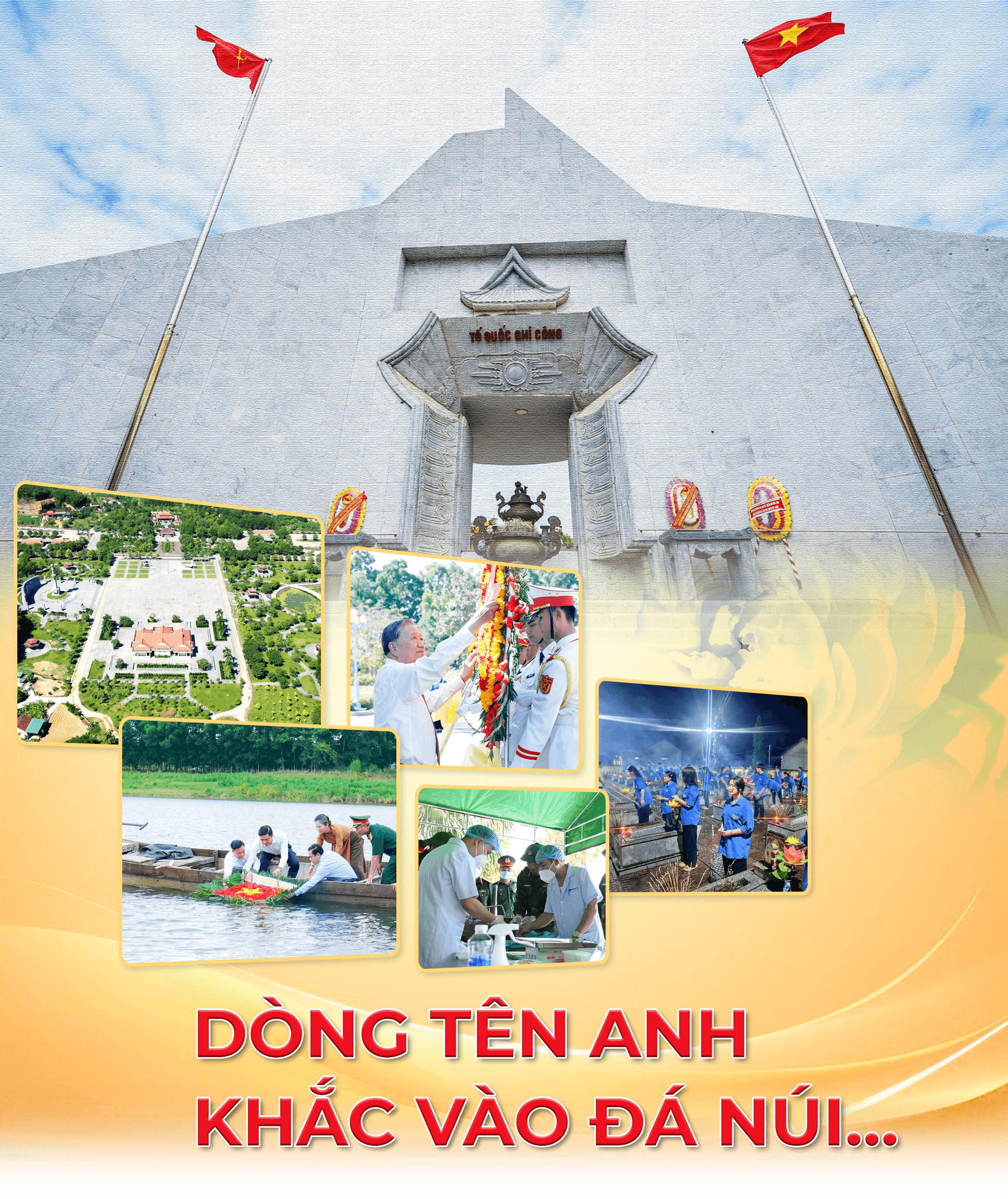
His name is carved into the mountain rock...
July has arrived again, the scent of incense permeates the cemeteries of fallen soldiers, and millions of Vietnamese hearts respectfully turn towards the Day of War Invalids and Martyrs on July 27th. For nearly eight decades, this day of gratitude has become a symbol of the principle of "drinking water, remembering the source," reminding each person that today's independence and freedom were bought with the sacrifices of countless generations of our ancestors.
Duc Dung• July 23, 2026
July has arrived again, the scent of incense permeates the cemeteries of fallen soldiers, and millions of Vietnamese hearts respectfully turn towards the Day of War Invalids and Martyrs on July 27th. For nearly eight decades, this day of gratitude has become a symbol of the principle of "drinking water, remembering the source," reminding each person that today's independence and freedom were bought with the sacrifices of countless generations of our ancestors.
* * * * *
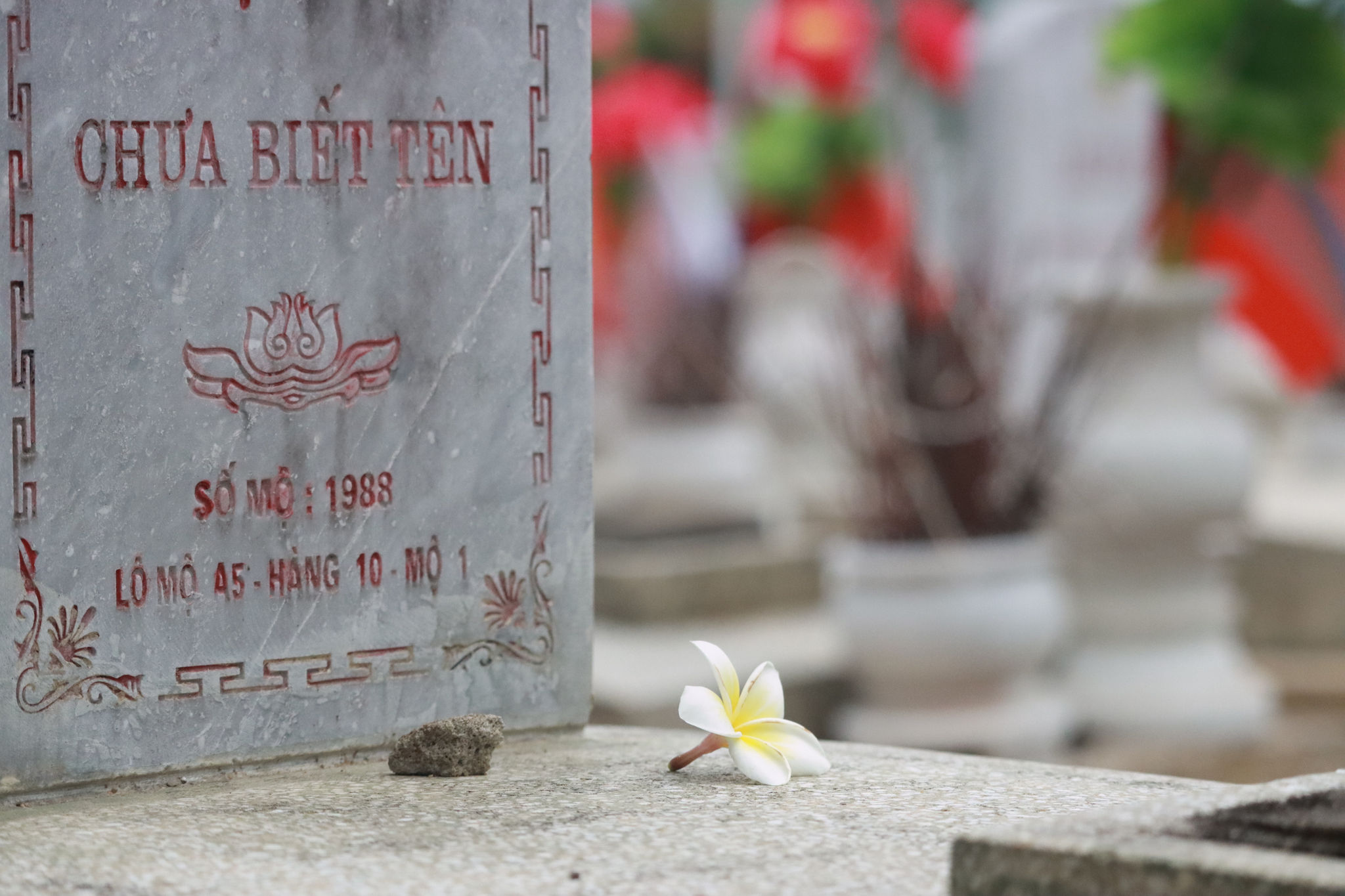
During the brutal years of war, some soldiers returned with wounds they would carry for life, while others perished on the battlefield at a young age. But they will never be forgotten. Each fallen soldier has a name, a homeland, a family, and loved ones who anxiously await their return. Behind each martyr's grave lies a story of patriotism, dedication, and the never-ending pain of those left behind. Therefore, searching for the names of those who have fallen is not only a responsibility but also a matter of national duty. The following verses have touched hearts, reminding each of us that behind the word "martyr" lies a person whose name, memories, and life will never be forgotten:
"Please don't call him an unknown martyr."
He has a name like any other face.
My mother gave birth to him exactly one day and one month later.
Father chooses names based on age and season..." (*)
-67e14b2cdd4987b2eb7c56e0c4466b34.jpg)
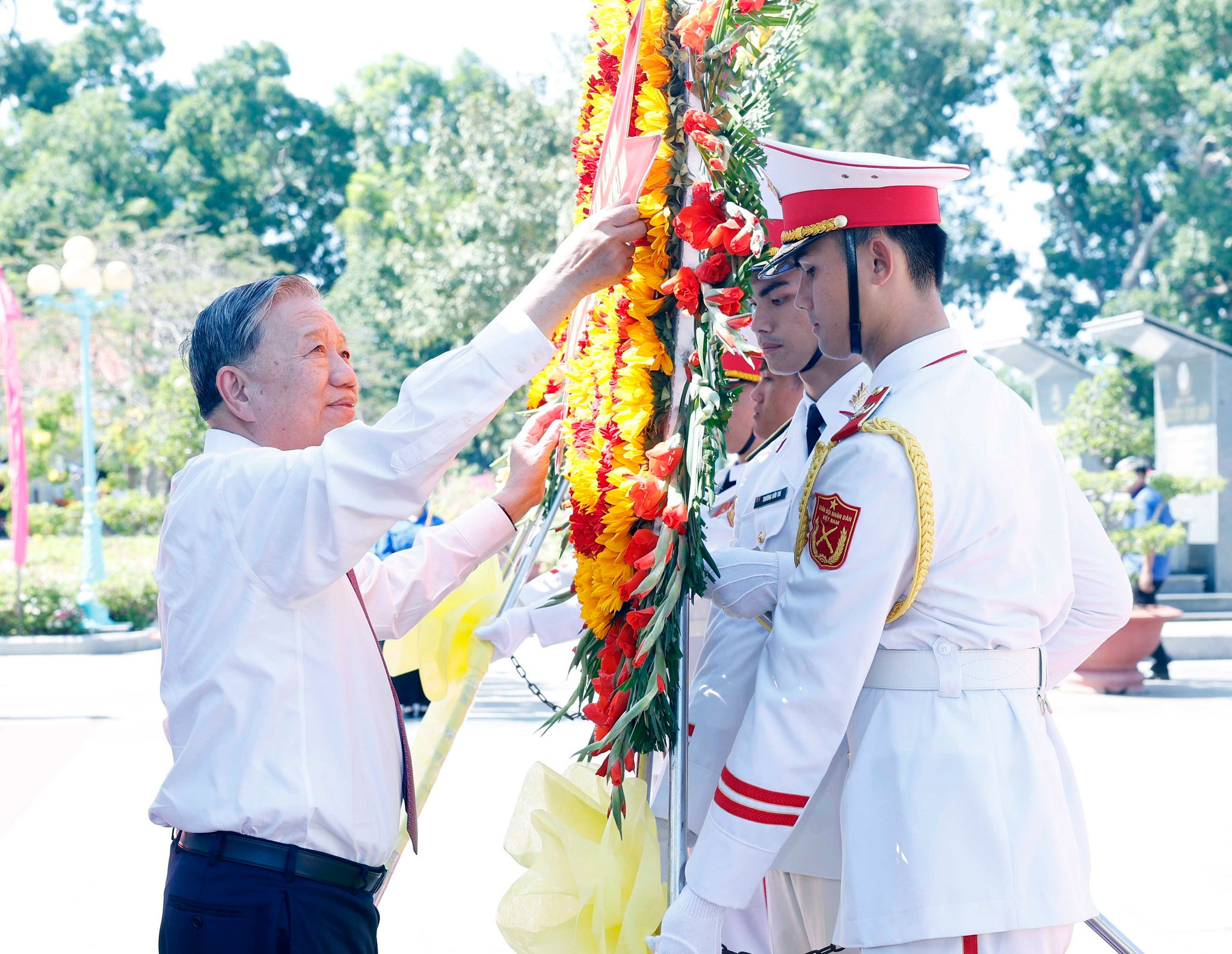
Before becoming soldiers, before becoming part of the image of the Fatherland, each martyr was a human being of flesh and blood, with a name, a home, parents, a homeland, and very simple dreams. War may lose records, erase the traces of a grave, but it cannot erase the identity of those who dedicated their lives to the country. The Fatherland will never forget you, the People will never forget you.
That is also why, for many decades, the Party, the State, and the entire society have always paid special attention to the work of "showing gratitude and repaying kindness," caring for those who have rendered meritorious service to the revolution, and searching for and collecting the remains of martyrs. This is not only about implementing policies for those who have rendered meritorious service, but also about continuing the age-old moral principles of the nation: "Drinking water, remember the source," "Eating fruit, remember the person who planted the tree." A nation that knows how to be grateful to the past has the strength to move towards the future.
.jpg)
The year 2026 holds special significance as the entire nation looks forward to the 80th anniversary of the Day of War Invalids and Martyrs (1947-2027). It also marks the launch of the "500-Day Campaign" (from March 15, 2026 to July 27, 2027), aimed at accelerating the search, collection, and identification of martyrs whose information is incomplete, using various solutions, including the application of DNA technology and the establishment of a database. This campaign demonstrates the determination and responsibility of the Party, the State, and the entire political system in identifying martyrs whose information is missing, contributing to fulfilling the aspirations of their families, comrades, and the people.
This journey cannot be delayed, for time is slowly taking away the witnesses who knew where their comrades lay, the veterans who went through the war, and the mothers who anxiously awaited news of their sons. Each set of remains found, each DNA sample identified, each artifact verified is not only a professional achievement, but also a source of happiness for families after years of waiting.
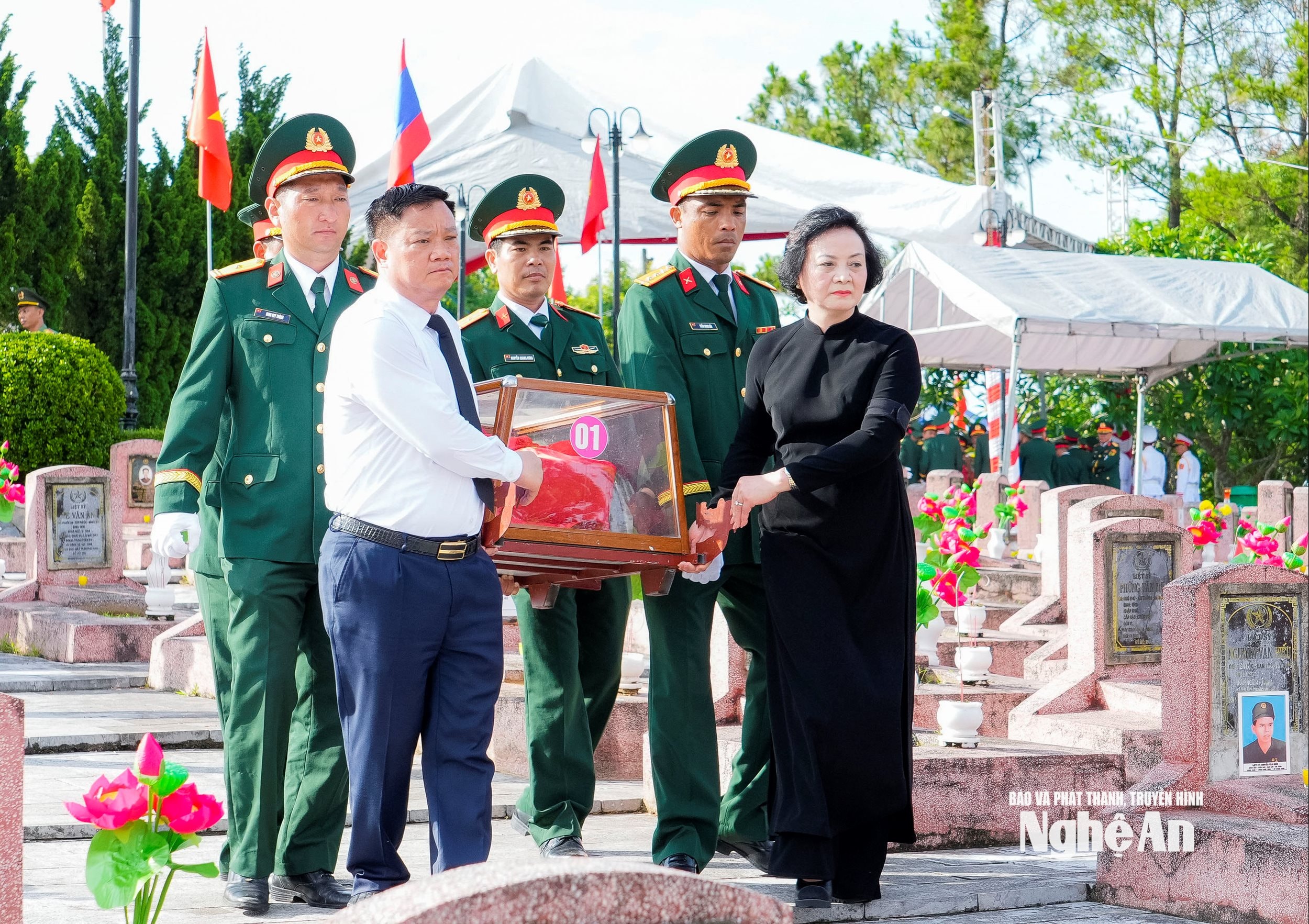
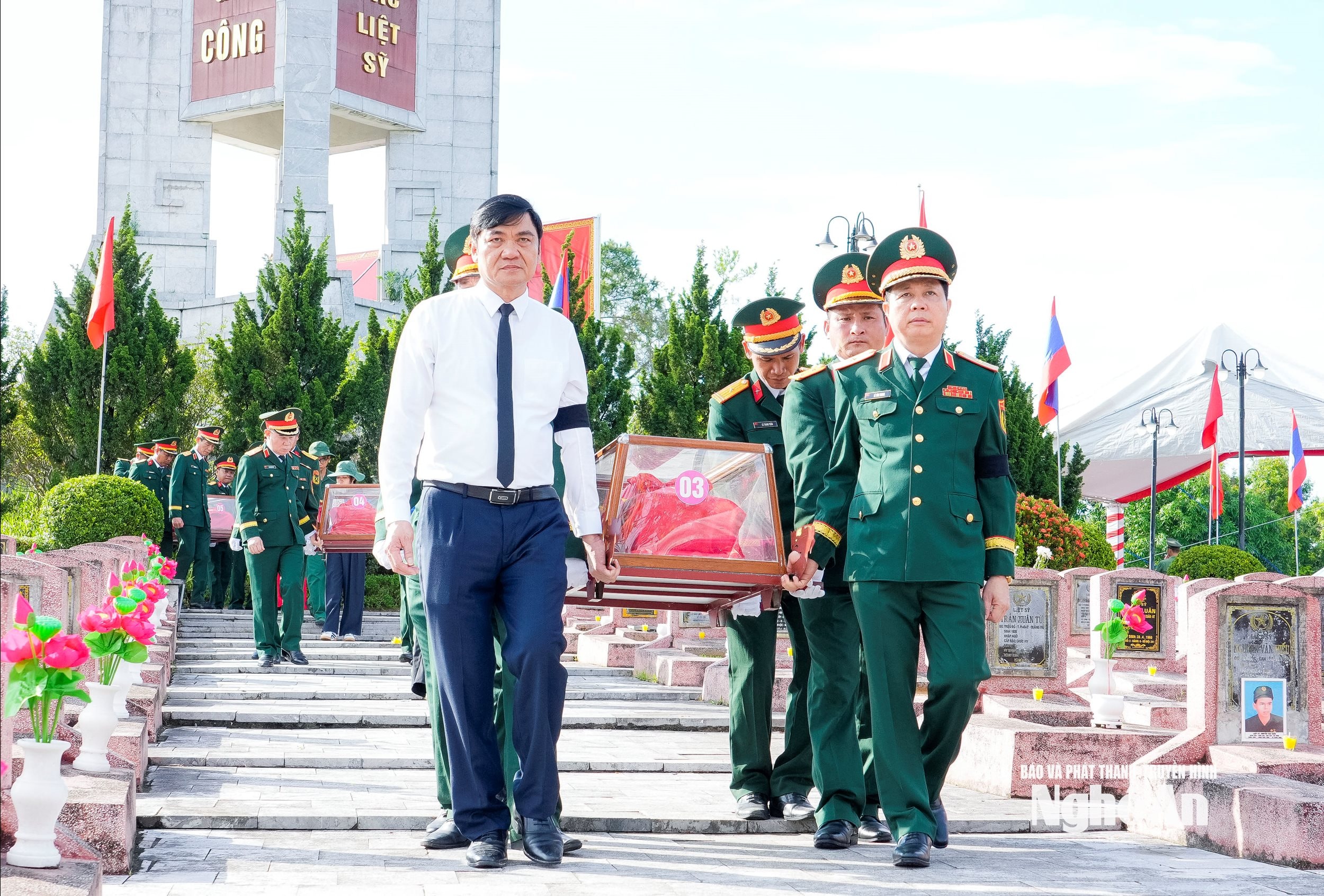
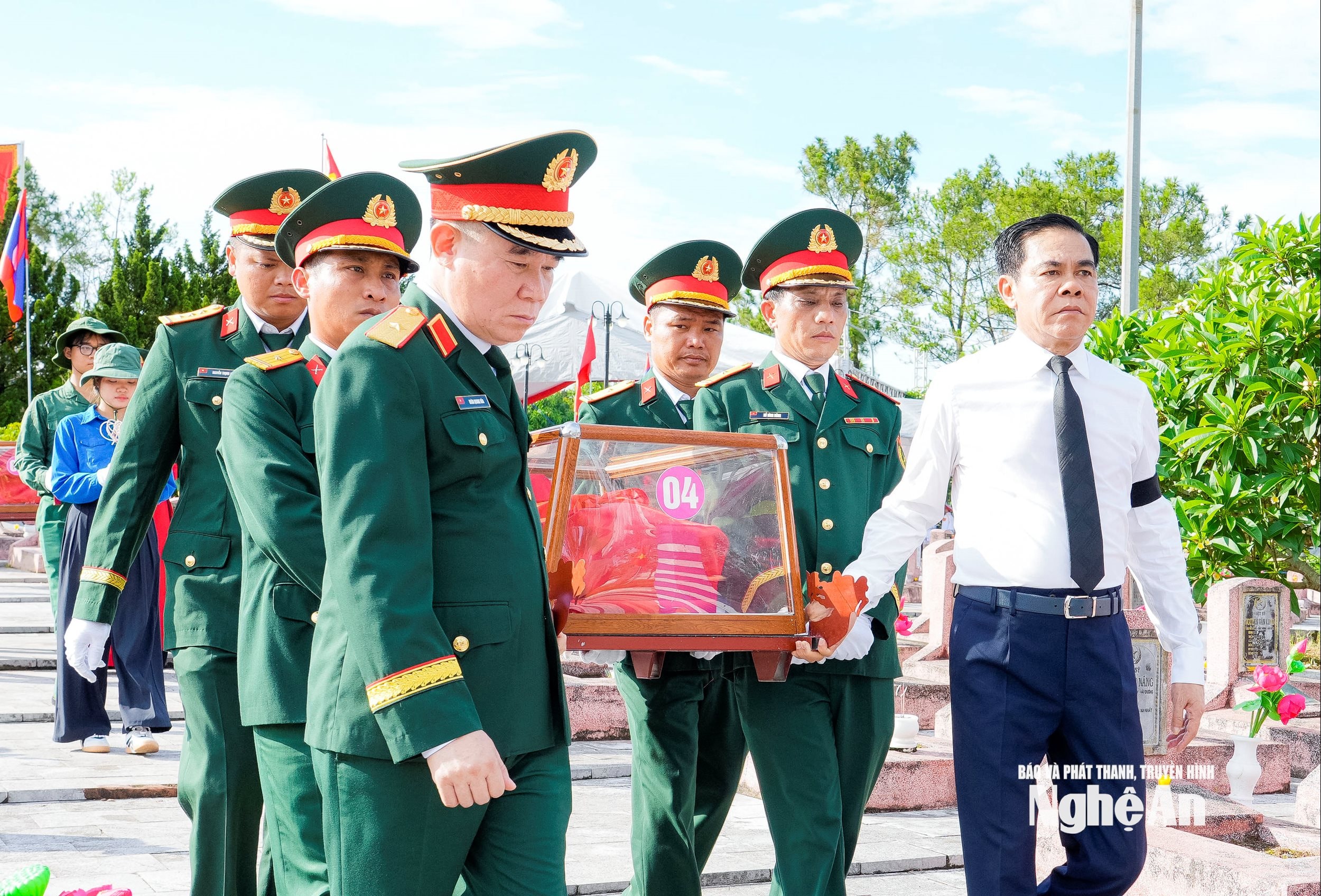
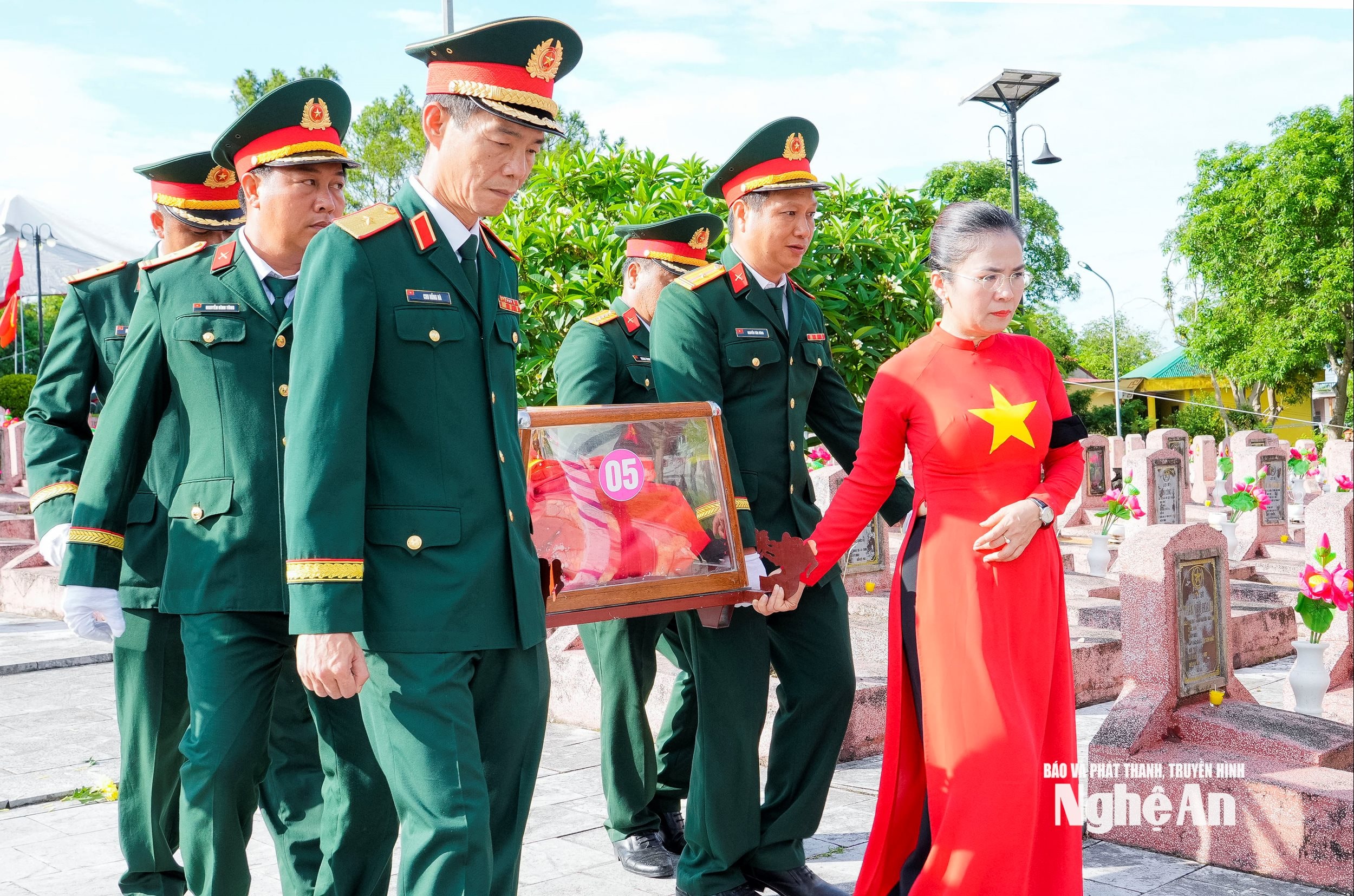
Throughout that journey, countless stories have left us speechless. There are families who, for over half a century, have only worshipped a certificate of "Recognition from the Fatherland," without knowing where their children are buried. There are mothers who passed away without ever having the chance to embrace the earth where their children rest. There are soldiers who went through the war, dedicating the rest of their lives to searching the mountains and forests for their comrades. These searches are not only the responsibility of the authorities, but also a command from the heart of the entire nation. Because behind each unmarked grave lies a life completely dedicated to the Fatherland, a youth left unfulfilled, a home forever missing a son. And that is why, whenever the melody of the song "The Color of Red Flowers" is played, millions of Vietnamese people are still deeply moved.
"There was a soldier who left his humble thatched house that autumn."
There was a soldier who left there that spring and never returned…” (**)
That song tells the story of millions of soldiers. They departed from thatched houses, from fields, riverbanks, from lecture halls and construction sites, carrying with them the nation's aspiration for independence. Some returned on the day of complete victory, while others became one with the country, ensuring that the nation's spring would blossom forever.
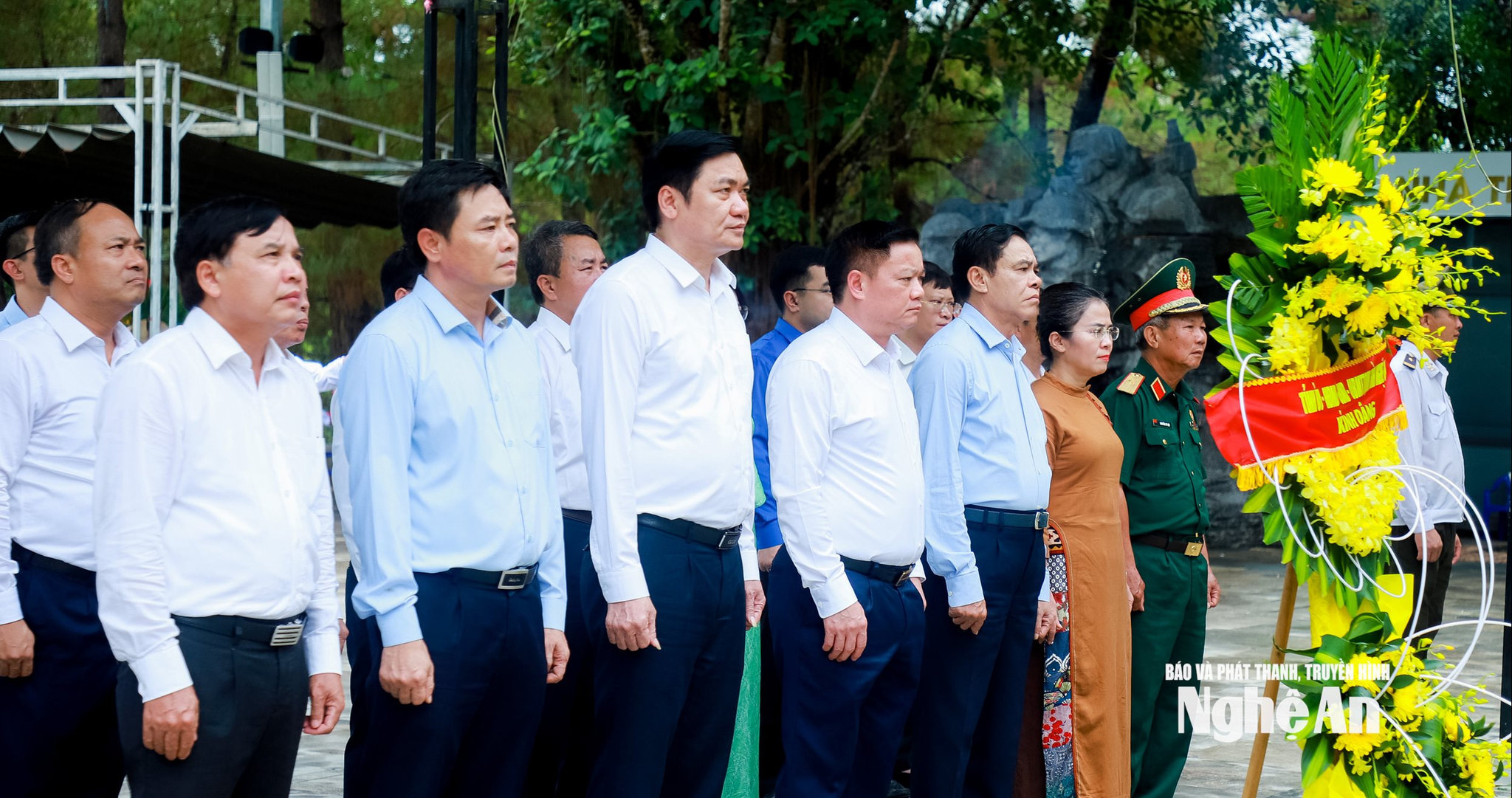
.jpg)
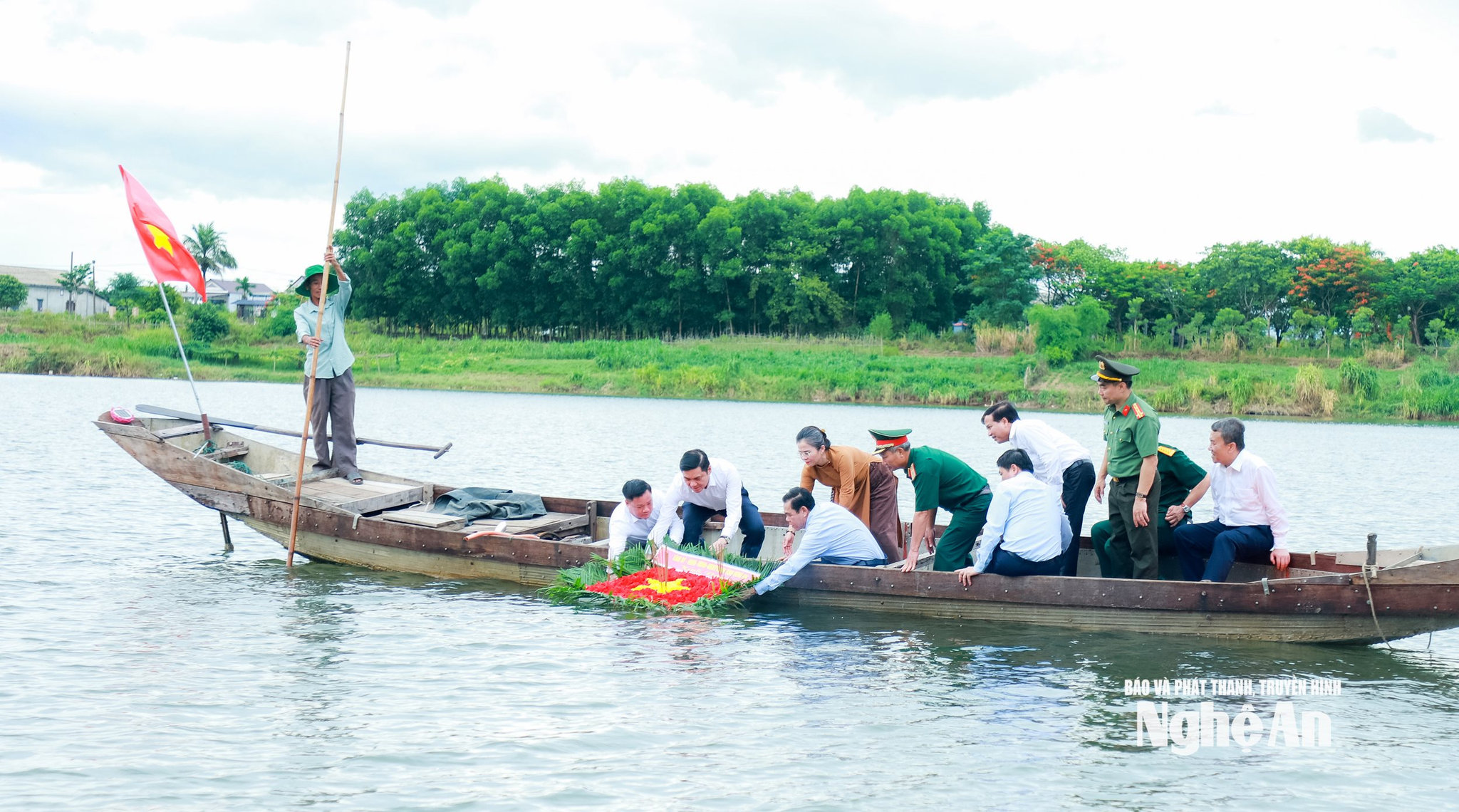
And behind those soldiers were their mothers. These heroic Vietnamese mothers sacrificed the most sacred things for the Fatherland. That image is depicted in immortal lyrics:
"I saw my son off three times, and I cried silently twice."
"The brothers didn't come home, and Mother remained silent..." (***)
This is not just the pain of one mother. It is a symbol of the silent yet great sacrifice of tens of thousands of heroic Vietnamese mothers across the country. These mothers transformed their tears into strength, their personal losses into a shared victory for the nation. It is from these mothers that the country gained brave sons and daughters, and the Fatherland gained immortal monuments of revolutionary heroism.
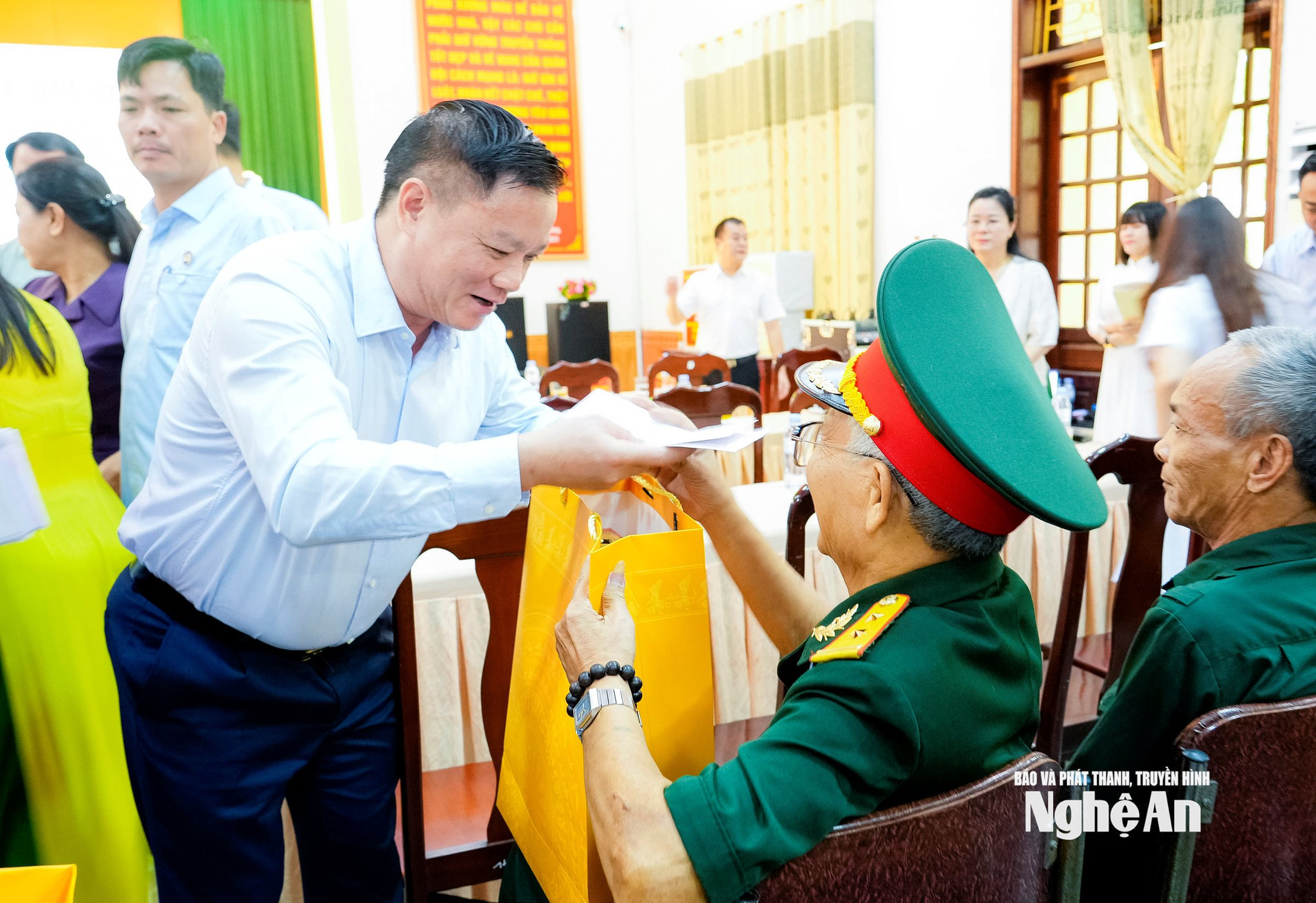
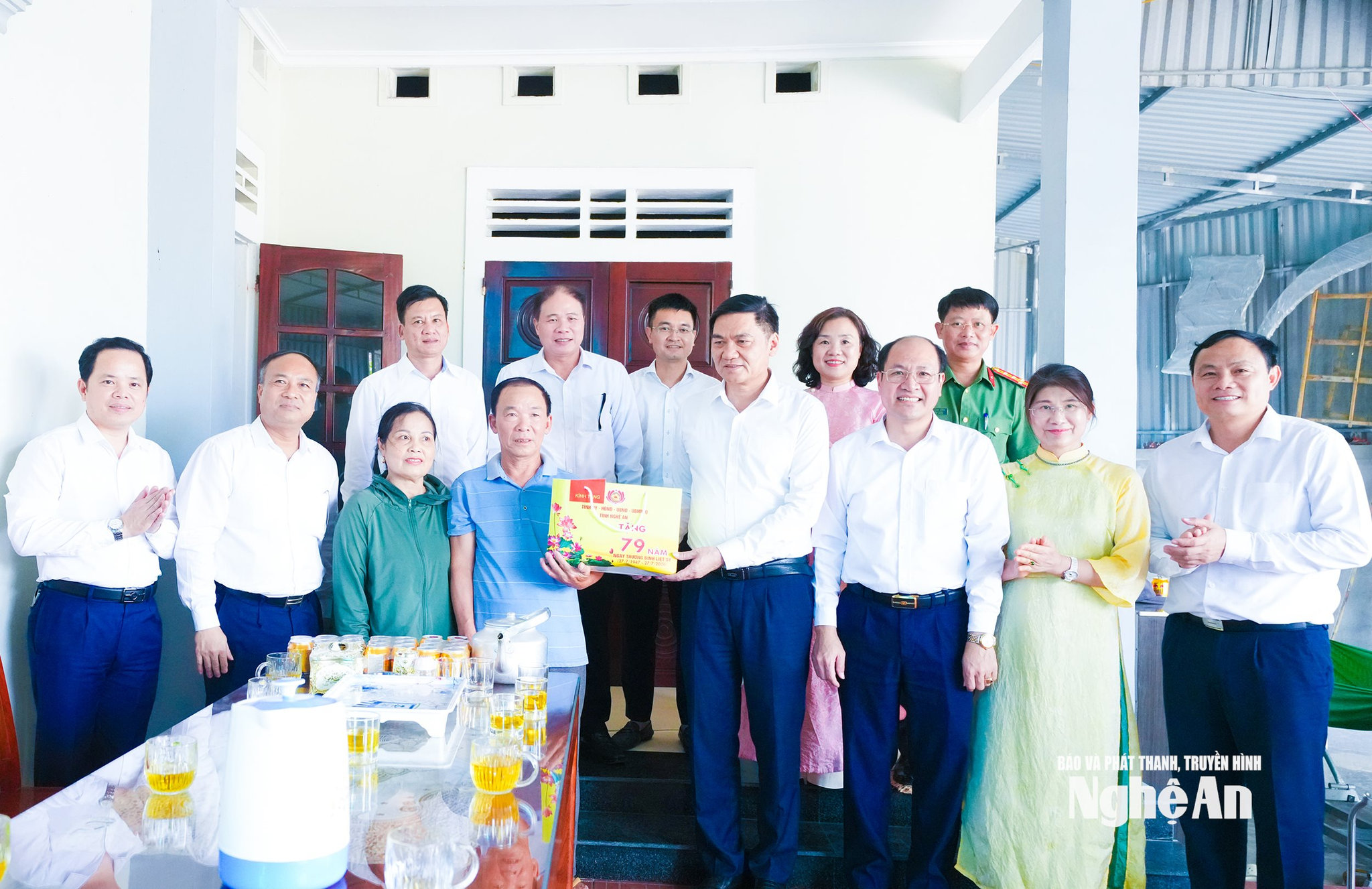
.jpg)
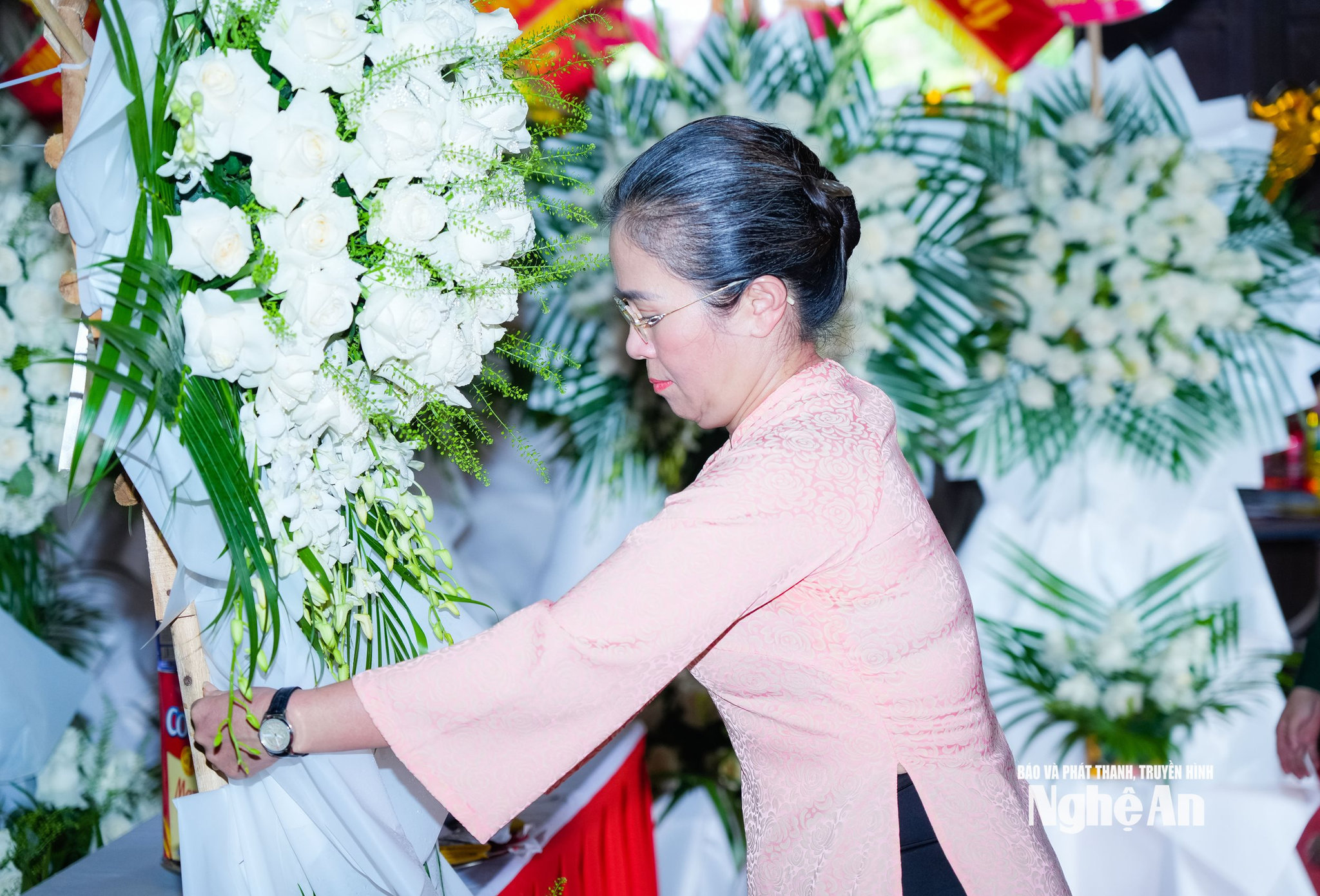
During the wars of resistance to protect national independence, unification, and sovereignty, Nghe An was one of the localities with a glorious revolutionary tradition, sending tens of thousands of its sons and daughters to join the army, volunteer youth, and civilian laborers on the front lines. Many of them forever rest in the battlefields of Truong Son, Quang Tri, and in neighboring Laos and Cambodia... Their blood and bones have mingled with the motherland, so that today peace exists in every home, every village, and in the unforgettable memories of the people.
Mentioning Nghe An immediately brings to mind the Truong Bon National Historical Site – a "fire zone" on the strategic Route 15A during the years of the war against the US. At dawn on October 31, 1968, as the resistance entered a critical moment, 13 officers and soldiers of the 317th Youth Volunteer Company bravely sacrificed their lives while on duty ensuring traffic flow. The sacrifice of these young people contributed to maintaining the vital transportation artery to the front lines, becoming an immortal symbol of revolutionary heroism.
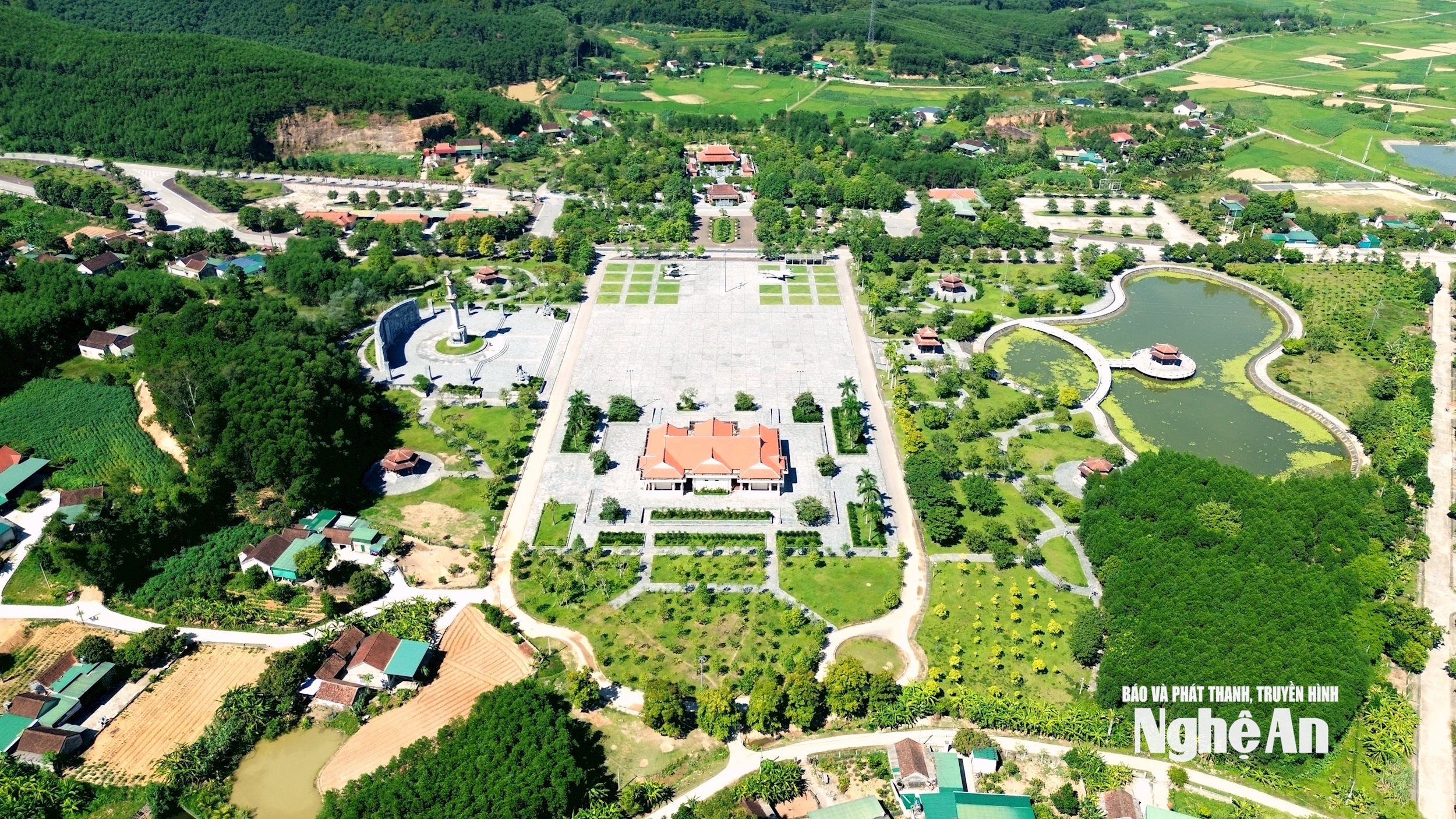
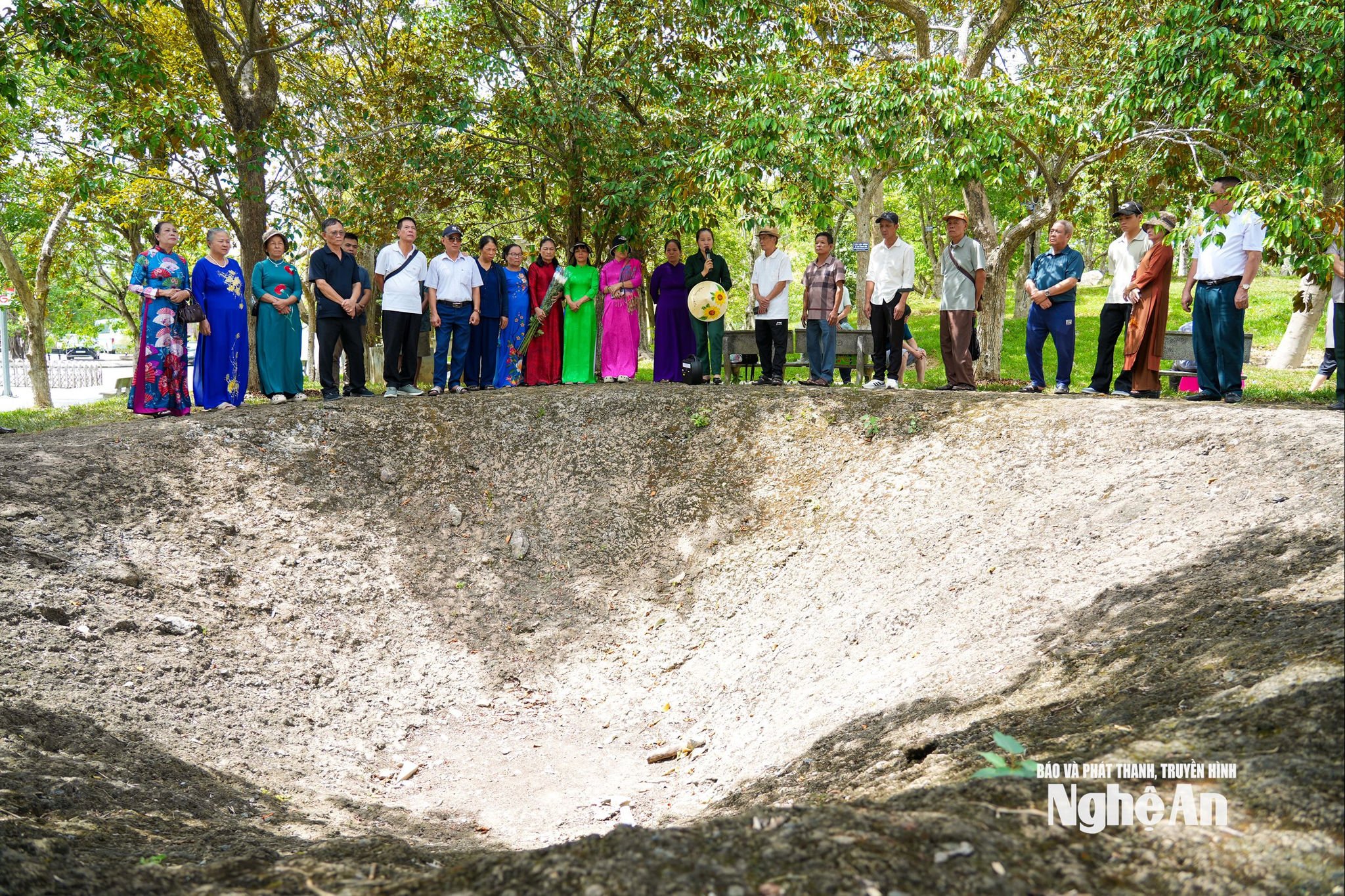
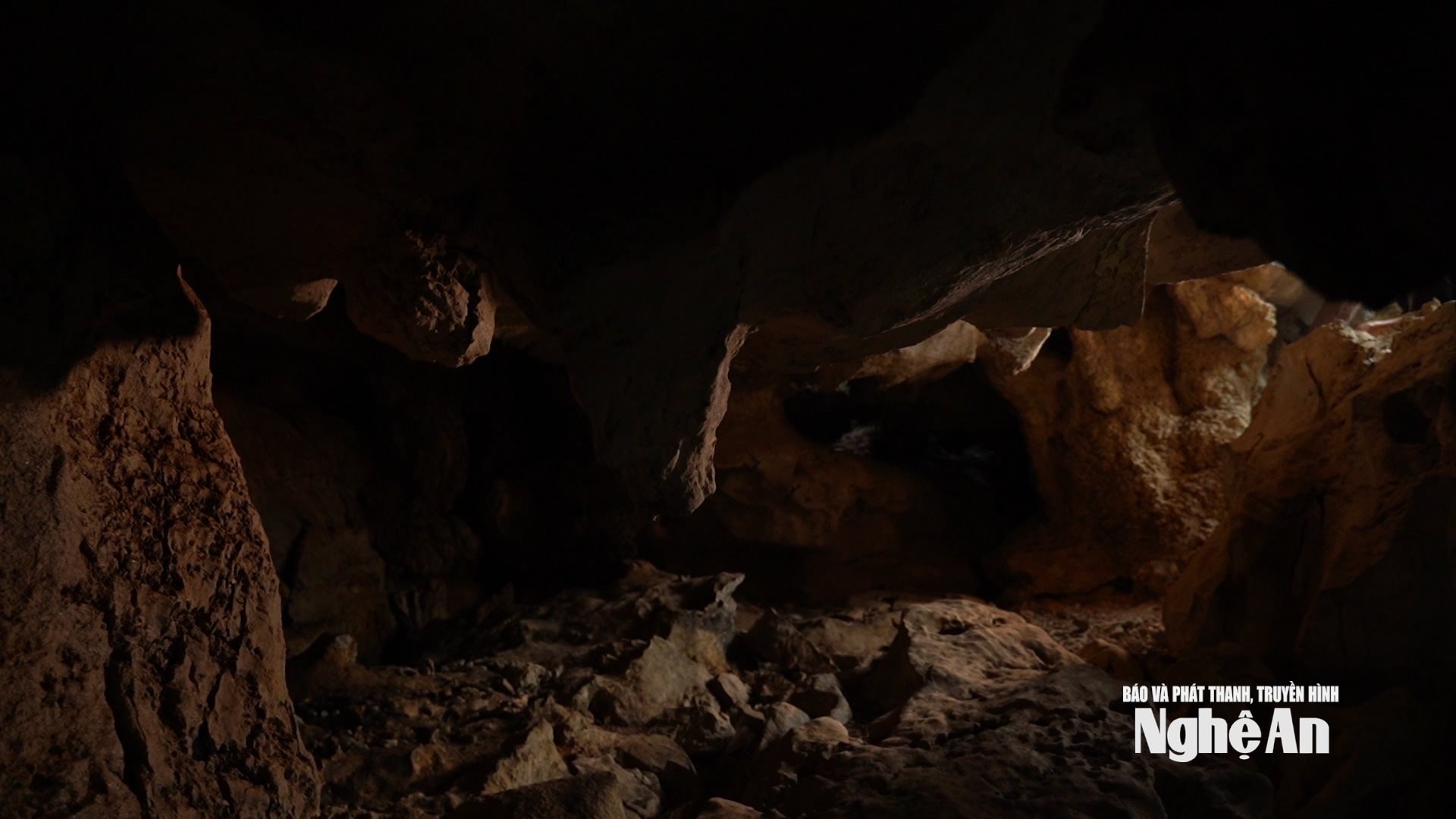
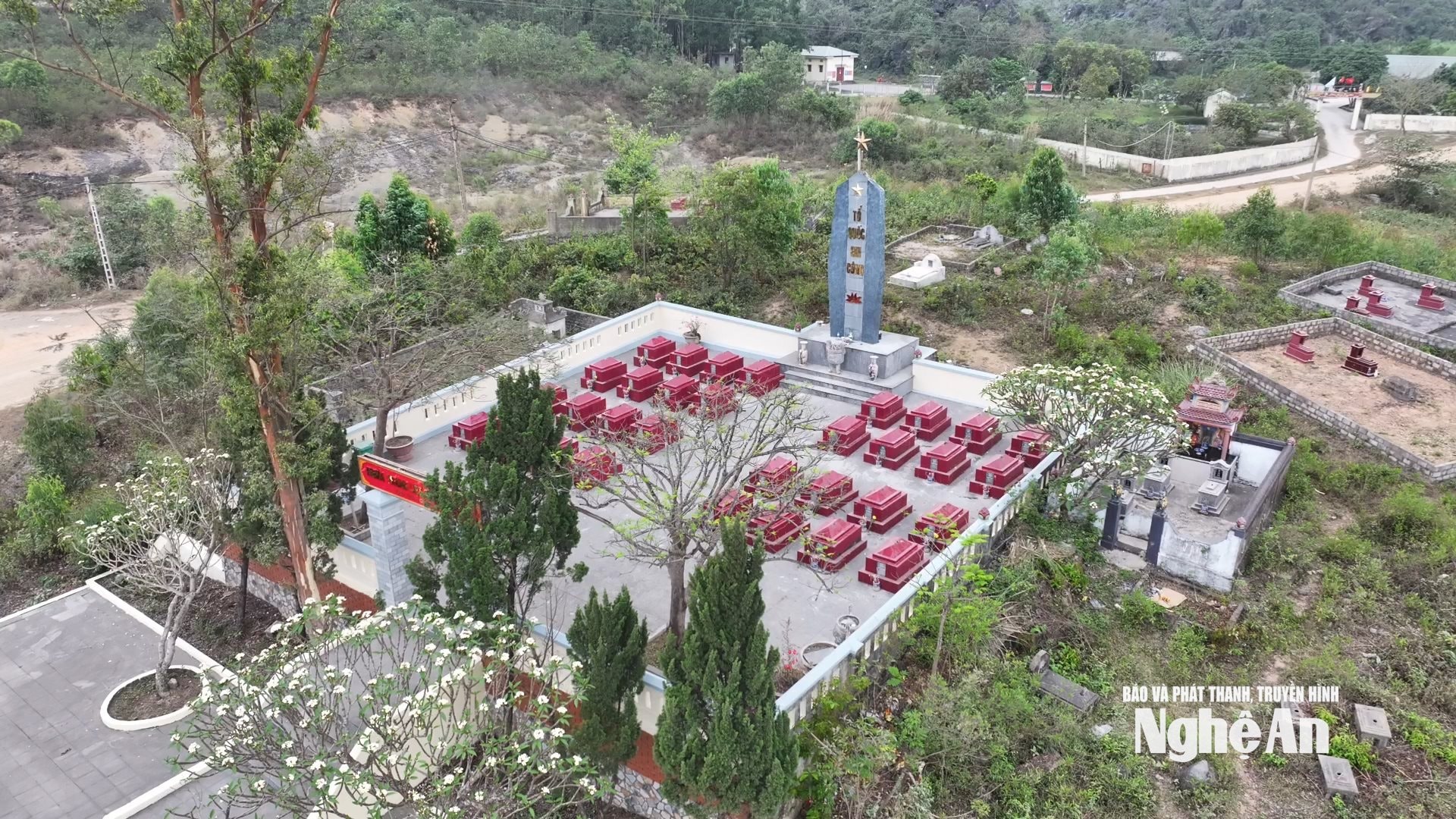
Along with Truong Bon, Hoa Tien Cave and many other revolutionary sites in Nghe An province still preserve the memory of a time of tenacious struggle. The cliffs that once sheltered soldiers, youth volunteers, and civilian workers during the bombing raids have today become "red addresses," places where the present generation comes to understand that independence and freedom did not come naturally, but were earned through the sacrifices of countless generations.
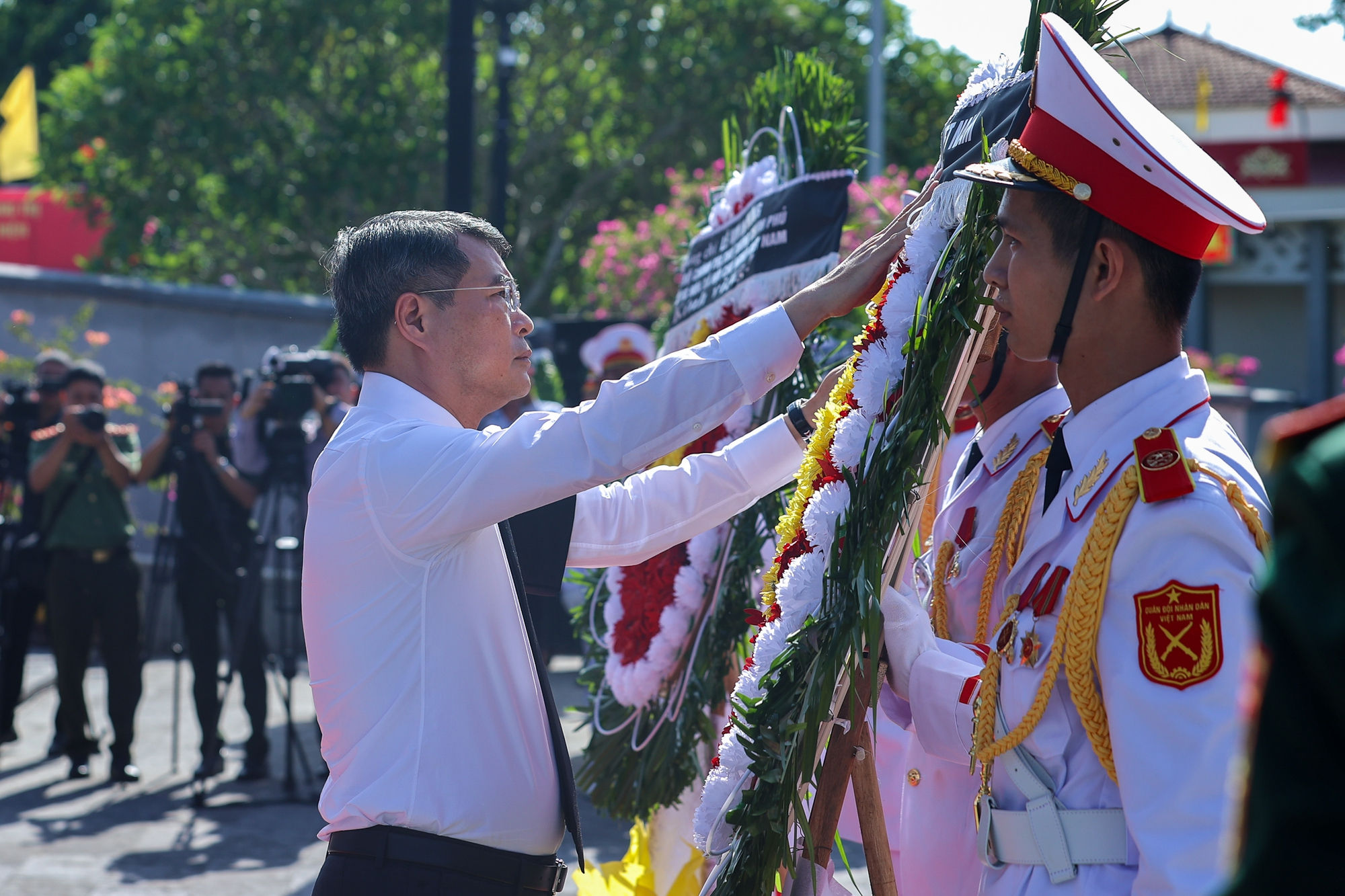
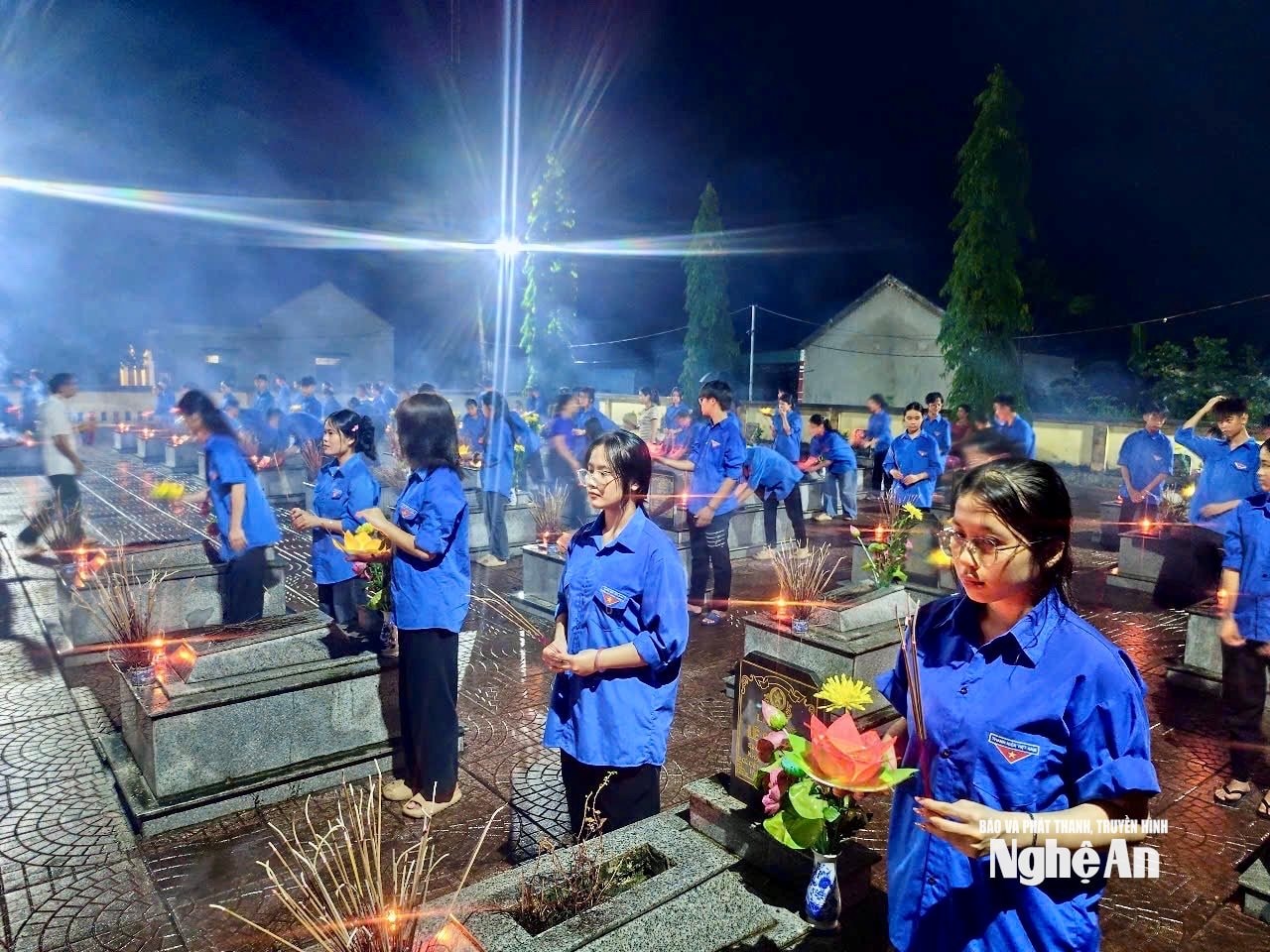
Every July, people flock to Truong Bon, the Vietnam-Laos International Martyrs' Cemetery, and other cemeteries and memorials throughout Nghe An province to offer incense and pay respects. This is not only a ritual of gratitude, but also a return to history, a connection between those who have fallen and the generations building their homeland. In the candlelight of July, each person deeply understands that today's peace is the result of the blood, sweat, and youth of those who came before.
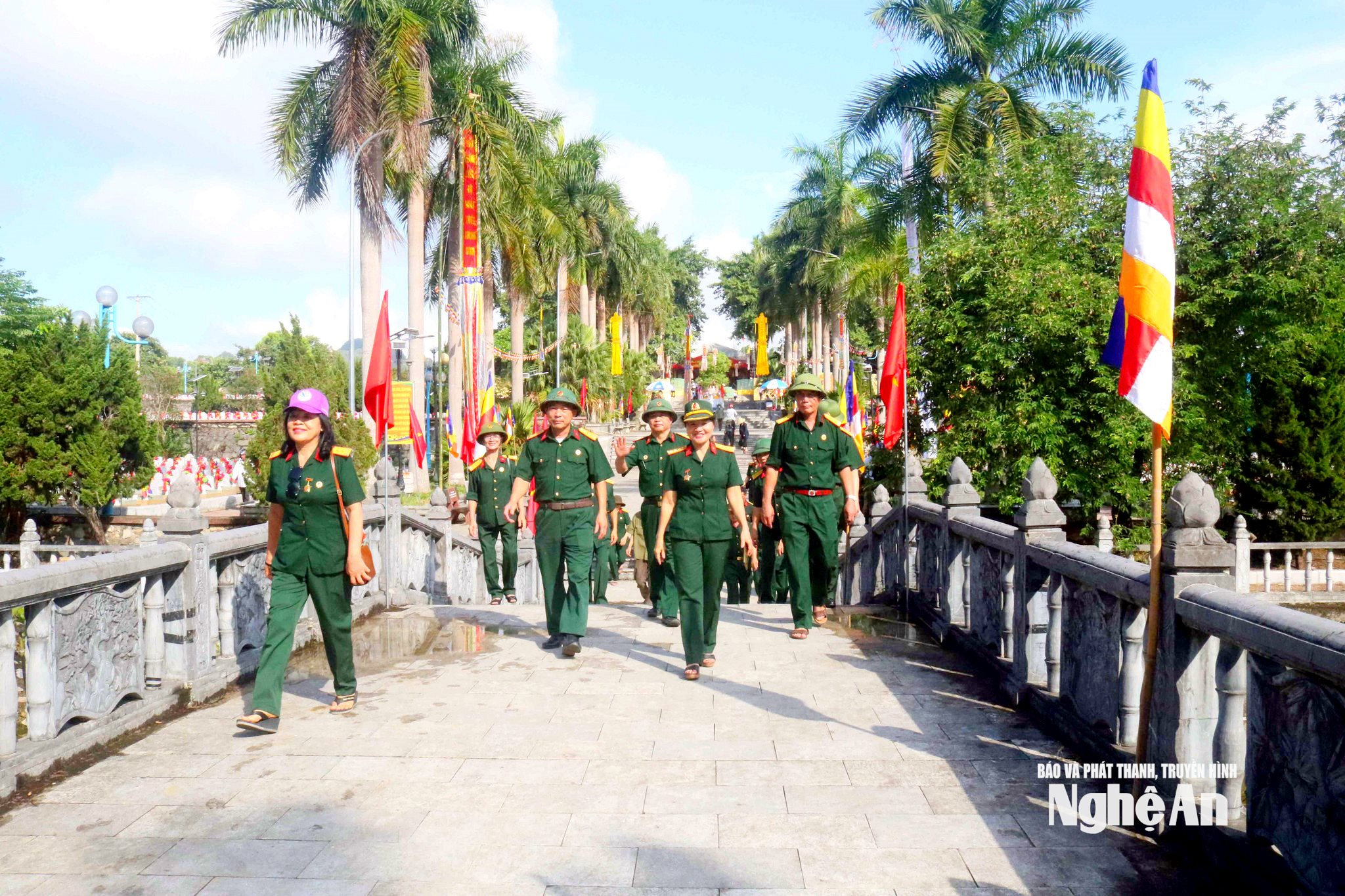
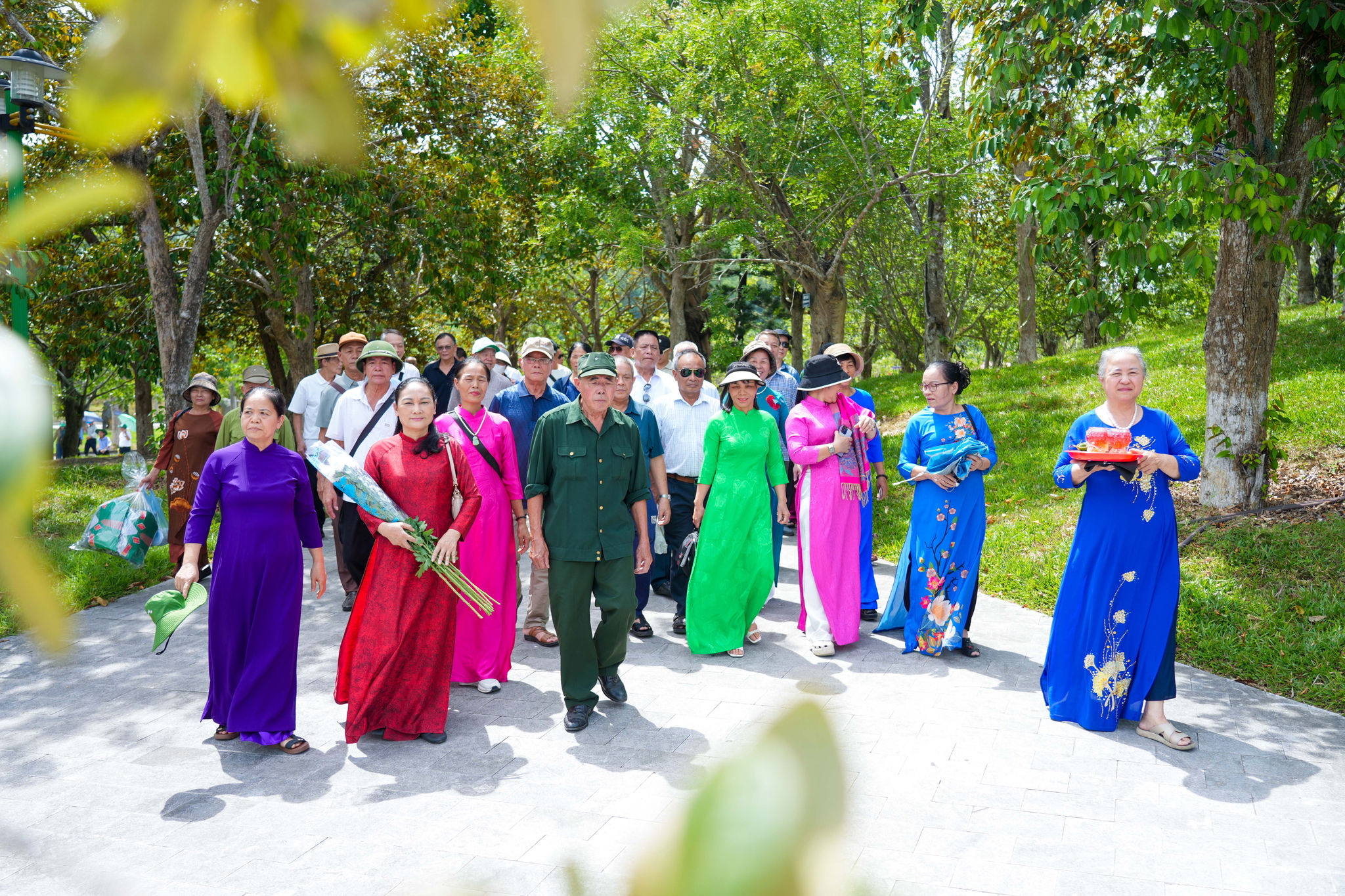
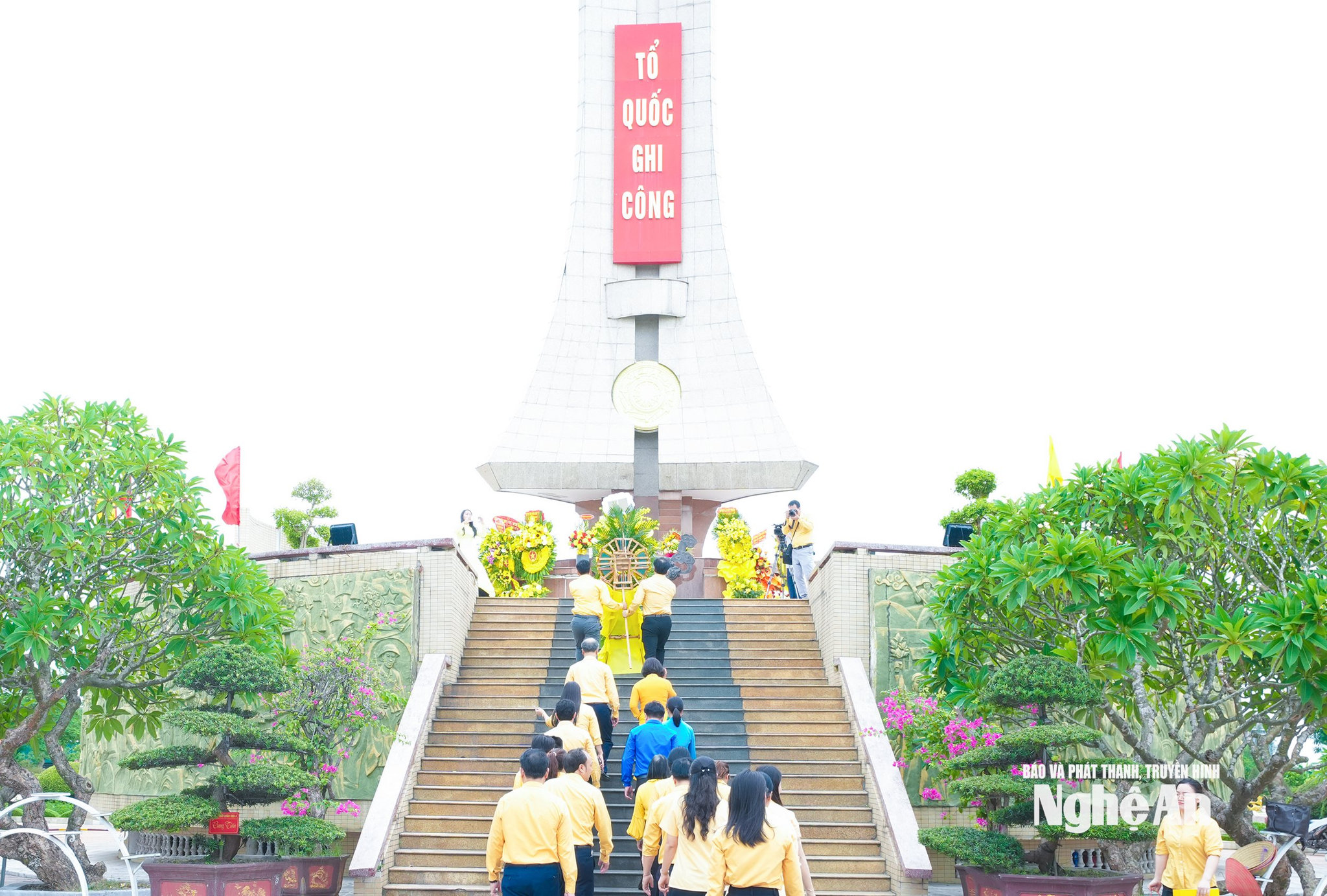
Along with the rest of the country, Nghe An is actively implementing the "500-Day Campaign" with specific and practical tasks: reviewing and digitizing martyr records; collecting information from witnesses; taking biological samples from relatives and remains of martyrs for DNA testing; completing the database of meritorious individuals; and coordinating with forces in the search and repatriation of remains. Each piece of information added to the records, each DNA sample successfully matched, is not only a scientific achievement but also a step forward in the journey of bringing those who sacrificed their lives back to their rightful names, hometowns, and families. Because behind each unidentified grave lies the long-awaited hope of loved ones; behind each DNA test result lies the happiness of a reunion after decades of separation.
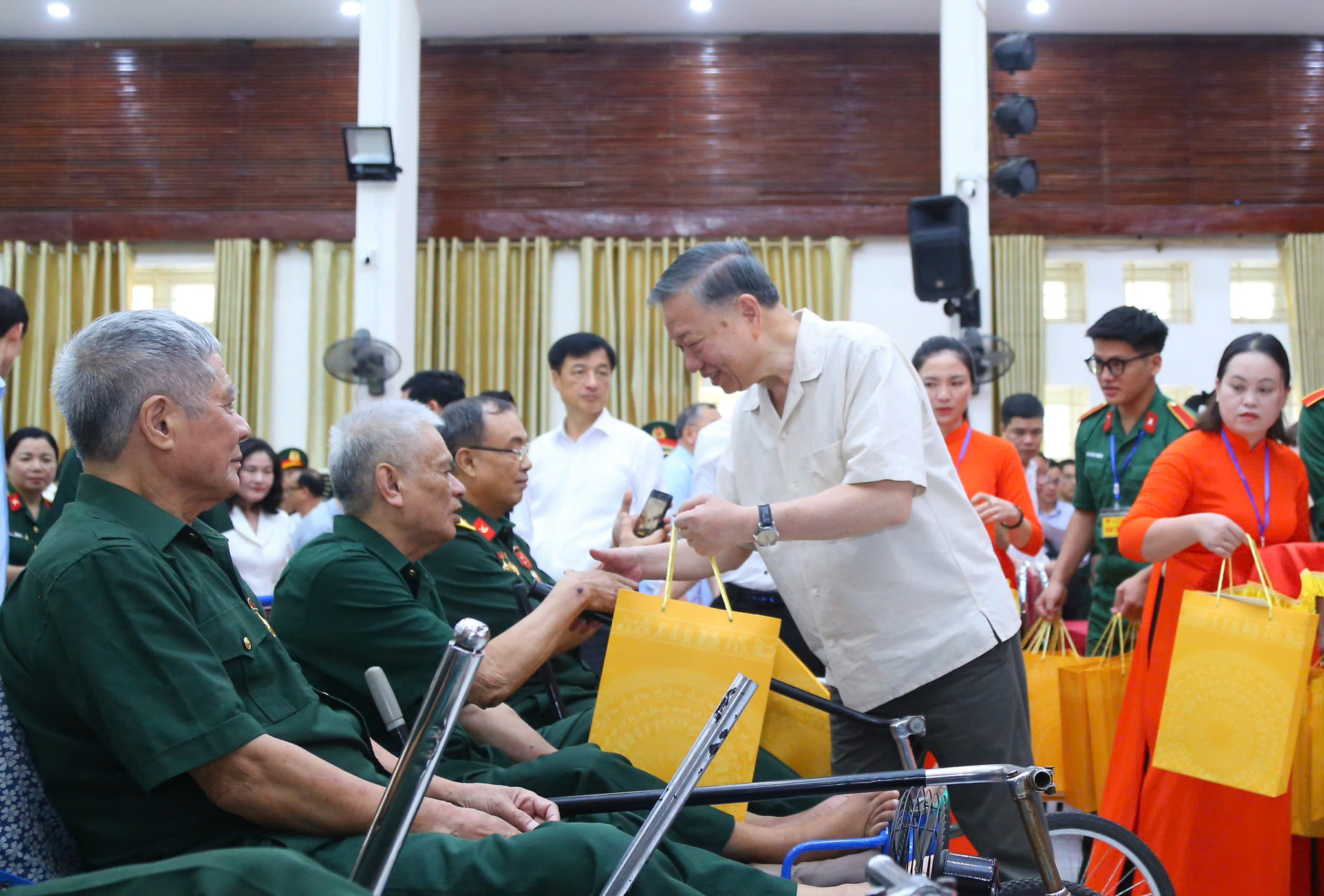
This journey also represents a continuation of the responsibility and moral principle of "drinking water, remembering the source" in implementing policies for those who have rendered meritorious services to the revolution. Over the years, Nghe An has consistently prioritized the timely and complete implementation of policies for wounded soldiers, sick soldiers, relatives of martyrs, and those who have rendered meritorious services; simultaneously, it has extensively carried out "gratitude and repayment" activities such as building and repairing houses of gratitude, caring for Vietnamese Heroic Mothers, providing healthcare, supporting livelihoods, and renovating cemeteries and memorials. Alongside this, digital transformation is opening up new methods in managing and storing data on those who have rendered meritorious services, contributing to shortening processing times, improving service efficiency, and ensuring that the gratitude of the Party, State, and society reaches those who have rendered meritorious services in a more timely and complete manner.
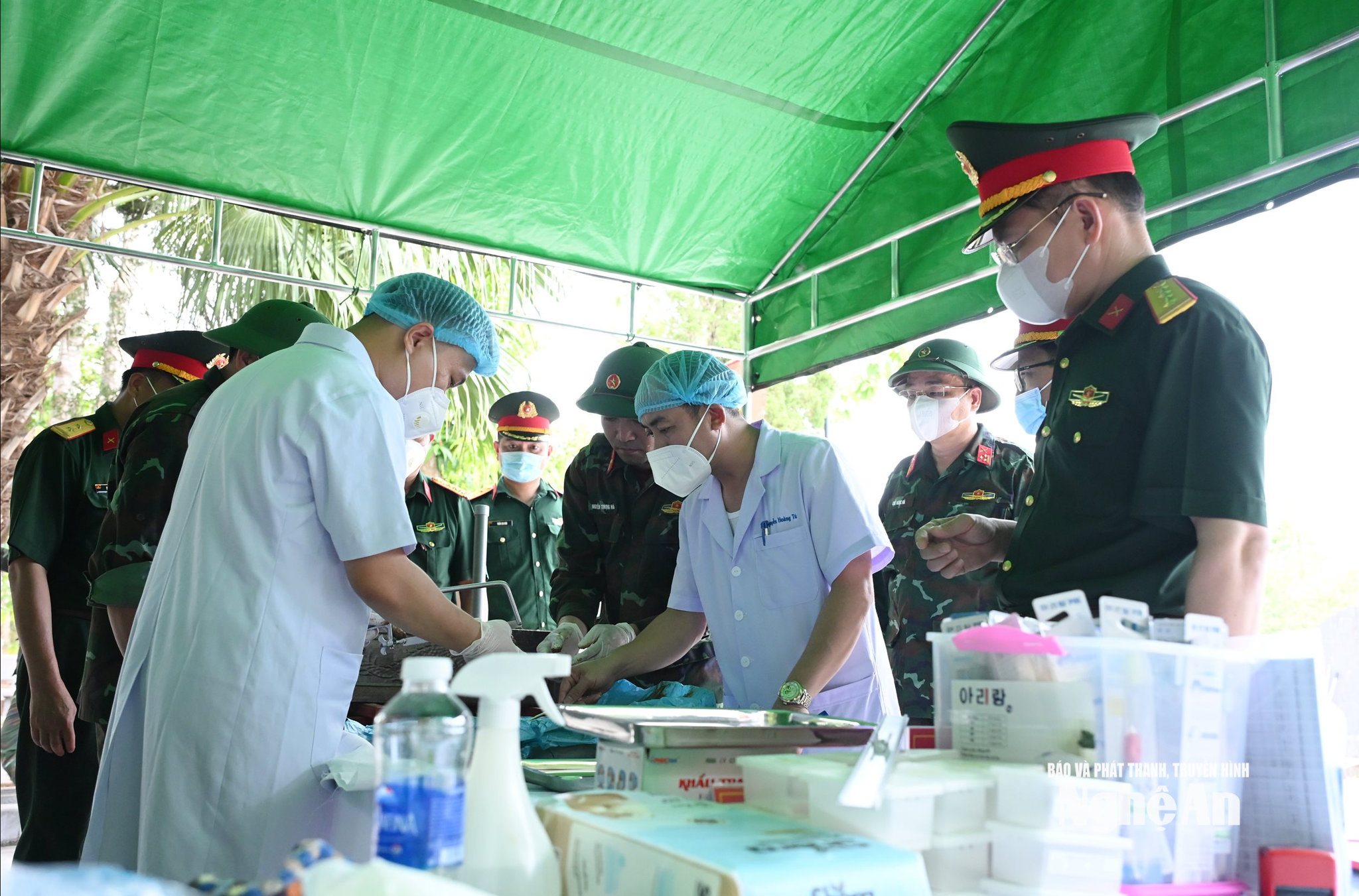
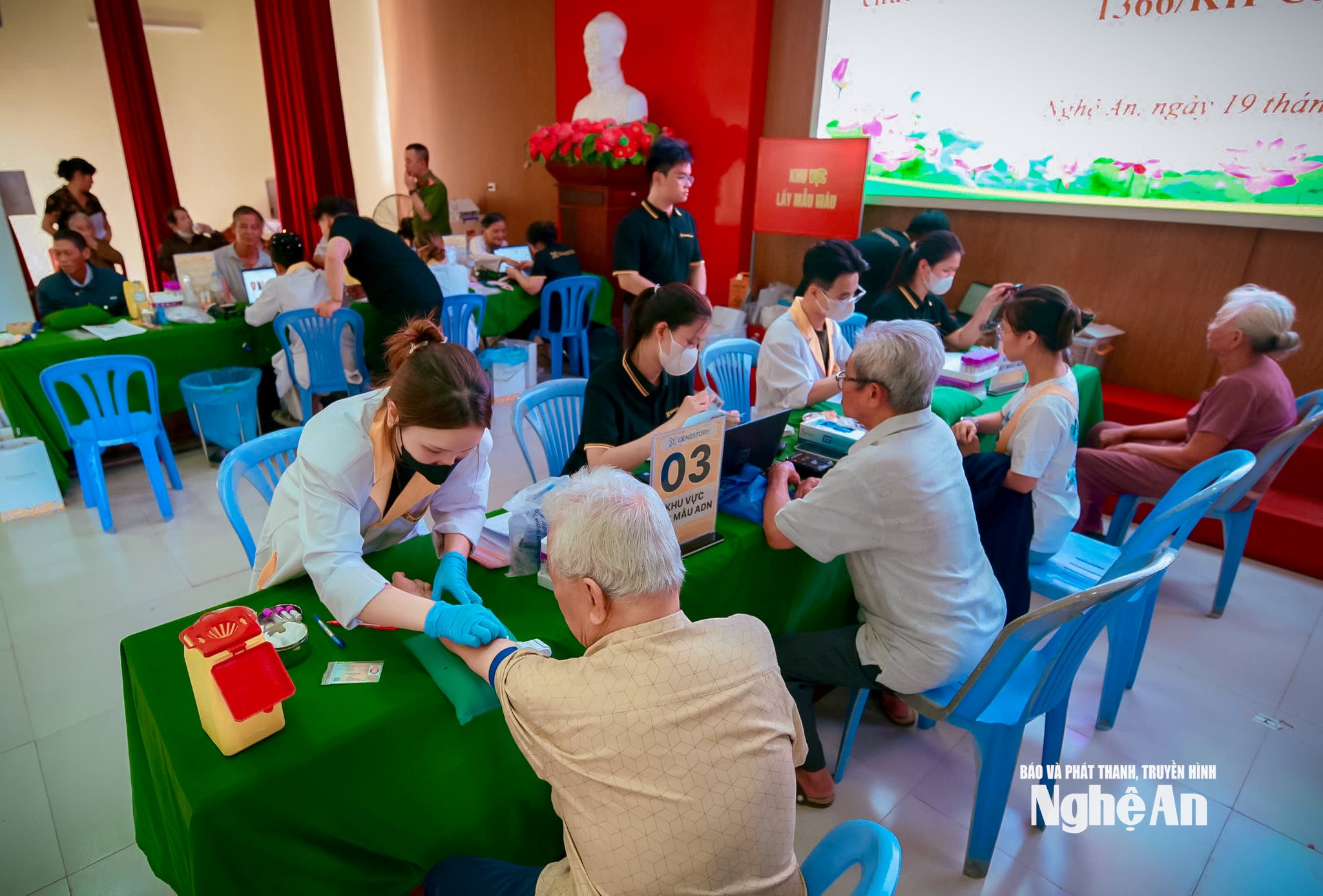
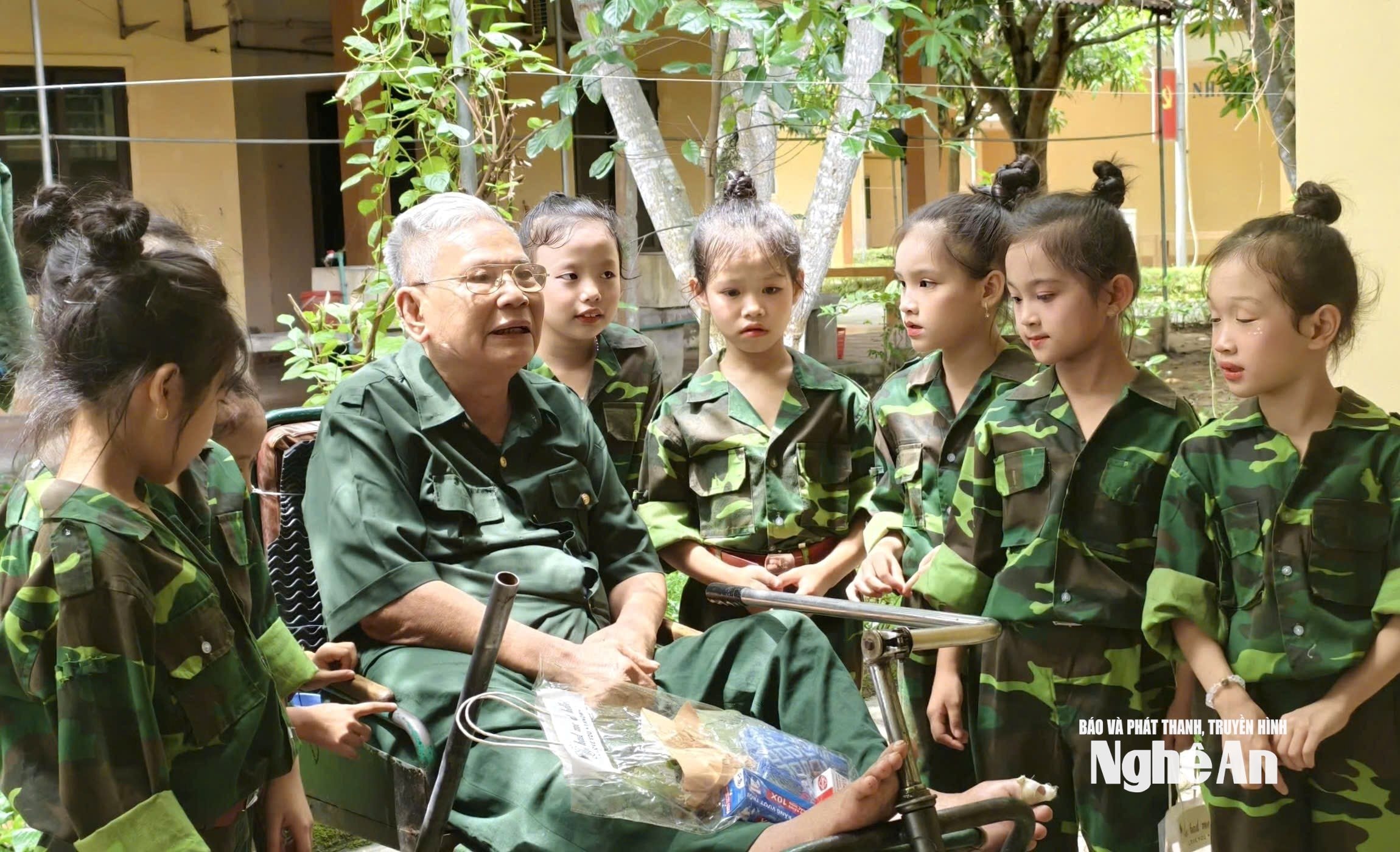
But perhaps the greatest expression of gratitude lies not only in achievements or numbers. The most sacred aspect is the spirit of gratitude that has become an integral part of the Vietnamese nation's cultural identity. From students caring for martyrs' cemeteries, youth union members lighting candles in remembrance, veterans returning to old battlefields to find their comrades, to officials quietly conducting DNA testing, or citizens voluntarily providing even the smallest pieces of information about the burial places of martyrs – all are contributing to extending the principle of "Drinking water, remembering the source" through concrete, sincere, and persistent actions.
Commemorating the Day of War Invalids and Martyrs is not only an occasion to remember the years of war, but also a reminder to each person today of their responsibility to history. Patriotism is not only expressed through incense offerings in July, but also through concrete actions: preserving the sacred independence and sovereignty of the Fatherland; striving to build a developed and prosperous country; living responsibly, contributing and serving the community. This is the most practical way for the sacrifices of previous generations to continue to be transformed into strength for building the future.
.jpg)
The country is embarking on a new path of development with great aspirations. In this journey, every achievement, every construction project, every step forward for our homeland bears the mark of sacrifice from previous generations. Those who fell not only left us independence, but also entrusted us with faith and responsibility: to preserve our land, to build a country worthy of what they sacrificed.
Today, some names have been solemnly engraved on stone tablets. But there are also names being rediscovered through the memories of comrades, archival records, DNA technology, and the responsibility of those who are continuing this journey of gratitude. Wherever they rest, they will always remain in the hearts of the people, as immortal symbols of patriotism and the spirit of sacrifice for independence and freedom.
The names of these heroes are not merely carved into the mountain rocks. Their names have been etched into the nation's history, into the land and rivers of our country, and into the hearts of generations of Vietnamese people today and tomorrow!
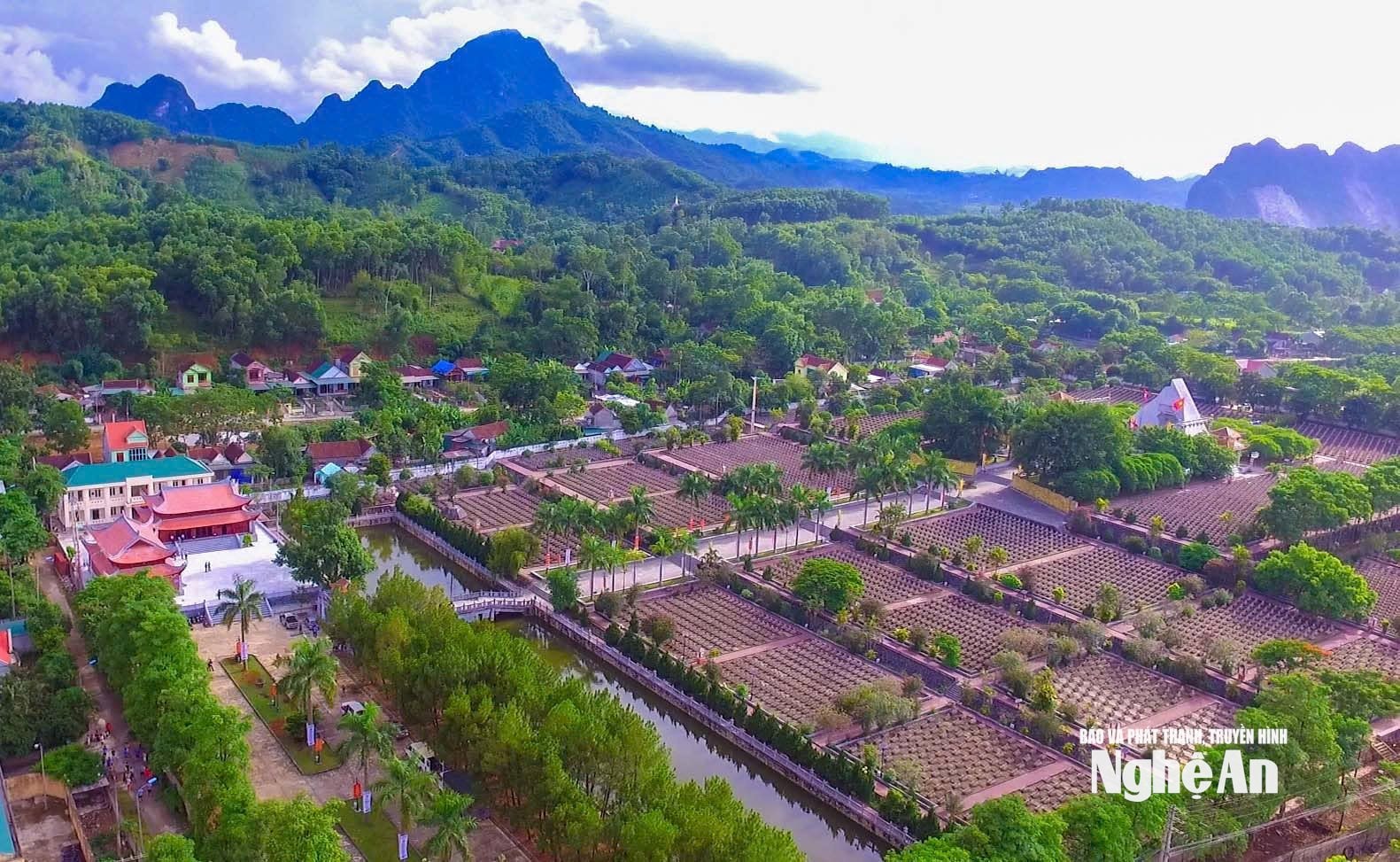
"The "500-Day Campaign" was officially launched on April 2, 2026, with implementation from March 15, 2026, to July 27, 2027. The campaign aims to locate and collect approximately 7,000 remains of fallen soldiers; complete sample collection from about 230,000 unidentified graves; conduct DNA testing on approximately 18,000 samples of fallen soldiers' remains; build and operate a database of genes of fallen soldiers' relatives; and complete the clearance of bombs, mines, and unexploded ordnance in key areas serving the search and collection of fallen soldiers' remains. The campaign is expected to be reviewed in November 2026 and concluded before July 27, 2027, coinciding with the 80th anniversary of the Day of War Invalids and Martyrs.
(*) The poem "Please Don't Call Me an Unknown Martyr" by journalist Van Hien - former Deputy Editor-in-Chief of Nghe An Newspaper.
(**) The song "Red Flower Color" was composed by musician Thuan Yen based on a poem by author Nguyen Duc Mau.
(***) The song "Homeland" by composer Pham Minh Tuan, set to poetry by Ta Huu Yen.


