
Cash flow prioritizes real estate for practical use.
With interest rates remaining high, capital flows tend to favor properties that meet actual housing needs and offer convenient connectivity.
According to the report "Vietnam Real Estate Market in the First Six Months of 2026 and Forecast for the Last Six Months of 2026: From Differentiation to Selection" by Dat Xanh Services – FERI, the absorption rate of new supply only reached about 20-30% amidst a prevailing floating interest rate of 12-14% per year. Rising borrowing costs are forcing buyers to carefully consider cash flow and holding costs. With primary market prices not yet significantly reduced, products primarily based on expectations of price increases will struggle to convince buyers.
Cash flow is shifting towards actual usage and exploitation needs. In the apartment segment, the "Report on Real Estate Types in the First Six Months of 2026" by the Batdongsan platform shows that 66% of transactions served the needs of actual residents. Apartment transactions for investment purposes accounted for 34%.
Of these, 67% are looking to rent. These percentages show that the demand for actual occupancy still accounts for a significant proportion of the apartment market, while for those buying for investment, the potential for rental income is also a key consideration.
According to experts, high interest rates not only affect liquidity but also rearrange selection criteria. Legal aspects, connectivity, usage demand, and exploitation potential are becoming clearer measures of real value.
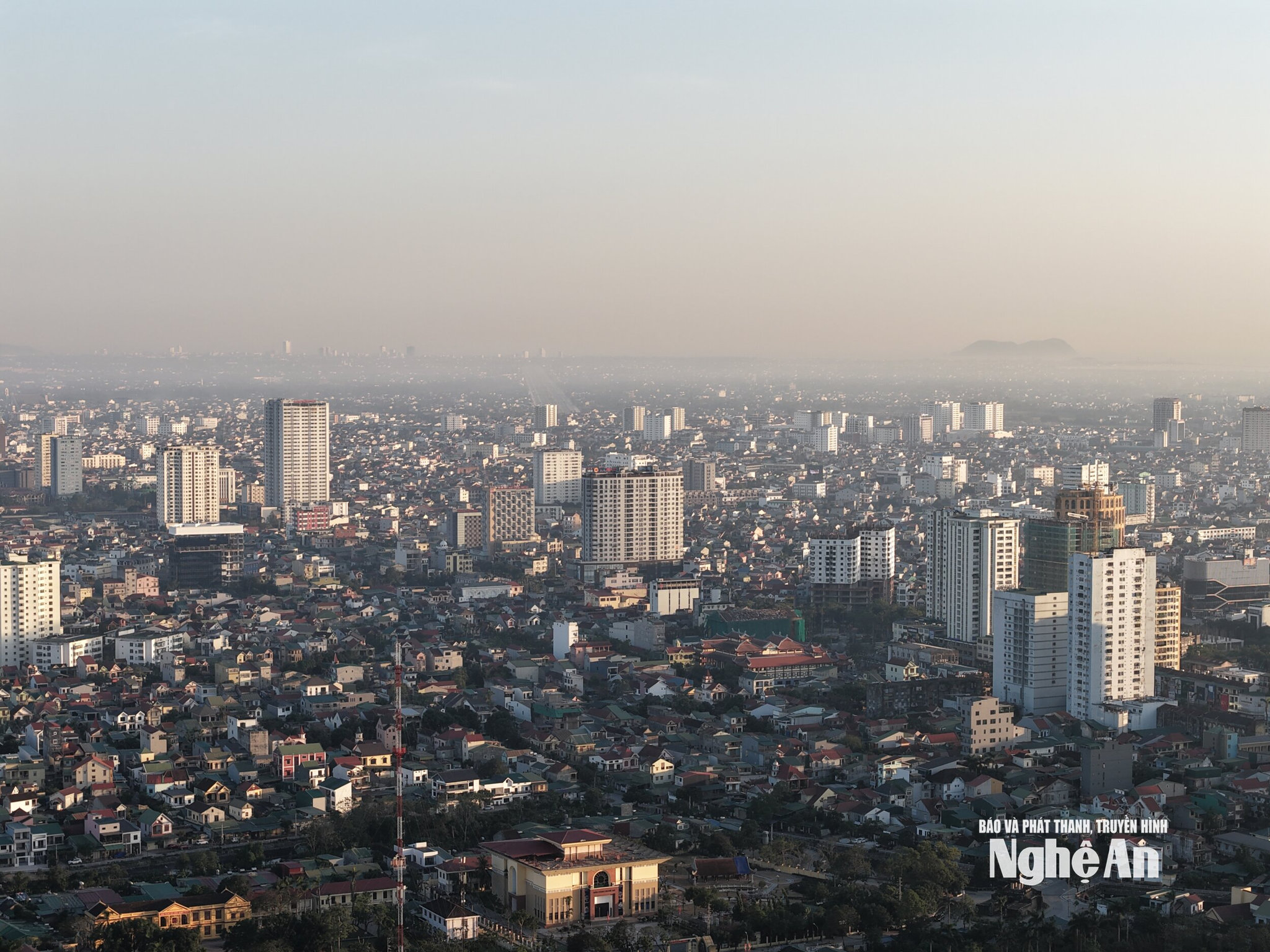
Infrastructure enhances the usability of real estate in the southern part of Vinh city.
During Nghe An's urbanization process, Vinh plays a pivotal role, concentrating jobs, education, services, and housing needs. However, the supply in the inner city area is gradually shrinking. According to the Nghe An Department of Construction, since 2019, the province has restricted the licensing of large apartment projects in the inner city due to traffic pressure. New supply mainly comes from projects that were previously licensed.
Meanwhile, a survey conducted by the People's Committee of Vinh City (formerly) for the period 2020–2025 showed that over 200 households moved to urban areas each year, mostly young families seeking housing in Thanh Vinh and Truong Vinh. This represents a demand linked to establishing careers and long-term settlement. Along with limited inner-city supply, the formation of new infrastructure axes is opening up more room for housing development to the south, gradually connecting this area with the existing city center.
The extended Le Mao road, connecting Le Mao road to the National Highway 1A bypass, is planned to be approximately 1.2 km long and 48 m wide. The road is expected to be completed in 2027 and is anticipated to become a connecting axis between the existing city center and the developing southern area, facilitating the expansion of commercial, service, and residential development towards the South.
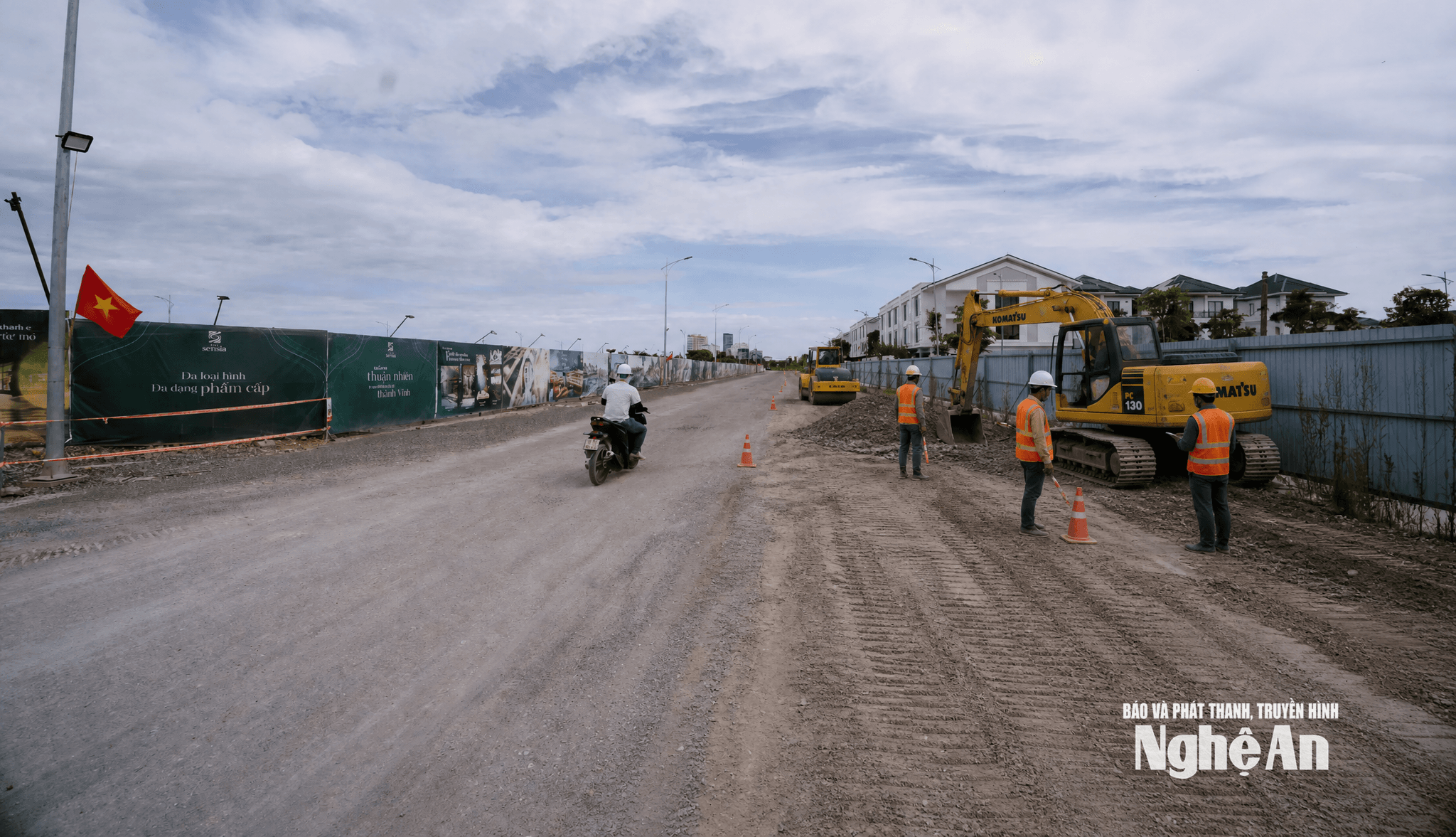
Simultaneously, the 30-meter-wide road from the National Highway 1A bypass, across the Vinh River to Dinh Nhat Than Street, had its land clearance completed in August 2026 and is expected to be completed in the fourth quarter of 2026. Once operational, this road will provide an additional traffic route across the Vinh River, contributing to traffic flow distribution and reducing congestion on existing roads in the old inner city area.
On a regional scale, along with the North-South Expressway, the Vinh-Thanh Thuy Expressway and the North-South high-speed railway are expected to gradually improve Vinh's connectivity with major economic centers, strengthening the city's role in the North Central Vietnam connectivity network.
The simultaneous development of transportation routes, urban service systems, and riverside spaces is expanding housing development opportunities in the southern part of Vinh City. With improved infrastructure, the area benefits from enhanced connectivity to the city center and access to essential services such as employment, healthcare, education, and commerce. For financially prudent homebuyers, these factors are crucial, as they directly impact the value and effectiveness of their property holdings.
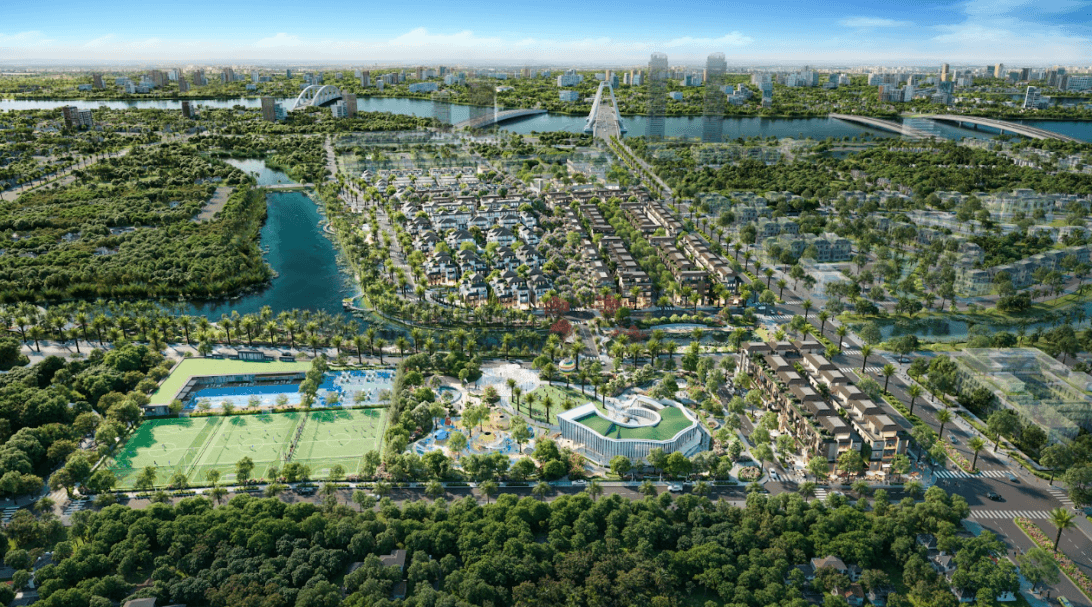
Along with infrastructure expansion, many projects are being developed in the southern part of Vinh city. For example, The Sensia in Truong Vinh ward is one of the projects following this development direction, featuring green spaces, water features, and riverside promenades. The townhouses, villas, and shophouses cater to residential, business, and rental needs, suitable for the practical investment requirements of buyers.


