
Dreame D9 pre-commercial 2027: Cullinan-style electric SUV
The Dreame D9 is Dreame Technology's new electric SUV, with an appearance reminiscent of the Rolls-Royce Cullinan, and is expected to go into production from 2027. Its configuration includes four AWD motors, a 100 kWh battery, 24-degree rear-wheel steering, and ADAS (Advanced Driver-Assistance Systems) using lidar, radar, and cameras.
Dreame Technology, a company known for its vacuum cleaners in China, is entering the electric vehicle market with the Dreame D9 SUV. The project has garnered attention due to its design, which closely resembles the Rolls-Royce Cullinan, and its projected commercial production timeline starting in 2027. The information below is based on renders and descriptions released by the company; details may change as the vehicle enters the commercialization phase.
The D9's highlights lie in its ambitious technical configuration: four independent electric motors for AWD with torque vectoring support, a 100 kWh battery, rear-wheel steering up to 24 degrees, active suspension, and a package of lidar sensors, mm-wave radar, and cameras for ADAS. Conversely, many core parameters such as power, torque, range, and charging time have yet to be released.
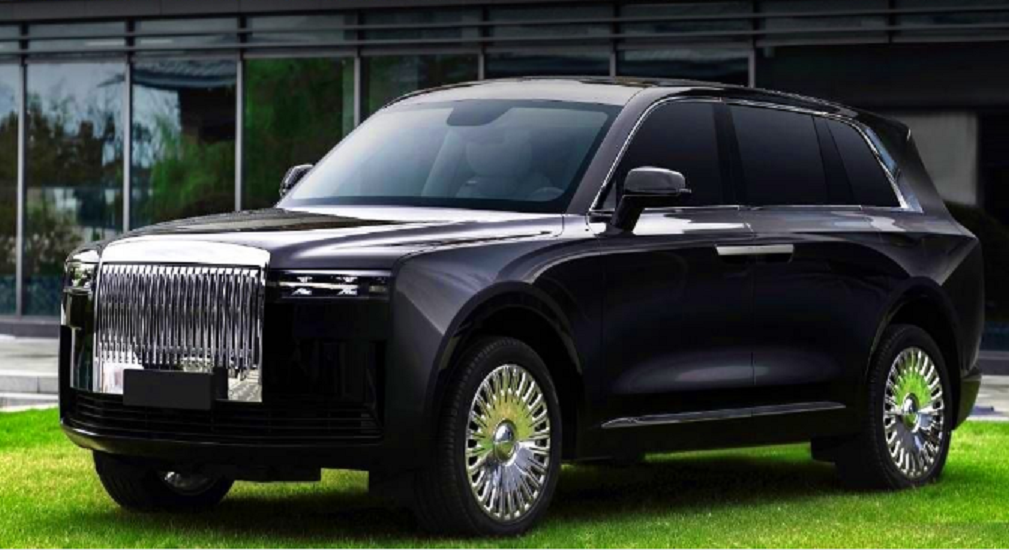
Ultra-luxury design language, with no B-pillar as a focal point.
According to the rendered images, the Dreame D9 uses a massive chrome grille with vertical slats – a detail that immediately brings to mind the Rolls-Royce Cullinan. The rectangular LED headlights are slimmer, combined with a square front bumper to maintain the imposing proportions of a luxury vehicle.
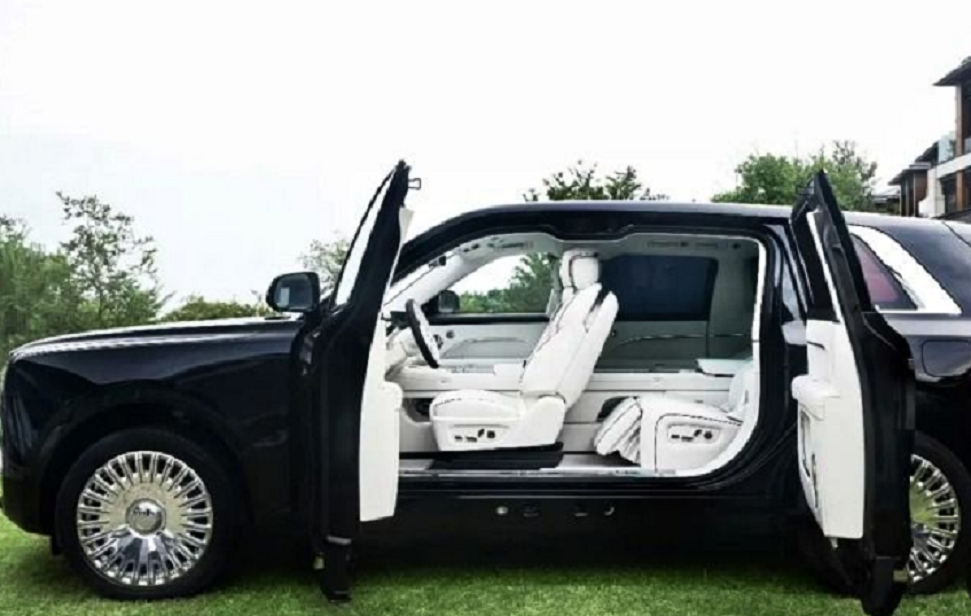
The body features several distinctive details: large chrome-plated wheels, hidden door handles, and a reverse-opening rear door. Notably, the D9 lacks a B-pillar – a rare feature on the market today. This arrangement allows for a wider door opening, facilitating easy entry and exit and reinforcing the impression of a super-luxury "saloon." The rear end is not yet revealed, but it is likely to closely follow the overall design of the Cullinan for a consistent brand identity.
It's worth noting that removing the B-pillar is an uncommon design solution as it requires very advanced bodywork engineering. The level of refinement and feasibility will only be verified when the vehicle enters testing, before production, which is expected in 2027.
Rear-facing cabin: two business class seats, legroom up to 1.2 m.
Dreame describes its interior as 3.7 meters long, entirely white, emphasizing a luxurious experience for the rear seats. It features two independent business-class seats with 145-degree reclining backs, individual footrests, ventilation, and massage functions. Legroom is claimed to be up to 1.2 meters – an impressive figure if retained in the commercial version.
The manufacturer says it will use many premium materials to recreate the "ultra-luxury" feel similar to the segment it's emulating. Details of the dashboard, center console, or entertainment package have yet to be revealed. With a focus on the rear seats, the D9 targets customers who prefer a chauffeur-driven experience.
Four independent motors, a 100 kWh battery, and 24-degree rear-wheel steering.
In terms of operation, the D9 is expected to use four independent electric motors. This configuration allows for AWD and torque vectoring – the flexible distribution of torque to each wheel, theoretically increasing traction and agility when cornering. However, system power and torque figures have not been released, making it difficult to make quantitative predictions about performance.
The 100 kWh battery pack is one of the few figures explicitly stated, along with a claim of an extended range option. The nature of this option is unspecified – it could be a larger battery capacity or another solution – so official information is needed. Active suspension and ride height control are mentioned, promising improved ride comfort and adaptability to various road surfaces.
The maximum rear-wheel steering angle of 24 degrees is a noteworthy specification, theoretically significantly improving the turning radius at low speeds and increasing stability at high speeds. If implemented correctly, combined with torque vectoring, the D9 can deliver a level of agility rarely seen in a large, luxury SUV.
ADAS with lidar, mm-wave radar, and camera
The D9 is being introduced with a sensor suite including lidar, mm-wave radar, and cameras for ADAS (Advanced Driver Assistance Systems). However, the specific level of features and scope of support have not yet been confirmed. In any case, current driver assistance systems still require driver monitoring and readiness to intervene according to current regulations; the level of automation, if any, will depend on the market and the legal framework when the vehicle is commercialized.
Li Auto's competitive positioning; factory in Berlin.
Dreame is building a factory in Berlin, near Tesla's Gigafactory, and is also partnering with BNP Paribas to raise capital. The company aims to compete with Li Auto and other Chinese luxury electric vehicle brands, and even target international markets. Pricing, model configurations, and distribution markets have not yet been announced.
Key specifications as announced by the manufacturer (expected)
| Category | Information |
|---|---|
| Car type | electric SUV |
| Drive | AWD, 4 independent electric motors, torque vectoring support. |
| Battery | 100 kWh; range extension option available. |
| Turn the rear wheels. | Maximum 24 degrees |
| Suspension system | Active suspension; ride height control |
| Sensor package | lidar, mm-wave radar, camera (for ADAS) |
| Backdoor | Open in reverse |
| Column B | Do not have |
| Interior | 3.7 m long; white color |
| Rear seat | 2 business class seats; recline 145 degrees; with footrest, ventilation, and massage function. |
| Rear legroom | Maximum 1.2 m |
| Production time | Expected from 2027 |
| Factory | Berlin (under construction) |
| Location | Li Auto competes with other luxury electric car brands. |
Quick assessment: technical ambition, commercial question marks
On paper, the Dreame D9 displays ambitious plans, from its ultra-luxury design to its impressive technical specifications. However, the project remains in the pre-commercial stage: key specifications are lacking, the range and charging capabilities are unclear, and there are no detailed images of the rear or interior. The feasibility of some design choices, such as omitting the B-pillar, also needs time to be verified.
- Advantages: Impressive design; rear compartment focused on the driving experience; 4-motor AWD, 100 kWh battery; 24-degree rear-wheel steering; extensive sensor package for ADAS.
- Limitations: Controversial design due to its resemblance to the Cullinan; performance, range, and charging specifications not yet announced; production date still uncertain; price and market unknown.
With its Berlin factory and financial partnership with BNP Paribas, Dreame demonstrates a long-term commitment. The extent of its success will depend on how the company transforms an impressive rendering into a commercial product that meets safety, quality, and practical usability standards.


