
Dreame Nebula Next 01 Jet Edition: Electric supercar that accelerates from 0-100 km/h in 0.9 seconds.
The technology company Dreame has just launched the Nebula Next 01 Jet Edition, an electric supercar that integrates rocket propulsion and solid-state batteries, giving it the fastest acceleration in the world.
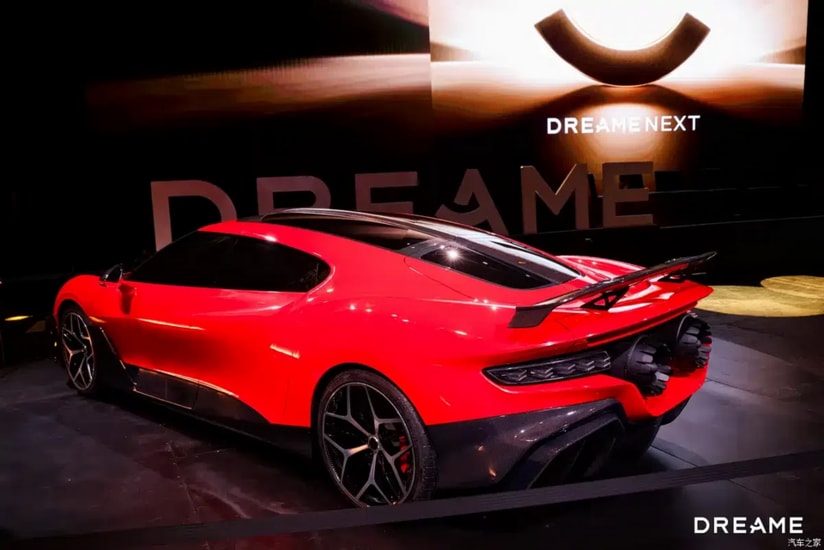
Dreame Technology, a company renowned for its robotic vacuum cleaners and home appliances, has officially entered the smart car market. At its global “Dreame Next” event in Silicon Valley, the company unveiled its first model, the Nebula Next 01 Jet Edition, boasting groundbreaking specifications that challenge current standards in the electric vehicle industry.
Rocket propulsion redefines speed.
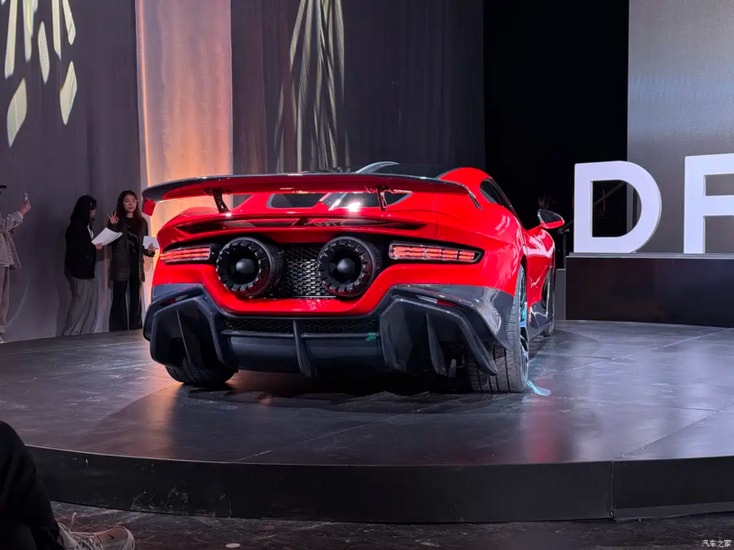
The most notable feature of the Nebula Next 01 Jet Edition is its custom-designed dual solid-state rocket propulsion system. This is Dreame's attempt to apply aerospace technology to civilian purposes. The system provides a maximum thrust of up to 100 kilonewtons with a response time of just 150 milliseconds.
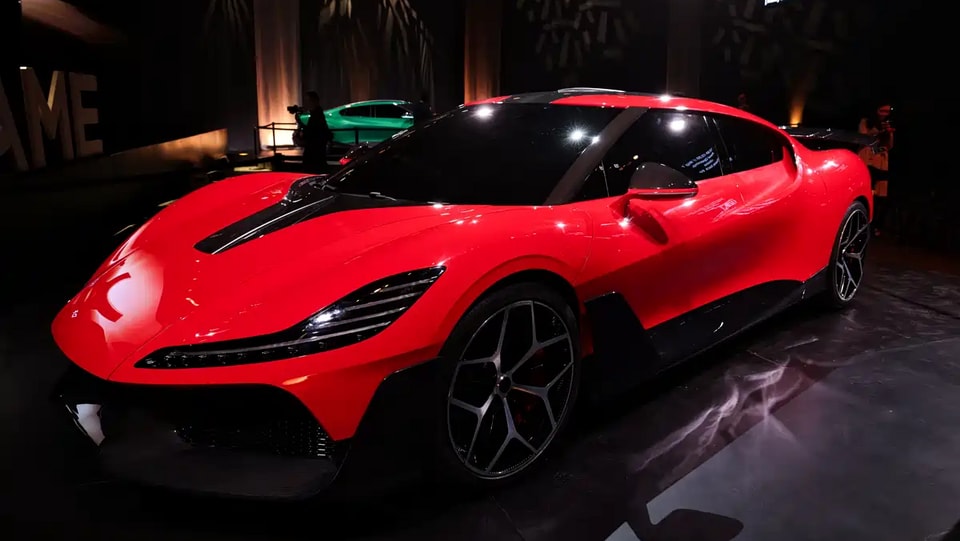
Thanks to the combination of an electric motor and a rocket propulsion system, the car is capable of accelerating from 0–100 km/h in a record time of 0.9 seconds. The company claims that the precise electronic control system helps maintain balance and safety even when operating at high intensity.
Solid-state battery technology and operational efficiency
The Nebula Next 01 Jet Edition is equipped with a completely sulfide-based solid-state battery system. This type of battery achieves an energy density exceeding 450 Wh/kg, significantly higher than traditional lithium-ion batteries. This technology not only reduces weight but also improves safety and charging speed.
Dreame stated that solid-state battery technology is currently in the preparatory stage for mass production. According to calculations, the vehicle could achieve a range exceeding 550 km on a single full charge, based on the CLTC standard.
| Specifications | Detailed value |
|---|---|
| Acceleration from 0–100 km/h | 0.9 seconds |
| Maximum thrust | 100 kilonewton |
| Battery energy density | > 450 Wh/kg |
| Operating Range (CLTC) | > 550 km |
| LiDAR detection range | 600 meters |
| Steering response time | 1 millisecond |
Intelligent driving system and LiDAR technology DHX1
In terms of handling, the vehicle boasts a fully electronic steering architecture supporting 14 degrees of non-linear control. The system has an extremely fast response time, within just 1 millisecond, allowing for complex maneuvers such as parallel parking, turning in place, or maintaining stability in the event of a sudden tire blowout.
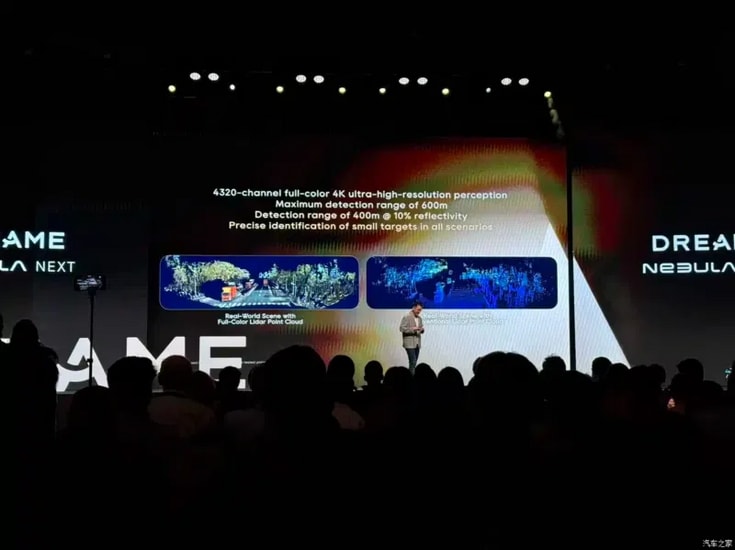
The car's autonomous driving system is based on the VLA (Vision-Language-Action) large model, enabling the vehicle to evolve and understand its surrounding environment. At the heart of the recognition system is the DHX1 LiDAR with 4,320 lines and 4K color resolution.
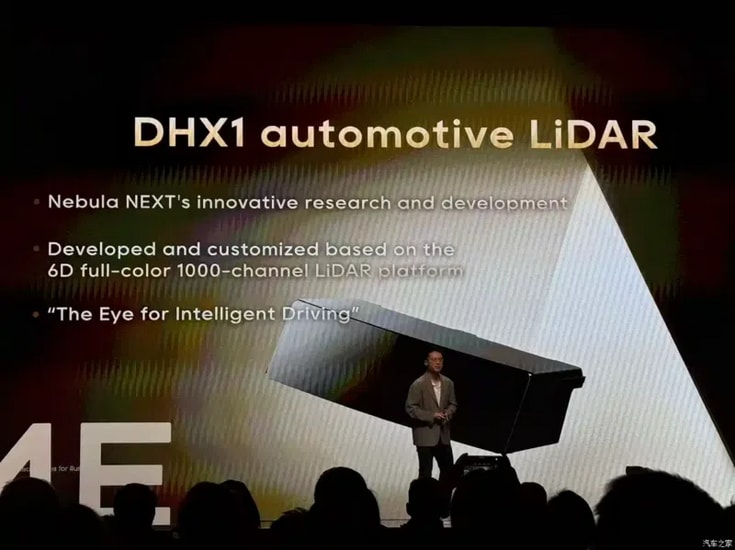
This sensor provides a range of up to 600 meters and can detect objects at a distance of 400 meters even with a reflectivity of only 10%. Small targets such as traffic cones or small animals are accurately detected from distances of 300 meters and 280 meters, respectively.
The cockpit connects to the smart ecosystem.
Inside the Nebula Next 01 Jet Edition is a technological space with built-in AI models. Dreame positions the vehicle as a control center, capable of connecting and coordinating with home robots and other smart devices in the home.
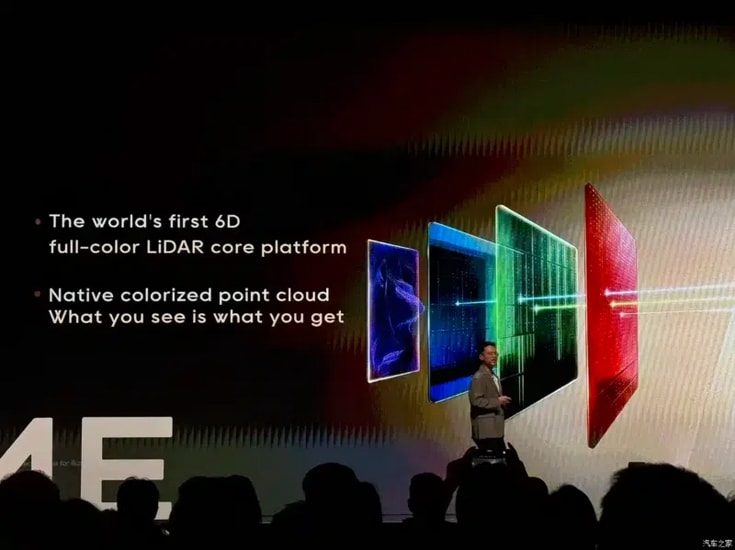
At the event, Sebastian Thrun, a professor at Stanford University and considered the father of modern self-driving cars, expressed his admiration for Dreame's innovations. He stated that the deep integration of aerospace technology and artificial intelligence will create new directions for the future of global intelligent transportation.


