
French suicide drones, Red Wolf missiles, and Arrow-3 missiles were tested today.
Rodeur 330 and Veloce 330 suicide drones are about to be tested in Ukraine; the US Marine Corps test-fires the long-range, low-flying Red Wolf missile; and Germany signs an additional contract with Israel for the Arrow-3 missile defense system.
Three notable recent developments in the field of weaponry include: the preparation for testing of the French Rodeur 330 and Veloce 330 suicide drones in Ukraine; the US Marine Corps test-firing the long-range Red Wolf missile from an AH-1Z Viper helicopter at low altitude; and Germany signing an additional contract with Israel for the Arrow-3 missile defense system. These steps reflect a trend toward increased long-range firepower, high levels of automation, and multi-layered missile defense in the modern conflict environment.
French Rodeur 330 and Veloce 330 suicide drones put to the test in Ukraine.
The French defense company EOS Technologie plans to deliver two new long-range kamikaze UAVs, the Rodeur 330 and Veloce 330, to Ukrainian forces for testing in real battlefield conditions. The goal is to assess their combat capabilities in a high-intensity conflict environment, rather than just conducting technical tests domestically.
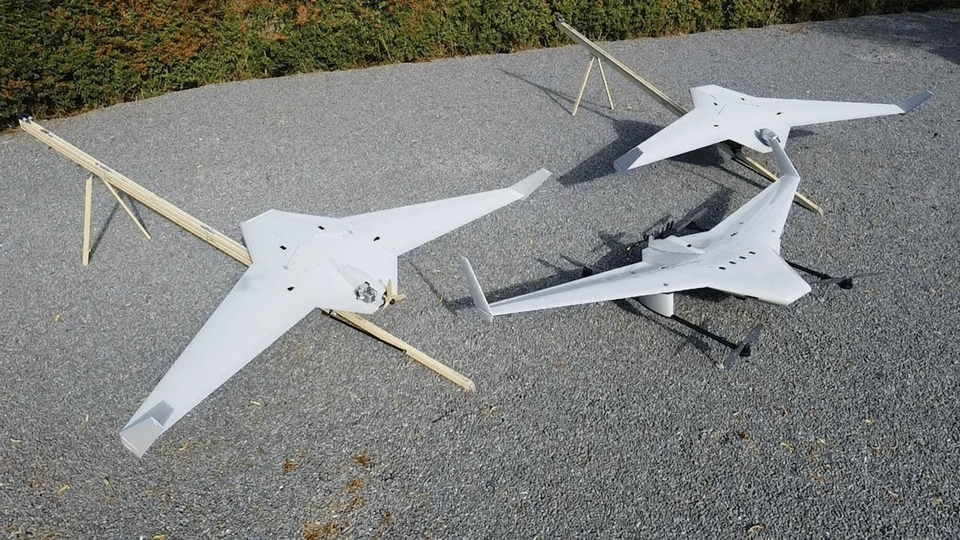
According to the French newspaper Forces Operations Blog, these two systems are part of the LARINAE program, a French military project aimed at finding a new generation of unmanned attack vehicles with longer ranges and higher levels of automation. During development, EOS Technologie collaborated with KNDS France, a major French defense corporation.
EOS stated that sending the systems to Ukraine was not only for verifying technical specifications, but also to gather experience in real-world combat operations. The possibility of deeper industrial cooperation is being considered, but large-scale production within Ukraine is deemed risky due to the security situation.
Specifications and role of Rodeur 330
The Rodeur 330 uses a propeller engine, has a claimed maximum range of approximately 500 km, and can hover over the target area for up to 5 hours. The system carries an anti-tank warhead weighing approximately 4 kg and is capable of operating independently of satellite navigation signals, reducing reliance on GPS in jammed environments.
A key feature is that the Rodeur 330 is equipped with a recovery parachute, allowing for safe recovery during training missions or when canceling an attack. In 2025 trials, the Rodeur 330 demonstrated the ability to hit targets both when remotely controlled and when operating fully autonomously. EOS Technologie General Director Jean-Marc Zuliani stated that the system can be deployed in a “swarm” fashion, with multiple vehicles coordinating attacks simultaneously.
Veloce 330: High-speed jet variant
The Veloce 330 is a jet-powered variant, allowing for higher speeds, up to approximately 400 km/h. In return, it offers shorter flight times and a shorter range, around 40 minutes and 100 km at cruising speed. This configuration is suitable for missions requiring rapid target engagement over medium range.
Regarding production, EOS has signed a final assembly agreement with a major automotive industrial group, aiming for a significant increase in output in the coming years. This progress depends on the number of orders and the ability to expand the production line beyond French territory. Testing in Ukraine is considered a crucial step in assessing the practical value of the systems in modern warfare.
Technical comparison table of Rodeur 330 and Veloce 330
| Characteristic | Rodeur 330 | Veloce 330 |
|---|---|---|
| Engine type | Fan | Reaction |
| Operating range | Approximately 500 km | Approximately 100 km |
| Flight time | Hover over the target for up to 5 hours. | Approximately 40 minutes |
| Warhead | Anti-tank weapon, approximately 4 kg | Not specified |
| Location - Navigation | It can operate without a satellite signal. | Not specified |
| Special features | Whether retrieved remotely or automatically, deployment is done in a "swarm" fashion. | High speeds of up to approximately 400 km/h |
The US tests the long-range Red Wolf missile from the AH-1Z Viper helicopter.
The U.S. Marine Corps has successfully conducted a low-altitude live-fire test of the Red Wolf missile, launched from an AH-1Z Viper attack helicopter. According to L3Harris Technologies, this is part of the U.S. Department of Defense's effort to develop low-cost, long-range strike capabilities.
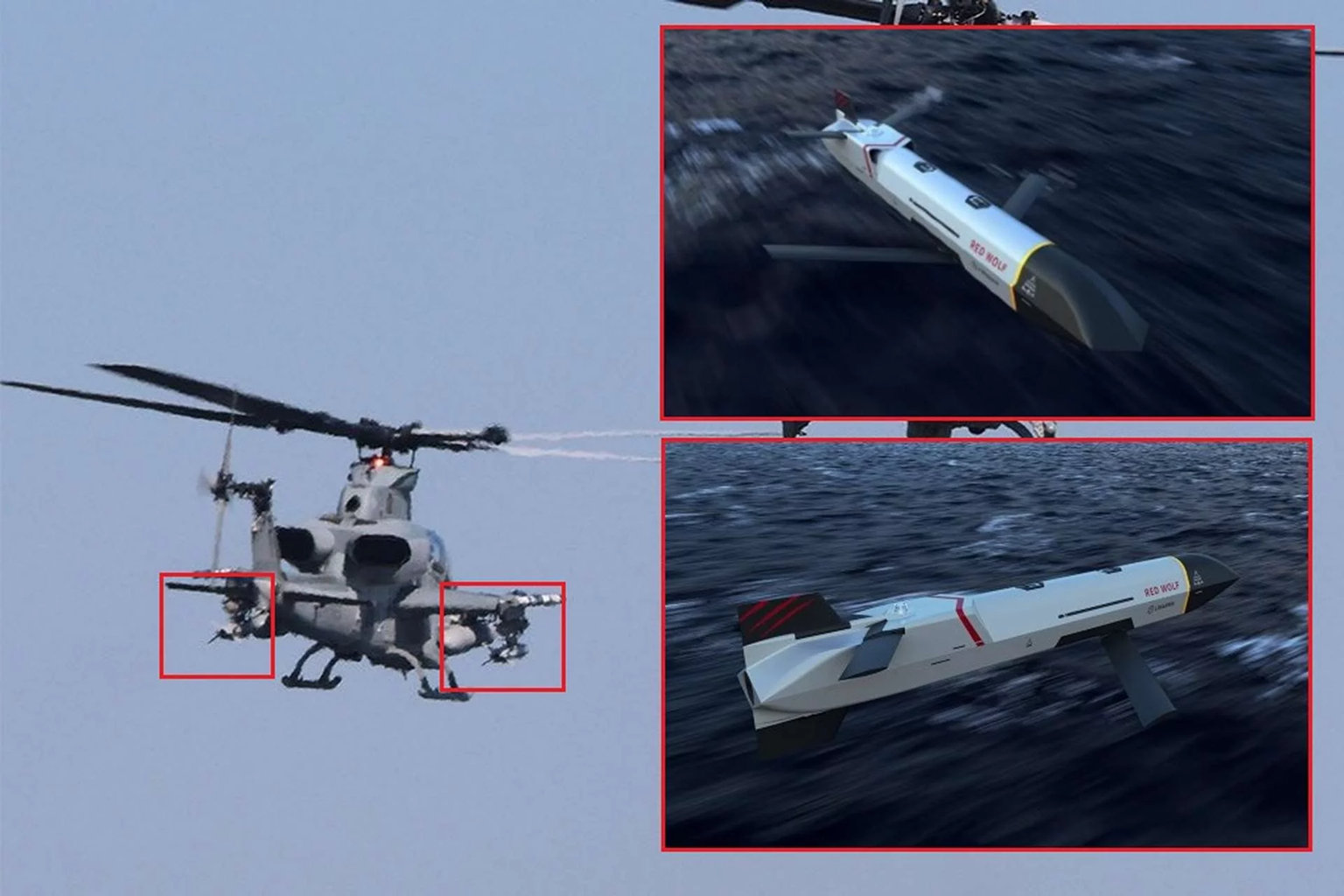
The test firing, announced on December 19th, showed that the AH-1Z Viper can launch a small, long-range missile while flying at a very low altitude, beyond the detection range of enemy radar. This significantly expands the role of attack helicopters, which previously focused primarily on close-range strikes, to include the ability to attack targets at sea and along the coast from greater distances.
Red Wolf is the kinetic attack component in the Wolf Pack series developed by L3Harris, alongside the Green Wolf electronic warfare variant. This weapon system features a modular design, can be launched from various air, ground, and sea platforms, and coordinates during flight for reconnaissance, jamming, deception, and attack against targets.
According to published information, the Red Wolf missile has a high subsonic speed, a range of over 200 nautical miles (approximately 370 km), uses retractable wings and stabilizers, a cruise engine, and a flexible payload compartment for various types of seekers and warheads. Compared to traditional helicopter missiles like Hellfire or JAGM with a range of only a few tens of kilometers, the Red Wolf allows helicopters to fire from a distance outside the operational range of many modern shipborne air defense systems.
In a distributed warfare scenario, helicopters can launch missiles from behind islands, concealed terrain, or field forward bases, relying on external sensors and a unified target designation network. This test also marks the first time a U.S. Marine Corps helicopter platform has controlled this type of long-range weapon via a tablet-based interface, integrated into a networked warfare architecture. This approach relies on rapid, iterative testing and configuration adjustments based on real-world operation.
Germany expands its procurement of the Arrow-3 missile defense system.
The Israeli Ministry of Defence has confirmed the signing of a new defense contract with Germany to expand the deployment of the Arrow-3 missile defense system. This agreement follows previous bilateral cooperation and reflects Germany's accelerated efforts to strengthen its air defense and missile defense capabilities in response to changes in the European security environment.
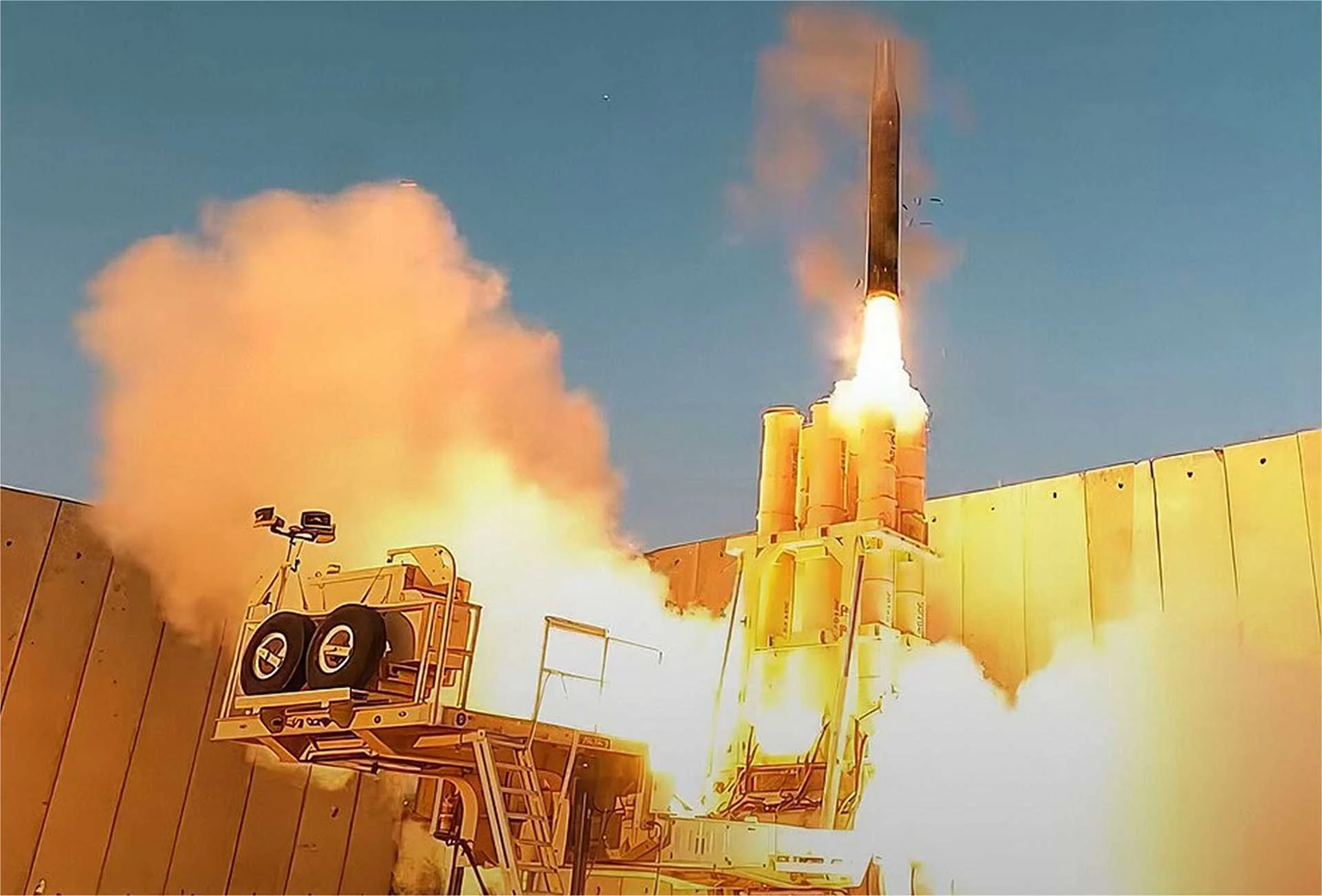
According to Israel, the new contract builds upon the initial Arrow-3 agreement signed in November 2023, marking the first export of this extraterrestrial interceptor system. The 2023 agreement, signed after approval by the US government, was worth approximately $4 billion and was the largest defense export contract in Israeli history, encompassing the procurement, integration, and initial deployment of Arrow-3 for Germany, and laying the groundwork for Berlin's role in the "European Sky Shield" initiative.
A significant milestone was reached on December 3rd when Israel delivered the first operational Arrow-3 system to Germany at an air base near Berlin. This event represents concrete progress in realizing the previously signed contract and paves the way for the integration of Arrow-3 into Germany's national air defense network.
The additional $3.1 billion contract expands the scope of the original agreement, including additional system components, extended coverage areas, and guarantees for long-term operational capability. The goal is to enable Germany to deploy Arrow-3 on a larger scale, secure sufficient interceptor missiles, enhance command and control connectivity, and maintain combat readiness for decades to come.
Arrow-3 is the highest tier in Israel's multi-layered missile defense architecture, designed to intercept ballistic missiles outside the atmosphere through direct impact. The system was developed by Israel Aerospace Industries in close collaboration with the U.S. Missile Defense Agency. In the context of the conflict in Ukraine, which has highlighted the widespread use of ballistic missiles and long-range weapons, Germany's expanded procurement of Arrow-3 aims to add another layer of strategic defense, enhance Germany's defensive capabilities, and contribute to the overall defense capabilities of Europe and NATO.


