
Ukrainian interceptor drone reaches 400 km/h, counters Shahed.
Ukraine's small interceptor drone reaches speeds of 400 km/h thanks to an engine developed by Motor-G as part of the Brave1UA project, aiming to create a low-cost air defense against Shahed variants and increasingly difficult-to-jam Russian fiber optic drones.
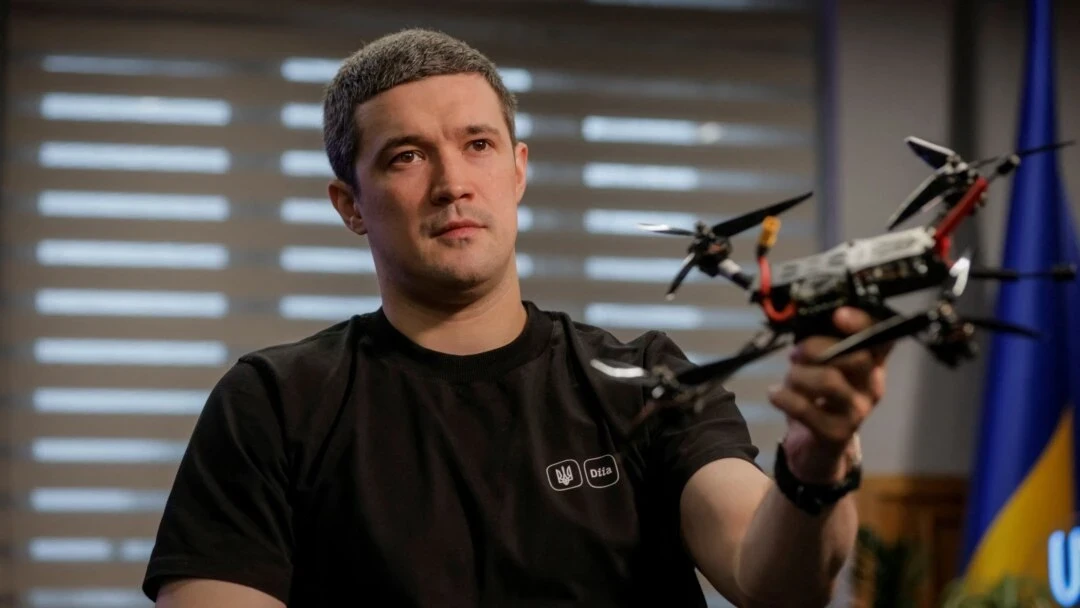
Ukraine's small interceptor drone has just reached a speed of 400 km/h thanks to an engine developed by Motor-G within the framework of the Brave1UA defense platform, according to First Deputy Prime Minister and Minister of Digital Transformation Mykhailo Fedorov. This speed is designed to keep up with and surpass the increasingly fast Shahed variants, while maintaining low costs for Ukrainian air defense.
400 km/h speed: a technological leap for interceptor drones.
Mykhailo Fedorov stated that the 400 km/h speed was achieved by an interceptor drone equipped with an engine from Motor-G, a member of Brave1UA. With this figure, the Ukrainian interceptor drone surpasses the official Formula 1 speed record set by driver Valtteri Bottas in 2016 at 372.3 km/h.
Compared to civilian vehicles, a speed of 400 km/h is also close to the fastest high-speed trains in the world. The Shanghai Maglev train, during testing, reached 450 km/h, but commercial operation is only around 300 km/h. It's noteworthy that the Ukrainian interceptor drone achieved its high speed thanks to a propeller-driven engine, not a jet engine or high-burning combustion system.
Ukrainian manufacturers typically sell interceptor drones for under $6,000 each. Combining high speed and low cost, they are currently one of the fastest yet cheapest flight platforms on the battlefield. Four months ago, another Ukrainian interceptor drone attracted attention when it reached a speed of 314 km/h, demonstrating the rapid advancements in this weapon system.
Brave1UA is Ukraine's defense innovation platform, focused on developing and promoting advanced military technologies such as drones, missiles, and other defense equipment to increase the autonomy and effectiveness of the armed forces.
In a video posted on December 16, Mykhailo Fedorov emphasized that producing drone motors in Ukraine "seemed impossible" just two years ago, but now Motor-G is producing 100,000 motors per month. He stated that more and more drones are flying with domestically produced motors.
Shahed hunting tactics: inexpensive air defenses counter massive air attacks.
Ukraine is particularly focused on increasing the speed of its interceptor drones due to Russia's continuous development of Shahed variants. The Shahed is a long-range suicide drone designed by Iran, notably the Shahed-136 and Shahed-131 models, which are widely used by Russia in Ukraine. These drones are also classified as cruise missiles, capable of hovering in the air before diving down to their target and exploding.
Compared to cruise missiles or ballistic missiles, the Shahed flies slower but has the advantage of being cheaper, allowing for large-scale launches in bombing raids. Russia is also producing Geran, a domestic version of the Shahed, on a large scale and using the same types of precision-guided munitions for nighttime attacks.
The most common Shahed models have speeds of around 185-290 km/h and are often launched in swarms to overwhelm Ukrainian air defenses. This saturation tactic pressured Ukraine to find low-cost interception solutions, leading to the development of interceptor drones carrying explosive warheads. If they hit their targets, they can cause significant destruction at a much lower cost than traditional anti-aircraft missiles.
Thanks to their cost advantage, interceptor drones have helped reduce the burden on other air defense systems and are being produced in hundreds per day. Several NATO militaries and Western companies view this technology as a potential area for investment and learning.
Meanwhile, Russia is reportedly testing small batches of new Shahed rockets equipped with jet engines, capable of reaching speeds of 370 km/h. Previously, Ukraine was concerned that such high speeds of Shahed rockets could exceed the pursuit capabilities of interceptor drones. However, recent reports and battlefield images suggest that Ukrainian manufacturers are closing the speed gap with platforms reaching 314 and then 400 km/h.
In late November, a video emerged showing a Shahed UAV being intercepted from behind in mid-air by a Ukrainian drone. In response, Russia recently began installing rear-mounted cameras on some Shahed-type drones, allowing operators to observe approaching interceptor drones and perform evasive maneuvers.
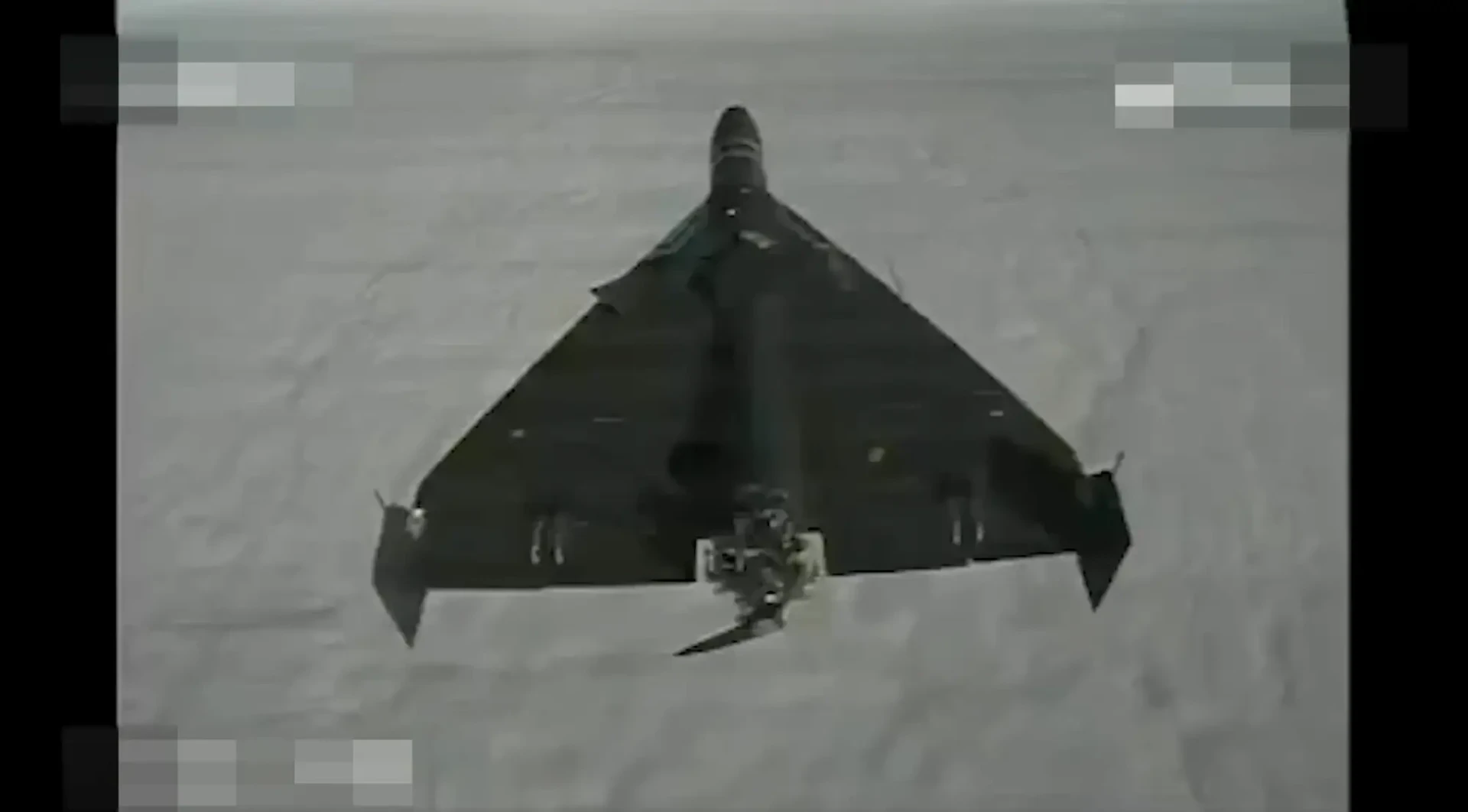
Major Yurii Myronenko, Deputy Minister of Defense of Ukraine in charge of innovation, said that Russia is constantly testing new long-range attack weapons, including improvements to the Shahed and its replacement models. According to him, some Shahed drones have been equipped with rear cameras to detect and respond to Ukrainian interceptor drones.
Previously, the Ukrainian military had detected rear-facing cameras on Russian reconnaissance and decoy drones. Yurii Myronenko's observations suggest that Russia continues to adapt to one of Ukraine's newest and most notable air defense tools: interceptor drones.
Russian fiber optic drones and the electronic warfare challenge.
On the other side of the UAV war, Mykhailo Fedorov told Insider in November that Russia is deploying fiber optic-controlled drones with a range of about 50 km, far exceeding most fiber optic drones previously seen on the battlefield. According to him, the appearance of this type of UAV "seriously impacts the logistics system" of Ukraine.
Fiber optic drones are described as FPV drones costing only a few hundred dollars, but capable of carrying enough explosives to destroy tanks worth millions of dollars. Instead of using radio links like traditional FPV drones, they utilize long, thin fiber optic cables to maintain a stable connection with the operator.
In the context of increasingly prevalent electronic warfare, where radio signals are widely jammed, fiber optic connections make drones nearly immune to common jamming methods. This makes them even more dangerous for attacking high-value targets in the rear.
Mykhailo Fedorov said Ukraine is developing technology to counter Russian fiber optic drones and has tested several prototypes with a few brigades. Under current conditions, the most effective way to destroy this type of drone remains using infantry weapons such as pistols or rifles, but that requires early detection, quick reaction, accurate aiming, and a considerable amount of luck.
Due to the threat from UAVs, in some frontline areas, Ukrainian soldiers have had to cover supply routes with camouflage netting to reduce the risk of aerial attacks.
The electronic warfare context on the Ukrainian battlefield.
Electronic warfare is understood as the use of electromagnetic energy such as radio waves, radar, communication signals, etc., to attack, defend, or gain an advantage on the battlefield. The goal is to disrupt, deceive, disable, or control the enemy's electronic systems while protecting one's own.
In practice, electronic warfare typically comprises three main areas: jamming or disrupting communications or radar; collecting and intercepting signals for reconnaissance and positioning; and protecting its own communication and radar systems from various forms of electromagnetic attacks. For example, the military can use jamming devices to disconnect drones from their operators or block radar to blind enemy aircraft before they can be attacked.
In this context, high-speed interceptor drones that still rely on radio connections, and fiber optic drones that are almost immune to jamming, demonstrate that a technological race is underway between the two sides at both the aircraft equipment level and the control and electronic warfare systems.
Ukraine's industrial capacity and export ambitions
Along with advances in interceptor drones, Ukraine says its domestically produced missiles, drones, and air defense systems have been tested in real combat situations with Russia. The fact that Motor-G can produce 100,000 engines per month and an increasing number of drones are equipped with domestically produced engines indicates that Ukraine is significantly strengthening its defense industry capabilities related to UAVs.
The combination of the Brave1UA innovation platform, mass production of engines, and high-speed yet low-cost interceptor drone models is seen as the basis for Kyiv to enhance its self-reliance in military equipment. At the same time, it also forms the foundation for ambitions to export military technology, with drones and low-cost air defense solutions being areas of interest to many potential partners.


