
FPV drones challenge Russia's current low-altitude air defense system.
New video shows Ukrainian FPV drone hitting Osa-AKM, revealing limitations of Russian low-altitude air defense; US expands JAGM/Hellfire production; Sudan considers Su-30 or Su-35.
A video released by the Ukrainian Drone Forces shows an FPV drone striking a Russian Osa-AKM air defense system, highlighting the challenge posed by low-altitude air defenses. Simultaneously, the US announced steps to expand production of JAGM and AGM-114 Hellfire guided missiles. In Africa, Sudan is reportedly resuming negotiations with Russia regarding Su-30 or Su-35 fighter jets.
FPV drones and vulnerabilities in Russian low-altitude air defense.
A video that surfaced on November 27th shows an FPV drone slowly approaching and then crashing directly into an Osa-AKM radar cluster. According to Militarnyi (Ukraine), this is a continuation of the trend of inexpensive FPVs continuously penetrating low-altitude defenses that were once the backbone of the Russian forces.
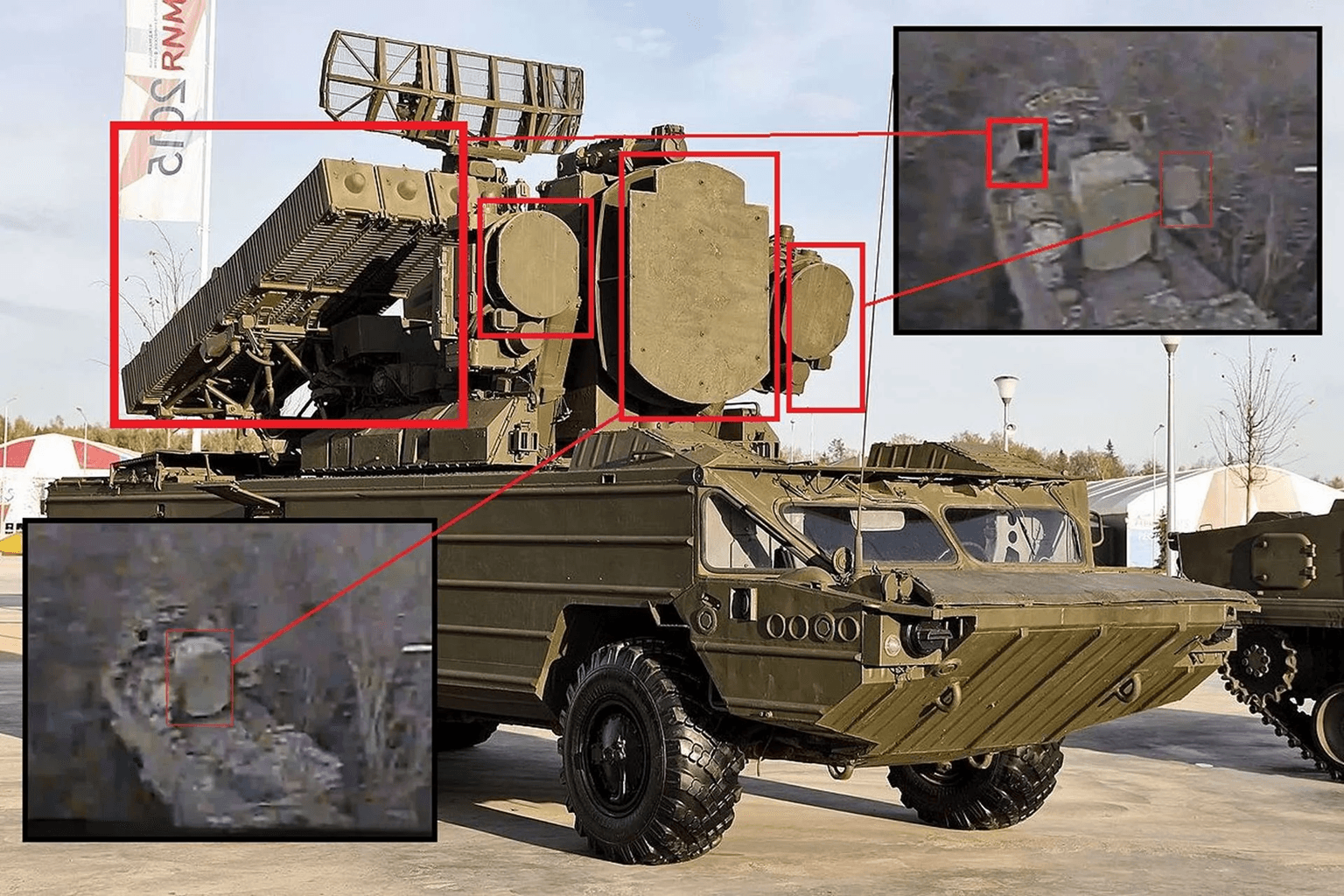
The Osa-AKM (NATO designation SA-8 Gecko) is a self-propelled short-range air defense system carrying six 9M33 missiles with integrated radar and guidance on a 6x6 amphibious chassis. Its interception range is approximately 1.5-10 km, and its altitude range is 25 m to 5,000 m. The system is designed to counter aircraft, helicopters, and fast-flying, low-altitude targets.
In today's combat environment, FPV drones have a small radar cross-section and often fly close to the terrain, making it difficult for Osa-AKM systems to detect them early and respond promptly. Reports indicate that many Osa systems have been destroyed by drone attacks or shelled by reconnaissance UAVs. Each loss forces Russian forces to withdraw vehicles for repairs, creating local air defense gaps.
Technical and tactical aspects
- Approach: FPV exploits radar blind spots, blends into the terrain, and approaches from the direction of the observation blind spot.
- Weakness: When close enough, the drone can strike radar, sensors, or launch tubes – critical points that can cripple the system.
- Cost-effective: Inexpensive drones can neutralize expensive military equipment, opening the door to long-range attacks.
The US is expanding production of the JAGM/Hellfire missile.
According to Defence Blog, US defense agencies are seeking additional suppliers of components and materials to increase production of JAGM and AGM-114 Hellfire missiles. An announcement from the Defense Logistics Agency (DLA) on November 26th indicated plans to expand supply and lifecycle support for the two missile lines manufactured by Lockheed Martin.
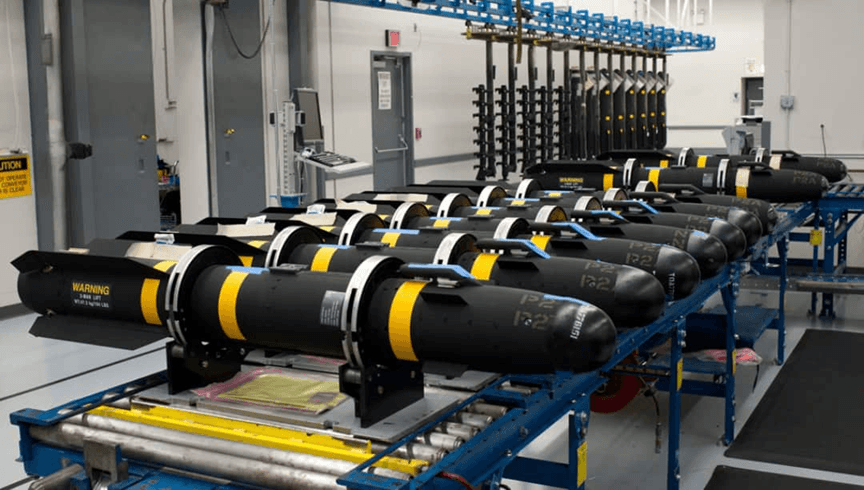
Interested businesses must demonstrate the ability to manufacture, control quality, and maintain the supply chain according to U.S. defense standards. These expansions reflect the increasing importance of precision weapons to the U.S. Army, where Hellfire and JAGM are deployed on helicopters and drones.
JAGM's confirmed specifications
- Designation: AGM-179; commissioned in 2022; developed to replace the AGM-114 Hellfire and AGM-65 Maverick.
- Solid-fuel engine; speed approximately Mach 1.5 (approximately 1,838 km/h).
- Range: 8 - 16 km (depending on the variant).
Sudan is considering either the Su-30 or the Su-35.
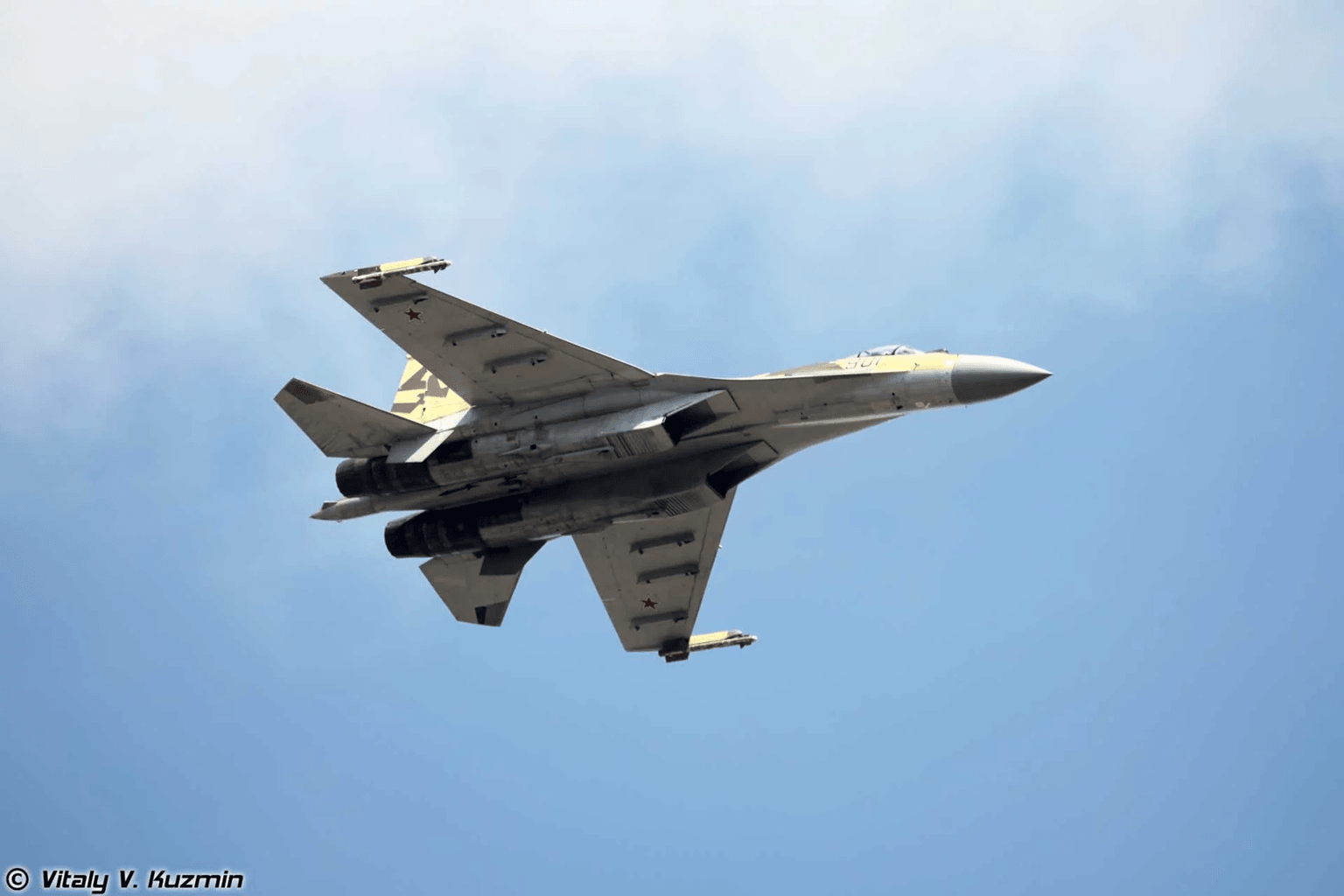
According to Military Africa, Sudan is reportedly resuming negotiations with Russia to purchase Su-30 or Su-35 fighter jets, amid the expanding influence of the Rapid Support Forces (RSF) and the decline of the Sudanese Air Force following the initial clashes of the civil war.
During the conflict period from 2023, the RSF attacked key airfields such as Merowe, destroying or capturing many MiG-29 fighters of the Sudanese Air Force. Since then, the force has relied mainly on Su-25s, Su-24Ms, and some deteriorating Chinese aircraft that are difficult to maintain. The RSF also strengthened its air defenses with shoulder-fired missiles and mobile systems, including the FK-2000 and FB-10A, which are believed to have been transferred to Chad, further complicating the operations of the SAF in Darfur and Kordofan.
Combat capability and constraints
- Su-30: High payload capacity, long range, suitable for multi-role missions.
- Su-35: A 4.5th generation air superiority fighter, equipped with a powerful radar, thrust vectoring engines, and high maneuverability.
- Financing and conditions: Limited financial resources are making procurement difficult. Russia has long wanted a logistics base at a Sudanese port on the Red Sea; recent statements from Sudan suggest a link between military support and a naval base agreement. A "fighter jet-for-base" option has been raised as a possibility to consider.
Summary
The three developments mentioned above reflect a multi-layered military picture: frontline combat with FPVs shifting priorities for low-altitude air defense; the US defense industry increasing its capacity to meet precision weapon demands; and the need to rebuild Sudan's air force capabilities linked to logistical and base planning. All information is based on sources from Militarnyi, Defence Blog, DLA, and Military Africa.


