
The MQ-9B SkyGuardian drone is equipped with JASSM and LRASM long-range missiles.
General Atomics is upgrading the MQ-9B drone with long-range cruise missiles, allowing it to strike targets from distances exceeding 370km to optimize its combat capabilities.
The U.S. defense corporation General Atomics Aeronautical Systems, Inc. (GA-ASI) is modifying its MQ-9B drones to integrate long-range strike capabilities. This move is aimed at preparing for extended future air and naval combat operations.
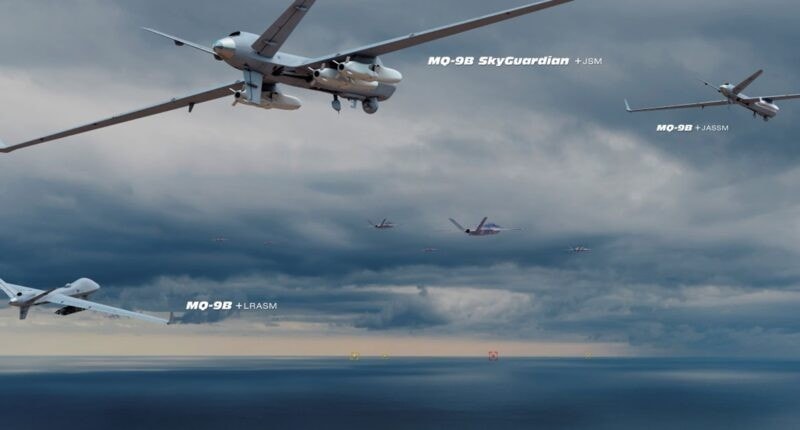
Enhance firepower with strategic missile systems.
GA-ASI is currently considering integrating Lockheed Martin's JASSM long-range air-to-surface missile and LRASM long-range anti-ship missile onto two drone variants: SkyGuardian and SeaGuardian. Specifically, the JASSM missile has a range exceeding 370km, and the LRASM is estimated to have a similar range.
In addition, the corporation is also researching the possibility of integrating Raytheon's Joint Strike missile, a weapon capable of reaching distances of up to 350km. Preliminary studies indicate that the MQ-9B platform is fully capable of carrying these weapons without compromising durability or flight stability.
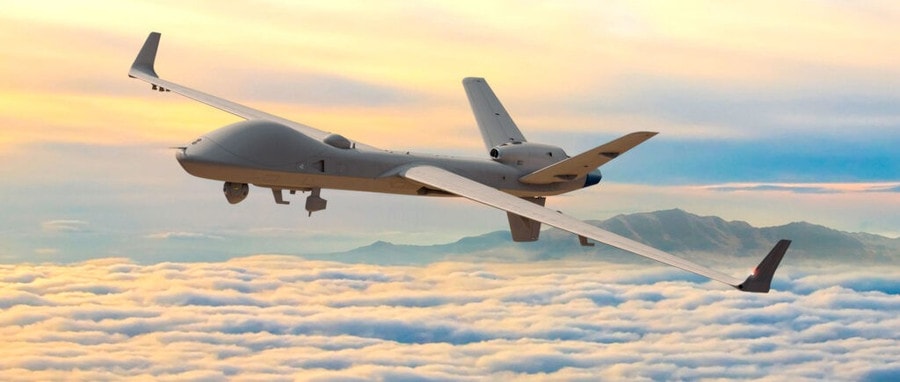
Technical specifications and test plan
With the SkyGuardian variant, the aircraft's useful payload reaches 2,155 kg, allowing for the deployment of long-range weaponized mission groups in a reasonable manner. Currently, engineers and partners are finalizing the technical integration with plans to conduct at least one MQ-9B missile-carrying test flight by the end of this year.
GA-ASI President David R. Alexander said that expanding into new missions will further increase the value of this flight platform. The MQ-9B is currently receiving interest and gaining new customers globally.
Combat tactics in the Pacific region
GA-ASI has outlined a hypothetical combat scenario for MQ-9B drones equipped with missiles. According to this scenario, these drones could launch from allied bases in the Western or South Pacific. Thanks to their long range, the vehicles could fly outside enemy combat zones to avoid detection.
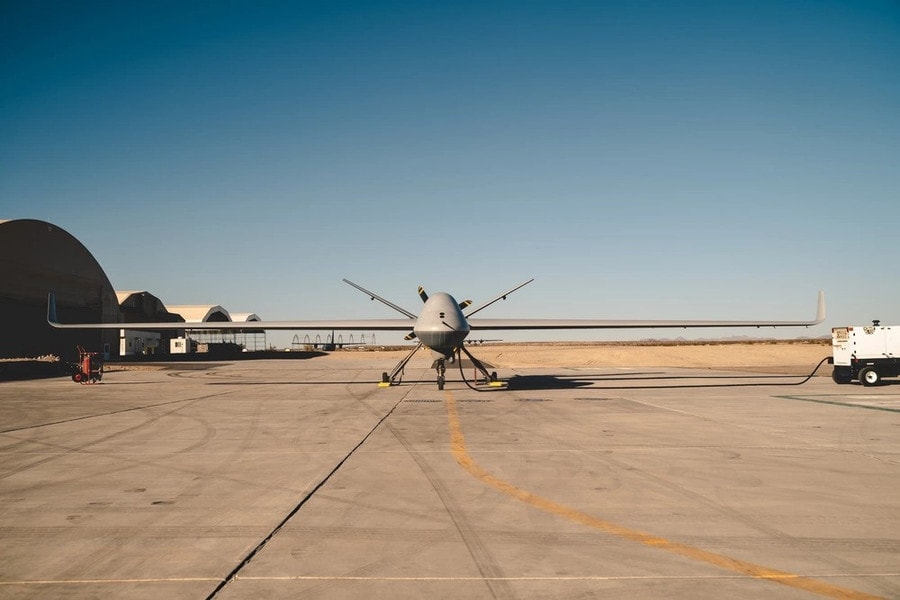
Upon receiving orders, the MQ-9B will launch missiles in coordinated strikes with US and allied forces. This capability optimizes combat effectiveness while ensuring the aircraft's safety against enemy air defense systems.


