
The Trump-class nuclear battleship project faces technical and budgetary challenges.
The White House opposes a provision in the NDAA 2027 that requires the U.S. Navy to demonstrate technological maturity and industrial capability before funding for the Trump-class battleships.
Section 131 of the National Defense Authorization Act (NDAA) for fiscal year 2027 requires Acting Secretary of the Navy Hung Cao to certify the technological maturity of the Trump-class battleship project by March 1, 2027. This is a move by the U.S. Congress to oversee the central program of the "Golden Fleet" initiative, as the super battleship faces numerous technical risks and the potential for overloading shipbuilding infrastructure.
Technological hurdles on the Trump-class battleships
The lead ship of the Trump-class, tentatively named USS Defiant, is estimated to cost over $17 billion, more than a Ford-class aircraft carrier. The ship's design incorporates a nuclear propulsion system along with many next-generation weapons systems that are not yet fully developed.
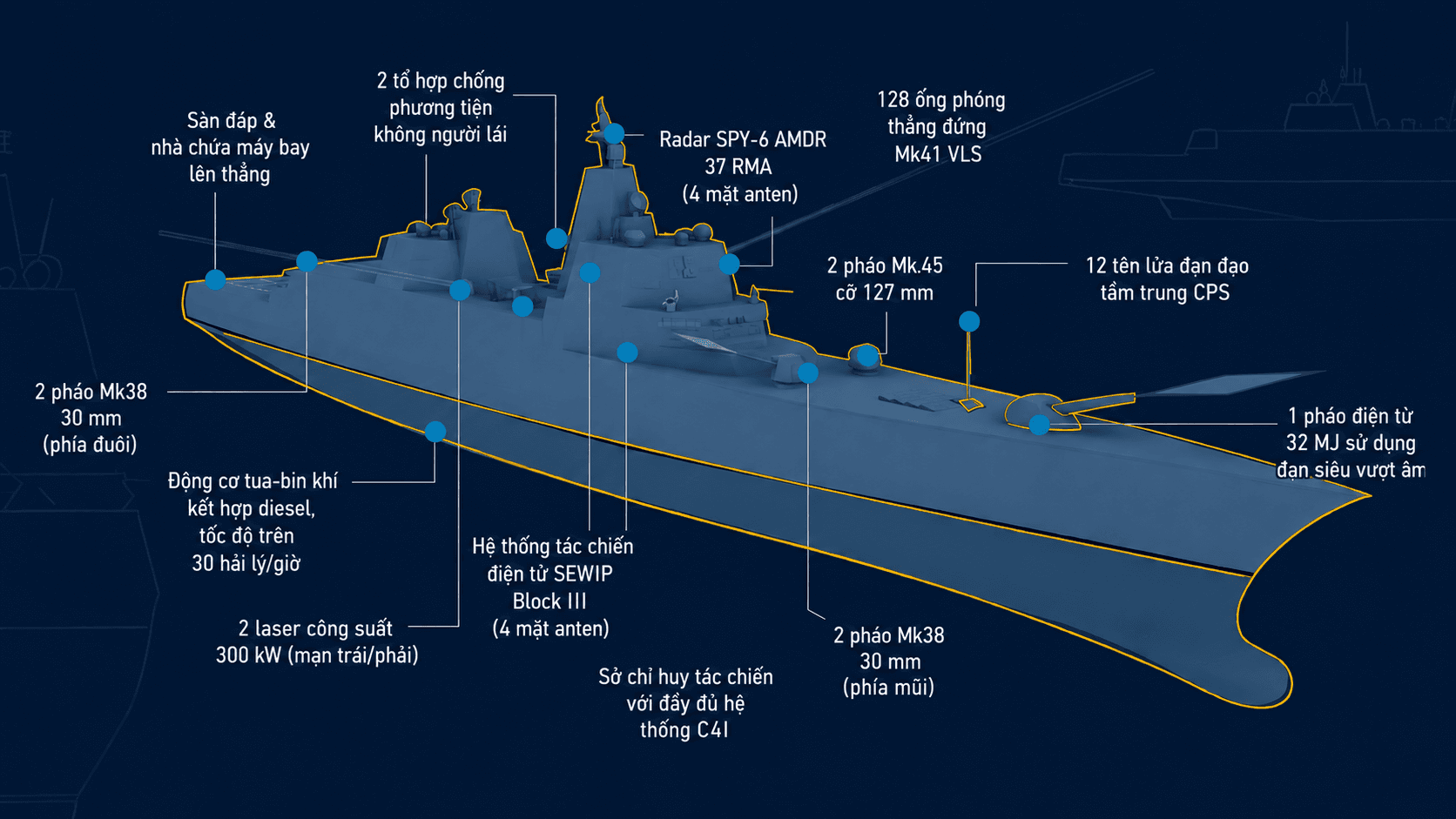
Technical analysis of the proposed weapon systems reveals several major reliability challenges:
- Electromagnetic Railgun:The program was suspended in 2021 after 16 years of development. This magnetic field technology causes the gun barrel to malfunction after only 12 to 24 shots, far below the 600-shot limit of traditional naval artillery. The prototype has not yet been tested in real-world conditions at sea.
- Laser interceptor weapons:The Trump-class design aimed for a 300-kilowatt power output for missile defense. However, the most powerful laser system currently in operation by the U.S. Navy only reaches 60 kilowatts and is in the process of being upgraded to 150 kilowatts.
- CPS medium-range ballistic missile:Part of the Conventional Prompt Strike project, this missile system is still in the ship-based launch testing phase and is facing cost overruns and some manufacturing defects.
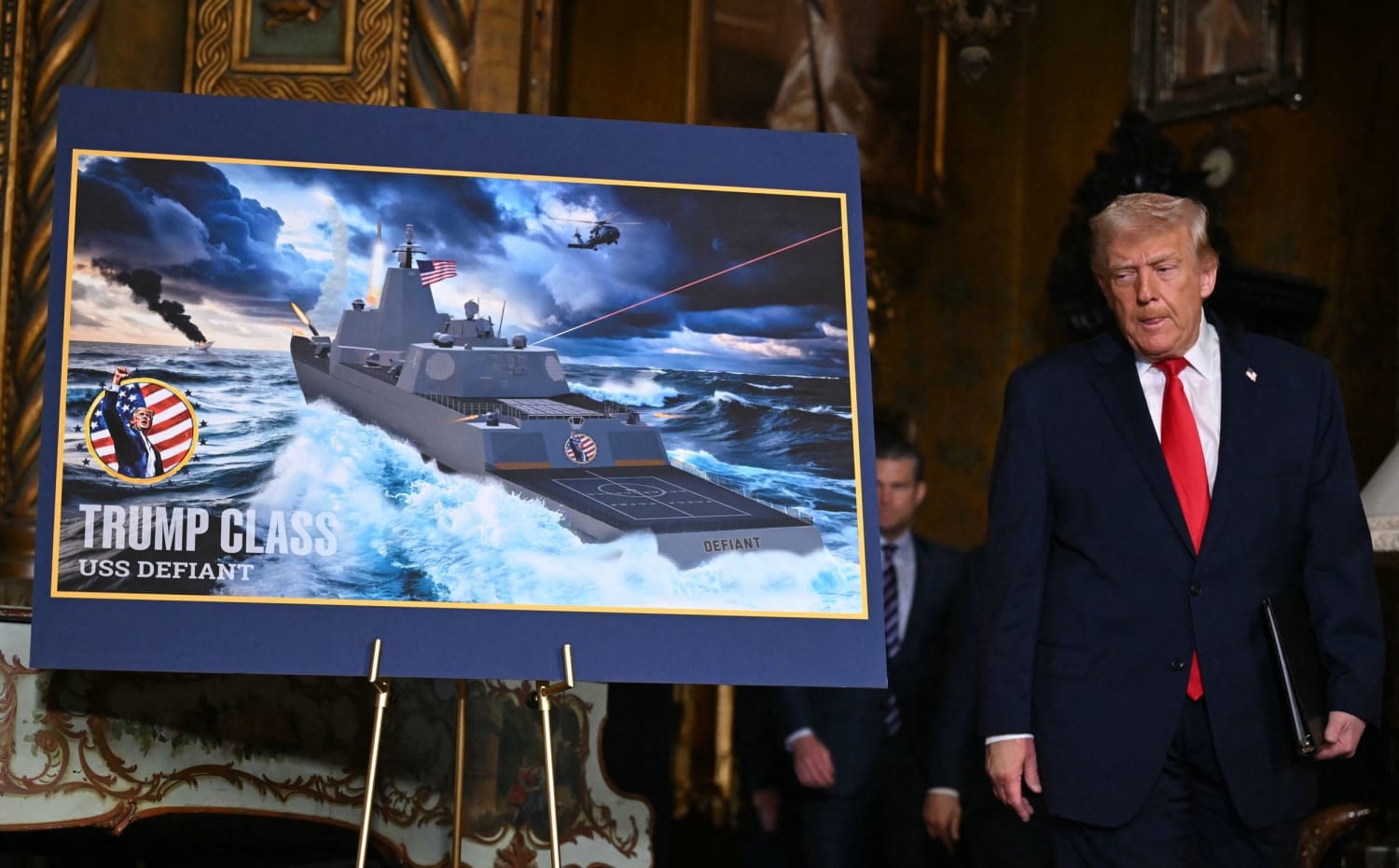
Risks from lessons learned in past weapons development.
The "build first, perfect technology later" approach has cost the US Navy dearly in many previous projects. Littoral Combat Ships (LCS) were decommissioned early due to design flaws; the Zumwalt-class stealth destroyers were scaled down from a series to just three; while the Constellation frigate program suffered delays and cost overruns.
In light of these risks, Senator Jeff Merkley of the Senate Budget Committee requested that the Government Accountability Office (GAO) and the Congressional Budget Office (CBO) conduct an independent review of the entire "Golden Fleet" project to control the risk of budget waste.
Bottleneck in nuclear shipbuilding industrial capacity
Besides technical factors, the production capacity of the US shipbuilding industry is also a major obstacle. Currently, the entire US only has two shipyards qualified to build nuclear-powered ships and one supplier of naval reactors.
This infrastructure is operating at full capacity to complete the three Ford-class aircraft carriers and the Columbia-class strategic nuclear submarine program. Therefore, the House Armed Services Committee has requested a separate report by March 1, 2027, to assess whether the allocation of resources for the Trump-class battleships will impact the progress of other strategic deterrence forces.
Efforts to coordinate the budget from the White House.
While Congress tightens its legislative oversight, the White House Office of Management and Budget (OMB) is seeking to include early procurement funding for nuclear propulsion components for battleships in a temporary budget bill. This approach aims to allow the Navy to implement the initial steps of the project without waiting for the official NDAA approval.
With the U.S. Navy's operating and training costs under significant pressure from real-world operations, balancing budgets between urgent operational needs and next-generation warship development projects will continue to be a central topic of debate in the U.S. Congress.


