
EU gas reserves may fall short of the 90% target due to supply disruptions.
The ACER agency warned that the EU could only reach 80% of its gas storage capacity instead of the planned 90%. Fuel prices have risen 40% amid tightening global supply.
Risk of energy shortages before winter
According to the latest report from the European Energy Regulators Cooperation Agency (ACER), the European Union (EU) faces a significant risk of failing to meet its target of filling 90% of its gas reserves before winter. ACER estimates that member states are likely to only reach approximately 80% of their storage capacity.
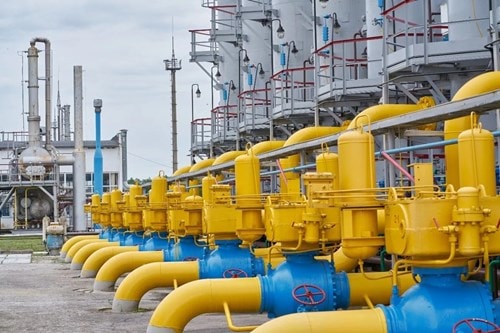
Data from Gas Infrastructure Europe shows the current situation is quite serious, with the bloc's storage facilities only at about 31% capacity. This is the lowest level for the same period since 2022, when Russia began cutting supplies to the continent. Normally, gas reserves play a crucial role, meeting up to one-third of the EU's heating and production needs during the winter.
Double pressure from the Middle East and the global LNG market.
The primary cause of this decline is the complex geopolitical situation. The conflict in the Middle East has disrupted shipping through the Strait of Hormuz, a vital route handling approximately 20% of global LNG. Furthermore, Qatar's gas infrastructure has suffered significant damage and is expected to take years to fully restore its capacity.
To achieve the 90% target, the EU needs to increase its liquefied natural gas (LNG) imports by 13% compared to 2025. However, this faces a major obstacle as European customers face fierce competition from buyers in Asia. Supply shortages have driven gas prices in the European market up by around 40%, making many businesses hesitant to stockpile.
Coordination efforts to stabilize the market.
Faced with low reserves and high costs, the EU has urged member state governments to urgently launch a campaign to replenish reserves as soon as possible. To avoid price surges caused by competing countries, the EU said it would establish a mechanism for coordinating joint purchases.
Overall, although the majority of the EU's supply now comes from the US and Norway instead of the Middle East, the interconnectedness of the global energy market means that Europe remains directly affected by distant conflicts. ACER warns that without decisive measures, energy costs will remain high this coming winter, putting pressure on the region's economy.


