
Putting the Resolution of the 20th Provincial Party Congress into practice:Focus on building a 'lean, efficient, and strong' team of officials.
Cadres are a key factor determining the success or failure of the Resolution of the 20th Provincial Party Congress (2025-2030 term). Recognizing this, Nghe An is focusing on building a team of cadres at all levels to meet the requirements of new tasks, especially successfully implementing the two-tiered government model, creating a foundation for rapid and sustainable development.
.jpg)
A breakthrough starting with personnel.
During the 2025-2030 term, the country enters a new phase of development with many intertwined opportunities and challenges. Industrialization and modernization are being accelerated, closely linked with digital transformation, the development of a knowledge-based economy, and increasingly deep international integration. In particular, the reorganization of administrative units and the implementation of a two-tiered local government model are placing very new and comprehensive demands on personnel management.
In this context, the cadre is the decisive factor in the success of the revolutionary cause. Building a cadre at all levels with the qualities, capabilities, and prestige to match the tasks is an urgent and long-term strategic direction for the development of Nghe An.
Over the years, deeply understanding the Central Committee's viewpoint, especially Resolution No. 26-NQ/TW of the 12th Central Committee on building a contingent of cadres at all levels (especially at the strategic level), the Nghe An Provincial Party Committee has issued many resolutions, projects, and regulations to concretize and comprehensively implement cadre work. As a result, many aspects of the work have seen positive changes.
Recruitment processes are becoming increasingly rigorous, open, and transparent, ensuring healthy competition. Over the past five years, the province has recruited 10,280 new civil servants and public employees (including 224 civil servants and 10,056 public employees).
The evaluation of cadres is being gradually reformed towards a scientific and objective approach, linked to the results of task performance, using work efficiency and the trust of the collective as the measure. The percentage of cadres who successfully complete their tasks annually is over 97%, of which the percentage of those who excellently complete their tasks is kept below 20%, in accordance with regulations.
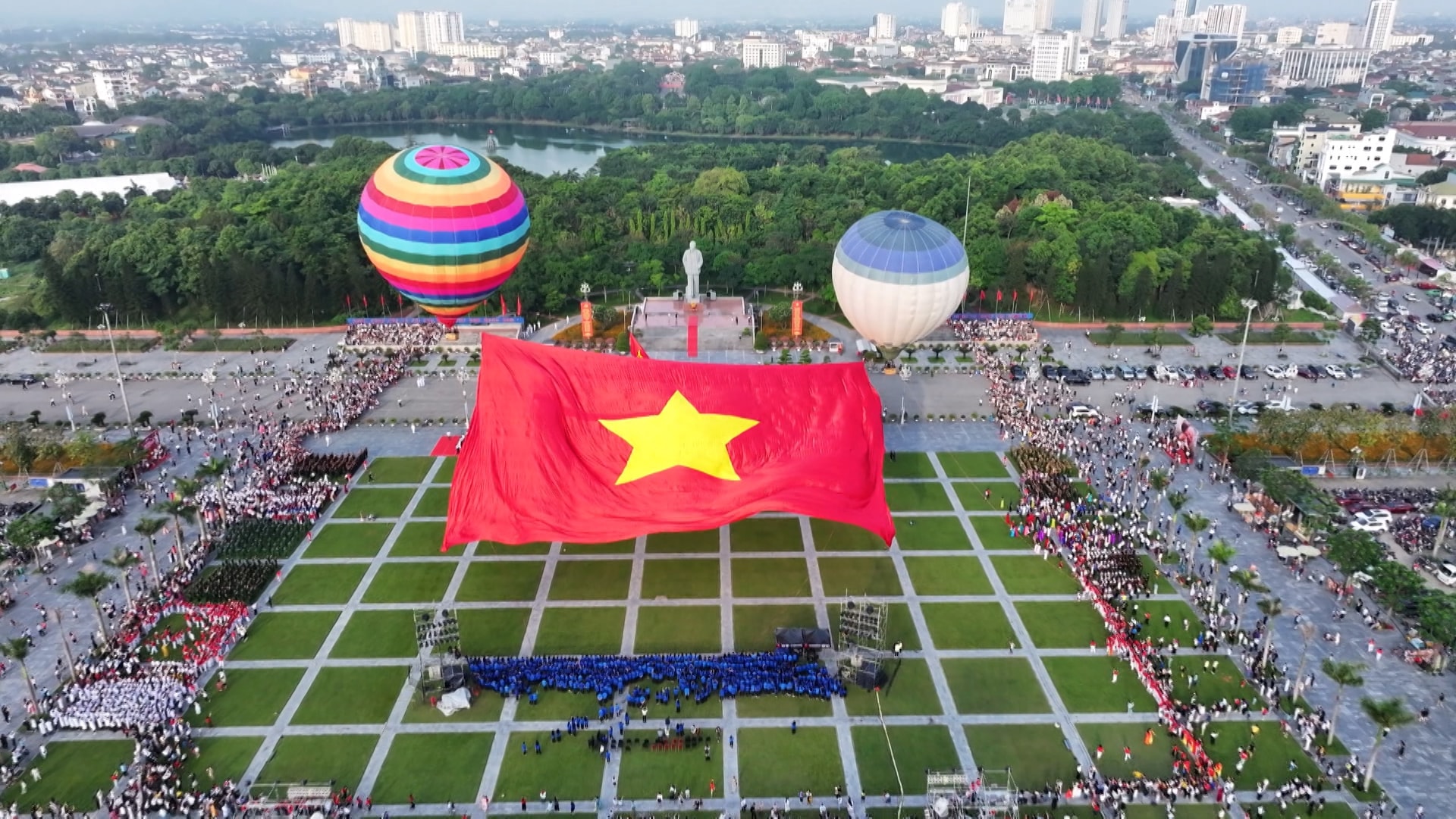
Personnel planning is becoming increasingly systematic, ensuring a rational structure. Training and professional development are becoming more substantive. During the past term, 487,121 cadres, civil servants, and public employees participated in training courses on political theory, professional skills, state management, and work skills.
The arrangement, deployment, rotation, and appointment of cadres have been carried out proactively, with a roadmap, gradually overcoming the situation of closed-mindedness and local parochialism. During the period 2020-2025, the entire province deployed, rotated, arranged, appointed, reappointed, designated, and approved 306 cadres; nominated 289 candidates; and provided opinions on the appointment, reappointment, and planning of 261 cadres from central agencies located in the province.
Personnel policies are regularly addressed, contributing to motivating and encouraging officials to work with peace of mind and remain committed to the locality in the long term. Internal political security work is carried out strictly, promptly detecting, investigating, verifying, and concluding on issues related to officials and Party members.
As a result, the province's cadre has become increasingly mature, with the majority possessing strong political acumen, impeccable moral character, a healthy lifestyle, and close ties to the people. Their level of political theory, professional expertise, leadership, management, and operational capabilities has significantly improved. Currently, 100% of provincial-level leaders and managers, and 98.4% of commune-level Party committee members and key officials, hold a university degree or higher.
Synchronize tasks and solutions
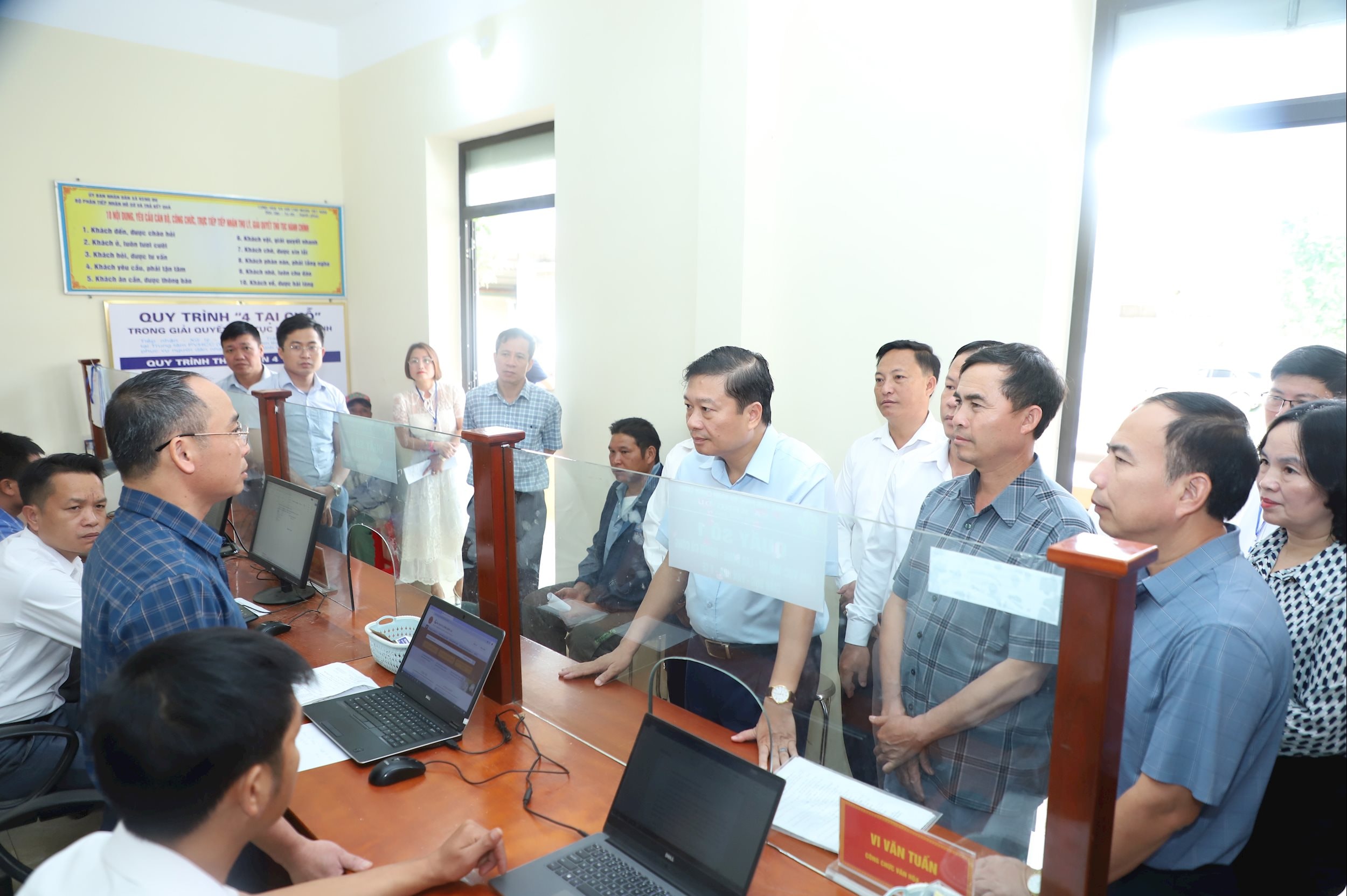
However, despite the achievements, the province's personnel management still reveals some limitations and shortcomings.
The evaluation of officials does not truly reflect their actual performance; in some places, there is still favoritism, avoidance, reluctance to confront issues, and a lack of close connection to specific results and the trust of the people. Personnel planning sometimes lacks quality and interconnectedness; the proportion of young officials, female officials, and officials from ethnic minorities appointed to leadership and management positions remains low.
Training and professional development have not fully met the requirements of the new era; the rotation and placement of capable and promising young cadres are slow, lacking boldness in assigning tasks, and failing to provide opportunities for young cadres to gain practical experience. The capabilities of the cadre are uneven, with some still limited in strategic thinking, leadership, management, and socio-economic administration. In particular, there are still cadres who have deteriorated in political ideology, ethics, and lifestyle, affecting the prestige of the Party organization and the trust of the people.
To put the Resolution of the 20th Provincial Party Congress into practice and successfully implement the two-tiered government model, right from the beginning of the 2025-2030 term, it is suggested that the province should focus on implementing the following key tasks and solutions in a comprehensive and effective manner:
Strengthen political and ideological propaganda and education to raise awareness among cadres and Party members about the importance of the cadre force. The focus is on promoting the pioneering and exemplary role of cadres and Party members, especially those in leadership positions. At the same time, tighten administrative discipline and order, effectively implementing the Central Committee's documents on Party building and rectification, and resolutely screening and removing unqualified Party members from the Party.
Timely review, amendment, and supplementation of the system of documents on personnel work are necessary to create uniformity, consistency, and suitability with the two-tiered local government model and the new context. In particular, emphasis should be placed on promoting decentralization, delegation of power, accountability, and control of power. The standards for job titles and criteria for evaluating officials must be more clearly defined, linked to the improvement of the job position scheme. Attention should be paid to improving the system of personnel policies to encourage dedicated and committed officials, especially those at the commune level and in disadvantaged areas, to work with peace of mind.
At the same time, reform personnel work in a synchronized and interconnected manner, focusing on key areas: Implementing personnel evaluation and classification in a specific and scientific way, using effectiveness, work output, and public trust as the main criteria. Evaluation results must be closely linked to personnel planning, placement, and utilization, giving importance to evaluating ethics, lifestyle, and the spirit of fighting against corruption.
Develop long-term, feasible plans for training and developing cadres, clarifying the development roadmap and training mechanisms. Training plans must help cadres quickly adapt to the new model, improve their management and operational capabilities, and closely integrate theoretical and practical training, focusing on skills in applying science and technology.

Promote the rotation, transfer, and placement of key officials at the commune level in accordance with the two-tiered government model, overcoming the situation of isolation and local parochialism. Emphasize the training and testing of officials through practical experience at the grassroots level, by strengthening the deployment of officials from provincial departments and agencies to communes and wards. The rotation process must ensure fairness, transparency, clear criteria, and timely support policies. Strictly implement the policy of appointing Party secretaries who are not from the local area and ensuring that heads of departments do not hold their positions for more than two consecutive terms.
Strengthen regular and unscheduled inspections and supervision of personnel work; promptly and strictly handle organizations and individuals who violate regulations. Develop and effectively operate a national database system on personnel, ensuring synchronization, interconnection, and consistency throughout the entire political system.
With strong political determination and comprehensive solutions, Nghe An is confident that it will successfully build a "lean, efficient, and strong" team of officials, put the Resolution of the 20th Party Congress into practice, and create a solid foundation for the sustainable development of the province.


