
Relying on the community to preserve "spring treasures" in western Nghe An.
The "cá mát" fish has long been considered a "bounty of the stream" for the people of western Nghe An province. This endemic species is delicious, has high economic value, and is closely linked to the livelihoods of many households in the highlands. In recent years, many localities have proactively implemented community-based conservation models for this fish species, initially yielding clear results.
"The bounty of the spring" of the local people.
For the people of the mountainous region of Nghe An, the "ca mat" fish is not only a specialty dish but also a cultural symbol of life along the streams. "Ca mat" fish typically live in clear, year-round streams and springs. Their white, fragrant, and clean flesh, primarily fed on algae clinging to rocks, makes them a characteristic ingredient in many dishes such as grilled "ca mat" fish, braised "ca mat" fish, and "ca mat" fish sausage. Local prices range from 250,000 to 350,000 VND per kilogram, but they are always scarce and insufficient to meet market demand.
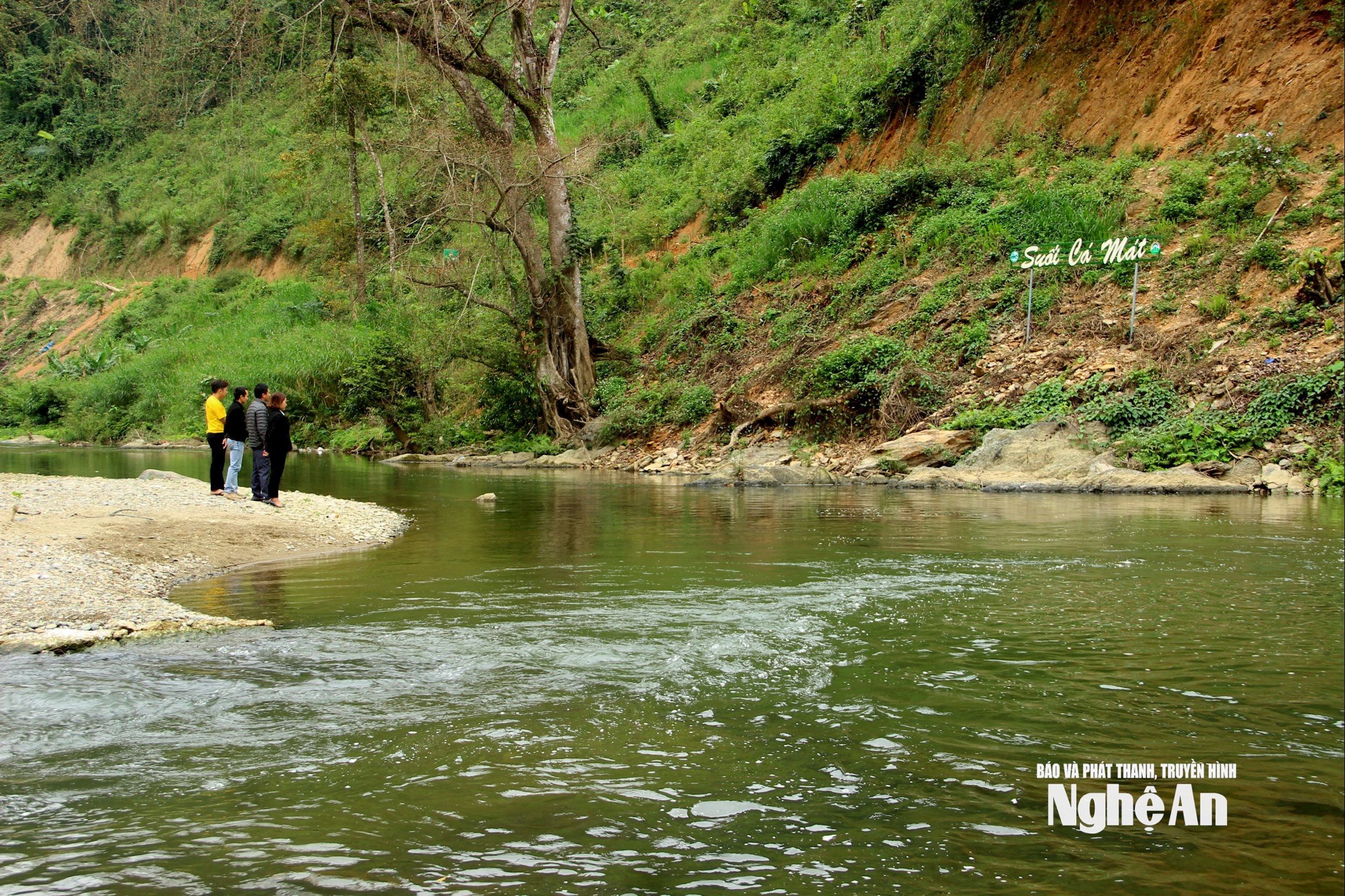
Khe Cat is a winding stream that flows through Tam Thai commune. The stream is pristine, with a consistently stable and oxygen-rich water environment. These characteristics create ideal conditions for the growth of the catfish, resulting in Khe Cat having a rich population of catfish.
Mr. Kha Van Trung, a resident of Xop Nam village, Tam Thai commune, shared: Khe Cat has long been famous as the "heartland of cool fish" in the region, where you can easily spot schools of fish swimming in the stream, their bodies shimmering with silver. Khe Cat cool fish are like a "gift from heaven," associated with meals, rituals, and childhood memories of countless generations. Therefore, the locals cherish this fish species very much.
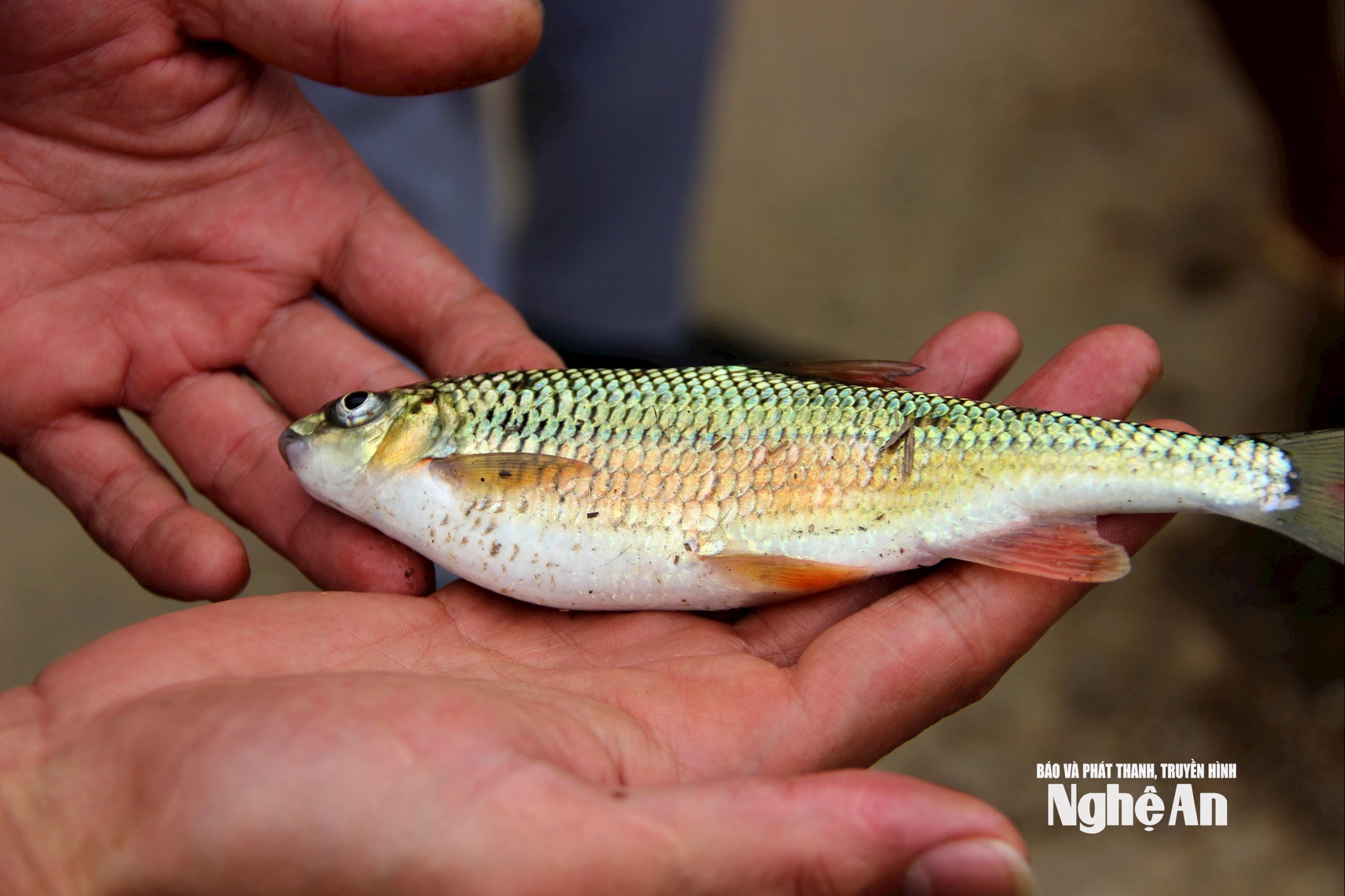
In Hung Chan commune, the love and appreciation for the "mat" fish is also evident in the lives of the highland people. The Nam Cuom stream, flowing through the villages of Cuom and Chao, has clear, cool water year-round, and lush vegetation on both banks, making it an ideal habitat for "mat" fish along with many other stream fish species such as "com" fish and eels.
Mr. Nguyen Xuan Hoa, Chairman of the People's Committee of Hung Chan commune, shared: "We always feel fortunate to have schools of catfish living in the streams in our commune. This rare fish species not only provides a nutritious food source and significant economic value, contributing to tourism development, but is also closely associated with cultural life and traditional rituals. Local people always cherish and protect the catfish as an integral part of the village's soul, with pride in their highland homeland."
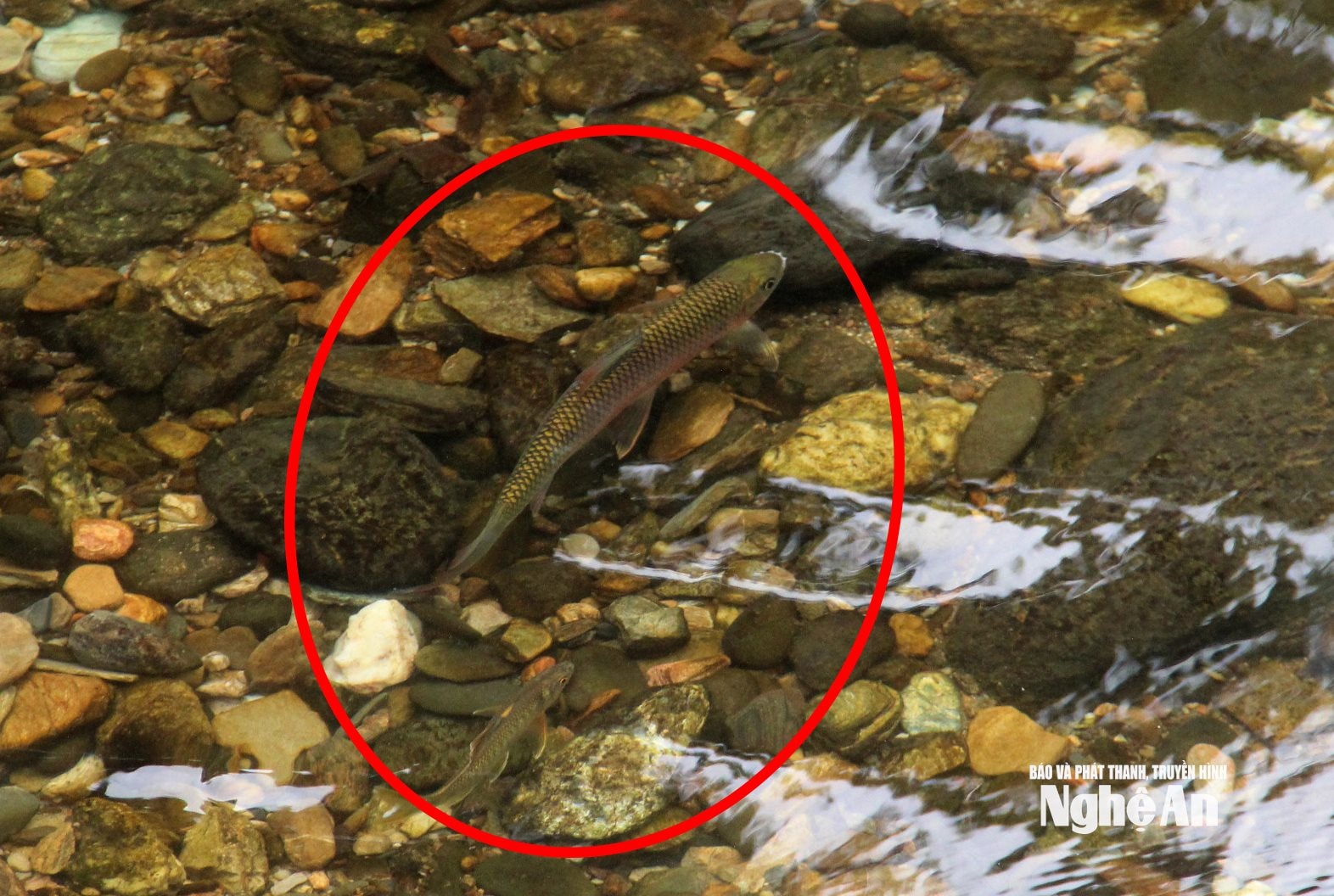
Despite being a valuable and economically important fish species, local authorities are facing numerous threats. High-intensity fishing methods such as using explosives, poisons, or electric shock, although prohibited, still occur in some areas, leading to a rapid decline in fish populations. Furthermore, the use of nets with excessively small mesh sizes and fishing during the breeding season also contribute to the depletion of the resource. This pressure is exacerbated by the difficult economic conditions of ethnic minority communities living along the river basin, who rely heavily on natural food sources, thus perpetuating illegal fishing.
Besides direct exploitation, activities that impact the habitat, such as deforestation, quarrying, and domestic wastewater discharge, are degrading water quality and the living environment of the catfish. All these factors are putting this rare species at serious risk of decline, requiring timely and effective conservation measures from the community and local authorities.
Conservation efforts
In Hung Chan commune, recognizing the potential and value of the "ca mat" fish, the local authorities issued Directive No. 01-CT/DU dated August 4, 2025, of the Standing Committee of the Commune Party Committee on continuing to implement the model "Conservation and development of natural aquatic resources associated with the conservation of "ca mat" fish in Hung Chan commune" and the implementation plan.

Accordingly, Hung Chan commune is implementing comprehensive solutions to conserve and develop aquatic resources, especially the catfish, while simultaneously raising awareness and responsibility among the local community. First and foremost, emphasis is placed on disseminating information and educating the public about relevant laws. Residents are informed about regulations related to the Fisheries Law, the Biodiversity Law, and the Environmental Protection Law, and are provided with basic knowledge on the management, conservation, and sustainable exploitation of aquatic resources.
Simultaneously, the villages within the commune were instructed to develop and finalize their own regulations and customs, incorporating provisions for the conservation and development of aquatic resources, including the protection of the catfish. All fishing activities in the conservation area are strictly prohibited, except during periods permitted by the State authorities, typically on April 30th - May 1st (Gregorian calendar) and December 25th - 27th (Lunar calendar) annually. Violations will be severely punished according to the law. At the same time, the locality encourages the organization of traditional fishing competitions, linked to local festivals and tourism development. The locality also specifically identifies conservation areas, prohibits fishing, and clearly marks and signs these areas in villages such as Hoc, Chao, Cuom, Na Lanh, Lim, Nat Tren, etc.

In Tam Thai commune, strictly protected areas for the snakehead fish have been identified in the villages of Xop Nam, Phong, Vang Mon, Huoi Son, and Pha Lom, including spawning grounds, shelters, and important areas along the streams and rivers. In these areas, all forms of fishing are strictly prohibited year-round to ensure the natural habitat and regeneration capacity of the snakehead fish. Limited fishing is permitted in surrounding areas, under a rotational system and community monitoring to maintain the sustainable resource.
Mr. Vieng Van Vien, head of Xop Nam village in Tam Thai commune, said that the village has disseminated regulations on protecting the catfish, and those who violate the rules will be fined 500,000 to 2,000,000 VND. No violations have occurred since the beginning of the year, but in 2024, there was a case of students stealing catfish, which the village reported to the family and school. The village has also installed a surveillance camera system to monitor illegal catfish harvesting activities.
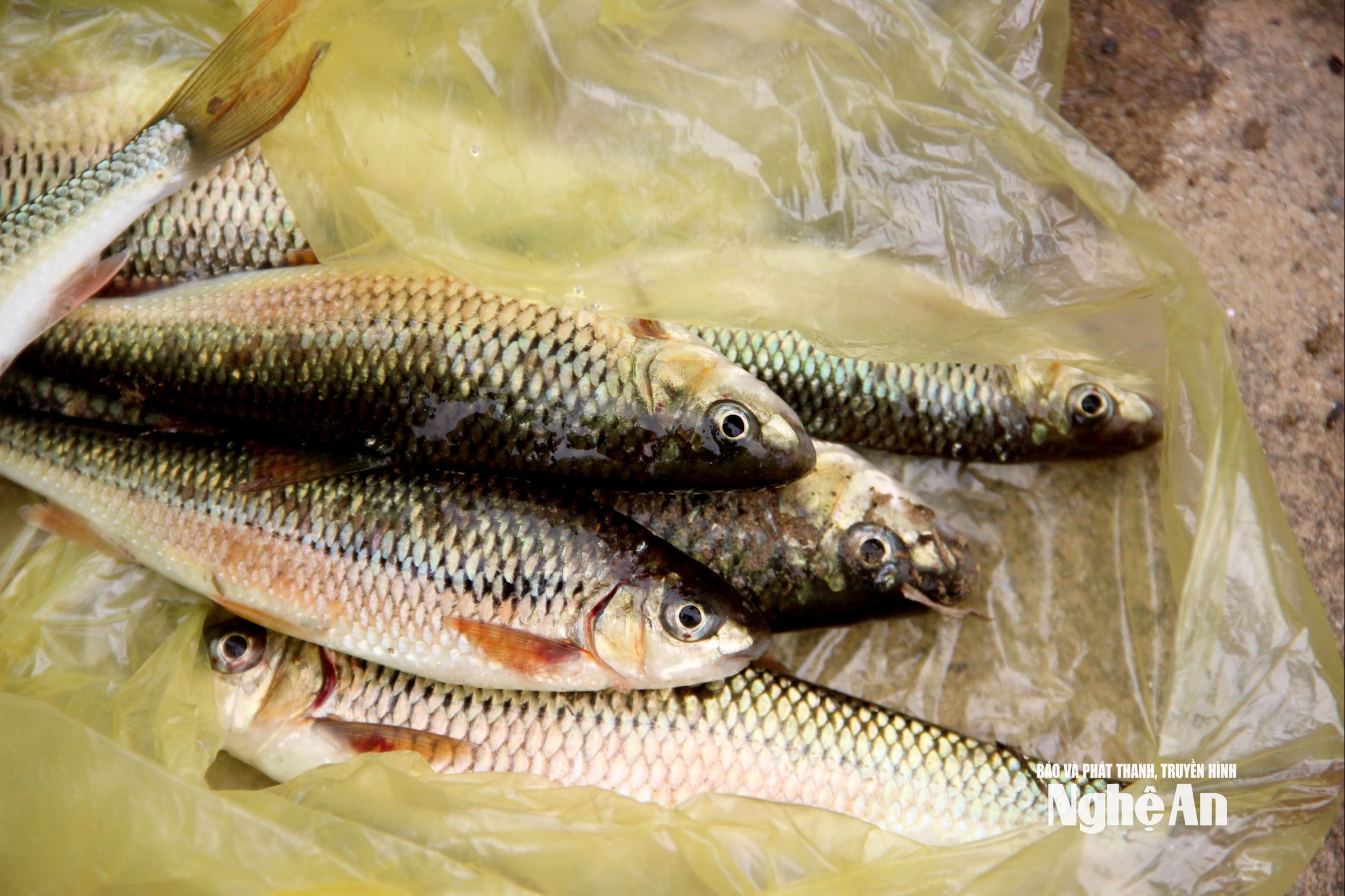
Through concrete and practical solutions, along with the collective and voluntary efforts of the community, the conservation of the catfish in the streams and ravines of the highlands is gradually becoming more effective. The coordination between the government and the people not only helps protect this rare aquatic resource but also maintains the cultural, economic, and tourism value of the locality.


