
Germany is supplying Sidewinder missiles to bolster Ukraine's air defenses.
Germany plans to supply Ukraine with a large number of AIM-9 Sidewinder short-range air-to-air missiles from its reserves, to equip NASAMS and F-16 fighter jets.
Germany will transfer a large batch of AIM-9 Sidewinder short-range air-to-air missiles from its reserves to Ukraine, aiming to bolster its air defense capabilities by equipping NASAMS launchers and F-16 fighter jets. This decision follows previous German air defense support initiatives such as Patriot and IRIS-T, and sparks debate about the cost-effectiveness of using this type of missile to intercept inexpensive kamikaze drones.
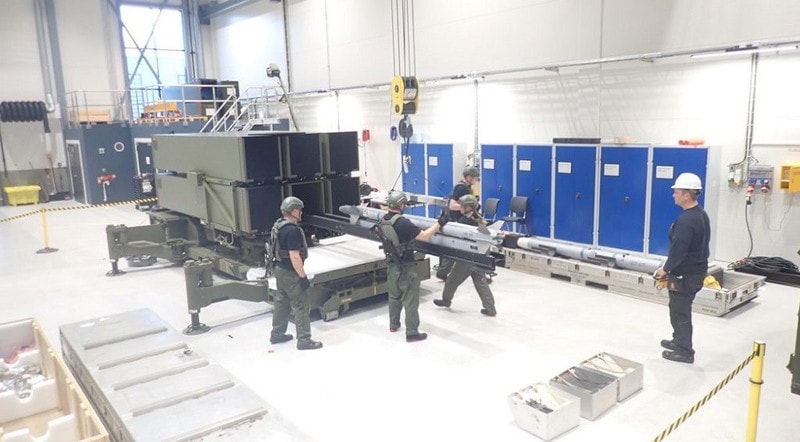
Statements from Germany and deployed air defense packages.
According to a report by European Pravda, German Defense Minister Boris Pistorius made the announcement regarding the supply of AIM-9 Sidewinder missiles to Ukraine at the opening of the meeting of the Contact Group on Defense Issues in Ukraine, within the framework of the Ramstein format. This is the main forum for countries to discuss and coordinate military support for Ukraine.
Mr. Pistorius stated that Germany has significantly enhanced Ukraine's air defense capabilities in recent times. A key milestone was the transfer of two Patriot missile defense systems, under an agreement reached in August. Patriot is one of the main air defense systems in Ukraine's air defense network.
Some of these deliveries were carried out with the support of Norwegian partners. Besides Patriot, Ukraine also received its ninth IRIS-T missile defense system, manufactured in Germany. This weapon is considered to have demonstrated very high capabilities on the battlefield, adding another layer of protection to Ukraine's diverse air defense network.
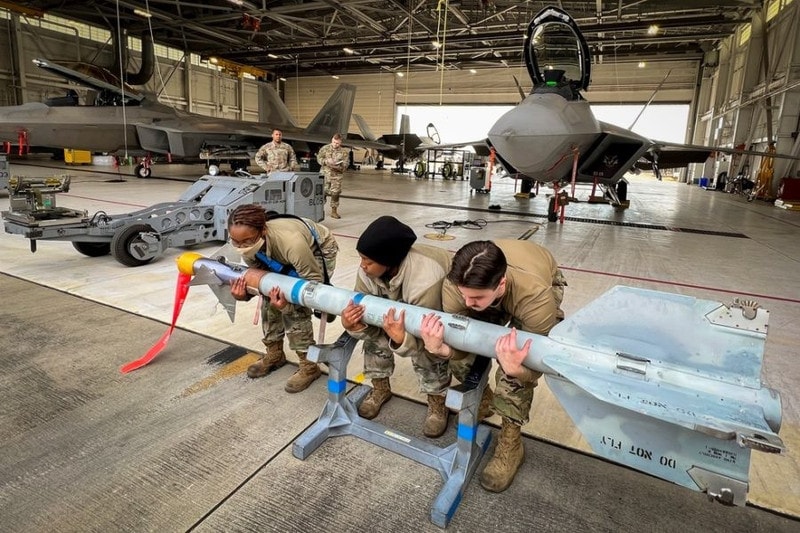
AIM-9 Sidewinder in Ukraine's air defense plan.
In this context, the AIM-9 Sidewinder package is seen as the next step in enhancing air defense capabilities. The German Defense Minister emphasized that, in the coming year, Germany will supply a large number of AIM-9 Sidewinder missiles from its reserves to strengthen Ukraine's air defenses. Notably, these missiles are being taken directly from the Bundeswehr's stockpile, indicating the priority given to Ukraine.
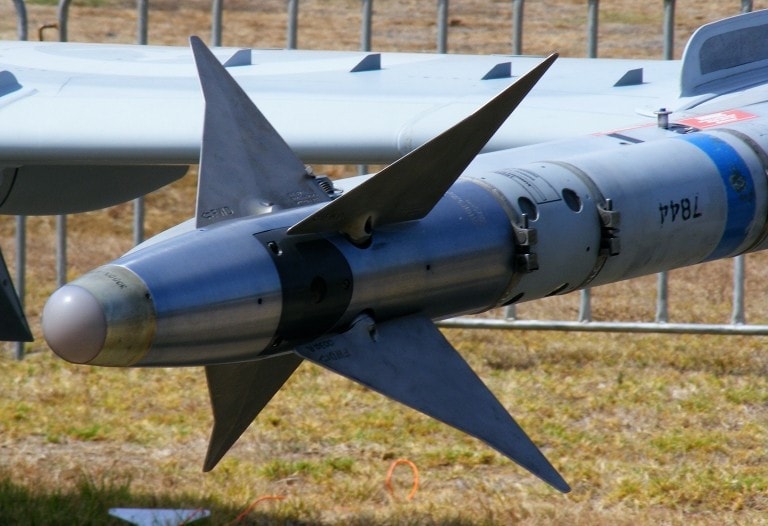
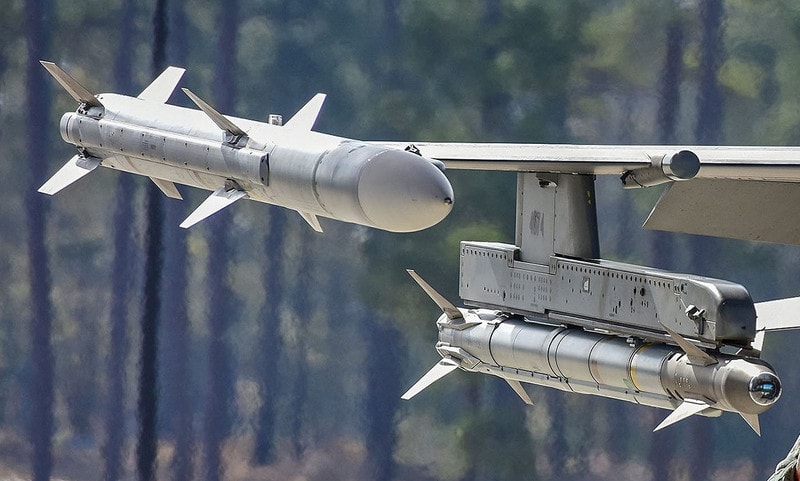
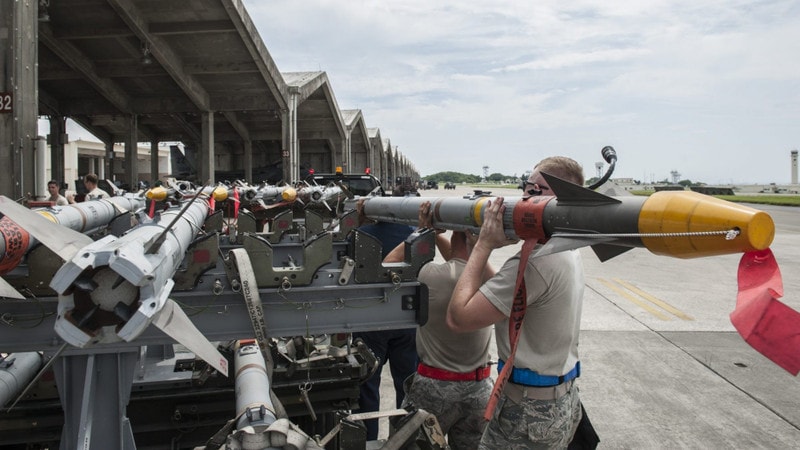
According to sources, the AIM-9 Sidewinder is a key short-range guided air-to-air missile of the US military, and has been used by the German Army (Bundeswehr) for many years. Choosing a weapon familiar to the German forces gives Berlin the flexibility to transfer from its reserves without having to wait for the establishment of a new supply chain.
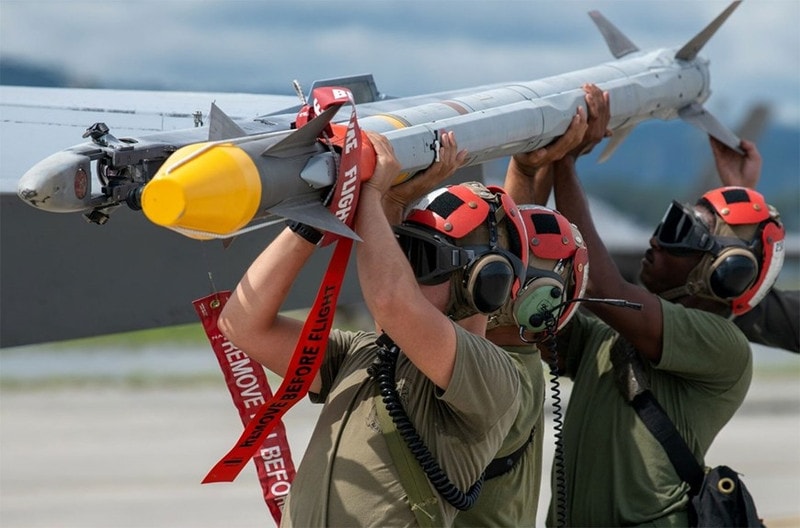
Currently, the Eurofighter Typhoon is the primary carrier of the Sidewinder missile in Germany's arsenal. For Ukraine, the AIM-9 Sidewinder will be integrated into F-16 fighters, serving to repel Russian drone and missile attacks. Simultaneously, equipping NASAMS launchers with Sidewinders allows for the use of short-range air-to-air missiles in a ground-based air defense role.
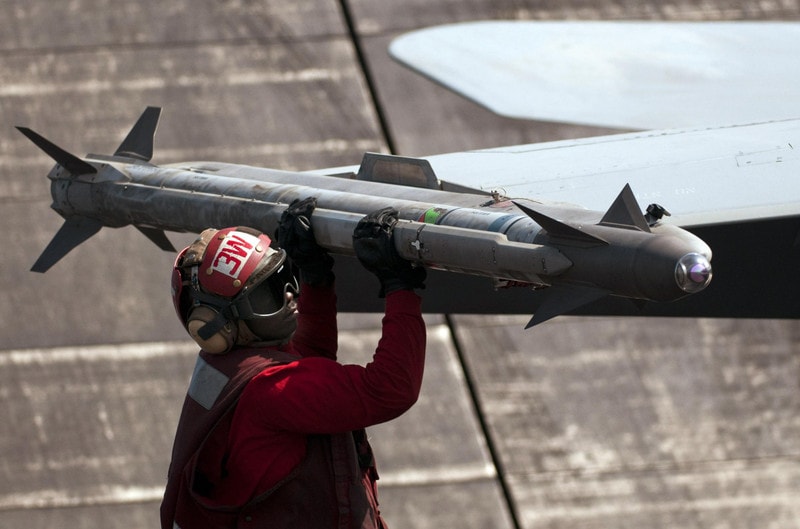
Operational benefits and the debate over cost-effectiveness.
In terms of combat operations, the addition of a large number of short-range missiles like the AIM-9 Sidewinder gives Ukraine more options for intercepting targets in the final stage of their trajectory. When combined with systems like Patriot and IRIS-T, the Sidewinder can handle targets at closer ranges, reducing the burden on long-range air defense systems, which typically have high cost per shot.
Integrating the Sidewinder into both NASAMS and the F-16 also increases operational flexibility. The same ammunition can be used from ground launchers or from the aircraft, simplifying logistics and maintenance compared to maintaining multiple different types of ammunition for different platforms. However, the actual effectiveness depends on the specific tactical deployment and intensity of use on the battlefield.
Besides the obvious advantages in firepower, sources also note a body of opinion suggesting that the AIM-9 Sidewinder is being used in a cost-effective manner. Specifically, this missile is being used to intercept suicide drones that cost only a few tens of thousands of dollars and can be quickly mass-produced. Meanwhile, each Sidewinder is a high-value, sophisticated asset.
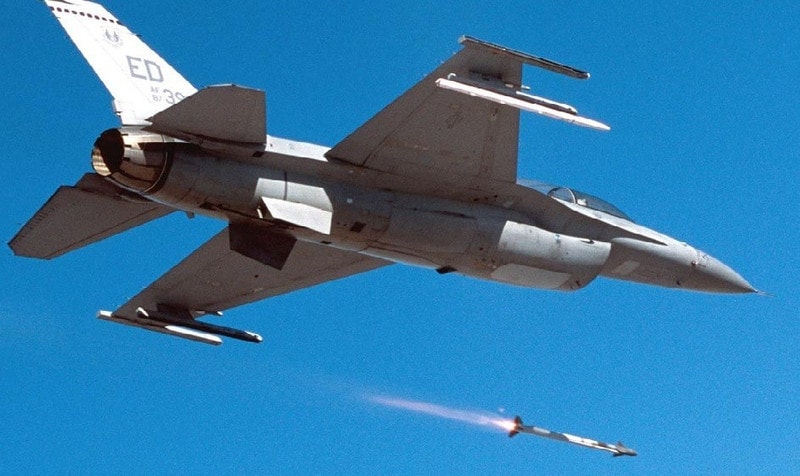
According to these assessments, if Sidewinder missiles were used to counter a massive number of inexpensive suicide drones, the missile stockpile could be depleted in a short time, while the enemy would still be able to continue producing drones. The challenge is to consider target classification: using short-range, high-value missiles for truly important targets, while finding lower-cost air defense solutions for suicide drones to maintain long-term combat capability.
Sidewinder's role in Ukraine's air defense network
The decision to supply AIM-9 Sidewinder systems coincided with Germany's transfer of Patriot and IRIS-T systems, indicating a strong focus on supporting Ukraine's air defense capabilities. Patriot systems handle more complex interception tasks, while IRIS-T and Sidewinder systems add short-range firepower, forming a multi-layered air defense network with various weapon types.
Overall, the combination of Patriot, IRIS-T, NASAMS, and F-16s carrying Sidewinder missiles gives Ukraine more options in terms of interception range and timing, from ground to air. The Sidewinder package from Germany's stockpile therefore not only supplements the number of missiles but also strengthens the existing air defense network, given the continued high frequency of UAV and missile attacks.


