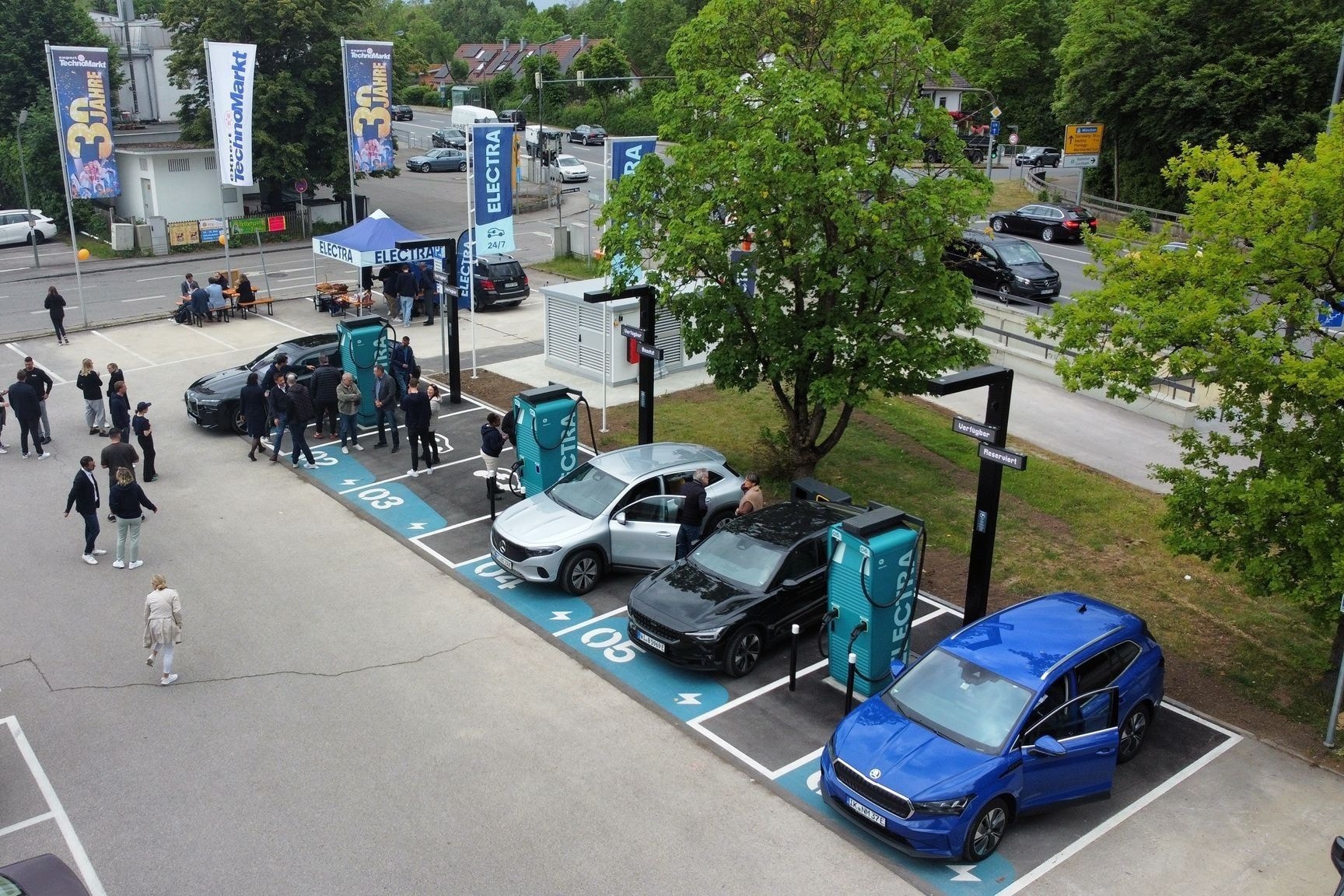
Germany restarts electric vehicle subsidies with stricter regulations.
The German government has announced a new €3 billion electric vehicle subsidy package, focusing on low-income earners and, for the first time, extending incentives to used vehicles.
The German government has officially announced plans to restart its electric vehicle (EV) subsidy program with a total budget of 3 billion euros (approximately 3.5 billion USD), extending until 2029. This move aims to revive the slowing EV market and support the domestic automotive industry.
Stricter conditions, clearer objectives
The new program, scheduled to take effect on January 1, 2026, will apply stricter regulations than before. The main goal is to direct support towards low- and middle-income households as well as small businesses. The maximum support amount per eligible case is 4,000 Euros (approximately 4,700 USD).
Key policy changes include:
- Price limit for vehicles:The price cap for subsidized vehicles has been drastically reduced from 65,000 Euros to 45,000 Euros (approximately 52,500 USD).
- Income limit:The program will apply an annual income limit to buyers, expected to be around 45,000 Euros, to ensure that the subsidy reaches the right recipients.
- Applicable vehicle types:Only pure electric vehicles (BEVs) are eligible; plug-in hybrid vehicles (PHEVs) have been excluded from the support list.
- Expanding to include older vehicles:For the first time, the program is expanding its offers to include used electric vehicles, a move aimed at increasing accessibility for more users.

Industry reactions and related proposals
The German automotive industry association (Verband der Automobilindustrie - VDA) welcomed the government's move, but also expressed concern that prolonged discussions on the details could cause consumers to delay purchasing decisions, negatively impacting the market in the short term.
Meanwhile, the German Automobile Club (Allgemeiner Deutscher Automobil-Club - ADAC) expects the government to implement further incentives. ADAC proposes extending the vehicle registration tax exemption program for electric vehicles until 2035 to ensure long-term stability. Currently, electric vehicles registered before the end of 2025 are exempt from this tax until 2030. Under the new plan, vehicles registered between 2026 and the end of 2030 will be exempt from the tax for a maximum of 10 years, but not exceeding 2035.

Market context and expectations
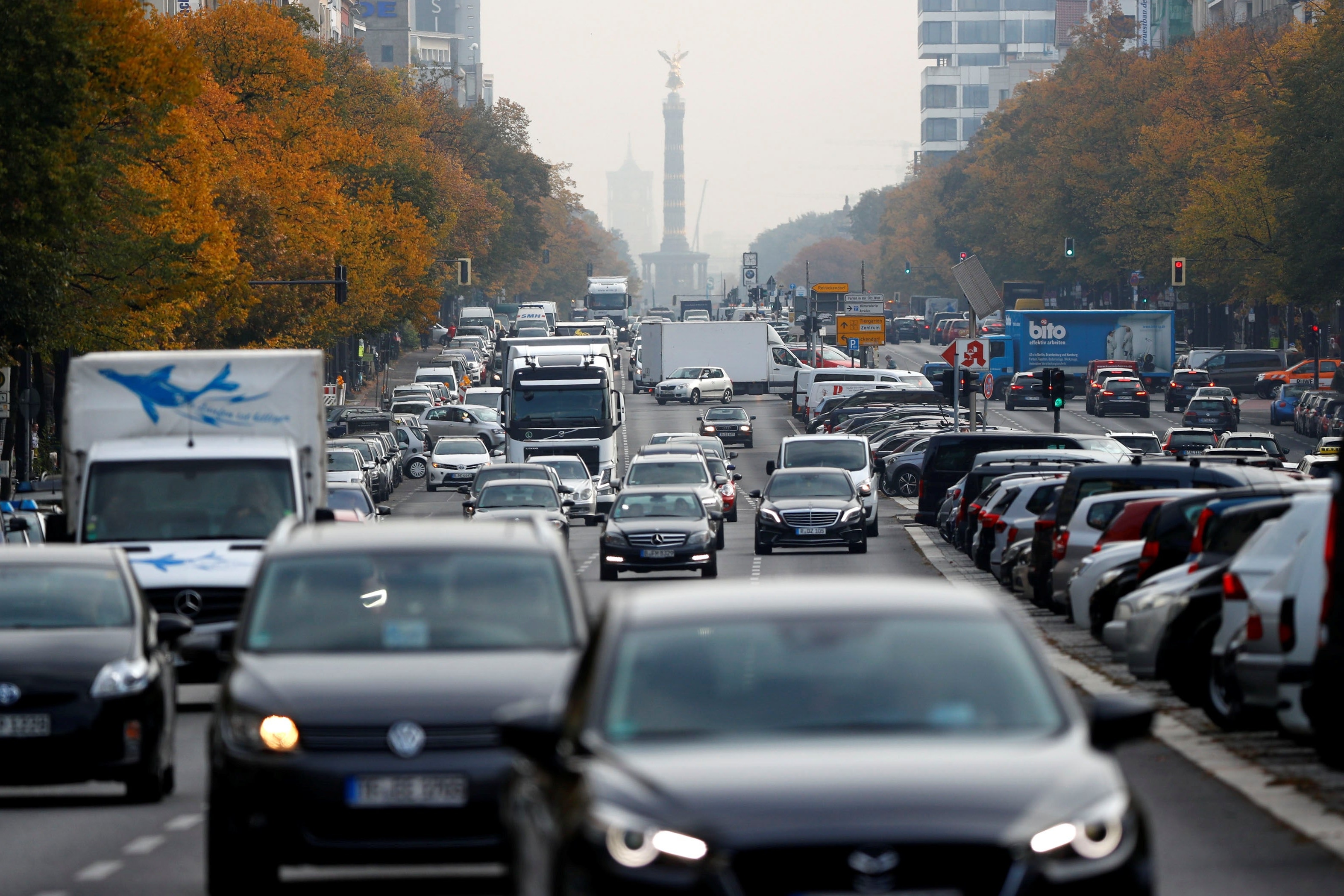
The decision to reinstate subsidies comes amid declining demand for electric vehicles in Germany and Europe. Many manufacturers and parts suppliers have announced plans to cut tens of thousands of jobs related to electric vehicles.
With stricter regulations and targeted purchasing power, the German government hopes the new subsidy package will provide a sustainable boost to the market, accelerate the transition to zero-emission transport, and strengthen the position of the domestic automotive industry.