
Germany paralyzed by the largest strike in decades.
(Baonghean.vn) - Airports, bus stations, train stations… across Germany were paralyzed on the morning of March 27, disrupting millions of people at the start of the work week. This was the consequence of one of the largest strikes in decades, amidst the turmoil of Europe's leading economy due to inflation.
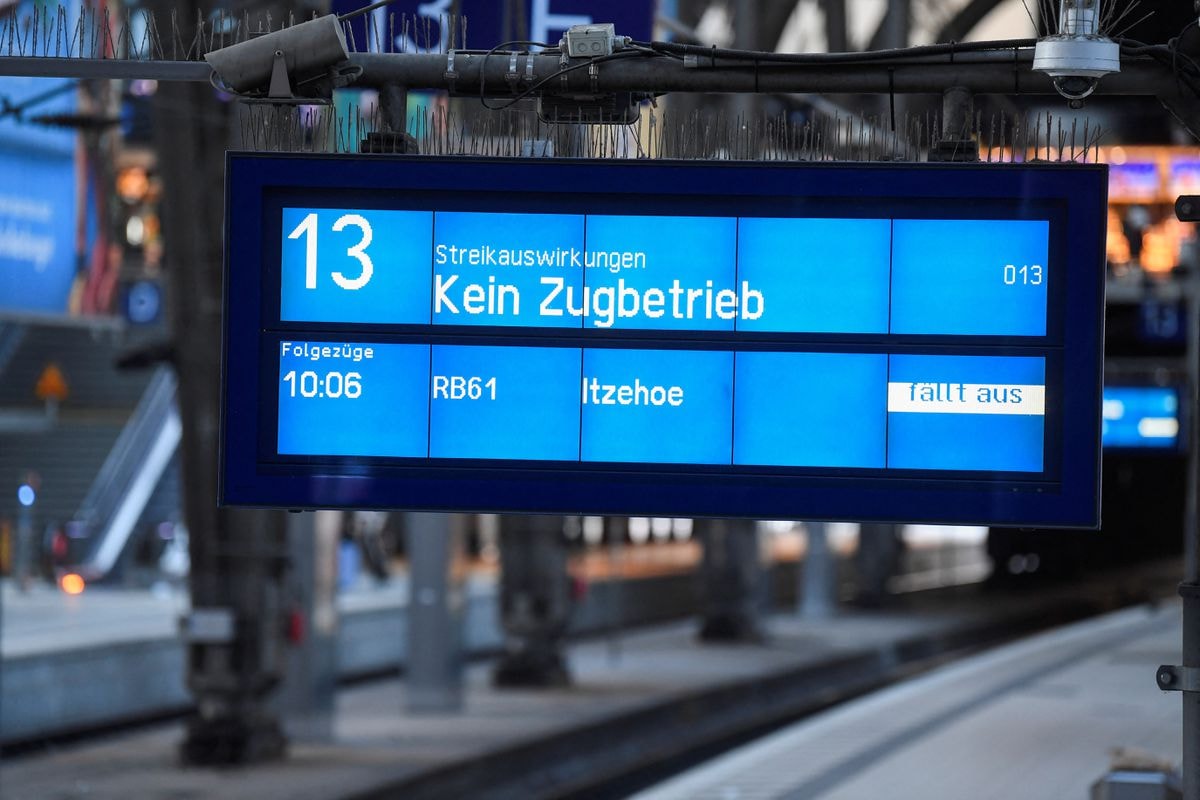 |
An electronic display board at a German railway station reads "no trains due to strike." Photo: Reuters |
The 24-hour strikes organized by the EVG Railway and Transport Union are the latest developments after months of the industry's significant impact on European economies, as soaring food and energy prices have eroded people's living standards.
Germany's two largest airports, Munich and Frankfurt, have suspended flights, while railway operator Deutsche Bahn has also canceled long-distance rail services. Many striking workers, wearing reflective red vests, blew whistles and banged horns throughout a deserted train station in Munich.
Workers are pressuring for wage increases to mitigate the impact of inflation, which reached 9.3% in February. Germany, which had been heavily reliant on Russian gas even before the conflict in Ukraine, has been particularly hard hit by soaring prices, as it scrambles for new energy sources and its inflation rate has exceeded the eurozone average in recent months.
Persistent price pressures have forced central banks to repeatedly raise interest rates, although policymakers say it is too early to talk about a price-wage spiral.
The Verdi union is negotiating on behalf of approximately 2.5 million public sector workers, including those in public transport and at airports. Meanwhile, the EVG union is negotiating on behalf of around 230,000 workers at railway operator Deutsche Bahn and bus companies.
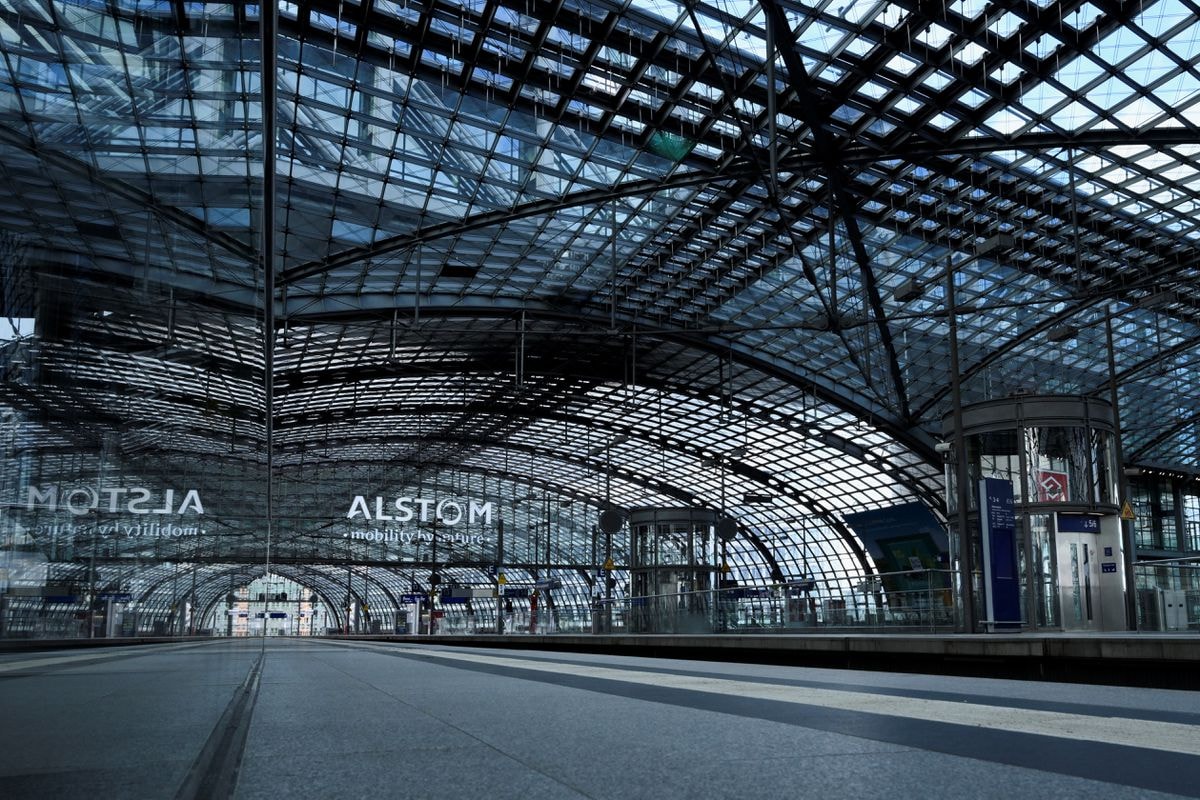 |
The train station was deserted in Berlin on March 27. Photo: Reuters |
Hours before the strikes began, both sides appeared resolute, with union leaders warning that significant wage increases were a “matter of survival” for thousands of workers. A Deutsche Bahn spokesperson said on March 27: “Millions of passengers who depend on buses and trains are being affected by this excessive and exaggerated strike.”
Verdi is demanding a 10.5% salary increase, which would be at least 500 euros per month, while EVG is asking for a 12% increase, or at least 650 euros per month.
The stranded passengers expressed both sympathy and displeasure about the strike. Passenger Lars Boehm said: “Yes, it’s understandable, but I’ve never been on strike in my life, and I’ve worked for over 40 years. However, in France, people always go on strike for something.”
EVG chairman Martin Burkert told the Augsburger Allgemeine newspaper on March 27 that employers had yet to offer any viable proposals, and warned that further strikes could occur, including during the Easter holidays.
Deutsche Bahn said on March 26 that the strike was “completely excessive, unfounded and unnecessary,” while employers warned that raising wages for transport workers would lead to increased fees and taxes to offset the difference.
The strikes on March 27 were part of a wave of strikes in wealthy European countries over the past few months, including France and the UK, where hundreds of thousands of workers in transport, healthcare, and education are pressuring for higher wages.
Protests against President Emmanuel Macron's pension reforms have also sparked the worst street violence in France in years.
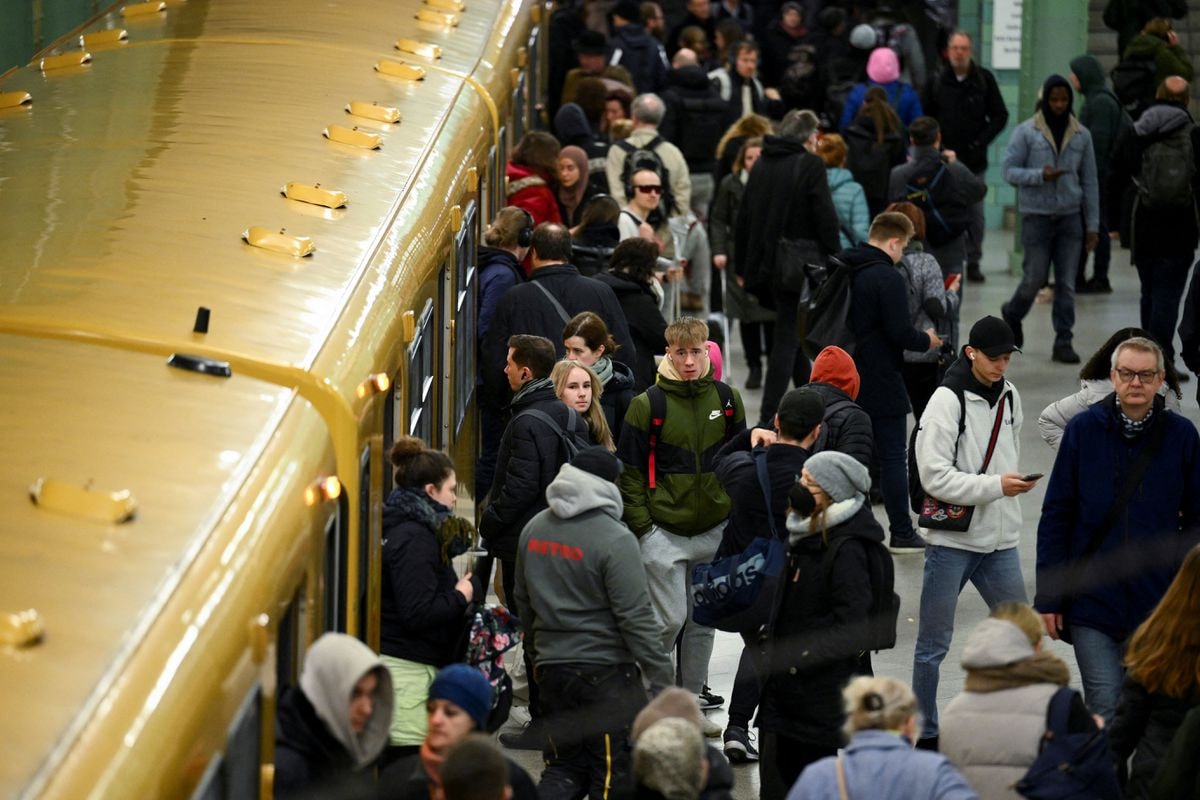 |
People using public transport to commute to work have been affected by the large-scale strike in Germany. Photo: Reuters |
Joerg Kraemer, chief economist at Commerzbank, said that so far, the economic impact of the March 27 strike has been limited, but this could change if the strike persists for a longer period.
He said, "A strike will cause people to become nervous. But economically, the losses will likely be limited to the transport sector because factories will continue to operate and many workers will work from home."
Last week, Bundesbank head Joachim Nagel also stated that Germany needs to avoid a price-wage spiral: “It must be made clear that preventing persistent inflation through the labor market requires workers to accept reasonable wage increases and companies to accept reasonable profit margins. While there have been signs of a second-cycle effect of inflation, so far we have not observed the emergence of a price-wage spiral in Germany.”


