
Germany tests warhead for Virtus suicide drone.
TDW and Stark Defence have successfully tested a warhead for the Virtus suicide drone in Bavaria, laying the technical groundwork and large-scale production capacity for the German military to deploy the system before 2029.
German defense companies TDW and Stark Defence have announced the successful testing of a warhead for the Virtus suicide drone in Bavaria. The live-fire test against an armored target demonstrated high penetration capabilities, a step the German military considers a crucial step toward deploying armed drones in the near future.
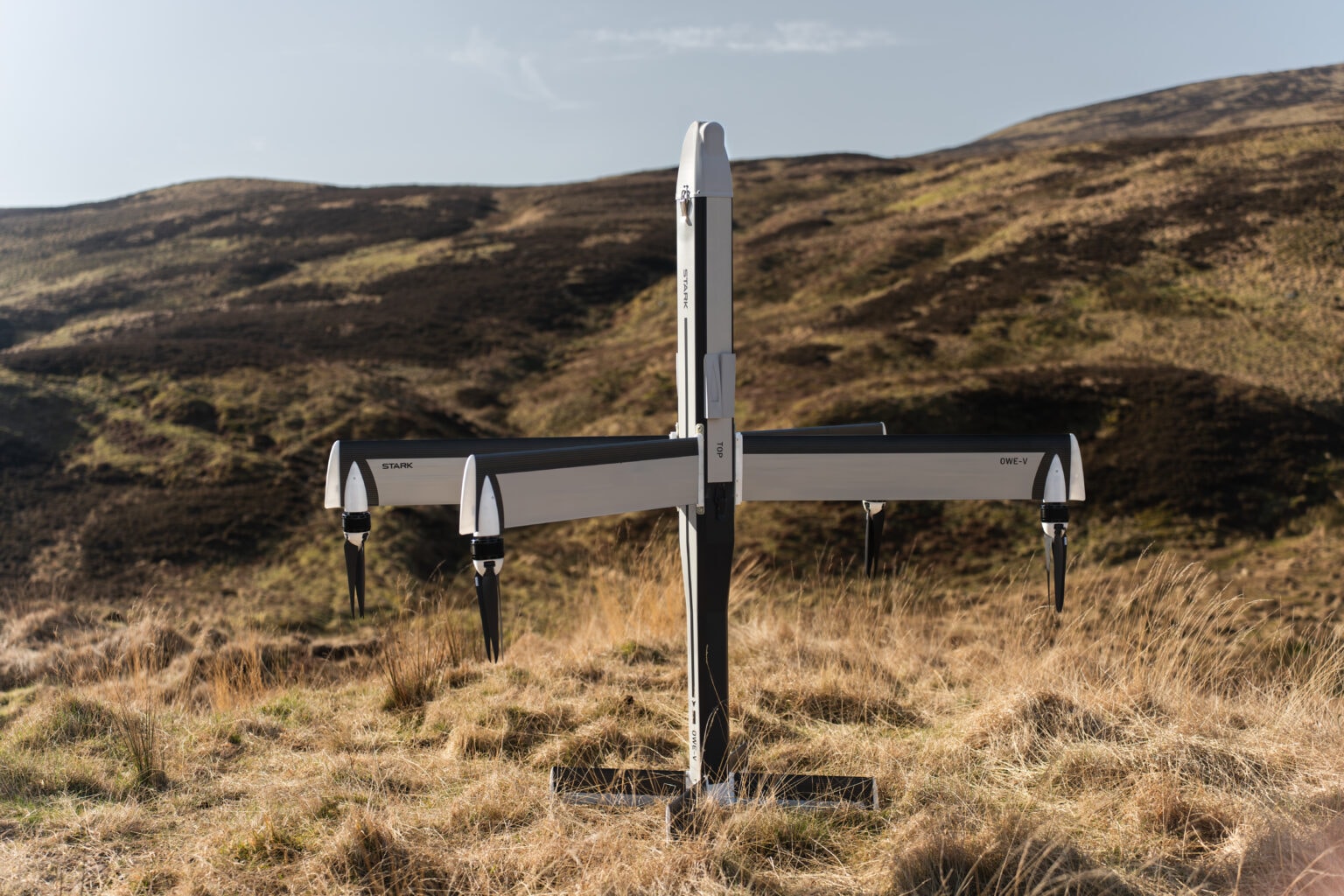
Overview of Germany's Virtus suicide drone program.
According to an announcement on December 22nd, TDW and Stark Defence jointly conducted live-fire tests with a warhead developed for the Virtus suicide drone. The test targets were armored targets, thereby verifying the warhead's penetration capabilities and combat effectiveness under conditions close to real battlefield conditions.
The test results were deemed positive, providing an important technical foundation for the refinement of the Virtus armed UAV system. This is part of a broader effort by the German Federal Army to exploit the growing role of suicide UAVs in modern warfare.
Warhead and its technical significance for the Virtus system.
Information from the companies indicates that the warhead is optimized to counter armored targets. The warhead's high penetration capability in testing suggests the system has the potential to be used against a wide variety of protected ground targets.
The warhead's effectiveness is not just a test of a single component, but a crucial condition for completing the entire operational cycle of the Virtus suicide drone. When the warhead, flight platform, and data control system are synchronized, the time to readiness for actual deployment will be shortened.
Warhead-carrying UAVs like the Virtus are described as being capable of circling over a target area for extended periods and attacking upon receiving commands via data link. This characteristic allows the system to maintain an airborne presence, waiting for the optimal opportunity or combat orders from command center before engaging the target.
The role of suicide drones in modern warfare.
The context of the conflict in Ukraine is seen by Germany as clear evidence of the increasing role of suicide drones on the battlefield. According to the head of TDW, this type of weapon now accounts for a very high percentage of modern combat operations.
This assessment shows that suicide drones are no longer just a supplementary solution but are becoming an important component in the doctrine of precision fire. From an industrial perspective, TDW says it is preparing the capacity to produce thousands, even tens of thousands or hundreds of thousands of standardized warheads annually.
The goal of expanding production capacity on a large scale reflects the requirement for a significant number of suicide drones in high-intensity operations. With standardized warheads, integration, maintenance, and large-scale deployment are simplified, aligning with the trend of using multiple drone platforms on the same munitions system.
Testing swarm UAV tactics and AI-assisted command and control software.
Alongside the Virtus program, the German Federal Army is conducting numerous tests of UAV systems from various suppliers. Of particular note are tactical tests involving swarm-style UAV attacks, combined with AI-powered command and control software.
These tests are considered by the German military as important steps towards the future of warfare. The combination of multiple UAVs in a formation, coordinated by AI-powered command software, demonstrates a development direction towards highly focused, multi-platform unmanned attack solutions.
From a tactical perspective, this approach allows for research into the possibility of using kamikaze UAVs individually or in groups, in coordination with reconnaissance and command and control systems to optimize attack effectiveness.
Plans to establish specialized units to operate suicide drones.
According to plan, the German Army intends to establish six units specializing in operating suicide drones between now and 2029. These units are considered a new component in the modernization of the army, aiming to maximize the potential of this increasingly popular weapon system.
The establishment of specialized units shows that the German Army is not just at the technical testing stage but is moving towards reorganizing its forces, training personnel, and standardizing combat procedures with suicide drones. This is a transition from the testing and evaluation phase to the preparation for practical application in service.
Impact on the modernization of the German military and NATO.
The investment in Virtus suicide drones, testing of swarm drones, and AI-assisted command software comes as Berlin accelerates the modernization of its armed forces. According to Germany, these efforts aim to enhance NATO's deterrence and collective defense capabilities against growing security challenges in Europe.
From a military perspective, developing effective warheads for suicide drones, coupled with large-scale production capabilities and the establishment of specialized units, are concrete steps in integrating suicide drones into the force structure, operational doctrine, and overall defense plans of the bloc.
Therefore, the Virtus program and related testing can be seen as part of a broader trend within the German military: prioritizing precision weapons, unmanned systems, and modern command and control systems to meet the increasingly complex operational requirements in Europe.


