
Don't underestimate the risks when young children have adenoiditis or tonsillitis.
With the mindset that "adenoiditis and tonsillitis are just minor illnesses," many parents neglect to monitor and treat their children. According to doctors at the Ear, Nose, and Throat Department of Hoan My Vinh Hospital, this not only significantly affects respiratory health and sleep but also the overall development of children.
How do tonsillitis and adenoiditis affect a child's health?
The adenoids and tonsils are lymphoid tissues located in the nasopharynx, playing a crucial role in the immune system, helping to identify and prevent the entry of bacteria and viruses through the respiratory tract. However, because the immune system of young children is not yet fully developed, the adenoids and tonsils are often overworked. Therefore, the risk of infection increases, especially during seasonal changes or when children are frequently exposed to crowded environments.
Adenoid and tonsillitis are common ENT (ear, nose, and throat) diseases in children. The disease can manifest acutely with symptoms such as fever, sore throat, nasal congestion, and runny nose. However, many cases progress silently with persistent symptoms such as nasal congestion, mouth breathing, snoring, restless sleep, bad breath, or poor appetite, which can easily be overlooked by parents.
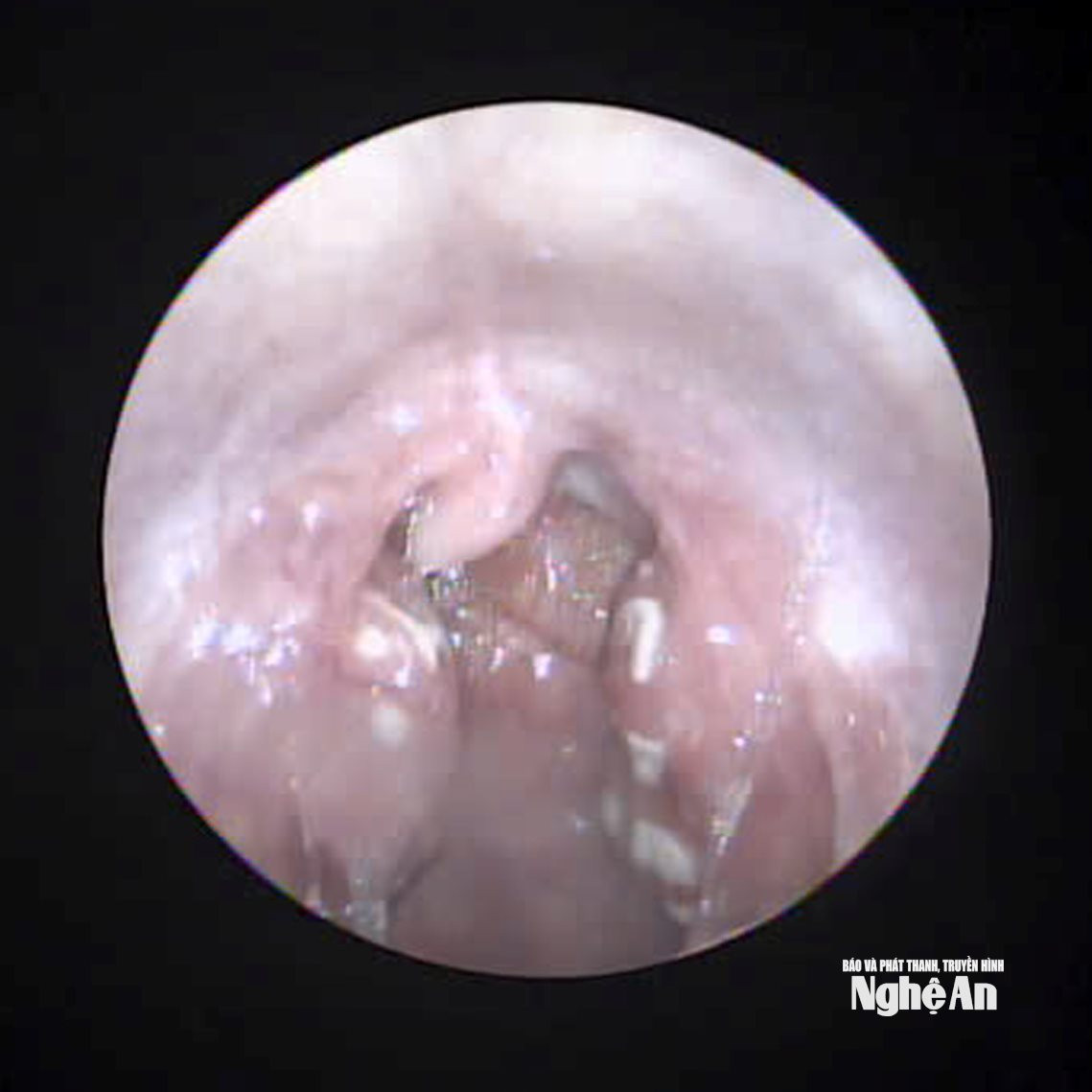
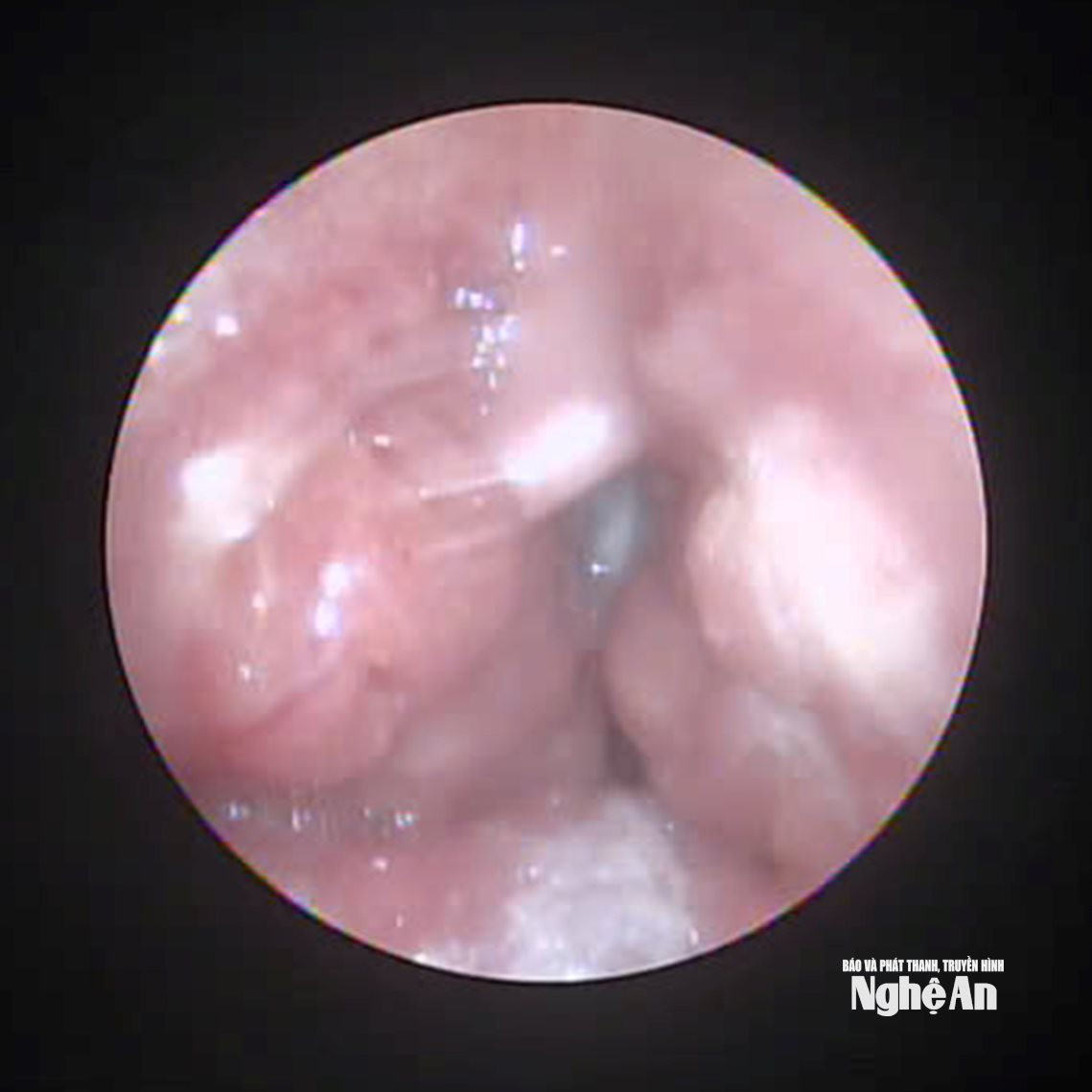
Recurrent or prolonged inflammation can lead to enlargement of the adenoids and tonsils, causing airway narrowing, reducing oxygen supply to the brain, and affecting the child's sleep quality. More seriously, children may experience sleep apnea, leading to daytime fatigue, irritability, and difficulty concentrating. Furthermore, prolonged infections increase the risk of middle ear infections, weaken the child's physical condition, slow weight gain, and affect their overall development.
Dr. Hoang Duc Huy, Specialist II - Head of the Interdisciplinary Department, Specialist in Otolaryngology (Ear, Nose, and Throat).,Hoan My Vinh HospitalAccording to the report, "Many parents only take their children for check-ups when the disease has recurred multiple times or complications have appeared. Meanwhile, early detection and treatment will help control the disease more effectively, limiting long-term impacts on the child's health and development."
Important notes to help control the disease effectively.
ENT specialists believe that most cases of adenoid and tonsil inflammation can be well controlled if detected early and treated according to professional guidelines. At the same time, delaying examination, self-medicating with antibiotics, and stopping medication when symptoms subside are common reasons for frequent recurrence and worsening of the condition.
In fact, the health of many children has improved significantly after being examined and treated at Hoan My Vinh Hospital. A typical example is TMĐ. (5 years old, Nghe An province), who frequently suffered from nasal congestion and prolonged snoring. After examination, doctors determined that the child had acute nasopharyngitis accompanied by adenoid hypertrophy and tonsil overgrowth. Following the prescribed medical treatment and home care, the child's respiratory health, sleep, and appetite all improved significantly.
In another case, NNM (7 years old, Ha Tinh province) was hospitalized with shortness of breath, snoring, and multiple recurring fevers throughout the year. Through discussions with the family, it was learned that the parents often self-medicated the child when symptoms appeared. Only when the illness worsened was the child taken to the hospital and scheduled for tonsillectomy. The symptoms improved significantly, the child slept better, and recovered well after the surgery.
Therefore, doctors advise parents to maintain good nasal and throat hygiene for their children, establish a proper diet, and have regular health check-ups at key milestones to detect abnormalities early. If children exhibit symptoms such as prolonged snoring, mouth breathing, persistent nasal congestion, or recurrent sore throats, they should be taken to specialized medical facilities for examination.
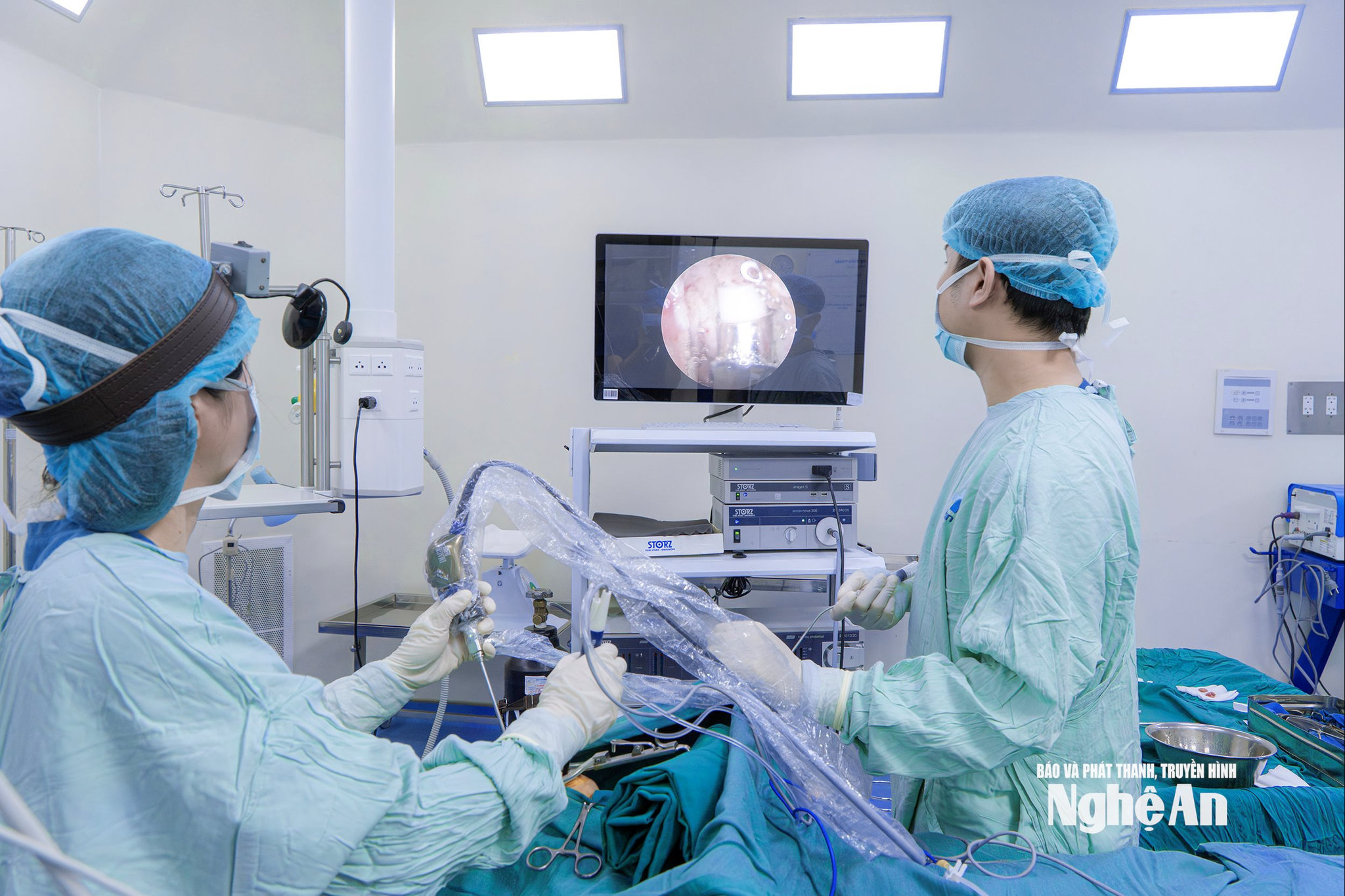
InHoan My Vinh Hospital,Children are examined by highly qualified, dedicated, and experienced specialists. For cases requiring surgery, a multidisciplinary team of ENT, pediatricians, and anesthesiologists will consult together to develop the optimal intervention plan.
In addition to a modern ENT endoscopy system that accurately assesses the patient's condition and supports the development of appropriate treatment plans for each child, the hospital now applies Coblator technology using high-frequency waves in a plasma environment. This method helps to precisely remove diseased tissue, minimize damage to healthy tissue, reduce post-operative pain, and support rapid recovery for children. The surgical time is shortened to approximately 15–30 minutes.
Hoan My Vinh Hospital is a member of the Hoan My Medical Group – the Best Medical System in Vietnam 2026 (according to the survey and evaluation of The Best Vietnam 2026 program, jointly organized by the Vietnam Institute of Quality, the Intellectual Property and Innovation Magazine, and the Vietnam Union of Science and Business Entrepreneurs). On its journey to conquer international medical standards, Hoan My Vinh Hospital has completed the ACHSI accreditation – an international standard for patient quality and safety. This is an important step in standardizing processes according to criteria of patient safety, service quality, continuous improvement, and a patient-centered approach, aiming to provide high-quality medical services to the people of North Central Vietnam.


