
Ranked second nationwide, why is it still difficult for Nghe An's OCOP products to enter supermarkets?
With the second-highest number of OCOP products nationwide, Nghe An has many advantages in bringing local specialties into modern distribution systems. However, in reality, many OCOP products still face difficulties in accessing supermarkets due to standards, production volume, and costs, requiring comprehensive solutions for sustainable development.
The proportion of items on display is not yet high.
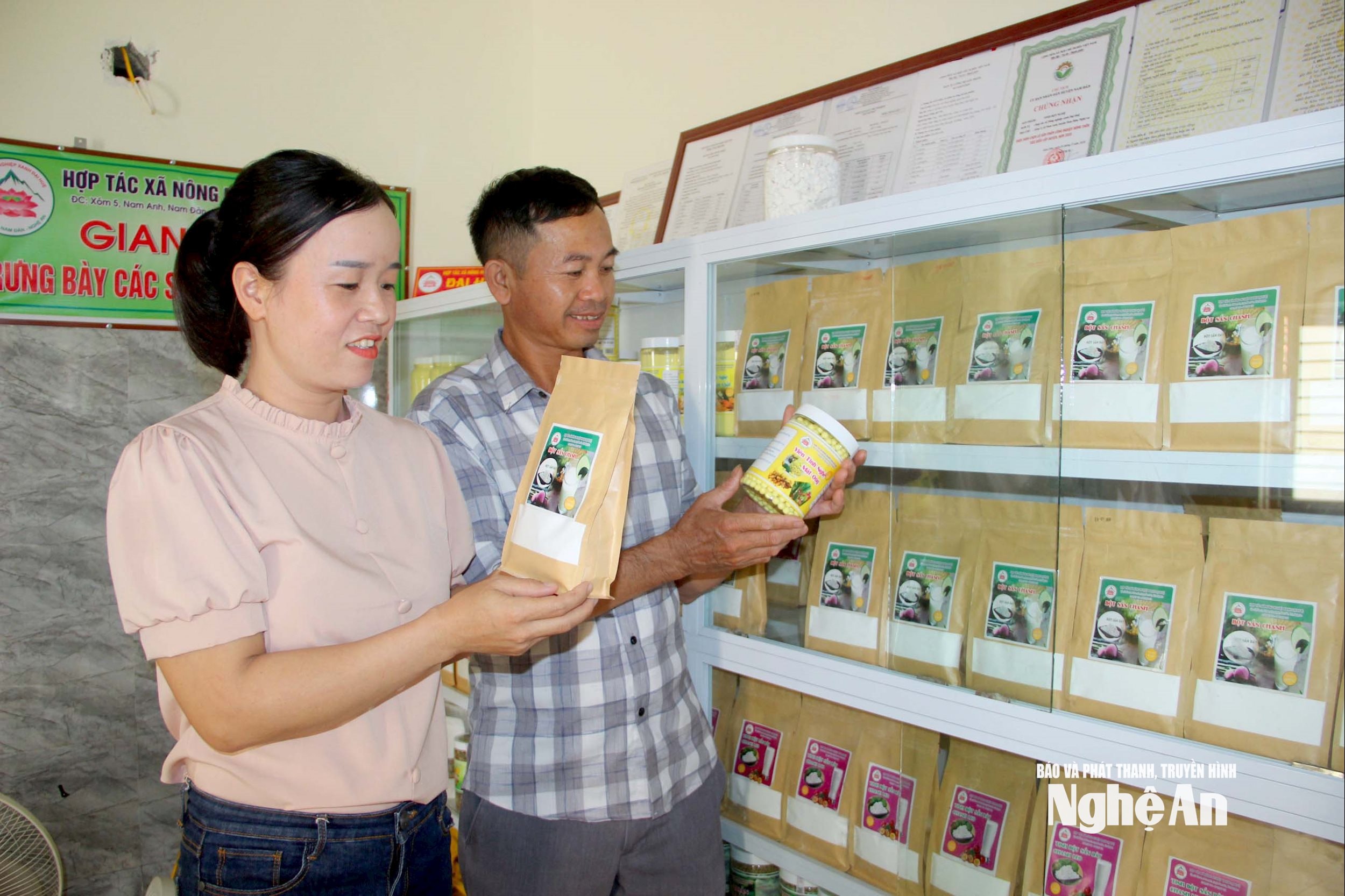
Dai Hue Green Agriculture Cooperative (Dai Hue commune) is currently one of the units with a relatively diverse range of OCOP products, with 6 products including: turmeric starch, turmeric and honey capsules, Polygonum multiflorum capsules, pure kudzu root, kudzu root with passion fruit, and kudzu root with regular lemon. These products are highly appreciated for their quality, clean raw materials, and a production process that combines traditional and semi-mechanized methods, aligning with the current trend of safe consumption.
However, despite having previously introduced their products to some organic food stores in Ho Chi Minh City and Da Nang, Dai Hue Cooperative's products have yet to appear on supermarket shelves in Nghe An. According to the cooperative's representative, the reason is not due to product quality but mainly to the high requirements of modern distribution systems.
“Large supermarkets like Lotte and Go Vinh… have very strict requirements regarding legal documents, quality standards, packaging, labeling, and stable supply. Meanwhile, the cooperative only has 7 members, the production scale is still small, and the costs of premises and discounts in supermarkets are quite high, so it is very difficult to meet these requirements,” shared Mr. Tran Dinh Son, representative of Dai Hue Cooperative.
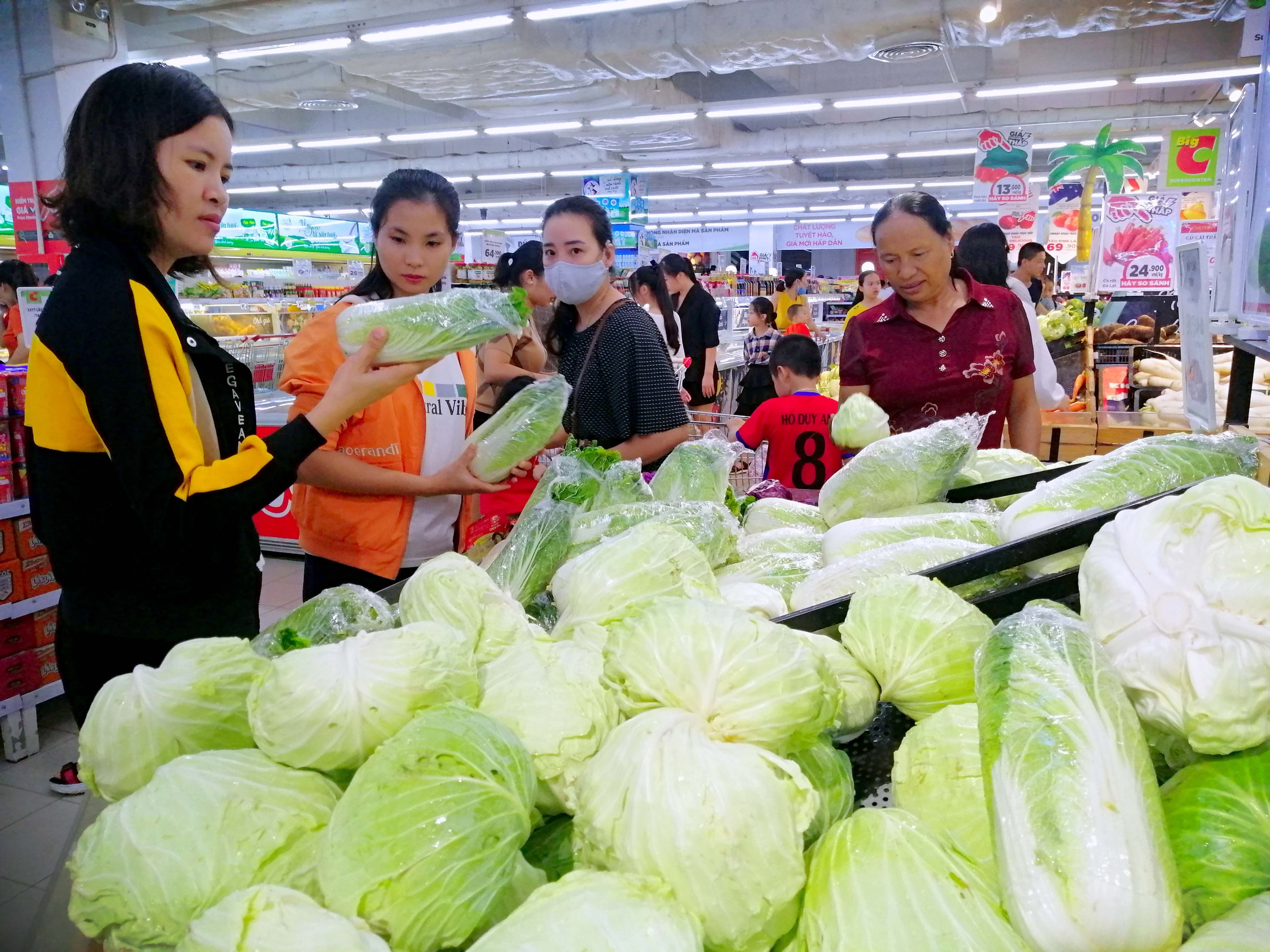
In Minh Chau commune – a lowland area with many advantages in commercial agricultural production – getting OCOP products into supermarkets has not been very smooth. According to Mr. Le The Hieu, Vice Chairman of the Minh Chau Commune People's Committee: Previously, the former Dien Chau district had several OCOP products that entered supermarkets, such as AnAngri vegetable noodles, Van Phan fish sauce, Dien Van confectionery, and Dien Phong cabbage… However, compared to the total of about 40 OCOP products in the former Dien Chau district, the number of products entering the supermarket system is still very modest. Currently, Minh Chau commune has two key products: high-quality rice and shallots. Even so, getting these products onto supermarket shelves remains a difficult challenge due to intense competition, high standards for agricultural products, traceability requirements, and especially post-harvest preservation.

Not only in the lowlands, but also in mountainous and highland communes like Muong Xen, the barriers to OCOP products accessing supermarkets are even greater. Currently, Muong Xen commune has 9 OCOP products including: dried beef, dried pork, Hau Que sausage, Muong Ky wine, Sao La drinking water, ginger starch, ginger essential oil, rice wine, and Ky Son glutinous rice wine.
According to Mr. Phan Dang Tai, Head of the Economic Department of Muong Xen Commune, although the products are highly appreciated for their quality and strong regional identity, none have yet entered large supermarkets or shopping malls. Currently, ginger essential oil and ginger starch from Huong Son Agricultural and Handicraft Service Cooperative are mainly sold through Shopee, Facebook, and agricultural product forums. Dried beef, dried pork, and sausage products are only sold at a few mini-supermarkets in Vinh and through fairs and exhibitions inside and outside the province. In addition to having to meet the strict criteria of supermarkets, the remote location, high transportation costs, and difficulty in ensuring a consistent supply are also major obstacles for OCOP (One Commune One Product) products in mountainous areas.
According to data from the Department of Quality, Processing and Market Development of Nghe An province, the province currently has over 740 OCOP products with 3 stars or higher, from 449 OCOP entities, of which at least 3 products have achieved 5-star rating. However, according to preliminary statistics, only 185 products have been sold through supermarkets, convenience stores, and safe food outlets; of which, 85 products are available in large supermarkets. This number is still quite modest compared to the potential and scale of OCOP in the entire province.
Coordination is needed.
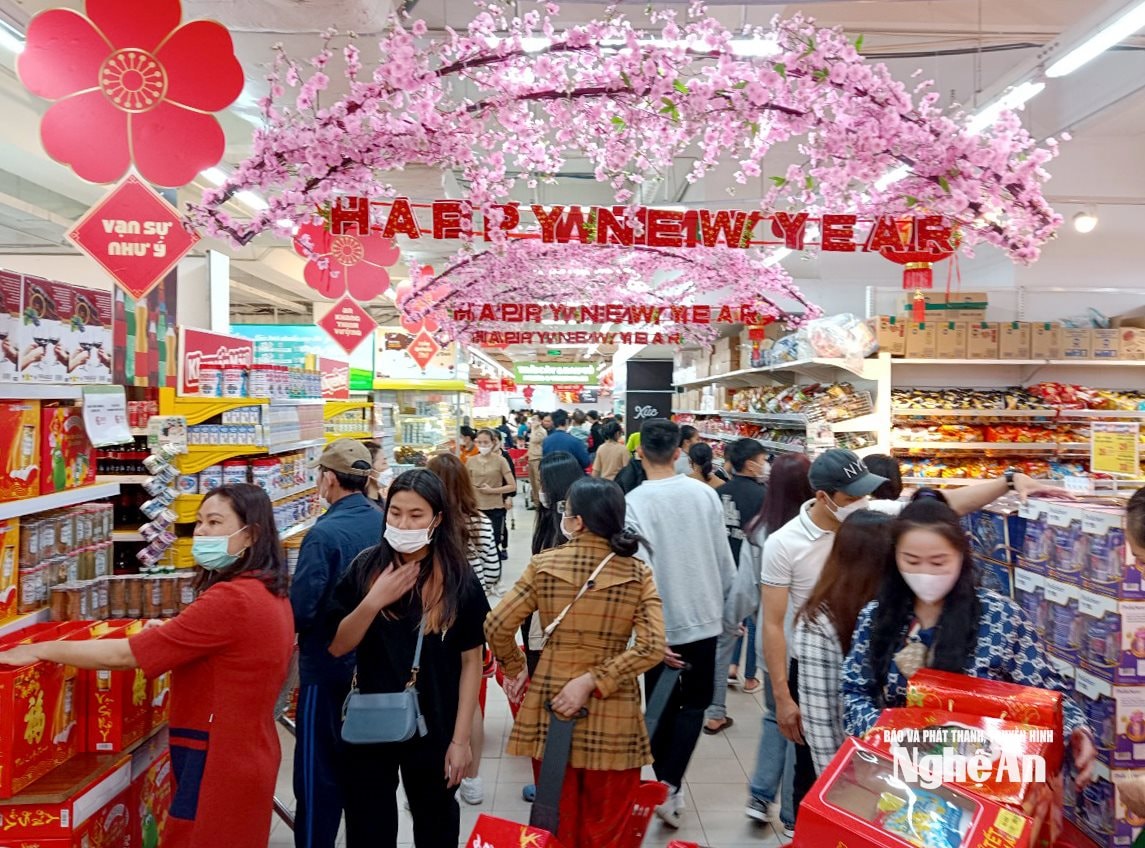
According to the Nghe An Department of Industry and Trade, the province currently has 96 supermarkets, including many large distribution systems such as Lotte Mart Vinh, GO! Vinh, Maximark, Vincom, etc. These are considered important consumption channels, acting as a bridge between OCOP products and the modern consumer market, contributing to enhancing brand image and expanding a stable, long-term customer base.
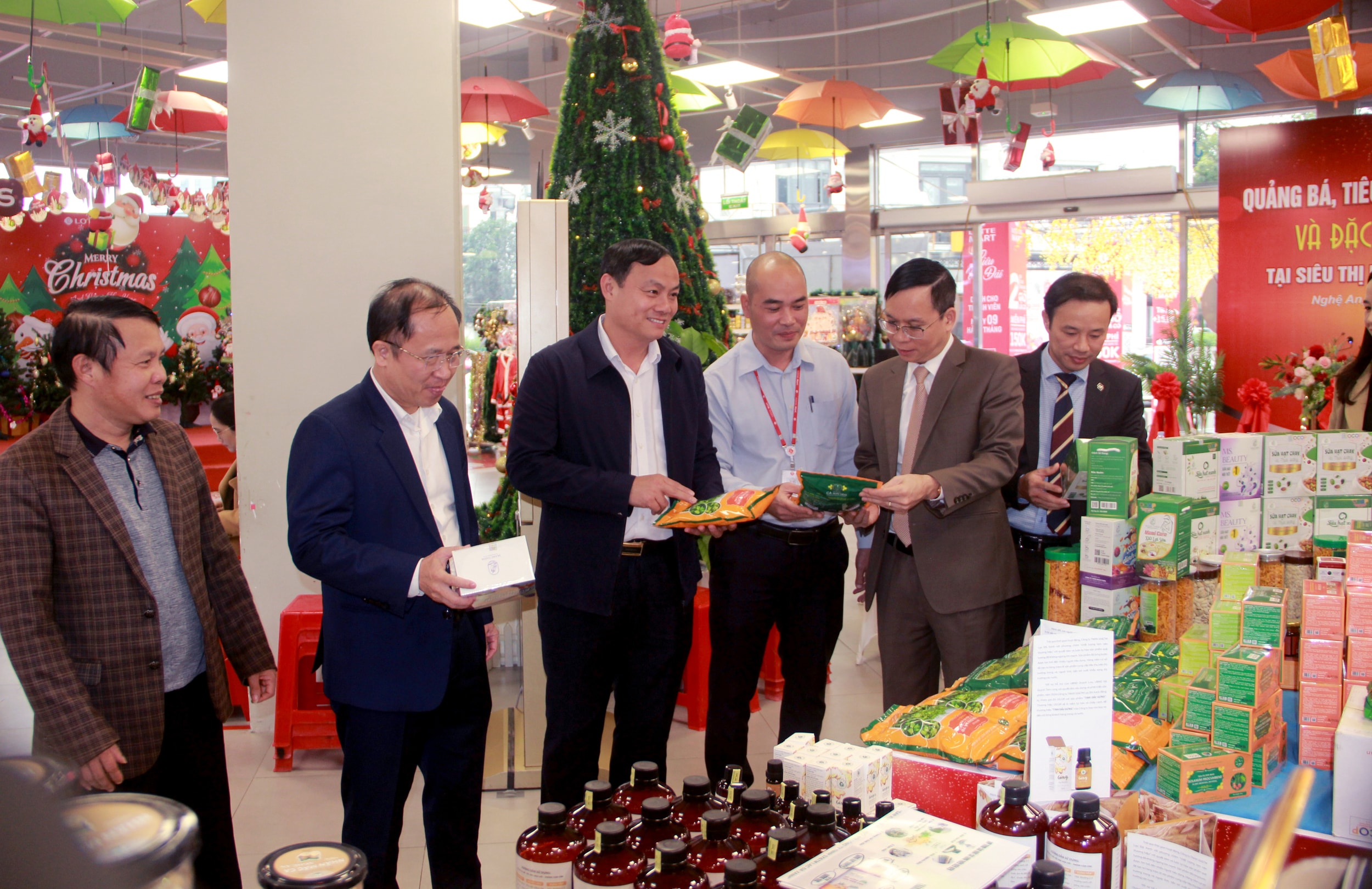
In reality, when an OCOP product is placed on supermarket shelves, it means it has passed rigorous quality control checks, food safety standards, legal documentation, and origin verification. This not only affirms the product's reputation and quality but also builds consumer trust, thereby increasing its competitiveness compared to traditional distribution channels. Besides branding, presence in supermarket systems ensures stable sales and transparent pricing for OCOP products, contributing to more professional and sustainable production.
Ms. Nguyen Thi Chau, representative of Chau Huong veal sausage production unit, said that their products have been available at GO! Vinh supermarket and convenience stores for many years. Normally, the facility supplies about 3-4 quintals of veal sausage to supermarkets each month, and this can increase to 5 quintals to 1 ton during holidays and Tet (Lunar New Year). Getting into supermarkets requires very strict quality control, but in return, the product has established a reputation for quality, stable sales, and better prices.
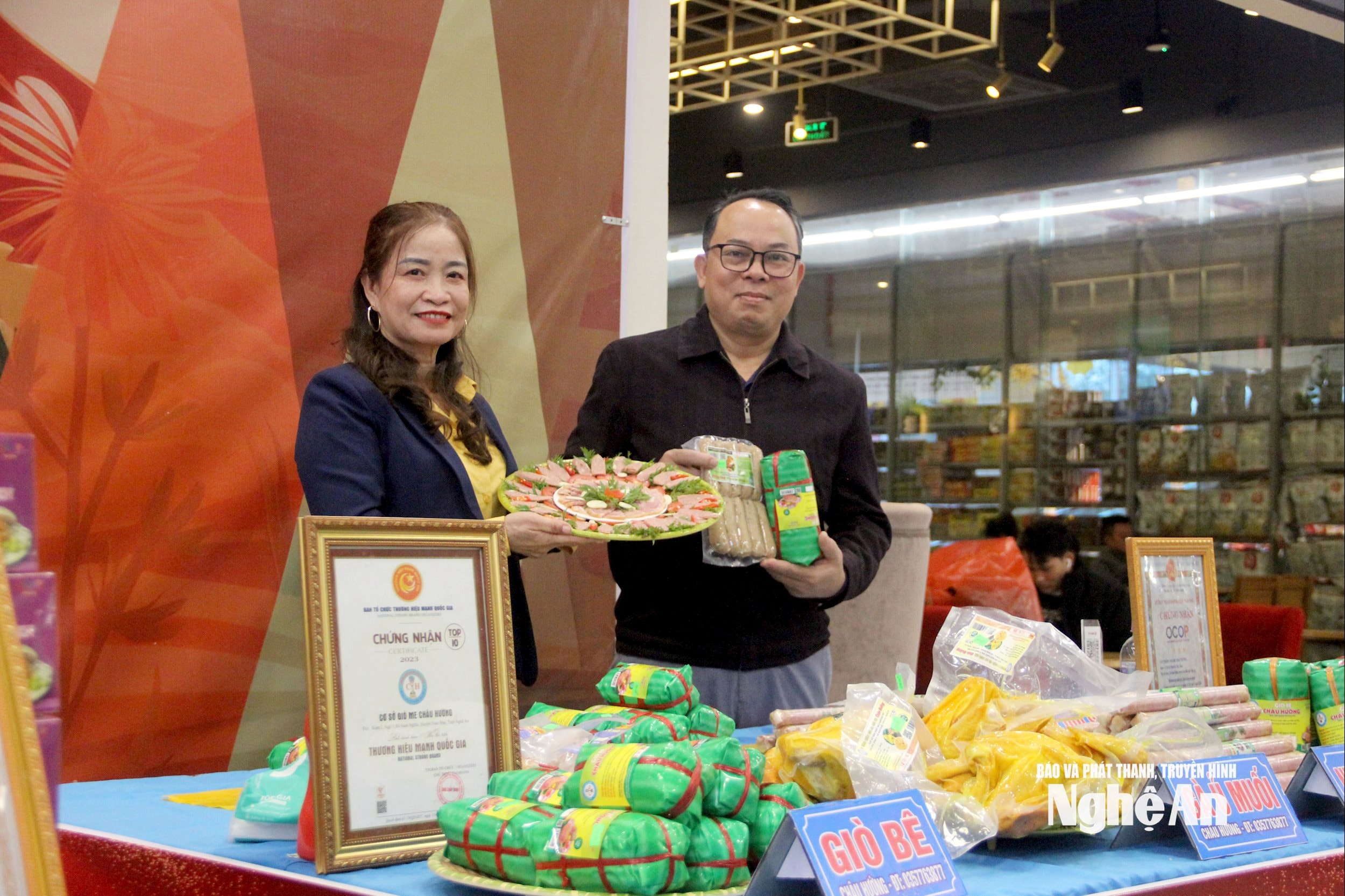
Mr. Nham Sy Thanh, Director of Lotte Mart Vinh supermarket, said that the unit is currently selling more than 20 OCOP (One Commune One Product) products from Nghe An province. However, this number is still not commensurate with the potential of the locality. The supermarket is always ready to cooperate and promote connections with OCOP suppliers in the province. However, products must fully meet the requirements regarding quality, legal documents, clear origin, and safety for consumer health. At the same time, businesses need to ensure stable production volume, especially for food and fresh agricultural products.
Speaking with reporters, Mr. Nguyen Van Ha, Head of the Quality, Processing and Market Development Department of Nghe An province, said: Bringing OCOP products into supermarkets offers many advantages such as increasing value, building sustainable brands, and creating stable outlets for producers. However, based on current practice, for Nghe An's OCOP products to truly "take root" on supermarket shelves, a comprehensive set of solutions is needed, including strengthening trade promotion, organizing supply-demand connection activities; supporting businesses in completing dossiers and quality standards; and encouraging investment in improving designs, packaging, and ensuring clear traceability.
In addition, OCOP producers need to proactively improve their production capacity, ensure stable output, and gradually professionalize their processes to adapt to the increasingly high demands of the modern market.
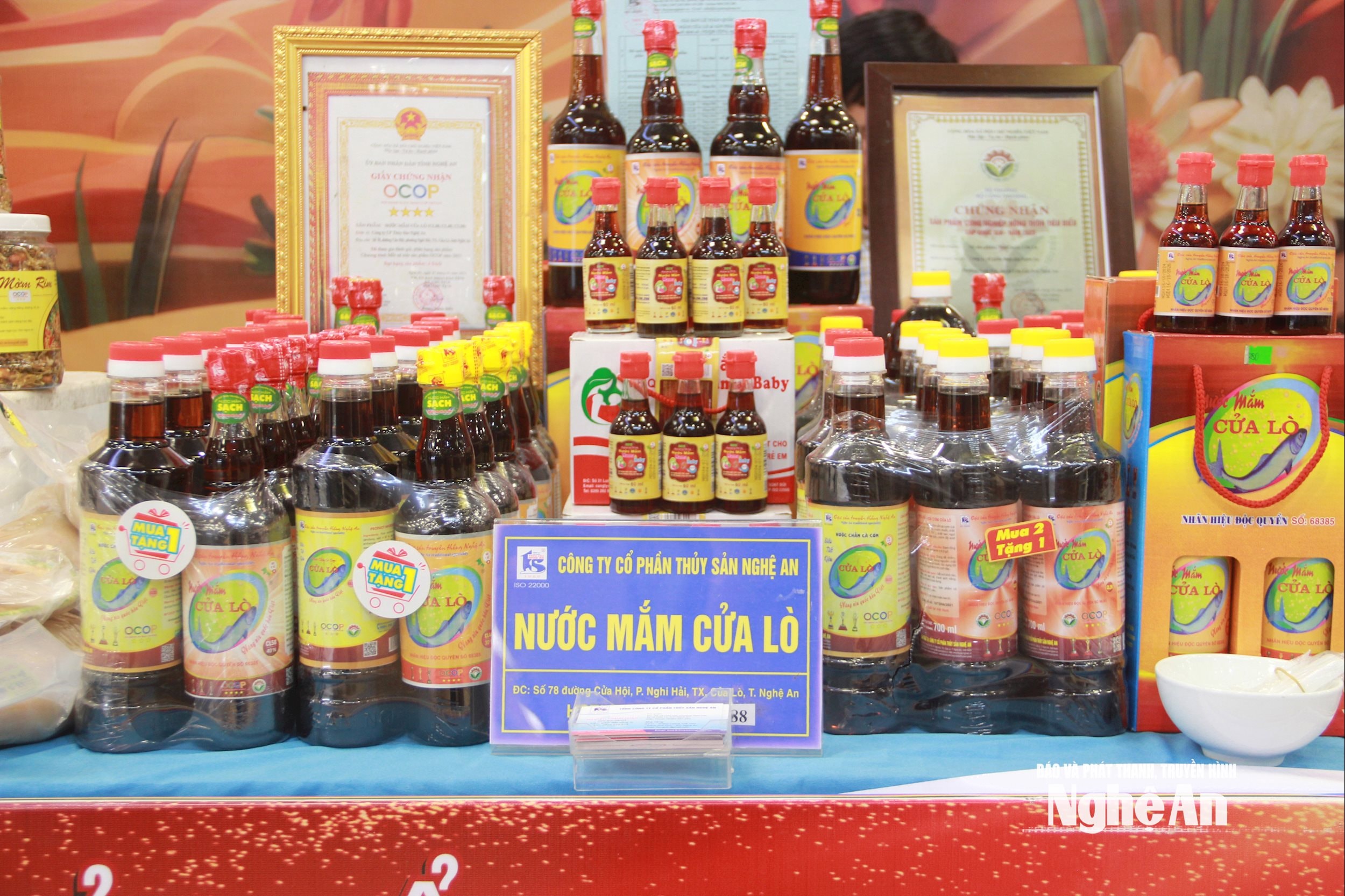
Experience from both the lowland and mountainous regions shows that bringing Nghe An's OCOP products into supermarket systems is not a matter for individual businesses alone, but a long-term process requiring coordinated efforts between the government, enterprises, and distribution systems. Only when the "bottlenecks" regarding quality, production volume, and market access are fundamentally resolved will local specialties not only retain the OCOP designation but truly establish their position and stand firm in the modern consumer market.


