
"Destiny" and "Debt" with journalism...
Having held various positions and spent many years immersed in the profession, leaving behind numerous valuable journalistic works, journalists Tran Duy Ngoan, Bui Sy Hoa, and Nguyen Thanh Chau have left a deep and indelible mark on the public and their colleagues in the profession.
Content:My Ha - Diep Thanh- Design:Nam Phong
Having held various positions and spent many years immersed in the profession, leaving behind numerous valuable journalistic works, journalists Tran Duy Ngoan, Bui Sy Hoa, and Nguyen Thanh Chau have left a deep and indelible mark on the public and their colleagues in the profession.



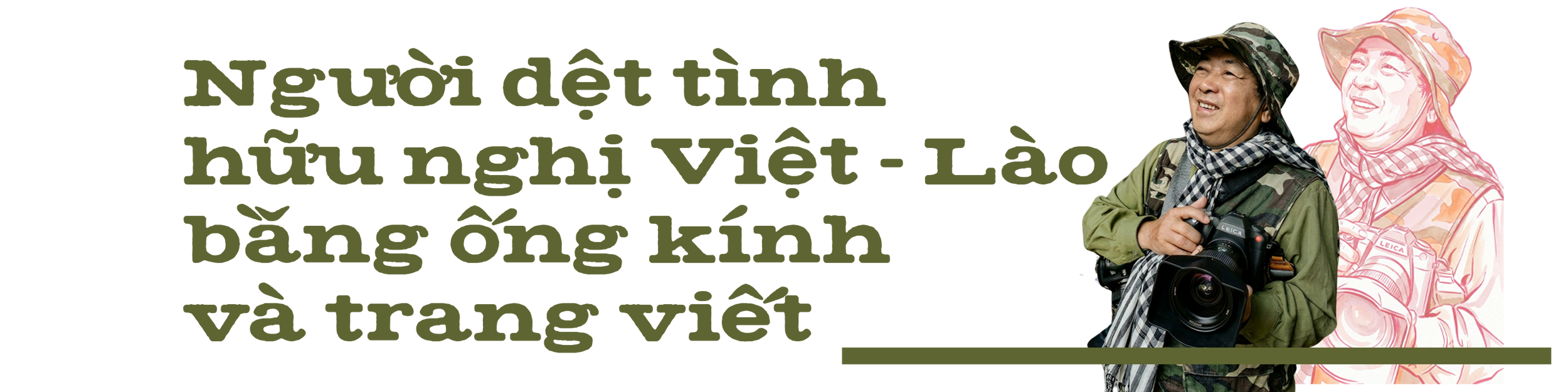
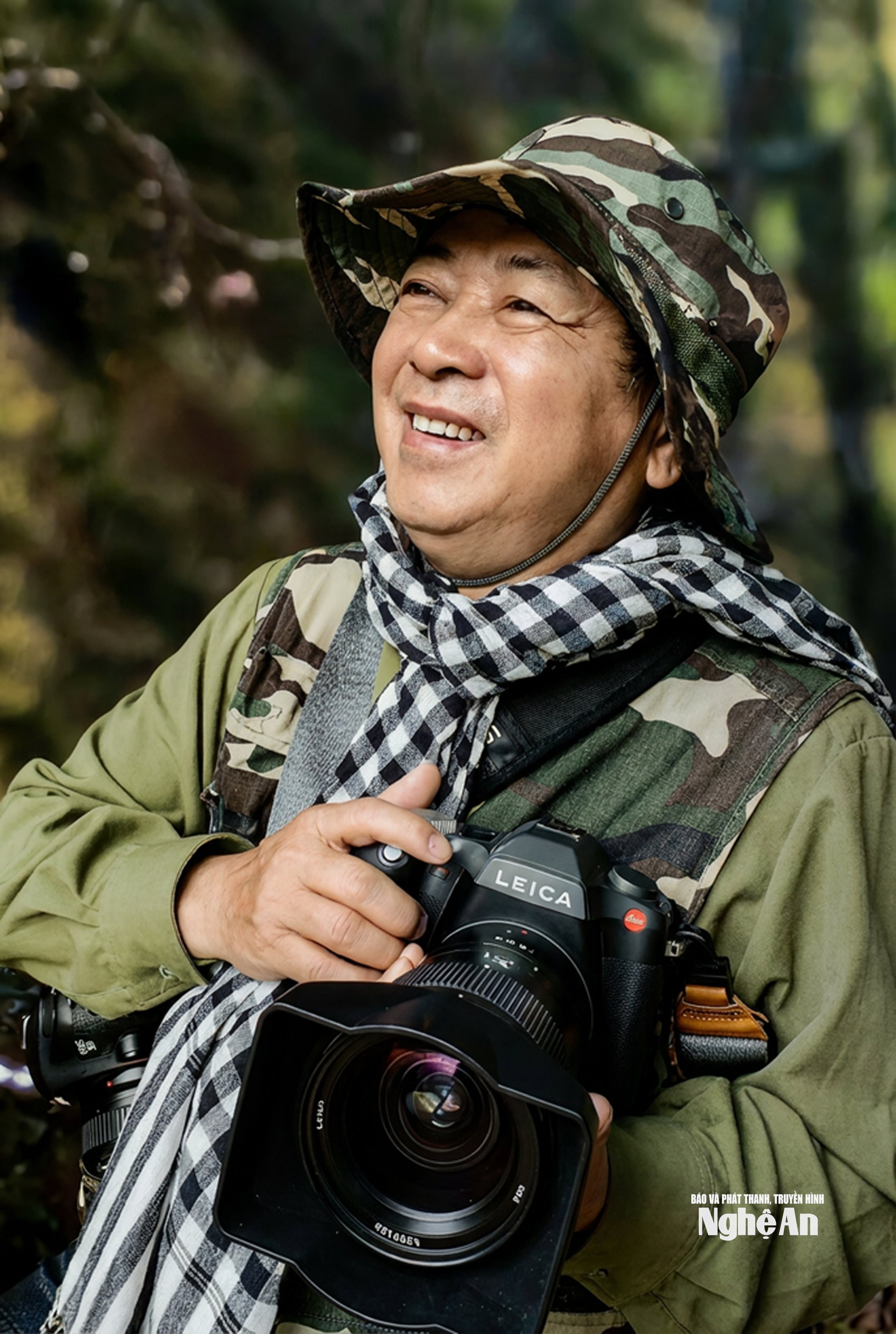
Having wielded both pen and camera for nearly half a century, journalist and photographer Tran Duy Ngoan is known not only as the former Director of Nghe An Radio and Television Station (NTV) but also as a talented international photographer with a keen sense of beauty. Having been a soldier facing the line between life and death at Quang Tri Citadel in 1972, he brought that courage to journalism, creating a brilliant career in which the brotherly nation of Laos is not just a subject, but has become an integral part of his being.
.png)
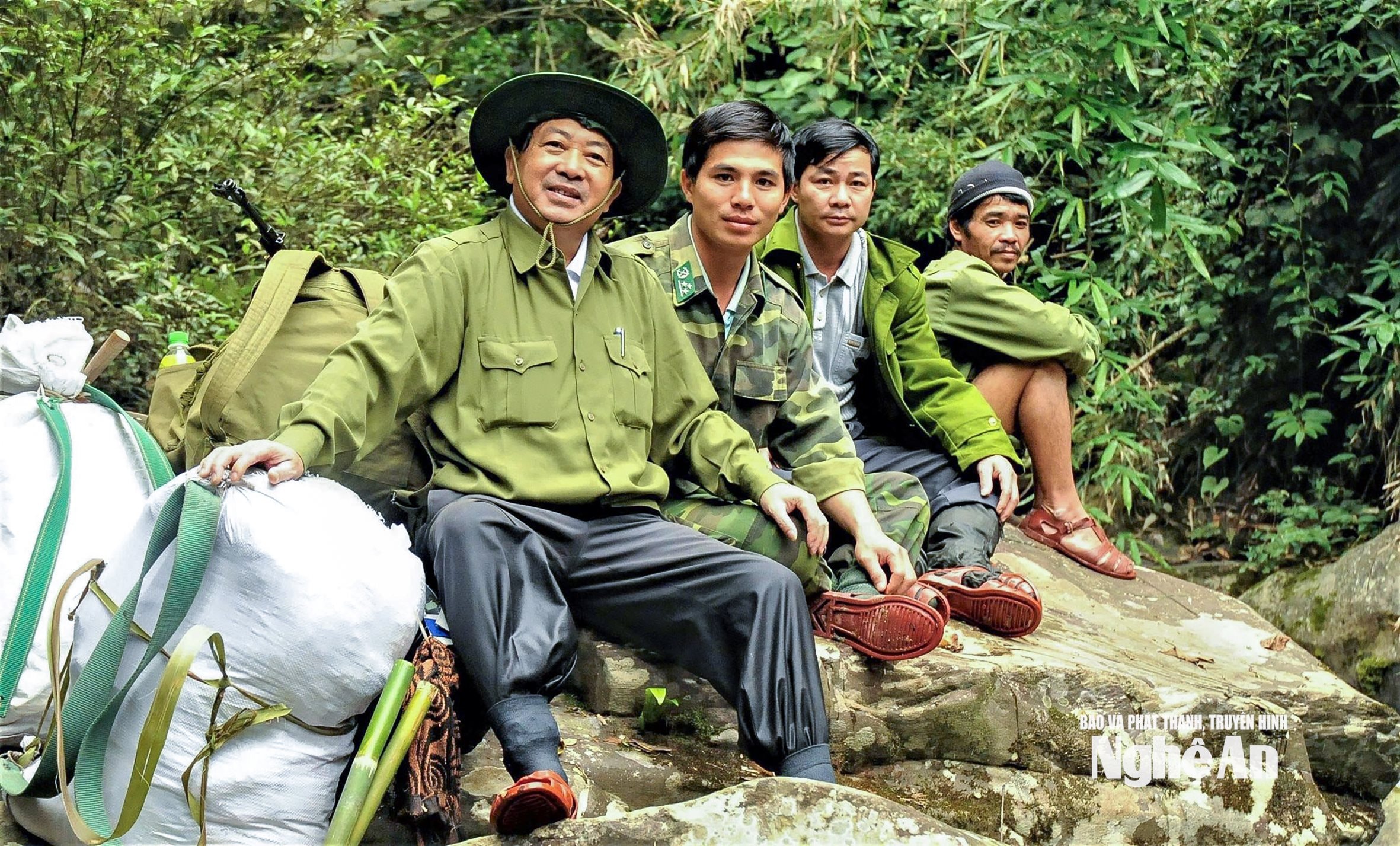
Journalist Tran Duy Ngoan's connection with Laos is not accidental. Before leading NTV, he spent many years working in Thanh Chuong district – a remote border region sharing a border with Laos. His trips across the border, trekking through forests and wading through streams since the 1990s, ignited in him a special love for the nature and people of this land.
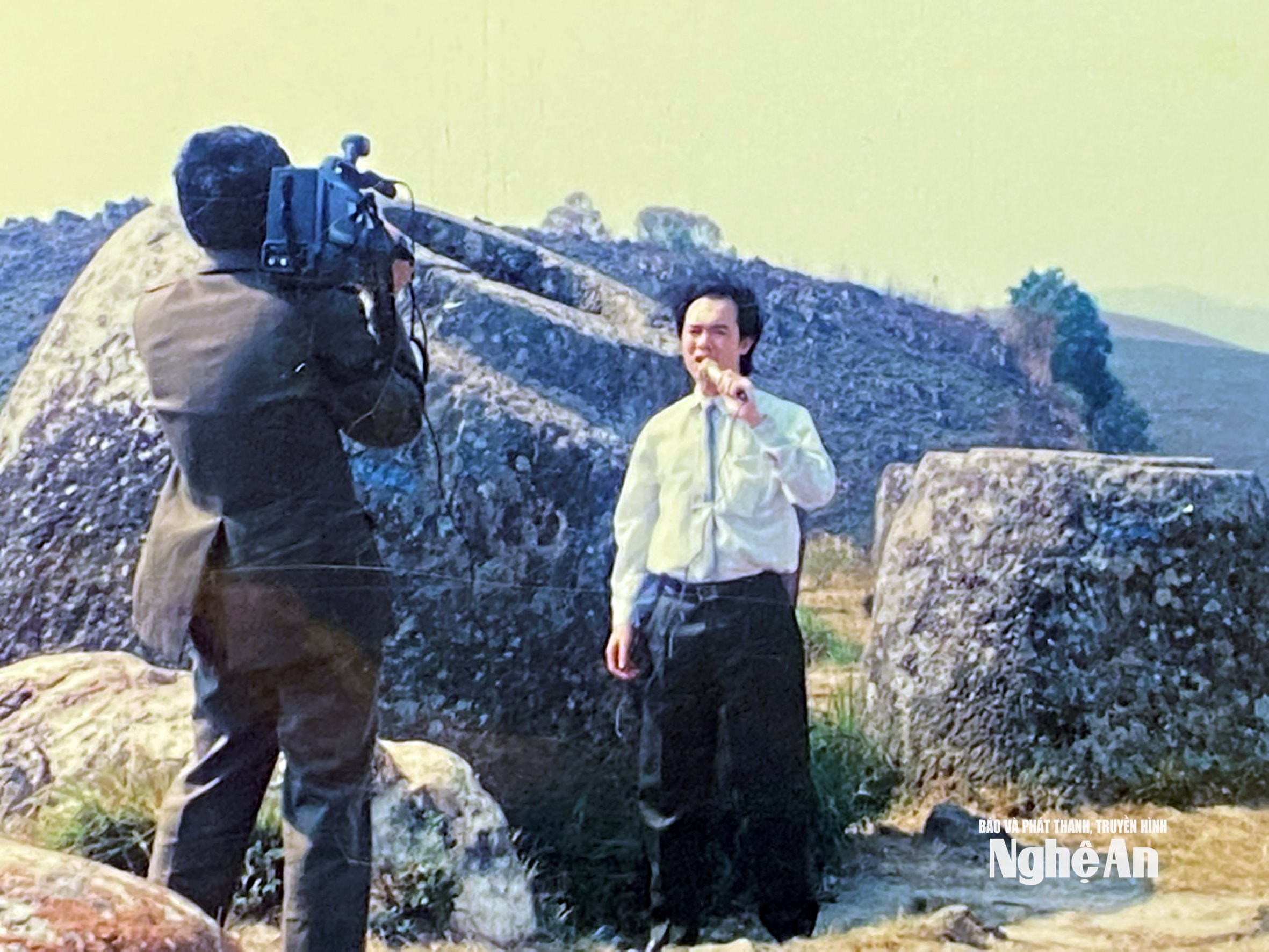
With the belief that "a picture can express a thousand words," he captured thousands of moments of Laos, from the ancient temples in Luang Prabang to the majestic beauty of the Plain of Jars in Xieng Khouang or the dreamy waterfalls in Khammuan, from the unique elderly Bo Rou people to the innocent-eyed children or the shy young women in traditional costumes... Colleagues still fondly recall the time the working group panicked after losing his car, only to find the veteran journalist engrossed in climbing on sharp rocks, choosing the best angle to capture the beauty of the towering rock formations of Laos. Or the time he and the film crew were moved when they encountered a village full of people with the surname "Ho," who were always proud of their Vietnamese ancestry and readily helped the team selflessly and wholeheartedly. Even when a reporter in the delegation fell ill, Vietnamese expatriates in Laos came to the hospital to take care of him as if he were their own family... It was these acts of kindness that further nurtured the love he had for Laos, "as if it were his own heart."
The most striking testament to his passion for Laos is the 50-episode documentary series "Travelogue of Laos." Serving as both the production director, editor, and director, he and his colleagues traveled extensively throughout villages from north to south across Laos. It was a highly demanding journey with an incredibly intense workload: completing an average of 1.7 episodes per day, often staying up all night to write articles and supervise the production.
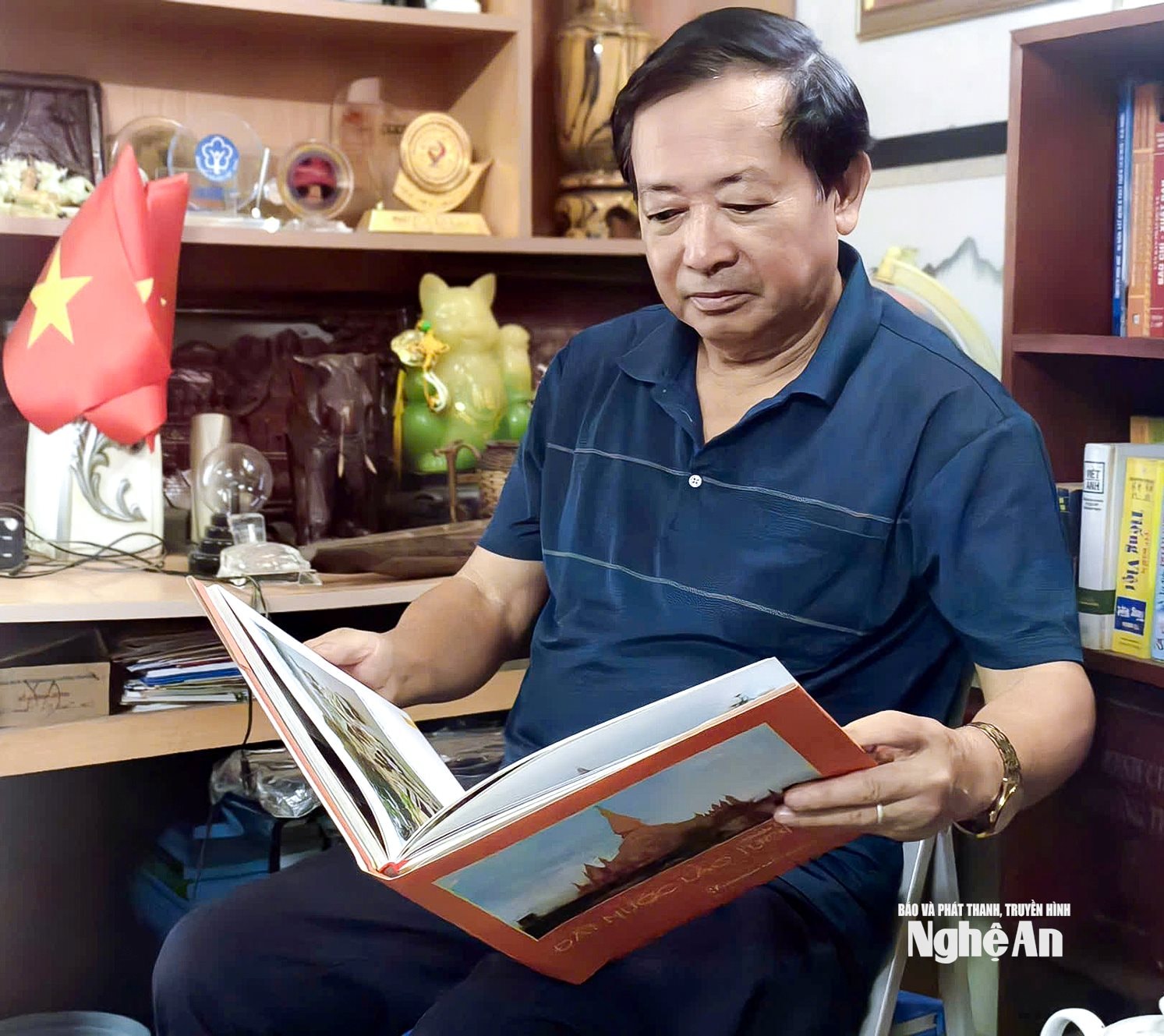
The fruits of those tireless journeys are also the photo book "Beautiful Laos," over 300 pages long. Former Lao Deputy Prime Minister Somsavath Lengsavad once remarked that only someone with a profound understanding and deep love for Laos could have such a thorough and comprehensive view through each image.
.png)
Although he has retired from his managerial position, journalist Tran Duy Ngoan believes that "retirement doesn't mean stopping work." At over 70 years old, he remains full of energy, embarking on pilgrimages to former battlefields and working on new film projects. "My passion for journalism has never diminished. It remains as strong as it was in 1980, when I was a dedicated contributor, tirelessly cycling along muddy roads to reach the people, and even now, after retirement, with many achievements and significant contributions. Currently, I am still being invited to work on and developing many projects, such as films about the Vietnamese community in Germany, travel photography of Vung Tau, or films about Con Dao Island...", journalist Tran Duy Ngoan shared.
In the eyes of his colleagues, he was a demanding professional but incredibly sincere person. He always emphasized collaboration and professional ethics. For him, journalism and photography were means to fulfill a mission of connecting people. Traveling, writing, and photographing with all the courage of a soldier from the ancient citadel and the sensitive heart of an artist, his works about Laos became a bridge, sending a message of loyal and unwavering friendship.
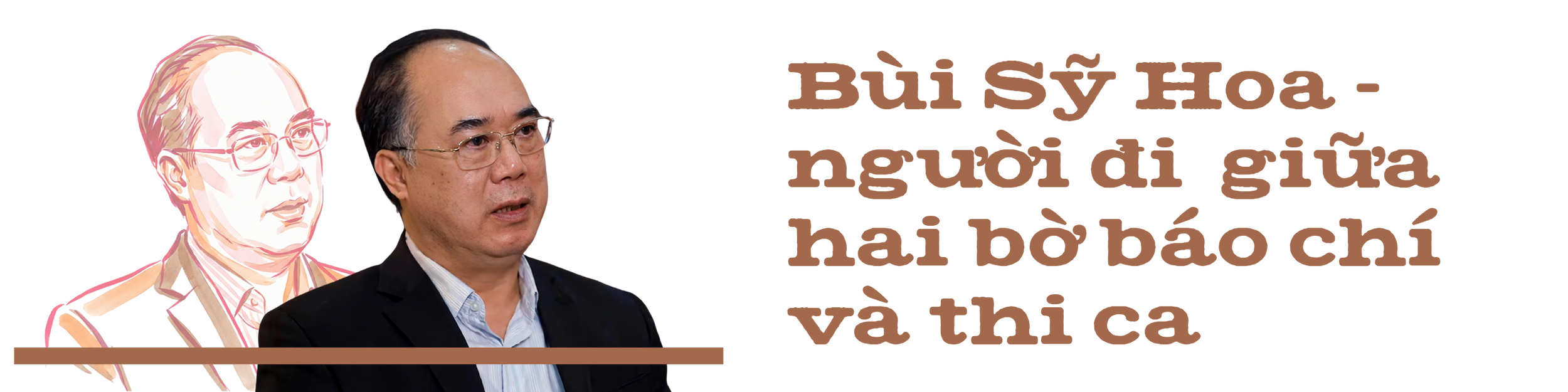
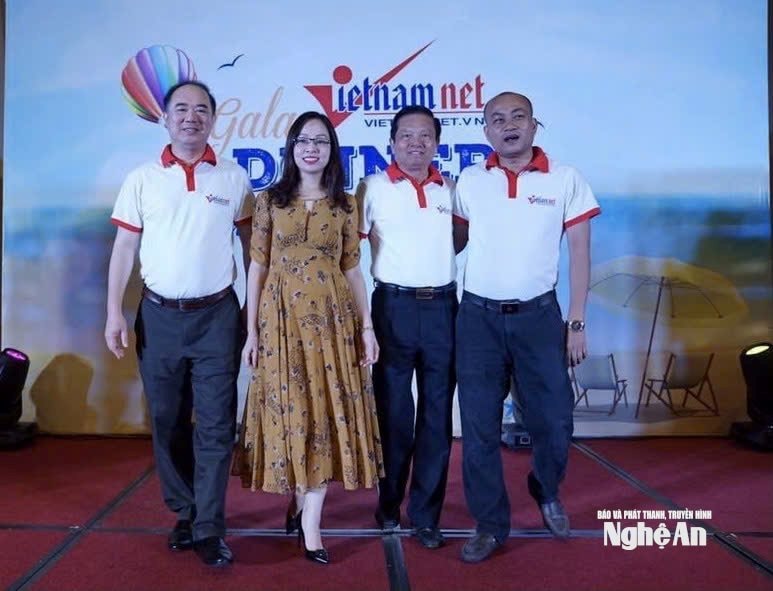
Some people enter journalism by choice. Others enter the profession by chance. For journalist and poet Bui Sy Hoa, his journey of more than four decades in journalism seems to have been guided by both: the serendipity of fate and the unwavering perseverance of someone who always wanted to "do something"—as his teacher simply advised him years ago.

Graduating from the Faculty of Literature at the University, he didn't receive formal training in journalism. However, his literary background and self-taught spirit led him through almost every type of journalism. From his initial awkwardness covering the opening ceremony of the new school year at Vinh Television Station, to his years working for the military newspaper, then returning to Nghe An Radio and Television Station, Nghe An Newspaper, and later as Editor-in-Chief of VietNamNet online newspaper – each stage marks a man unafraid to start from scratch.
When talking about his profession, journalist Bui Sy Hoa often emphasizes the word "learning." He shared: "I learn from colleagues near and far, from talented reporters and editors at other media outlets. I learn as I go; if my work isn't great at first, I learn from my mistakes and gradually improve." This is also the quality that makes him a journalist with rare adaptability. From television to print, from local newspapers to leading online newspapers nationwide, each change was a challenge. But instead of being afraid, he chose to dive in, spend time observing, listening, and learning.
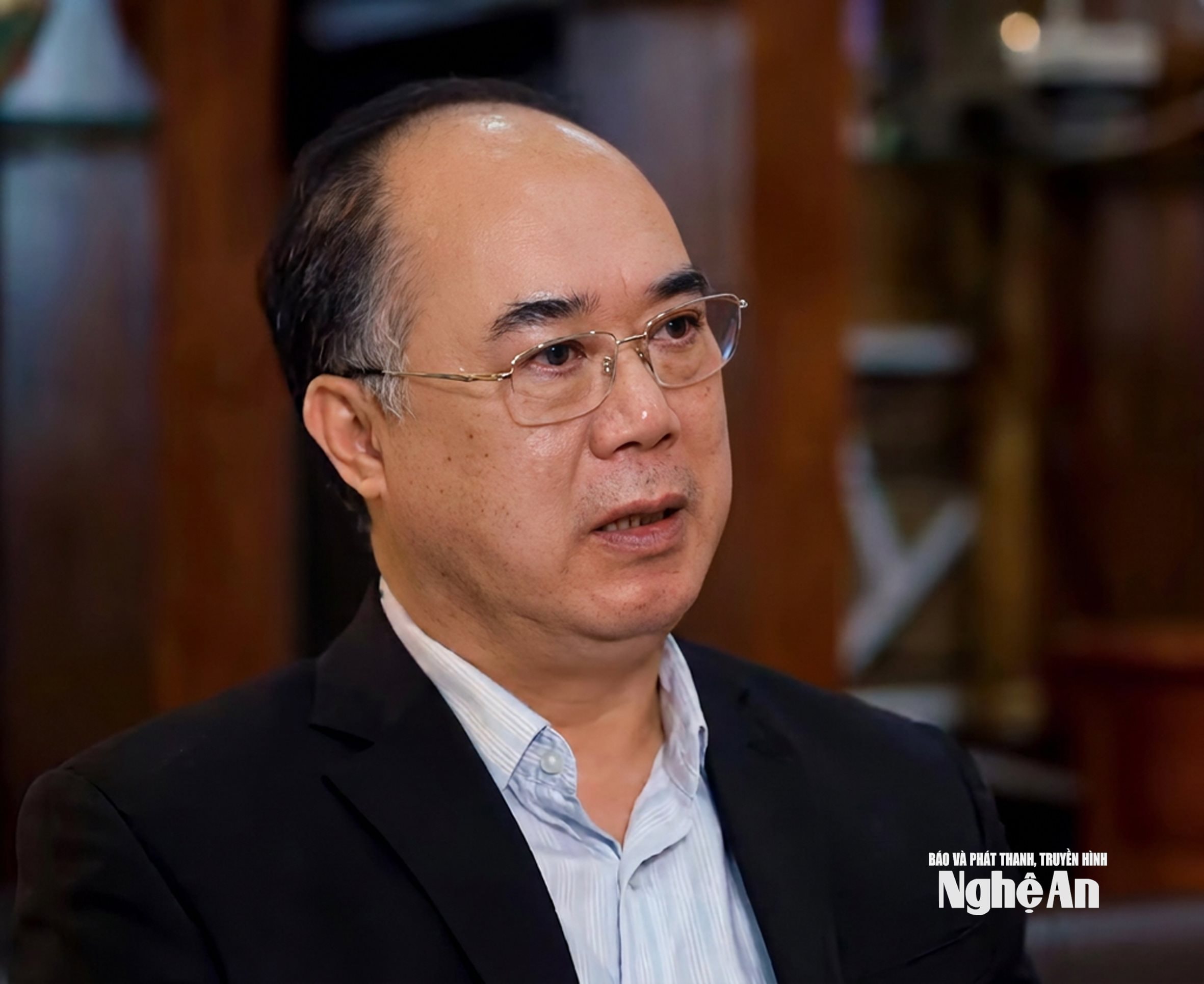
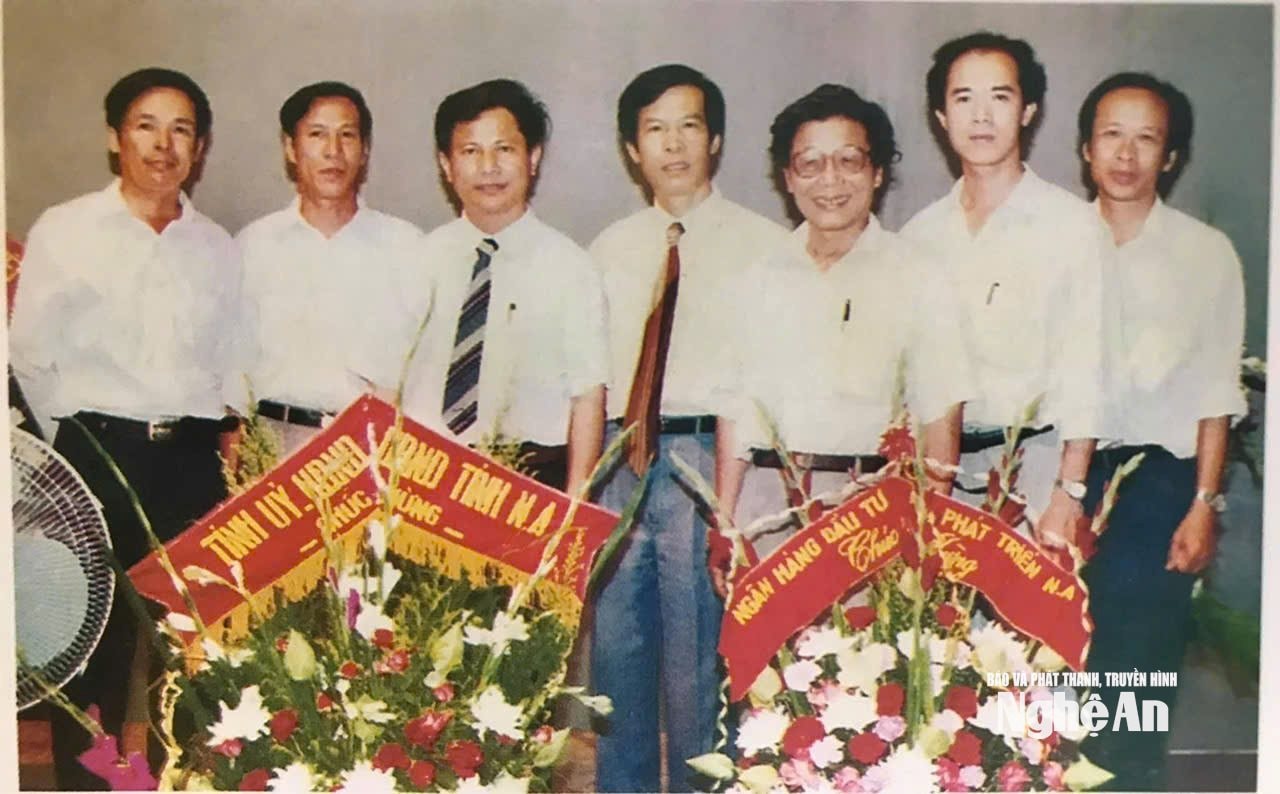
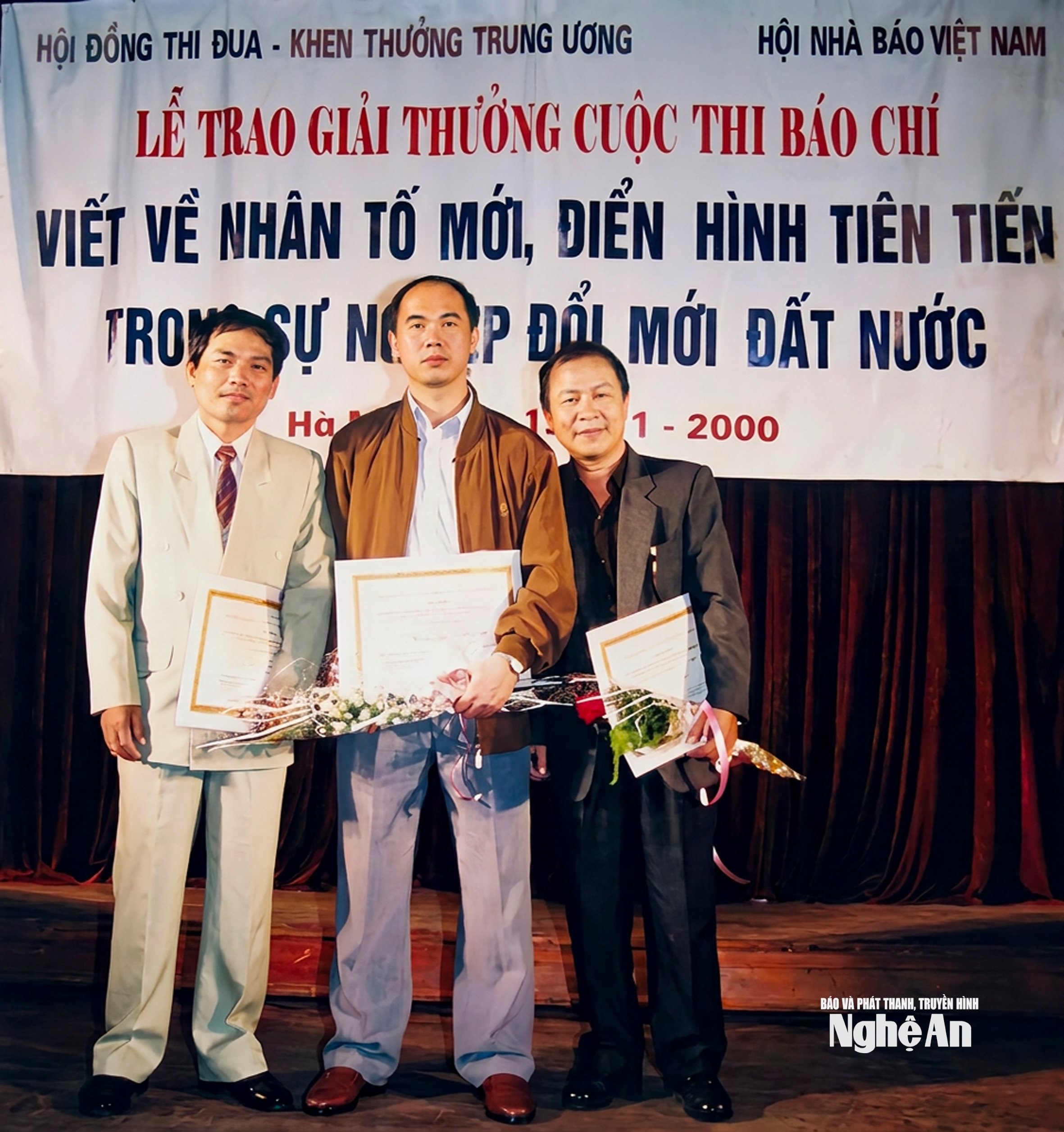
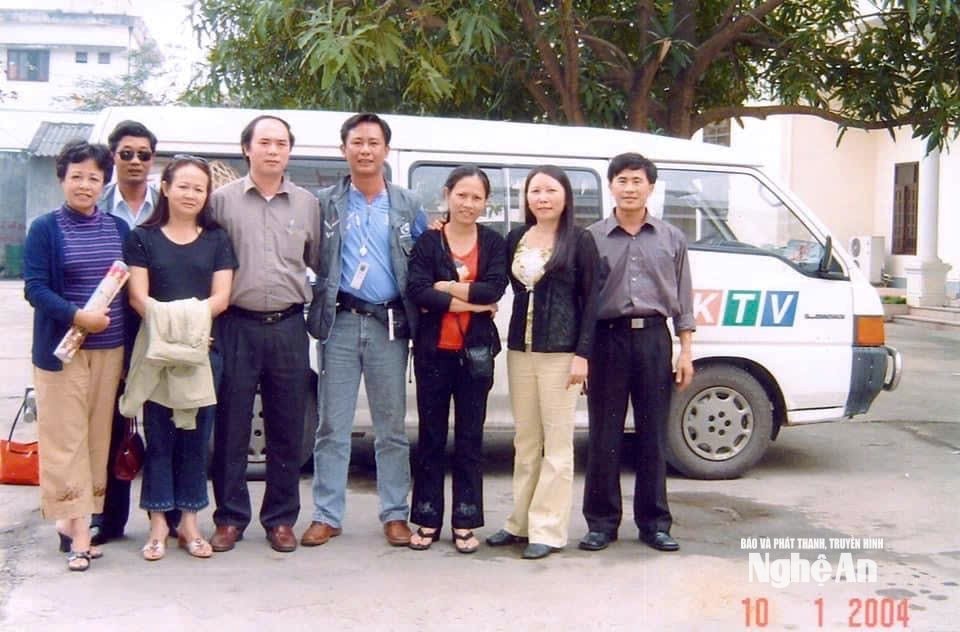
Those who worked with journalist Bui Sy Hoa often remember him for his straightforward yet open leadership style. When entrusted with the responsibility at VietNamNet during a period of rapid growth in online journalism, he did not choose to impose his authority as the head. Before taking over, he spent a month familiarizing himself with the newsroom, reading articles, and discussing with reporters and editors. This proactive approach helped him build trust within the team. “VietNamNet covered many issues; there were things I encountered for the first time and had absolutely no experience in handling, inevitably leading to awkwardness and confusion. There were terrible ‘hacks’ that forced the newspaper to suspend publication for months. Fortunately, I worked with a united and responsible team, so we overcame difficulties one by one, including overly critical articles that my colleagues helped me stop just before publication…,” he recounted.
In Bui Sy Hoa, one can easily discern a consistent professional philosophy. Journalism must first and foremost serve life. Stories about "national affairs" and "people's livelihoods" are always central to his approach to information organization and his understanding of the role of journalism. According to him, a newspaper only truly thrives when readers seek it out, anticipate its publication, and find within it solutions to the problems life presents.

If journalism was his profession, then poetry was the deepest part of his soul.
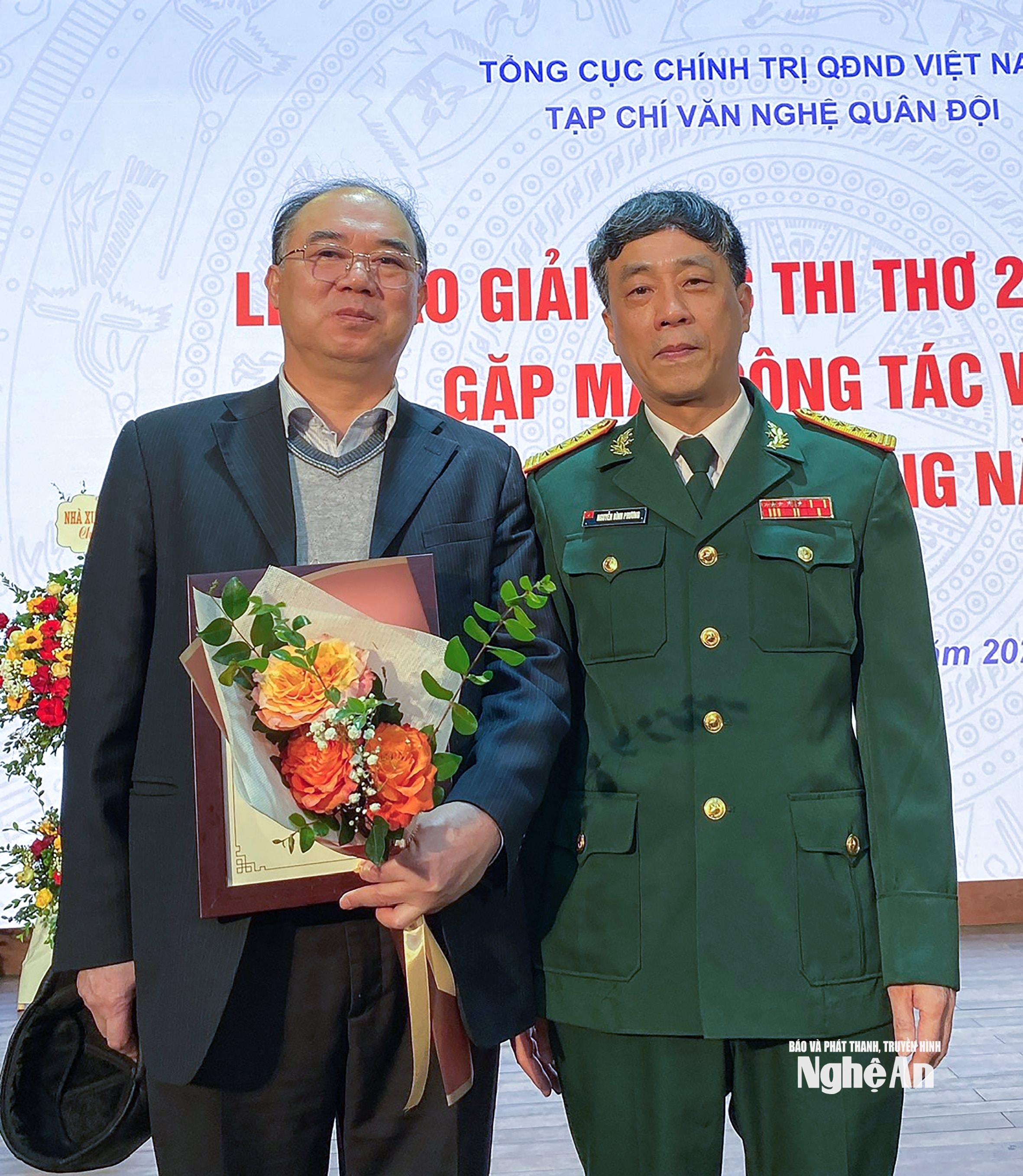
Despite being busy with newspaper articles and administrative work, Bui Sy Hoa never strayed from poetry. He called it his inseparable "literary root." In his poems, his homeland and his mother are always present, expressed in a simple, unadorned tone, like the land and rice of Nghe An province. He disliked pretense and affectation. Poetry should be written naturally, like life itself, like the truest emotions springing from memory and experience. Perhaps it was this very poetic quality that nurtured in the journalist a steadfast belief in truth.
In his retirement years, he has continuously published new works, completing unfinished epic poems and returning to the memories of his homeland as a way of repaying his debt of gratitude to life. He still believes, "everything is always ahead." Perhaps that belief best reflects his character: a man who has never stopped moving forward, on his journey between journalism and poetry.
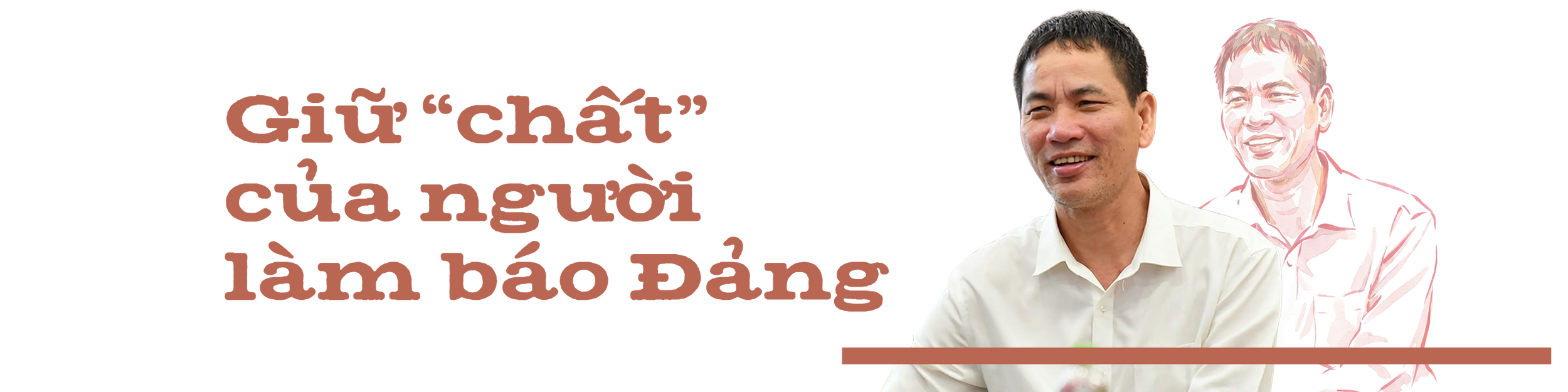
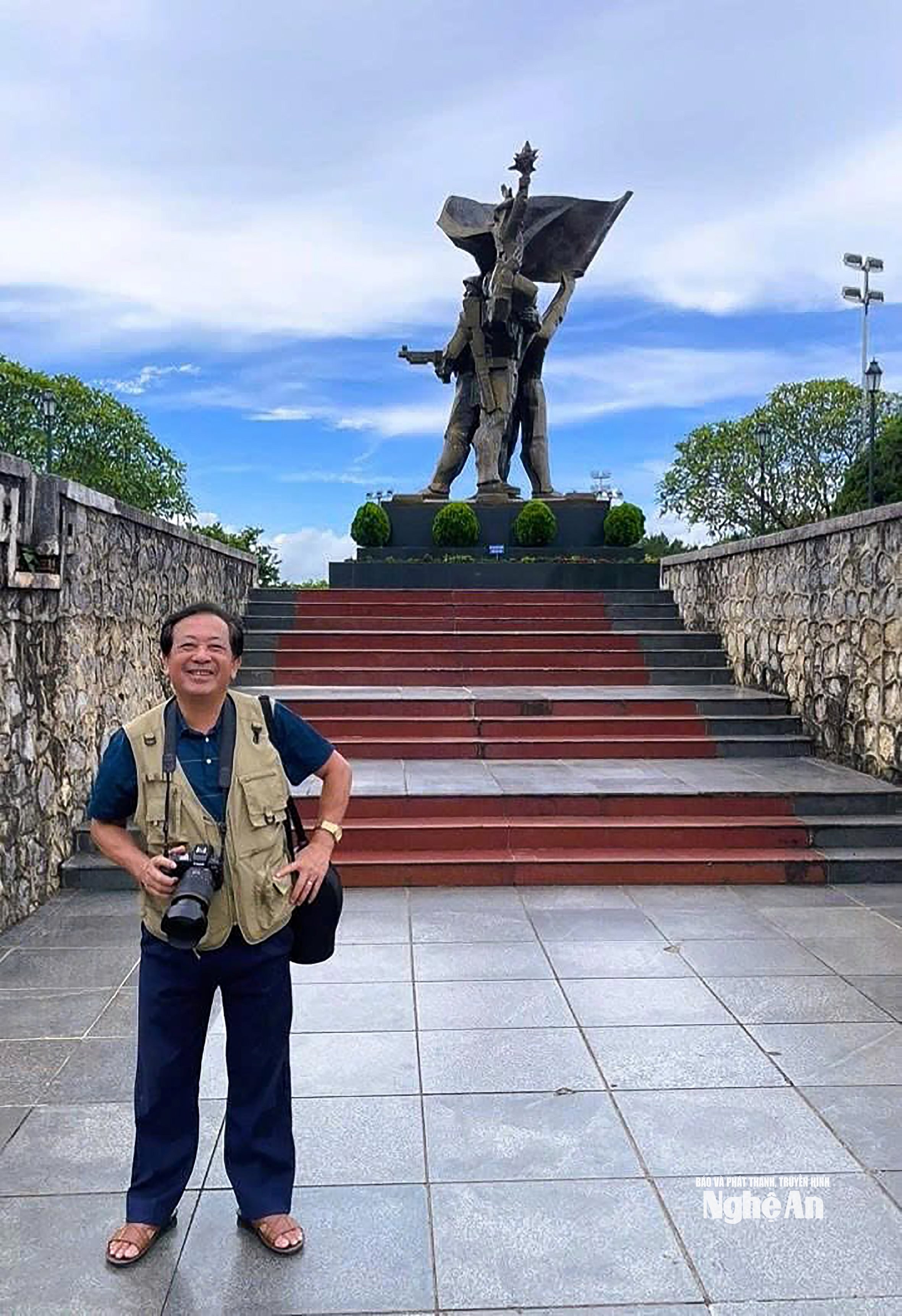
This June, journalist Thanh Chau, former Head of the Nhan Dan Newspaper's representative office in Nghe An, officially received his retirement notice. After more than 40 years of service, whether as a naval soldier or a writer, he has maintained a calm demeanor and a unique composure characteristic of a Party journalist.

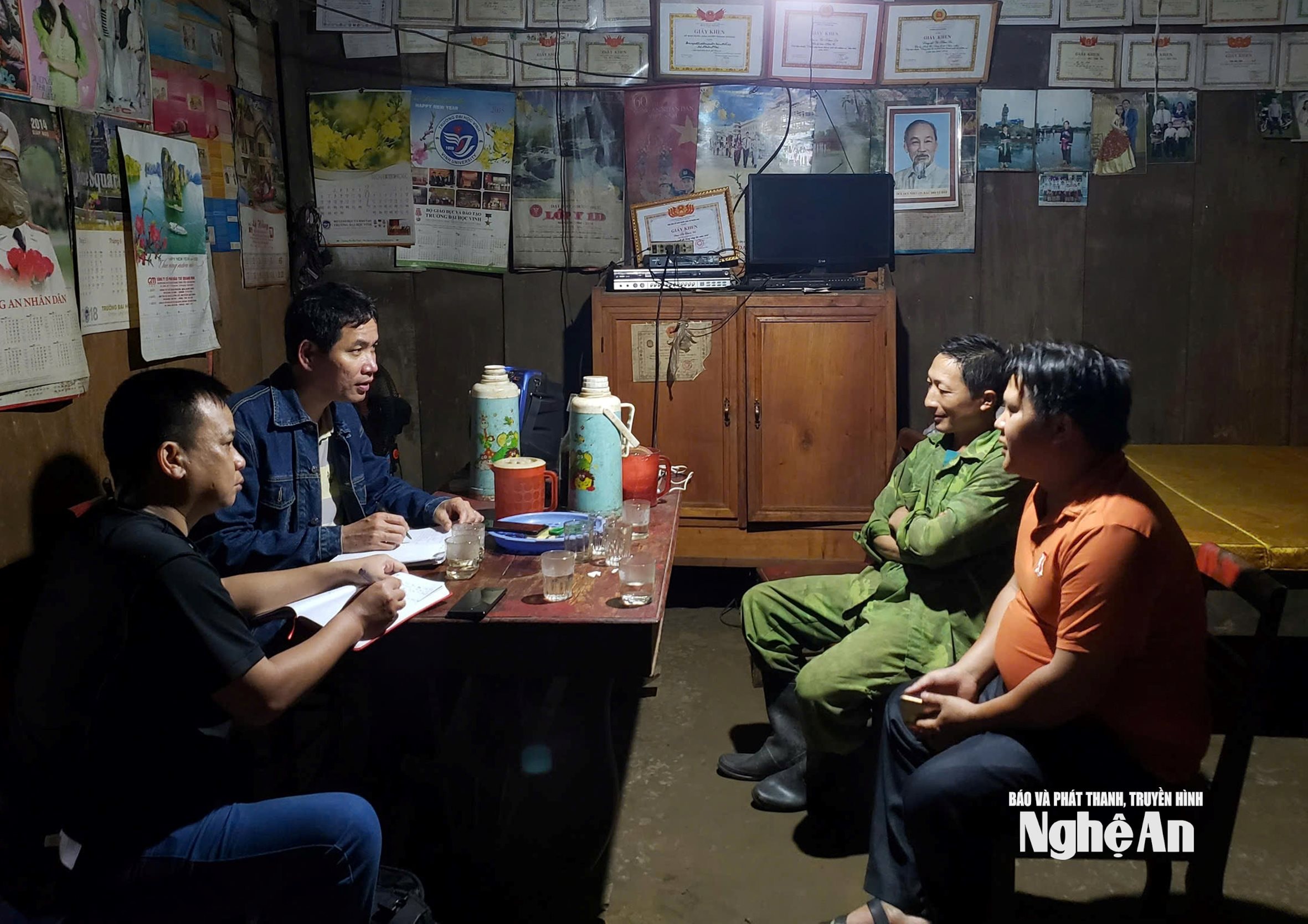
Journalist Thanh Chau, born in 1964, has for many years been known in the Nghe An journalistic community as "the youngest journalist." Perhaps that's why many were surprised when they learned of his retirement. At the age of 62, before retiring, he still traveled with his colleagues from the office to border guard posts in western Nghe An to produce a series of articles about maintaining peace on the border.
Having served as a military officer for nearly 10 years in the navy, journalist Thanh Chau always retained a distinct "military spirit." He transitioned to journalism in 1995, starting at Ha Tinh Newspaper and then spending three years at Nghe An Newspaper. Later, he became the Chief Representative of Nhan Dan Newspaper in Ha Tinh and Quang Binh, before returning to Nghe An. Sharing his journey in journalism, he said he was initially a self-taught writer. Because of his "chance" to become a journalist, he faced many difficulties. Back then, there were no computers like today; all articles were written by hand. To complete an article of about a thousand words, he had to buy reams of paper to rewrite it repeatedly. Some articles required discarding dozens of pages because they didn't meet the requirements; he would sit and write until he was drenched in sweat.
Journalist Thanh Chau is always proud to have many great "mentors," namely his colleagues. Some not only corrected his articles and explained every word to him, but also bought him Vietnamese dictionaries to read. During his work, journalists such as Dinh Sam (Nghe An Newspaper), Dinh The Huynh, Trung Chinh (Nhan Dan Newspaper)... always supported him, helping him to mature quickly. He himself also always strives to learn and improve his professional skills step by step.
Throughout his journalistic career, journalist Thanh Chau has left his mark on many works and has been a dedicated journalist working at the grassroots level. His biggest regret is that his age has made it difficult for him to keep up with modern journalistic trends, especially in television and online journalism. Because of this "gap," he admits: "As a print journalist, I will always be a 'detail seeker,' because the most important quality of a journalist is sensitivity and the ability to detect issues before they arise in social life."

Over 31 years in journalism, journalist Thanh Chau has many memories. These include two times crossing the Ky Son floodwaters while working at the Nghe An Newspaper, the Tet holiday in 2009 spent away from home reporting on the boat sinking on the Gianh River (Quang Binh province) that killed over 40 people, and numerous trips to handle petitions and complaints. Throughout his work, he always recognized that journalism is not just the job of a news reporter, but also the responsibility of a propaganda officer. Therefore, whenever he encountered inaccurate information or distorted perspectives during fieldwork, he always proactively discussed, explained, and shared information to help people better understand the nature of the issue.
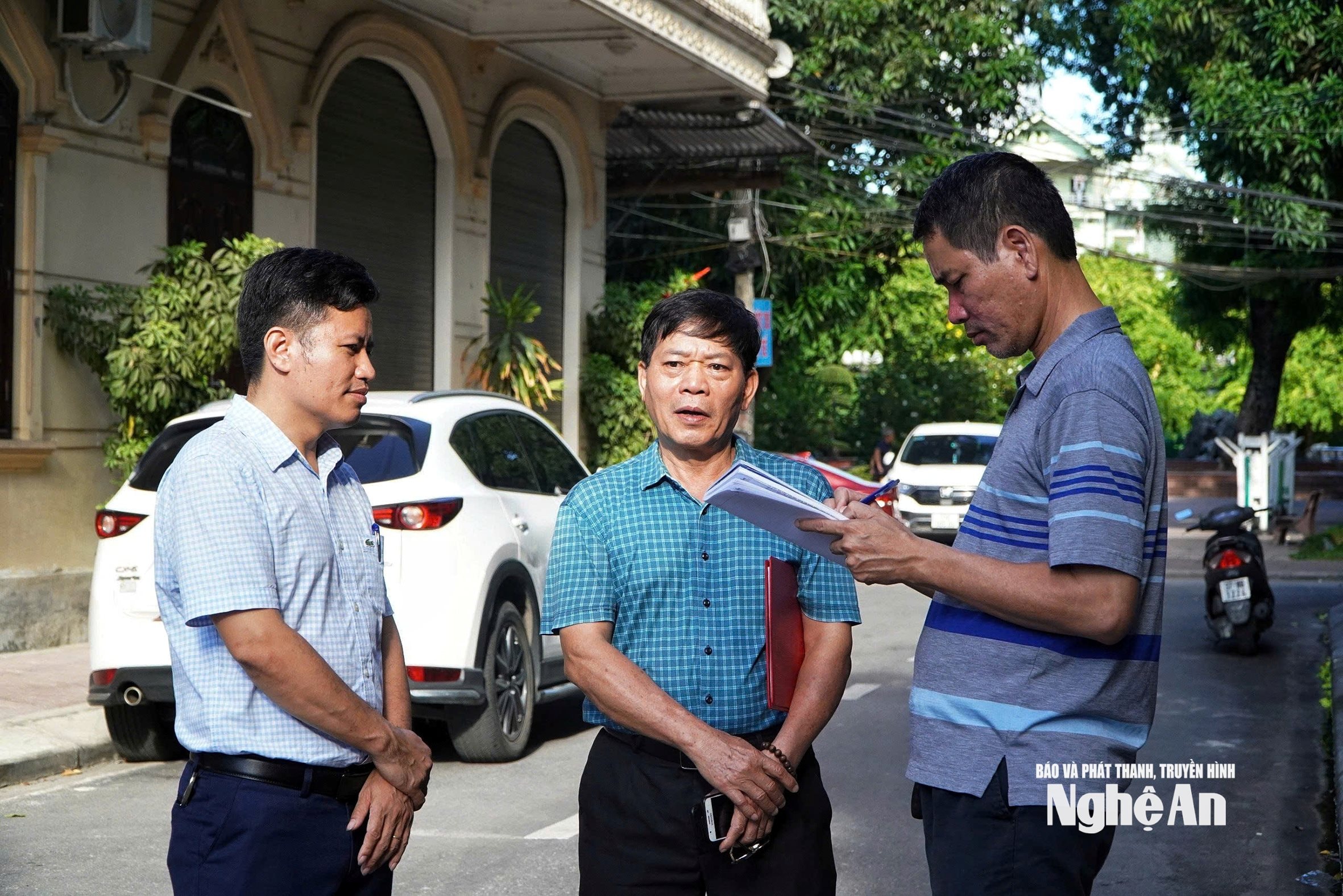
That philosophy also influenced his approach to grassroots work. According to him, journalists and propaganda workers must first and foremost be partners with the local communities, sharing in their difficulties. Similarly, regarding his younger colleagues in the office, even though he was the head, journalist Thanh Chau said that he would never make things difficult for them. On the contrary, he would encourage and motivate them to do their best...
The "essence" of a soldier and a Party journalist remained unchanged in journalist Thanh Chau until his retirement.


