
The ECB is likely to raise interest rates by 0.25 percentage points as early as June.
Inflation data for May in the Eurozone's leading economies accelerated due to rising energy prices, prompting the European Central Bank (ECB) to move toward an interest rate adjustment sooner than expected.
Financial markets are currently betting on a near 100% probability that the European Central Bank (ECB) will implement its first interest rate hike at its policy meeting on June 11th. This move is driven by a sharp increase in inflation across the Eurozone's largest economies in May.
Inflationary pressures are spreading across major economies.
The latest data shows that harmonized inflation (HICP) – the European Union's standard measure – has risen in most key countries. The main cause has been identified as the escalation of energy prices, particularly gas prices.
| Nation | HICP Inflation (May) | Compared to last month/Forecast |
|---|---|---|
| France | 2.8% | Maintain at a high level |
| Italy | 3.3% | A sharp increase from 2.8% |
| Spain | 3.6% | Up from 3.5% |
| Virtue | 2.6% | Down from 2.9% |
Notably, Germany was the only economy among the four largest Eurozone countries to see a slowdown in overall inflation. However, its core inflation rose from 2.3% to 2.5%, indicating that high energy costs have begun to have a deeper impact on the prices of other goods and services.
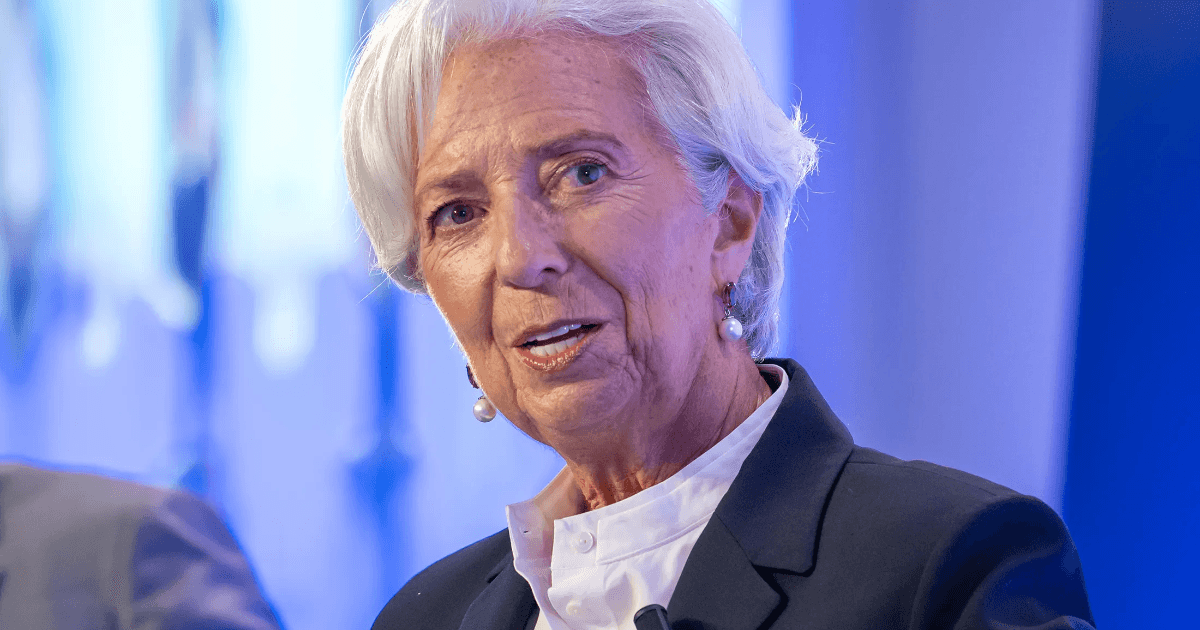
Scenarios for tightening monetary policy by the ECB.
Against a backdrop of increasing price pressures, the ECB Governing Council is gradually leaning towards a hawkish stance. Minutes from the April meeting indicate that many members are prepared to consider raising interest rates to control persistent inflation risks. Currently, the ECB's policy interest rate is being maintained at 2%.
Fabio Panetta, Governor of the Central Bank of Italy, stated that geopolitical tensions between the US and Iran, along with the risk of disruptions to energy supplies from the Gulf region, necessitate timely monetary policy intervention. However, he also emphasized the need for the ECB to maintain flexibility and respond based on real-world data rather than making rigid commitments to a specific roadmap.
Forecast of short-term interest rate trajectory
According to market analysts, the ECB's tightening path could become more aggressive in the coming period:
- June:An increase of 0.25 percentage points is expected.
- September:There is a possibility of two more interest rate hikes between now and the end of the third quarter.
- By the end of 2026:The probability of a third surge is as high as 92%.
Although short-term consumer inflation expectations have surged to 4%, long-term measures (5-year outlook) remain stable around 2.4%. This offers an optimistic signal that current shocks may not yet have taken deep root in the long-term economic structure of the Eurozone.


