
Strait of Hormuz: Iran threatens to suppress US warships.
The Strait of Hormuz is becoming the focal point of a tense military and diplomatic confrontation. In its latest statement, Iran's Islamic Revolutionary Guard Corps (IRGC) affirmed it would crack down "with the strongest possible force" on any warships that deliberately intrude into these waters, escalating tensions in the Gulf to a new level.
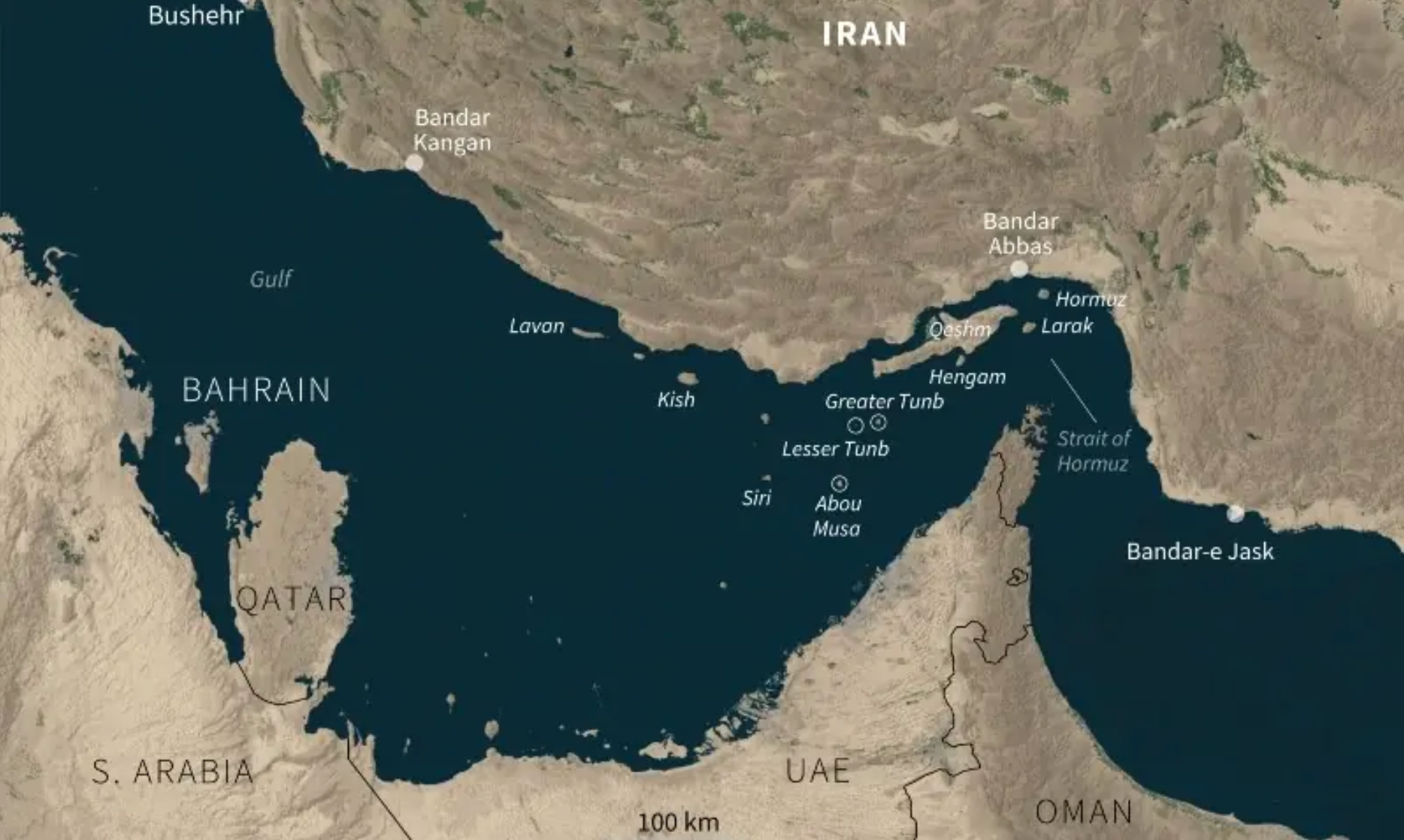
The Strait of Hormuz: Iran's impregnable "fortress"?
According to RIA Novosti on April 12, the Fars news agency reported that the Iranian Navy Command (IRGC) has issued a strong message regarding its absolute control over the Strait of Hormuz. Iran emphasized that the IRGC Navy currently has complete control over traffic flow in this strategic area.
"Any attempts by warships to cross the Strait of Hormuz will be strictly prevented. Passage through here is only permitted for civilian vessels and must comply with specific conditions," an IRGC representative stated.
This move comes after Tehran rejected reports that the US had successfully infiltrated these inland waters. Iran's assertiveness shows that the country is ready to use hard power to protect its national interests against external pressure.
A dramatic turn of events unfolded when Iranian military forces began closely monitoring a US Navy destroyer that had departed from Fujairah port (UAE) and was heading directly towards the Strait of Hormuz.
This information was relayed to the US by the Iranian delegation in Islamabad via Pakistan. According to regional sources, Iran issued a direct warning: If the US destroyer did not stop, it would become a target within exactly 30 minutes.
Islamabad negotiations: High expectations, deep disagreements.
Although the two sides are sitting at the negotiating table in Islamabad, the gap between Tehran and Washington remains very large. Tasnim news agency noted that, after the third round of consultations, the core differences have yet to be bridged.
Iran accused the U.S. of making excessive and unrealistic demands. "The ball is now in the U.S.'s court. They need to move past their ambitious proposals and replace them with a more realistic approach," a report from the Iranian delegation stated.
One of the biggest sticking points currently is the enforcement of the ceasefire. Although both sides have announced a peace plan based on Iran's 10-point proposal, Tehran has immediately stated that the US is violating the agreement.
The conflict stemmed from Israeli attacks on Lebanon. While Iran insisted that Lebanon was an integral part of the ceasefire agreement, the US explained it as a "misunderstanding" and argued that the country was not included in the original commitments.


