
Strait of Hormuz: Restoring oil flows is a major challenge.
Even if the fighting ceases completely, it will take months, even years, for the flow of energy through the Strait of Hormuz to return to pre-conflict levels.
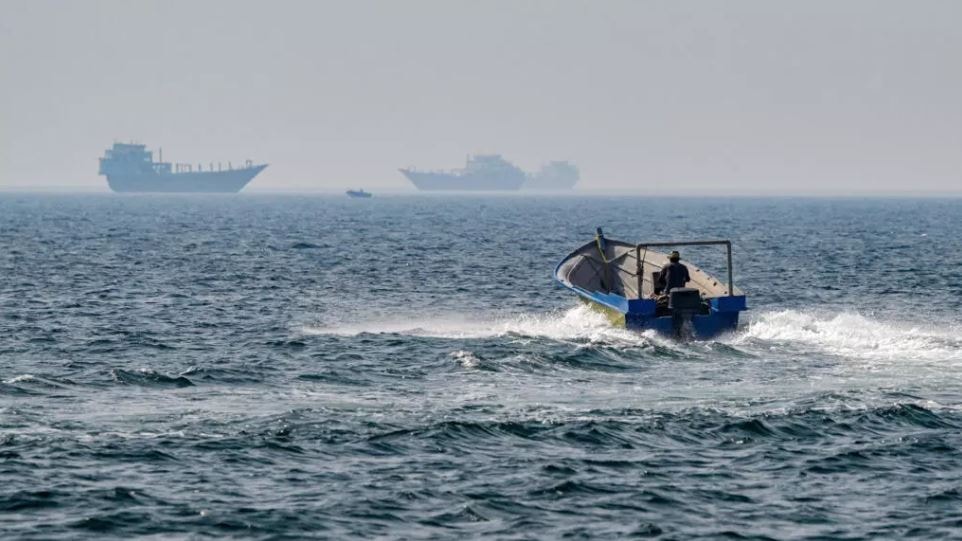
According to Reuters, disruptions to shipping in the Strait of Hormuz are plunging energy markets into uncertainty. However, the reality is clear: even if the fighting ceases, it will take months, even years, for energy flows through this vital waterway to return to pre-conflict levels.
Since the joint US-Israel air campaign against Iran began on February 28, the Strait of Hormuz – a transit point for one-fifth of the world's oil and gas – has been virtually paralyzed. As a result, approximately 13 million barrels of oil and 300 million cubic meters of liquefied natural gas (LNG) are "stuck" in the Gulf each day. This situation has forced producers to shut down oil fields and refineries, weakening economies from Asia to Europe.
The pace of recovery depends not only on diplomatic steps between Washington and Tehran, but also on logistics, maritime insurance, freight rates, and the risk aversion of shipowners.
According to data from analytics firm Kpler, the first "passengers" to leave the Gulf will be around 260 ships currently anchored there, carrying 170 million barrels of oil and 1.2 million tons of LNG. The majority of this cargo will be headed to Asia – the market that consumes 80% of the oil and 90% of the LNG from the Gulf.
When these ships depart, more than 300 empty vessels waiting in the Gulf of Oman will head to major loading ports such as Ras Tanura (Saudi Arabia) or Basrah (Iraq). Their urgent task is to release onshore storage facilities that have filled up during the closure of the strait. According to the International Energy Agency (IEA), commercial oil reserves in the Gulf currently stand at approximately 262 million barrels, equivalent to 20 days of disrupted production.
Even in the most optimistic scenario, rebalancing the global shipping fleet and bringing Gulf port activity back to normal will take at least 8 to 12 weeks.
As shipping gradually resumes, major players like Saudi Aramco and ADNOC (UAE) will face the challenge of restarting shut-down mines and plants. This process requires complex coordination, including bringing thousands of skilled personnel and contractors back to the region after they were evacuated due to the conflict.
Notably, damaged strategic infrastructure – such as Qatar's Ras Laffan LNG hub (which lost 17% of its capacity) – could take up to five years to repair. Some older and more complex oil wells in Iraq and Kuwait may never even reach their previous production levels.
Even if peace negotiations are successful, the prospect of restoring energy flows to pre-conflict levels is considered distant. Drilling new wells to compensate for production shortfalls would take at least a year and require sustained improvements in security conditions.
The Strait of Hormuz may soon be geographically open, but for this vital artery to truly function smoothly for the global economy, the world will have to patiently wait for many years to come.


