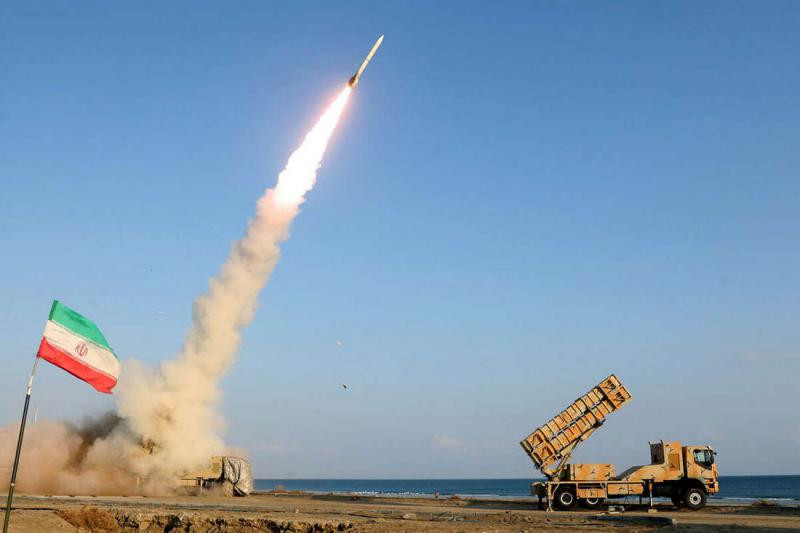
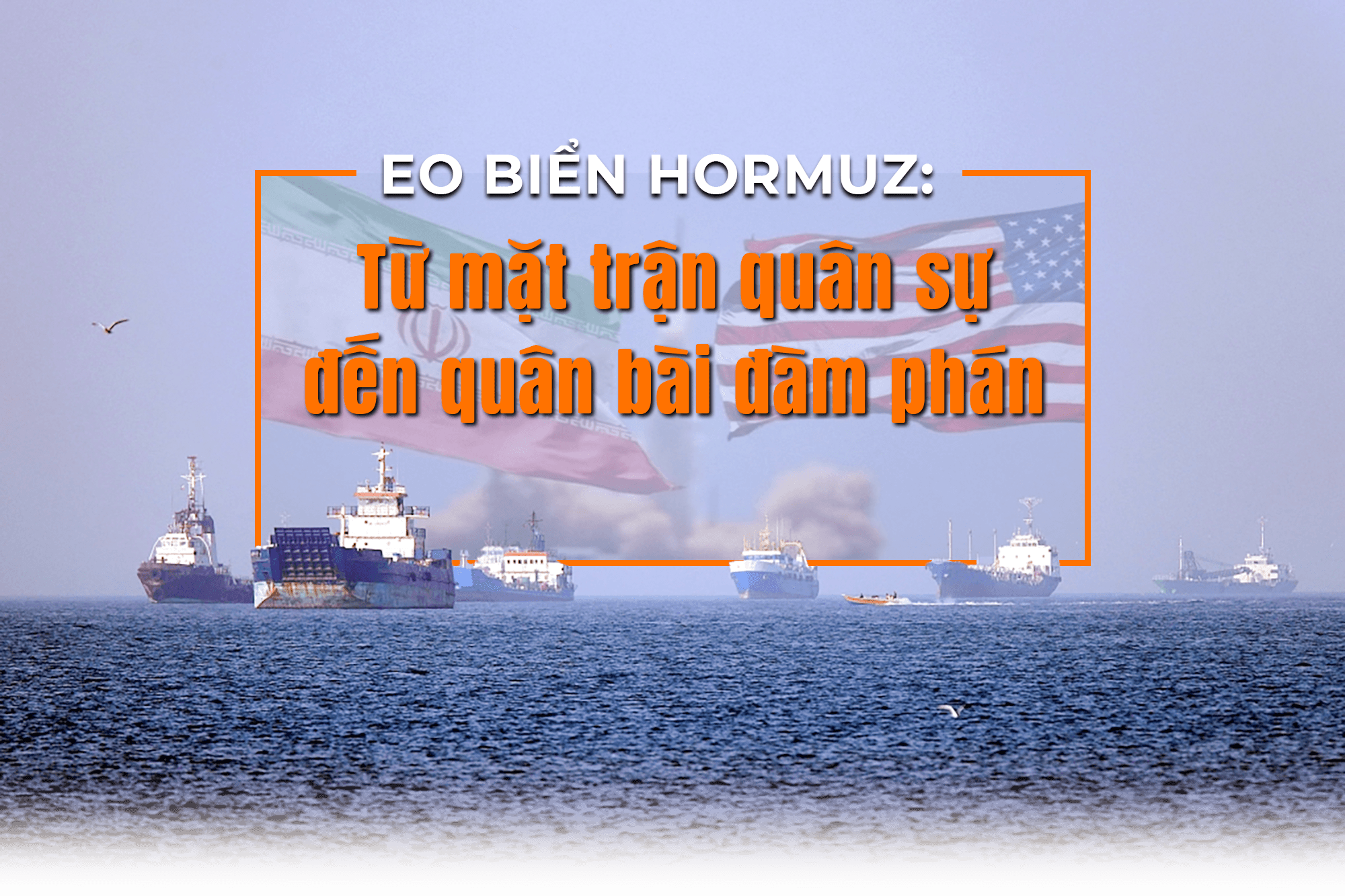
Strait of Hormuz: From military battlefront to negotiating card
After more than three months of tension between the US and Iran, the Strait of Hormuz is no longer simply a military hotspot but is becoming the focal point of diplomatic negotiations. Reporters from Nghe An Newspaper and Television interviewed journalist Pham Phu Phuc, an expert commentator on international affairs, about Iran's purpose in bringing Hormuz to the negotiating table and the US reaction to this strategy.
Perform: Hoang Yen - Huu Quan•04/06/2026
After more than three months of tension between the US and Iran, the Strait of Hormuz is no longer simply a military flashpoint but is becoming the focal point of diplomatic negotiations. Reporters from Nghe An Newspaper and Radio and Television interviewed journalist Pham Phu Phuc, an expert commentator on international affairs, about Iran's purpose in bringing Hormuz to the negotiating table and the US reaction to this strategy.
PV:Sir, looking back since the outbreak of the US-Iran conflict, how has the role of the Strait of Hormuz changed? Why has a military hotspot become such a prominent topic at negotiations?
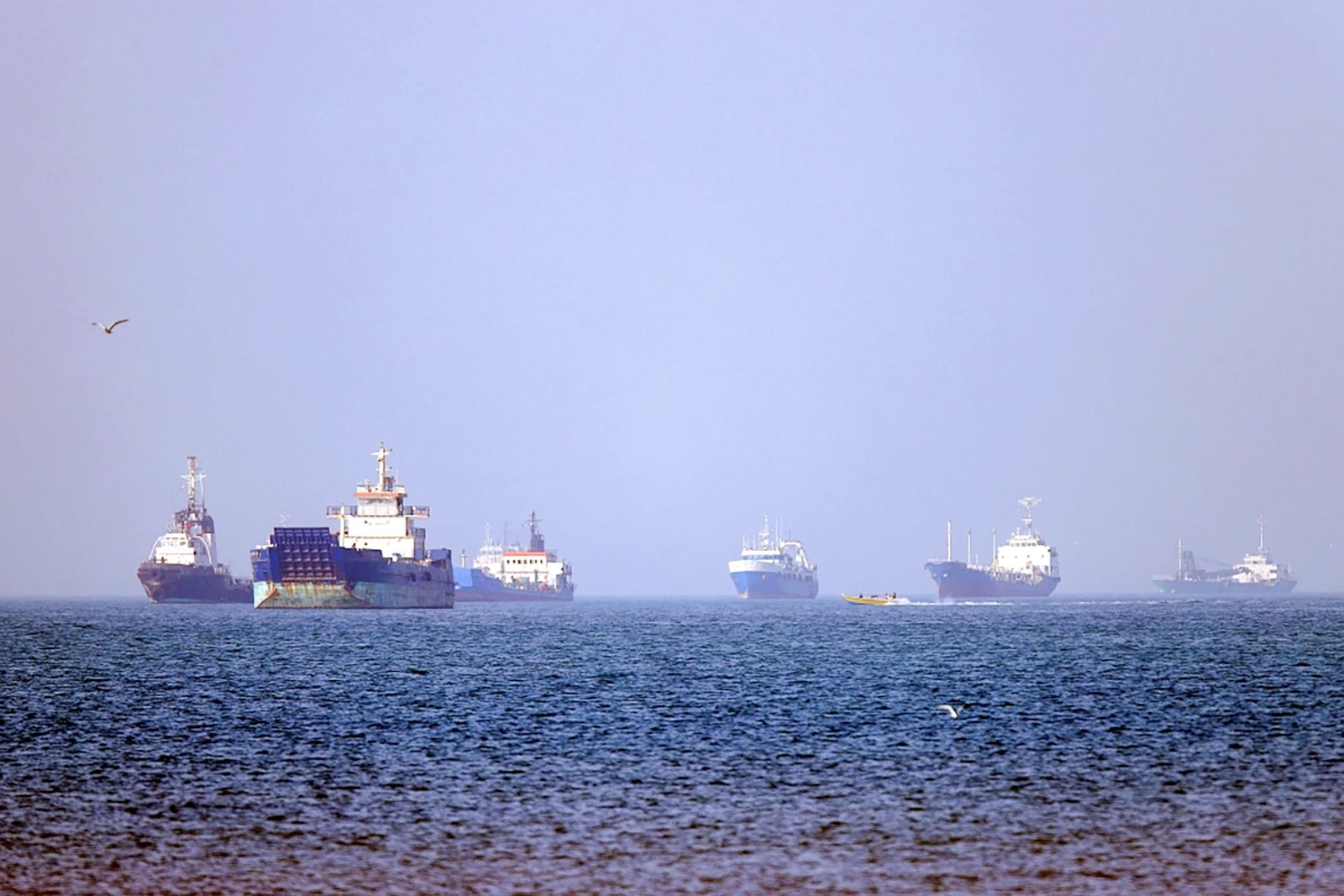
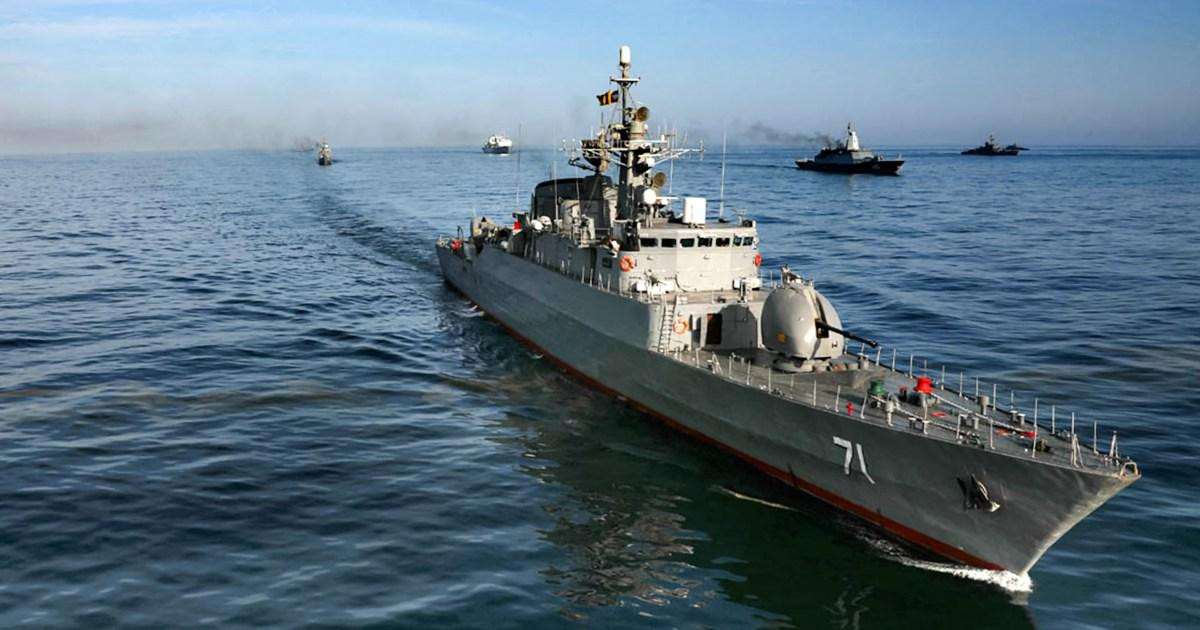
Journalist Pham Phu Phuc:Hormuz is the gateway connecting the Persian Gulf to the Gulf of Oman and the Indian Ocean, and is one of the world's most important energy shipping routes. Approximately 20% of the world's seaborne oil and gas passes through this region.
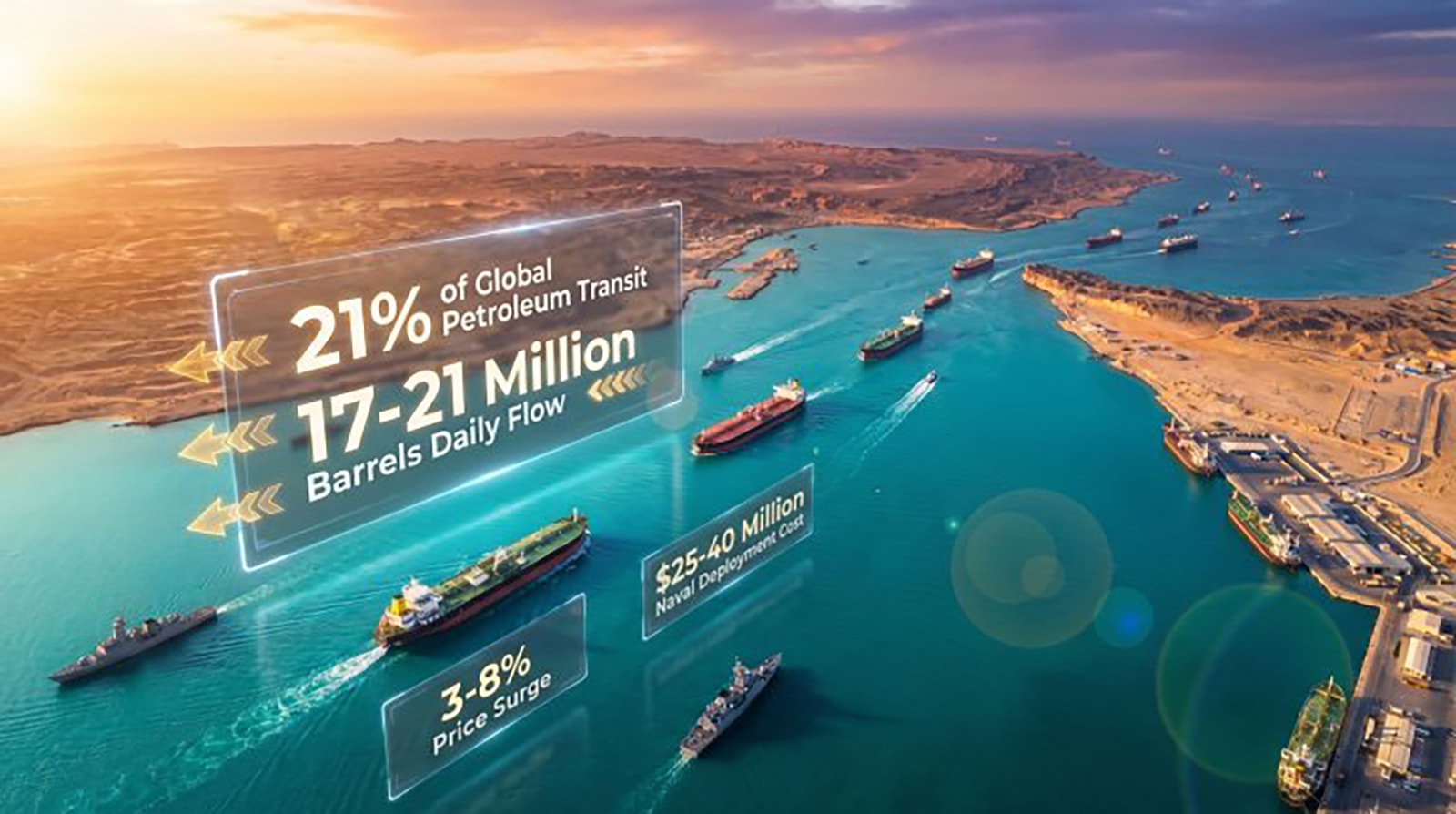
When the conflict first broke out, the Hormuz was primarily viewed from a military perspective. However, after a short time, Iran realized the strategic value of this shipping lane and began using it as political leverage.
The disruption of traffic through the Strait of Hormuz has directly impacted oil prices, transportation costs, and global supply chains. Therefore, the strait quickly became a central issue in all interactions between the US, Iran, and other parties involved. In other words, Hormuz has shifted from a military front to a diplomatic and negotiating bargaining chip.
Reporter:According to him, what is Tehran hoping to gain from the Hormuz card?
Journalist Pham Phu Phuc:Iran doesn't just want to use Hormuz to gain one or two specific benefits. Their goals are much broader. First, Tehran wants the U.S. and the West to ease or lift sanctions. Second, Iran wants to protect its nuclear program to a certain extent through future agreements.
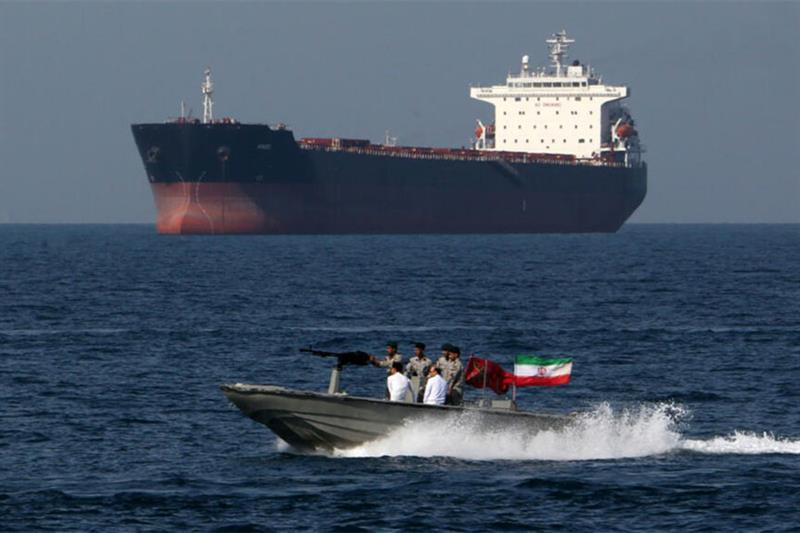
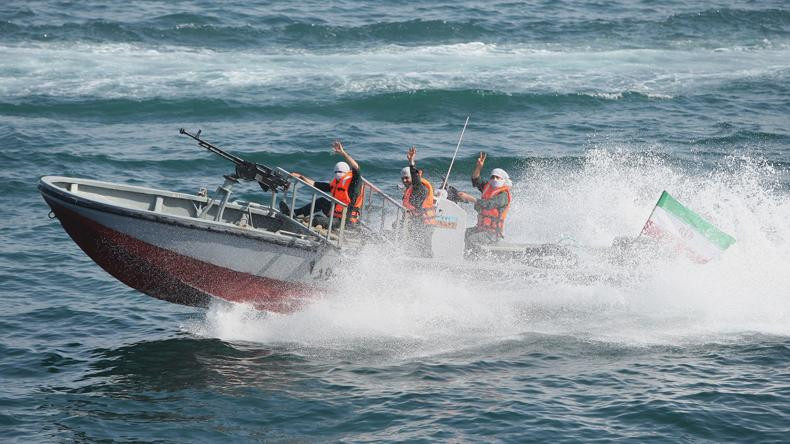
More importantly, Iran wants to be recognized as a player in shaping the security structure in the Gulf and the Middle East. Furthermore, Tehran seeks assurances that there will be no external attempts to change or overthrow the current regime.
In short, Hormuz is more than just a maritime story. It is a tool for Iran to seek long-term political and security standing in the region.
PV:Washington has repeatedly asserted that freedom of navigation in the Strait of Hormuz is an uncompromising interest. If Iran succeeds in using Hormuz as leverage, what would the U.S. be most concerned about?
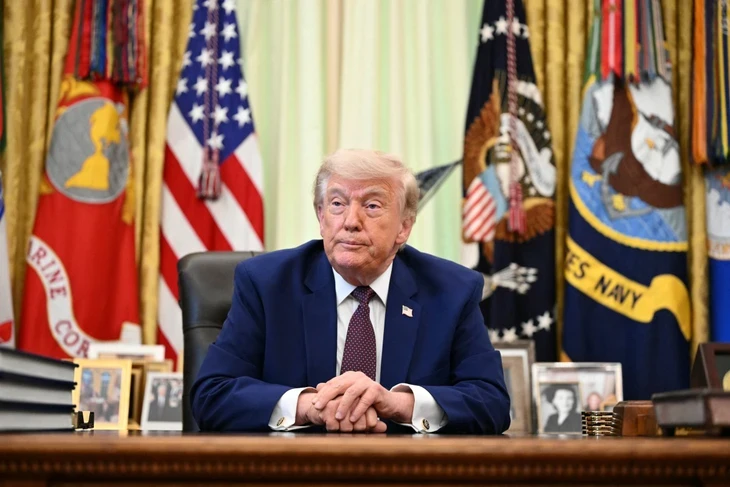
Journalist Pham Phu Phuc:The first concern of the US is the creation of a new precedent in international relations: a nation that could turn strategic shipping lanes into a tool for political bargaining.
Secondly, this contradicts the principle of freedom of navigation that the U.S. has pursued for decades. If a nation has the ability to completely control an international shipping lane, the risk of disruption to global trade will always be present.
The U.S. is also concerned that the ripple effect could spread to other strategic choke points around the world, from the Strait of Malacca to the Strait of Taiwan.
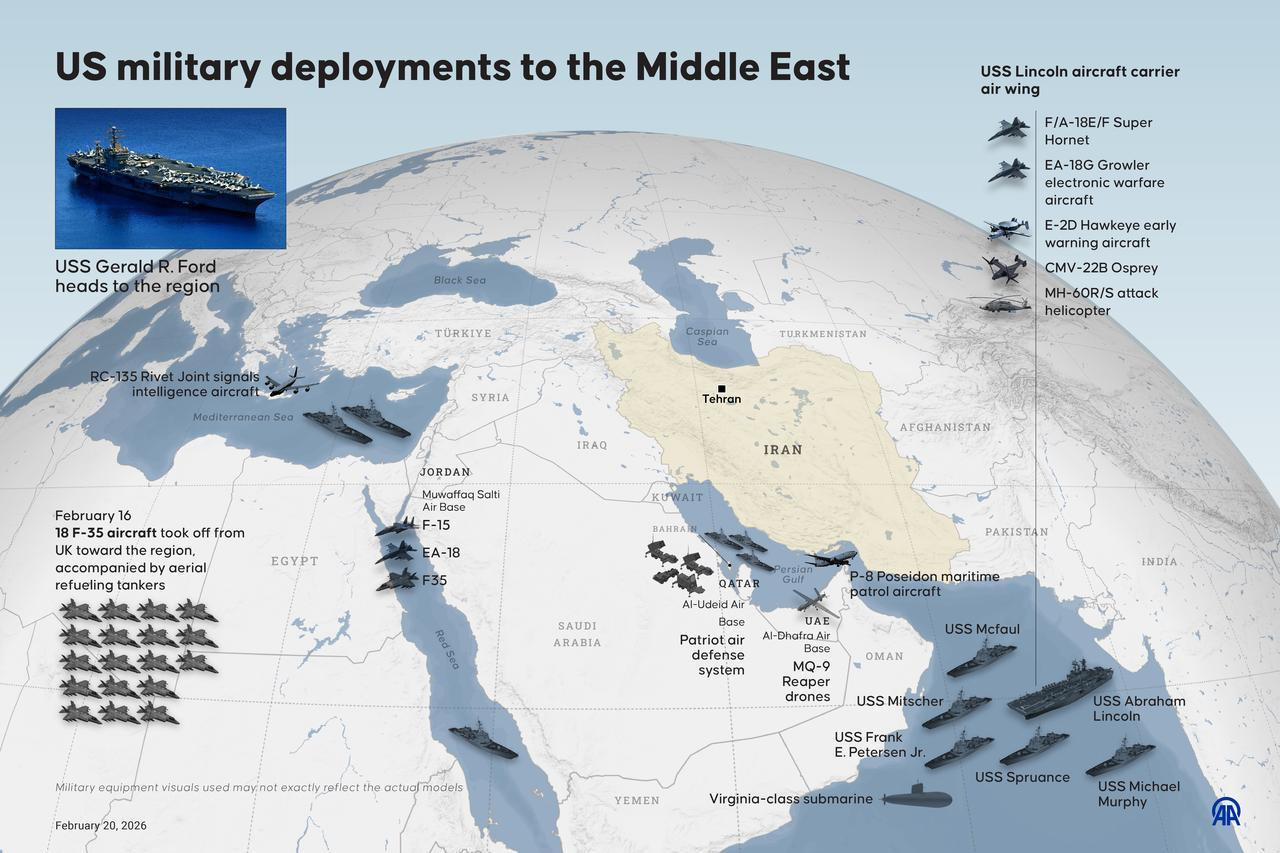
Furthermore, if Iran gains a dominant position in Hormuz, Tehran will have an enhanced role in the regional security structure, while also consolidating its influence over US allies in the Middle East, particularly Israel.
PV:The reality shows us that using the Hormuz as a tool of pressure has also come at a price for Iran. In your opinion, what are the limits of this tactic?
Journalist Pham Phu Phuc:Iran cannot blockade Hormuz indefinitely. Revenue from oil and gas remains crucial to the Iranian economy. A prolonged disruption to exports would cause significant losses for Tehran. Furthermore, Iran cannot exist in complete isolation from the world. It still needs to maintain relationships with its partners and allies.
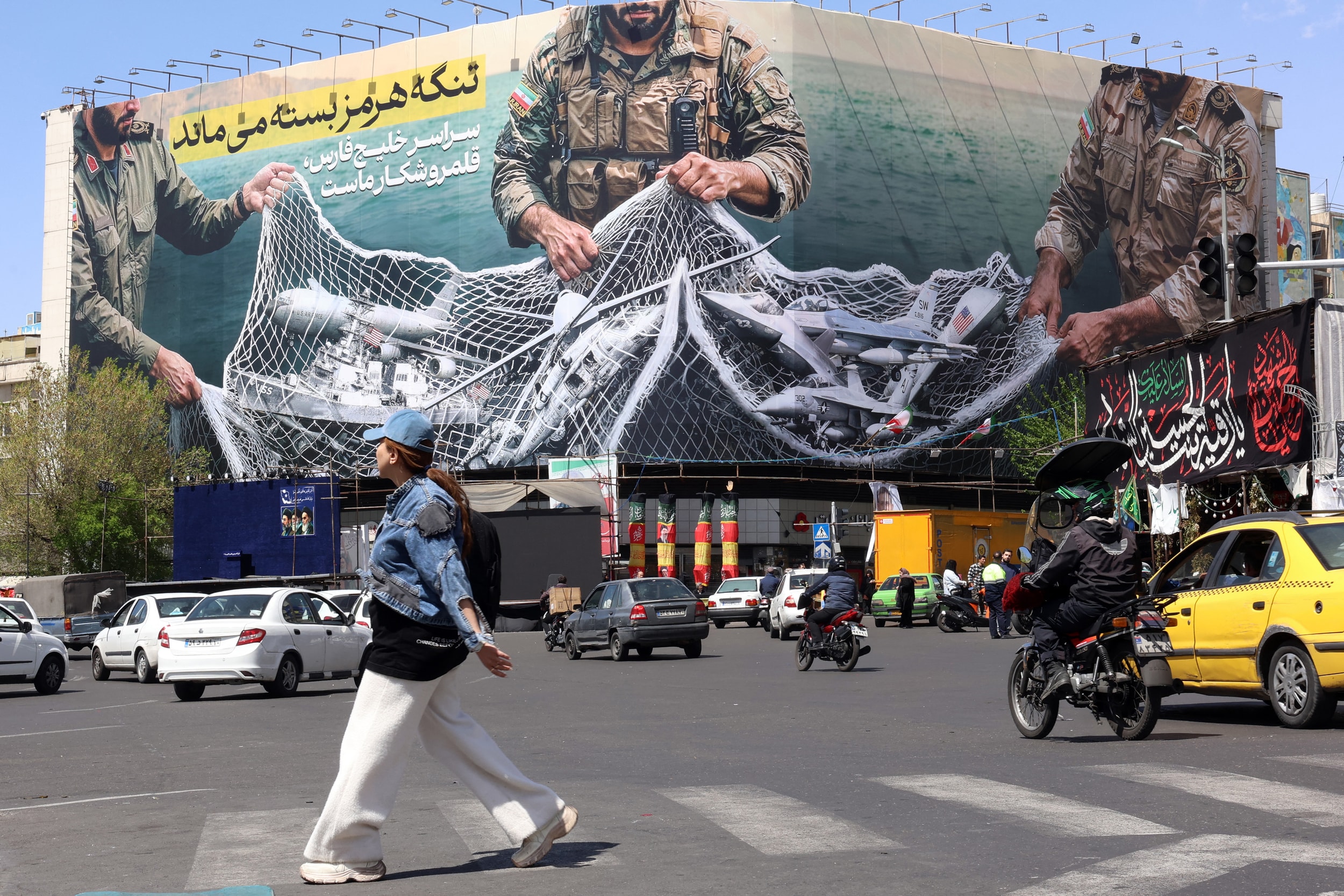
Another factor is that if the Hormuz is repeatedly disrupted, countries will seek to build alternative shipping routes. In that case, the strategic advantage that Iran currently possesses could be significantly diminished.
Therefore, Tehran needs Hormuz as a negotiating leverage point, but it cannot afford to use this card to the point of losing its own value.
PV:According to him, what is it that Iran truly wants to be recognized for through the Hormuz narrative?
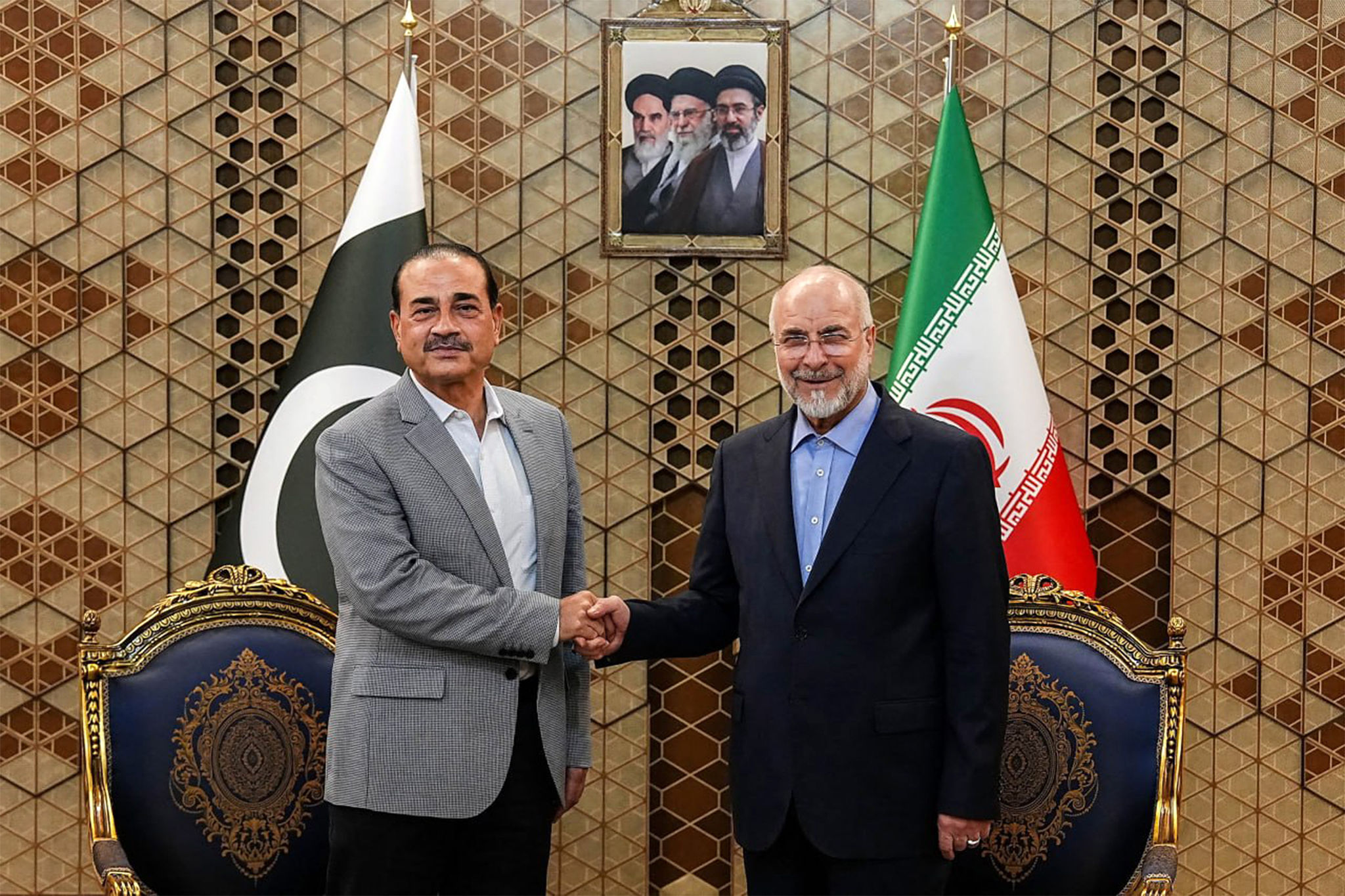
Journalist Pham Phu Phuc:Hormuz reflects Tehran's larger ambitions for regional influence. Iran wants to be seen not just as a country controlling a vital shipping lane, but as a center of power with the right to participate in shaping the order and security of the Middle East.
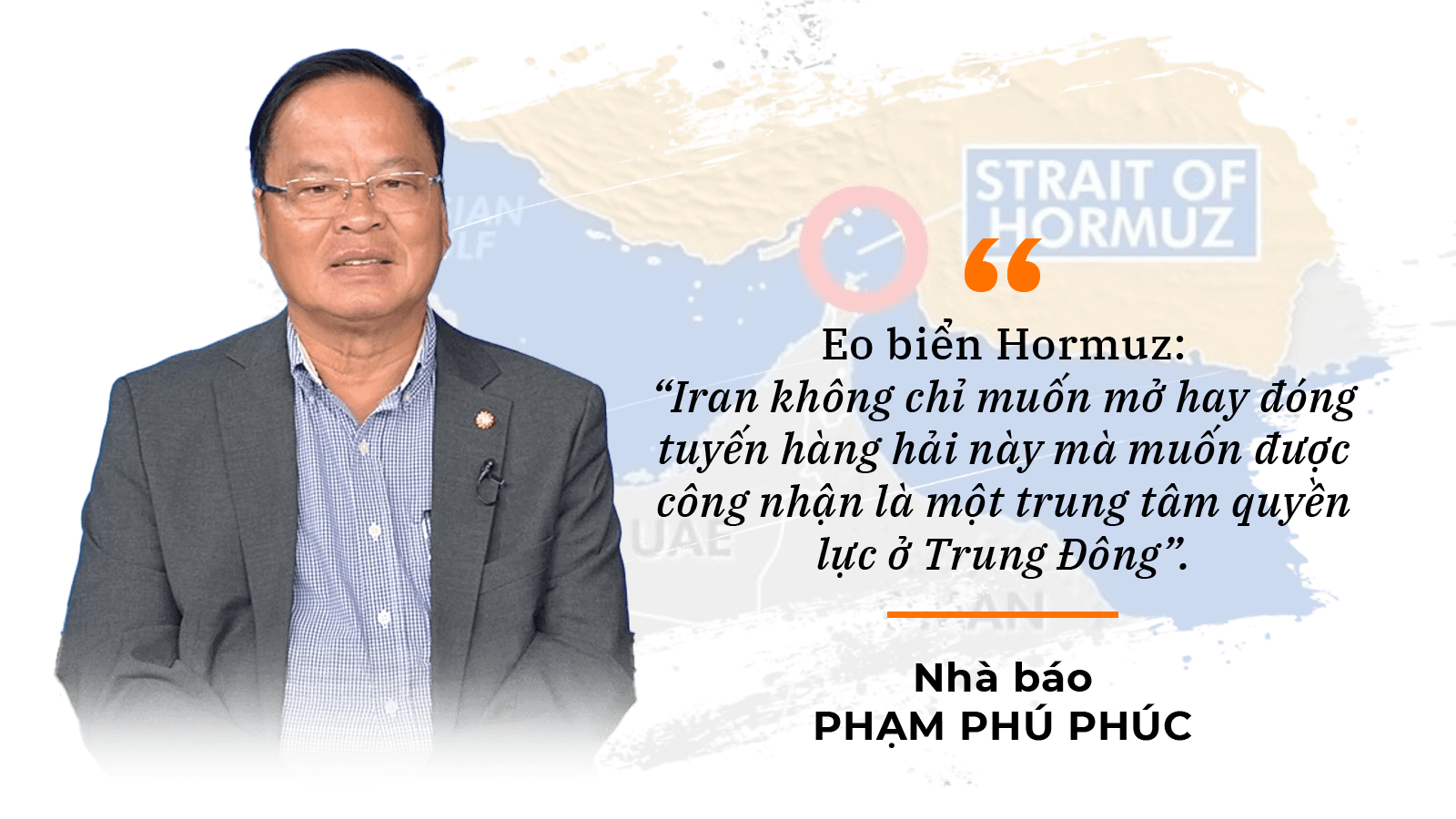
In other words, what Tehran is pursuing is not simply the right to open or close Hormuz. They want to be recognized as a regional power, with a voice in the security, political, and economic affairs of the Middle East.
That is the long-term strategic goal that Iran is seeking to achieve through the Hormuz card.
PV:Thank you, journalist Pham Phu Phuc, for taking the time to participate in this interview with Nghe An Newspaper and Radio & Television.