
The EU announces a strategy to reduce electricity taxes to respond to the energy shock.
The European Commission plans to cut electricity taxes to 0% and boost gas stockpiles to stabilize the market amid pressure from the conflict in the Middle East.
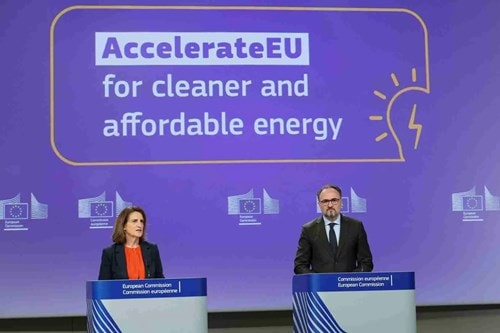
On April 22, the European Commission (EU) officially announced a new strategy to mitigate the impact of energy shocks, focusing on cutting electricity taxes and increasing gas reserves during the summer. This plan comes amid rising geopolitical risks threatening the stability of the bloc's fuel market.
Prioritize tax cuts and protection for vulnerable households.
According to the newly announced strategy, the EU will avoid direct and aggressive market interventions such as gas price caps or taxes on the profits of energy companies. This is a shift from the crisis period of 2022 when Russia cut off gas supplies, causing fuel prices to skyrocket to record highs.
The focus of this plan is to amend regulations to ensure that electricity taxes are lower than gas taxes. The EU intends to facilitate member states in reducing electricity taxes to 0% for vulnerable industries and households. Specific legal proposals for amending the tax regulations are expected to be published in May 2025. However, adoption requires the consensus of all member states, a process predicted to face significant political hurdles.
Pressure from Middle East conflicts and supply risks.
EU Energy Commissioner Dan Jorgensen stated that the damage to gas infrastructure caused by the Iran-related conflict in the Middle East will keep energy prices high for the next few years. Even in the most optimistic scenario, where the conflict ends soon, the market still faces long-lasting consequences.
Europe's reliance on oil and gas imports makes it particularly vulnerable to price fluctuations, especially when the Strait of Hormuz – a vital fuel shipping route – is disrupted. In fact, gas prices in Europe have risen by about a third since the conflict between the US, Israel, and Iran escalated on February 28th.
Although current gas prices remain significantly lower than their 2022 peak and there has been no shortage thanks to stable supplies from the US and Norway, the EU remains cautious. The bloc will coordinate with member states to replenish gas reserves in the coming months to avoid a sudden surge in prices due to a surge in demand from businesses.
Strengthening domestic capacity through clean energy
In the long term, the EU remains committed to accelerating the process of reducing dependence on imported gas by developing renewable energy and domestic nuclear power. Experts consider this a fundamental solution to mitigate the risks from future oil and gas supply shocks.
Data from the Ember research organization shows positive signs in the power generation structure. It is projected that by 2025, approximately 71% of the EU's electricity production will come from renewable and nuclear power, a significant increase from 60% in 2022. The increasing share of clean energy has helped to curb the rise in electricity prices during recent market volatility, although prices remain under some pressure from fossil fuel prices.
Table: Share of clean energy in EU electricity production
| Year | The share of clean energy (Renewable & Nuclear) | Note |
|---|---|---|
| 2022 | 60% | The time of supply crisis from Russia. |
| 2025 (Forecast) | 71% | Thanks to increased investment and green transformation. |
In addition, the EU is studying measures to maximize capacity at domestic refineries and considering mandatory jet fuel reserves to prevent shortages. While not ruling out stronger intervention measures in the future, the EU affirms that national budget support and tax adjustments remain the top priority options at present.


