
The EU resumed accession negotiations with Ukraine on June 16.
The EU will resume accession negotiations with Ukraine from June 16 after Hungary lifted its veto, opening a new chapter in Kyiv's integration process.
The European Union (EU) announced on June 13 that it will reopen accession talks with Ukraine and Moldova starting June 16.
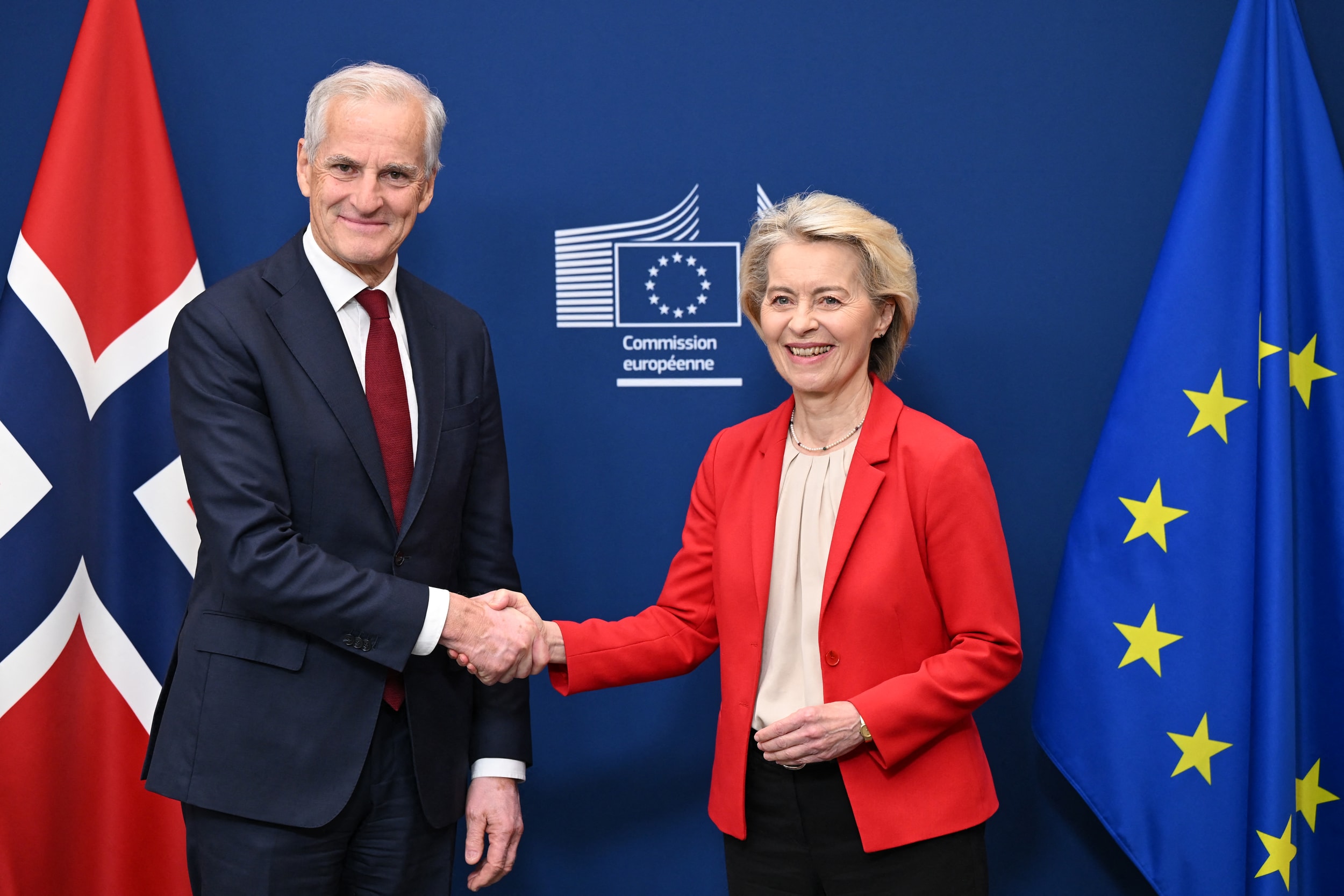
In a joint statement, European Council President Antonio Costa and European Commission President Ursula von der Leyen said that all member states had agreed to open the first round of negotiations with the two candidate countries.
The two leaders stressed that EU expansion is a strategic option in the context of a world facing numerous uncertainties.
Negotiations for accession with Ukraine have resumed.
The EU announcement came after Hungary's new government decided to withdraw its veto power over Ukraine's accession process.
Previously, former Prime Minister Viktor Orban repeatedly obstructed concrete progress in Kyiv's EU accession process. Orban held a stance against Ukraine joining the bloc and maintained close ties with Russia.
The new government of Prime Minister Peter Magyar has changed its stance after reaching an agreement with Ukraine regarding the rights of the Hungarian minority community.
Hungary remains cautious about Ukraine joining the EU.
Despite lifting his veto power, Prime Minister Peter Magyar affirmed that Hungary does not support accelerating the process of Ukraine's accession.
He argued that the process of joining the EU is a long and complex one. According to the Hungarian leader, Budapest will hold a referendum if Ukraine completes all 33 chapters of negotiations within the next 10 to 15 years.
He also cited the case of Montenegro. This country began negotiations to join the EU in 2012 but has yet to become a full member.
Ukraine and Moldova receive positive signals from the EU.
Ukrainian President Volodymyr Zelensky welcomed the EU's decision.
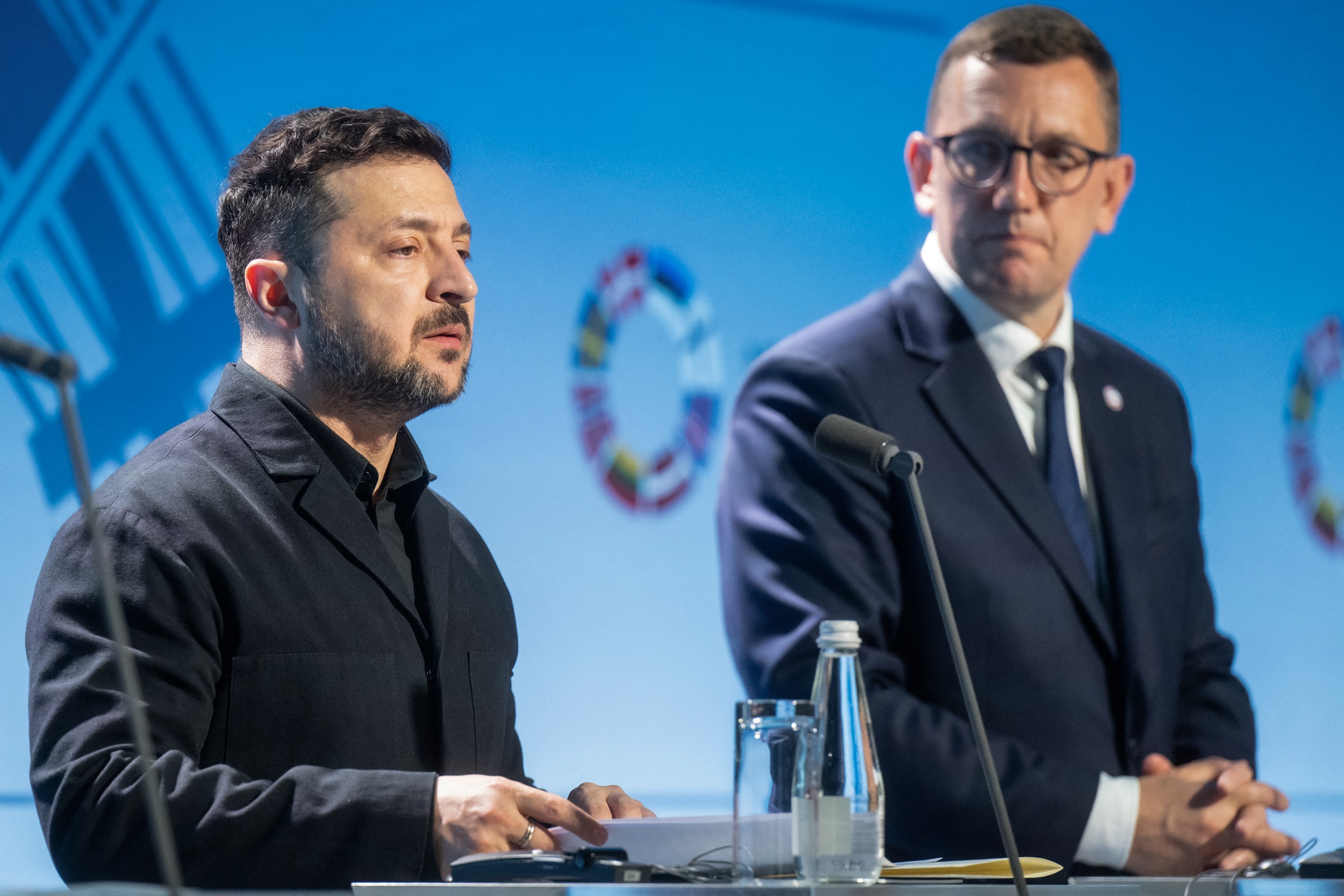
He argued that this was crucial political and moral support for Ukraine as the country continues to face conflict.
Meanwhile, Moldovan President Maia Sandu asserted that her country had completed many necessary reforms and was ready to open all avenues for accession negotiations.
According to the plan, the first round of negotiations will focus on the "fundamental principles" group of issues. This group includes criteria for the rule of law, institutional reform, and public governance – fundamental conditions for becoming an EU member.


