
EU accelerates membership expansion: A strategic move
The European Union (EU) could admit new members by 2030 – this is a very noteworthy statement by the European Commission at the recent EU Extended Summit in Brussels, Belgium. This statement reveals Europe's deep strategic calculations in the context of increasingly fierce global geopolitical competition.
Strategic calculationsof the EU
The European Commission's announcement of the possibility of admitting new members by 2030 marks a significant turning point in the European Union's strategic thinking. After nearly two decades of stalled expansion since the 2013 wave with Croatia, Brussels appears ready for a new phase of integration – deeper, faster, but also more cautious. In a rapidly changing geopolitical landscape, particularly following the Russia-Ukraine conflict, expansion is not only politically significant but also a defensive option. The EU understands that an institutionally unified Europe is far stronger than a fragmented continent.
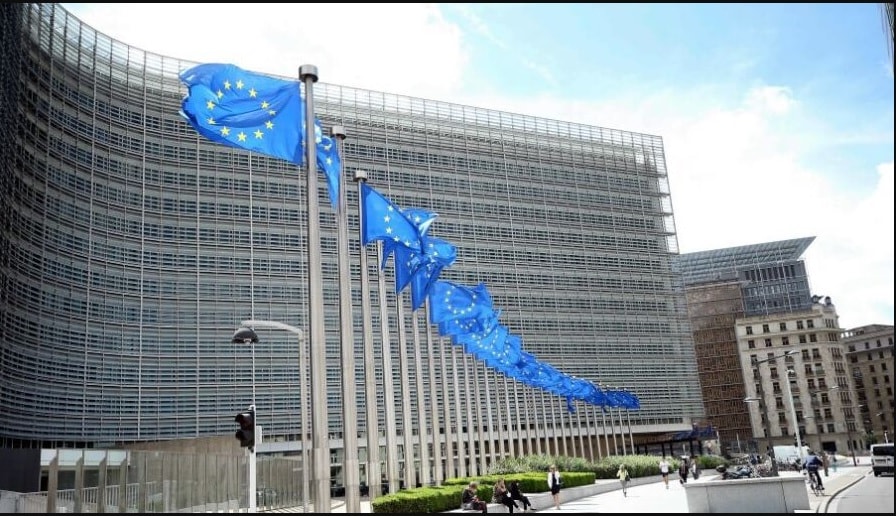
Following Russia's special military operation in Ukraine in 2022, Balkan and Eastern European countries recognized more than ever the urgency of European integration. For Brussels, this was also an opportunity to strengthen the "stability belt" around its eastern border – where instability could spread further inland. The European Commission therefore included 10 countries – Montenegro, Albania, Ukraine, Moldova, Serbia, North Macedonia, Bosnia & Herzegovina, Kosovo, Turkey, and Georgia – on its list of key partners. Montenegro and Albania were considered to have made outstanding progress, while Serbia and Georgia were seen as lagging behind, or even regressing, in democratic reforms. This EU expansion strategy was not simply about opening its doors to new members, but a process with strict conditions. The EU emphasizes the principle of “achievement-based accession”—meaning that only countries that meet the standards of the rule of law, democracy, and administrative capacity will be promoted to membership. This approach aims to avoid repeating past mistakes, where some new members joined but then tended to deviate from the Union’s fundamental values. To ensure this, a “probation period” for new countries was proposed at the conference. Under this, new members could have their membership suspended if they seriously violate the EU’s democratic or rule-of-law principles.
In fact, membership expansion is a test of the EU's leadership and attractiveness in the context of global competition for influence. While China is increasing its presence in the Balkans through infrastructure investment, and Russia maintains its political influence in Serbia, the EU's clear signal of expansion demonstrates that the Union remains a central power shaping the European order. Along with this, massive financial support packages such as the €6 billion Growth Plan for the Western Balkans, €1.9 billion for Moldova, and €50 billion for Ukraine are being implemented not only to support economic development but also to strengthen the political ties between candidate states and the EU. European leaders themselves acknowledge that expansion is not just a matter of countries wanting to join, but also an opportunity for the EU to demonstrate its adaptability in the new era. EC President Ursula von der Leyen affirmed that each expansion makes the Union stronger if the EU both expands in size and strengthens its core values.
Thus, the new wave of expansion is becoming a dual strategy for the EU – both strengthening its internal power and expanding its influence externally. However, behind this confidence lie numerous challenges: political divisions, reservations from some member states, and the major question of the ability to accommodate new members in an already complex Union. This is the context for Ukraine's particular ambition – a country that wants to join the EU even earlier than planned.
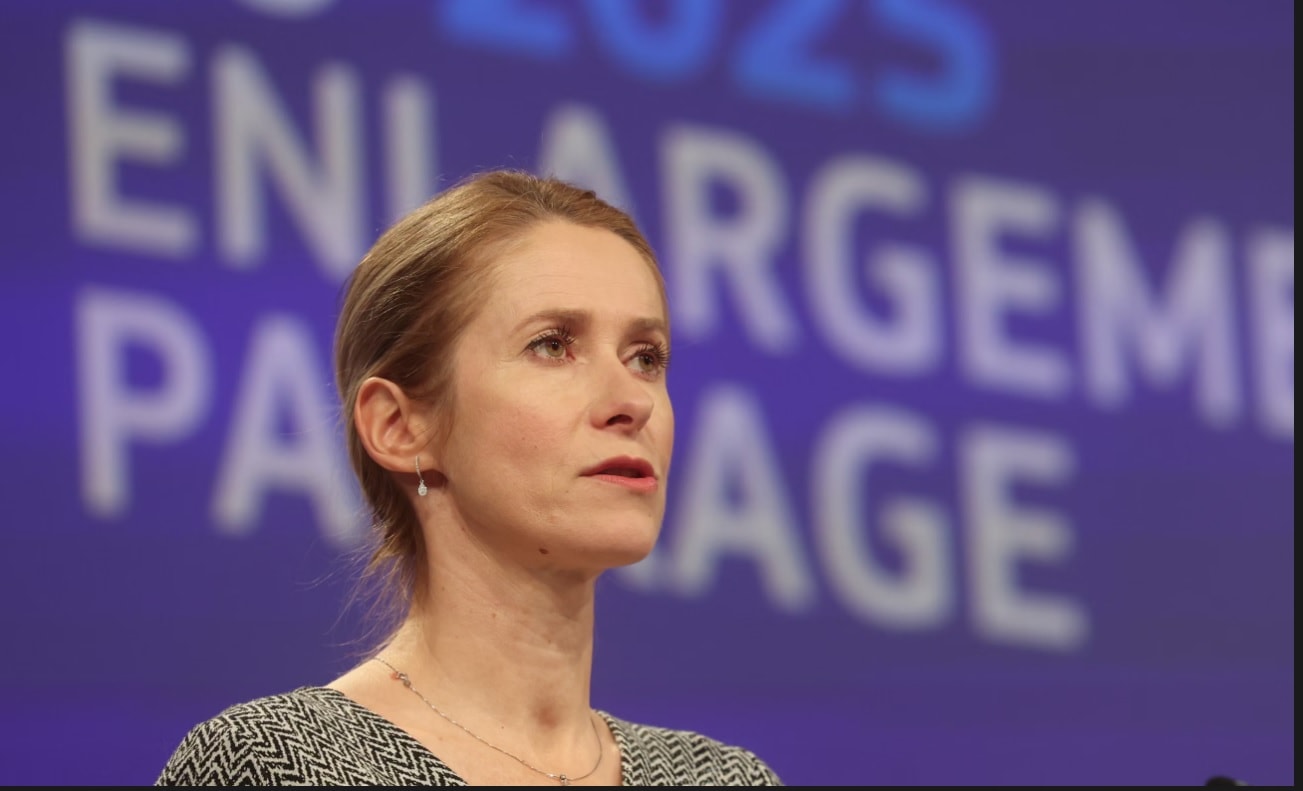
Ukraine's ambitions
Ukraine is the most frequently mentioned country in the European Commission's 2025 membership expansion report. From a strategic perspective, Ukraine's accession to the EU has immense security implications. A deeply integrated Ukraine would become a geopolitical shield, strengthening the security of the entire eastern flank of the EU. Despite the ongoing conflict with Russia, Ukraine has demonstrated a strong determination to reform, integrate, and move closer to EU membership. President Volodymyr Zelenskyy considers joining the Union before 2030 a strategic goal, not only economically, but also politically and in terms of security. In its annual report, the EU assessed Ukraine as having made "significant progress" in governance, transparency, and combating corruption. However, the EU emphasized that Ukraine needs to continue strengthening the rule of law, ensuring the independence of the judiciary, and maintaining sustainable administrative reforms.
The biggest challenge facing Ukraine today is maintaining the pace of reforms amidst a prolonged conflict. Furthermore, Ukraine faces institutional obstacles. Any EU expansion decision requires the unanimous consent of all 27 member states – a feat that is currently difficult to achieve. Hungary remains strongly opposed to opening additional negotiating clusters with Ukraine, causing repeated delays in the process. To overcome this obstacle, the EC is considering more flexible measures, such as separating the processes of Moldova and Ukraine or using a conditional majority vote mechanism.
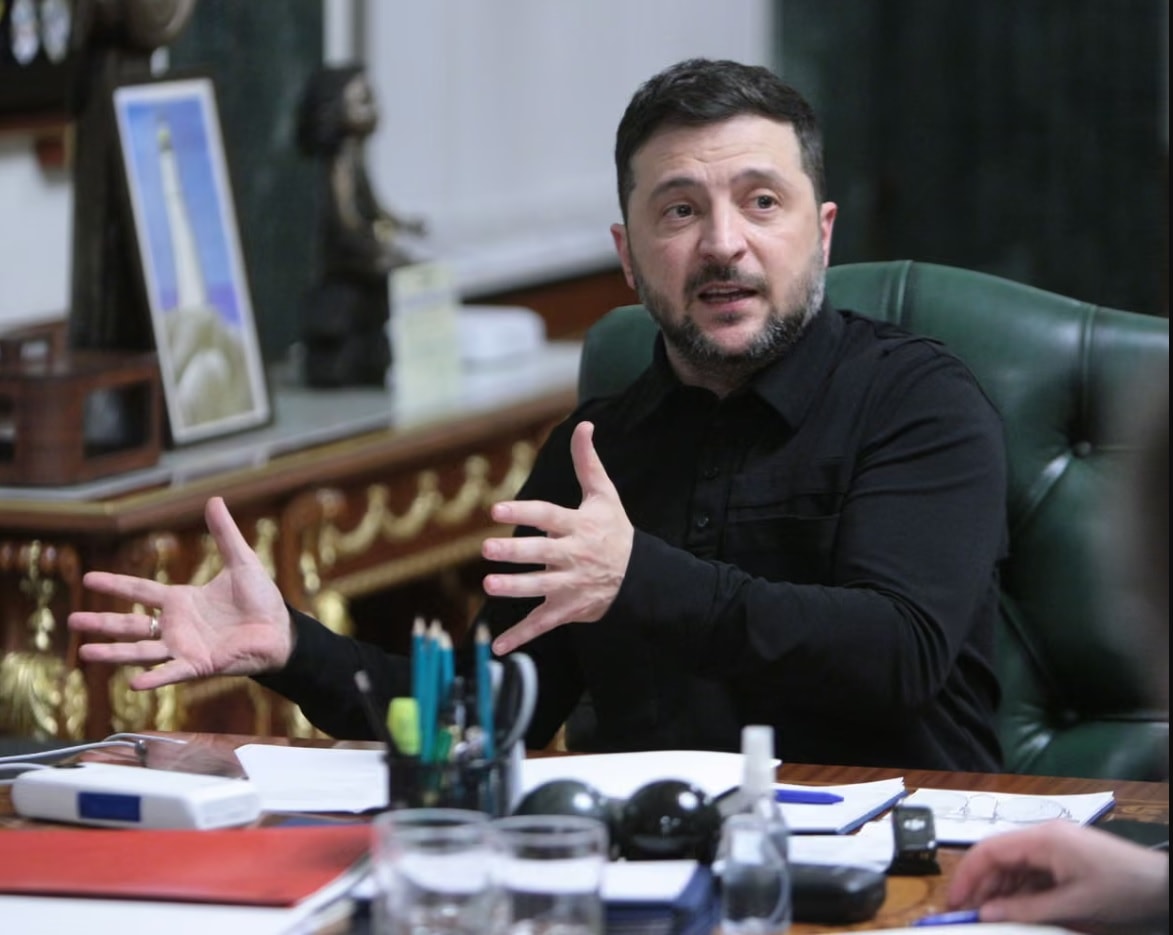
Nevertheless, experts still believe that Ukraine's goal of joining before 2030 is more symbolic than feasible. Even in an optimistic scenario, negotiations could last at least until 2028, while ratification by national parliaments usually takes several more years. Without strong reforms on both sides – the EU and Ukraine – the 2030 deadline will be difficult to achieve. The important thing behind the EU's recently announced plan is that this process has created new political momentum for Europe. By setting a specific deadline, the EU sends the message that the door is open – provided the candidates are determined enough. For Ukraine, that promise is a great source of encouragement, helping to maintain confidence and the will for reform amidst the ongoing conflict with Russia.
The European Union's goal of admitting new members by 2030 is evidence of its ambition to reshape the power map of the "old continent." This wave of expansion is not only a test for candidates like Ukraine, Moldova, or Albania, but also a test for the EU itself – to see if the Union has the capacity to both expand in size and maintain its effectiveness. If successful, Europe will enter a new era: a Union of more than 30 countries, stretching from the Atlantic to the Black Sea, becoming a more powerful superpower with a stronger voice in the world order. But if it fails, the EU risks self-destruction, as member states disagree on the pace and scope of integration.


