
The EU declares the Russia-Ukraine grain deal 'dead'.
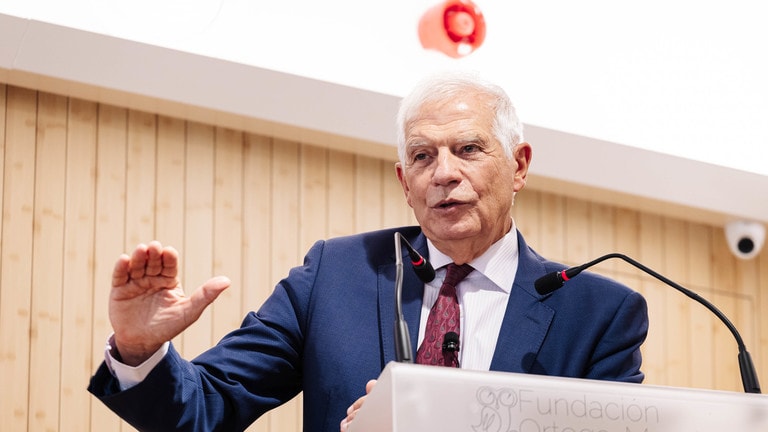
(Baonghean.vn) - EU's top diplomat, Josep Borrell, stated that the Black Sea Grain Initiative cannot be revived because Russia is unwilling to return to the agreement.
Moscow withdrew from the agreement in July, accusing the West of hindering its full implementation.
Speaking at a press conference in New York, Borrell rejected Russia's demand to lift restrictions on its exports of agricultural products and fertilizers, emphasizing that EU sanctions do not affect shipments in these areas. “Don’t look for excuses, don’t look for false arguments,” instead, Russia must “stop destroying Ukraine’s infrastructure” and allow Ukrainian grain exports, Borrell stated.
A senior EU official concluded: "It seems there is no possibility of reaching an agreement (with Russia), because I truly believe they don't want an agreement."
Russia insists it will not abandon its conditions for restoring the grain agreement. The agreement, brokered last year by the United Nations and Türkiye, aimed to facilitate the export of Ukrainian grain to world markets, particularly to poorer countries, in exchange for the lifting of Western sanctions that hampered Russian agricultural exports. However, Russia maintains that the West continues to prevent it from exporting food and fertilizers. One of Moscow's key demands is that the state-owned agricultural bank Rosselkhozbank be granted access to the SWIFT system.
Earlier this month, UN Secretary-General Antonio Guterres proposed granting Rosselkhozbank's Luxembourg branch access to SWIFT, as well as suggesting a UN-co-funded insurance mechanism for Russian food and fertilizer exports. However, the Kremlin rejected the proposal. Russian President Vladimir Putin's spokesman, Dmitry Peskov, stressed that "the agreements must grant SWIFT access to Rosselkhozbank itself in Russia, not to its branch."
Peskov added that Moscow is ready to return to the Black Sea Grains Initiative only when all conditions are met, emphasizing that “they don’t need any distortion or interpretation. The conditions are perfectly clear and all of this is completely realistic.” The Russian Foreign Ministry also expressed skepticism about the UN proposal, describing it as empty promises similar to those previously made to Moscow.


