
Did the F-35 get a new engine to become a 6th-generation fighter jet?
Pratt & Whitney announced it will upgrade the F135 engine for the F-35 fighter jet, bringing the F-35 closer to the sixth generation after the upgrade.
Pratt & Whitney has announced an upgrade to the F135 engine for the fifth-generation F-35 fighter jet.
A company representative stated that equipping the F-35 with this new engine enhances its maneuverability and stealth capabilities.
|
| The American F-35, a fighter jet with many strengths but also many flaws. |
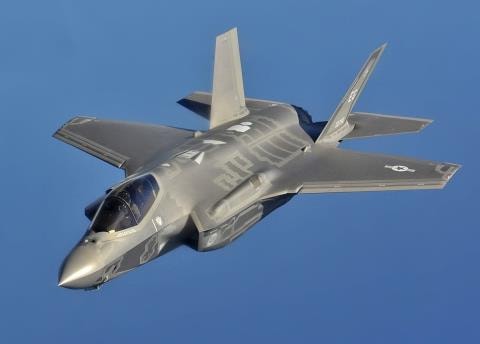
This project, known as GO2, is a follow-up to the GO1 project aimed at enhancing the combat capabilities of the US armed forces, according to Aviation Week.
While the GO1 project aimed to reduce engine fuel consumption by 5% and increase main engine thrust by 10%, GO2 claims its capabilities will be further enhanced, bringing it closer to a sixth-generation fighter aircraft.
The prototype of this engine type is the F135 XTE68/LF, introduced by Pratt & Whitney in 2013, and over the next five years they received an additional $1 billion to refine it.
According to the plan, the GO2 project will begin in 2021. Representatives of this military and civilian aircraft engine manufacturer affirm that, with Pratt & Whitney's current technology, the new engine will meet the requirements of 6th-generation fighter aircraft.
According to Bromberg, the manufacturer of the F-35, Lockheed Martin will not make any changes to the basic structure of the aircraft. However, if the GO1/GO2 projects are successful, the Americans will continue to upgrade the "golden plane" into a sixth-generation fighter jet.
This information is indeed a positive sign for the F-35 project. In fact, this US project has been constantly criticized. Representatives of the US military, including Deputy Secretary of Defense Patrick Shanahan, have repeatedly criticized it, arguing that despite the F-35's numerous problems, the fighter jet has seen no significant innovation since 2014.
The U.S. Air Force is even considering canceling its order for 590 F-35s, as the aircraft is too expensive to operate and maintain, and is also considered unsafe. In total, the U.S. Air Force has identified 966 technical flaws and shortcomings in the F-35, a number that has particularly worried aviation experts.
For those who support Lockheed Martin, they find every way to justify this project. For example, they argue that developing a new generation fighter jet requires going through many tests to perfect it.
They even said that the development of the F-35 is replicating the development process of the second-generation F-5 Freedom Fighter, which later became the basis for the development of third and fourth-generation aircraft. Therefore, the development of the F-35 has a promising future.
However, some experts argue that upgrading an aircraft that is not yet combat-ready in this generation into a fighter jet in the next generation would likely not achieve the desired combat capabilities.
Instead of aiming to create a sixth-generation fighter jet, the Americans should focus on perfecting the combat capabilities of their fifth-generation fighter jets.


