
G7 agrees to release 100 million barrels of oil from storage.
The G7 countries agreed to release 100 million barrels of crude oil and diesel from their reserves over four months, aiming to ease supply pressures and cool down sharply rising fuel prices on the global market.
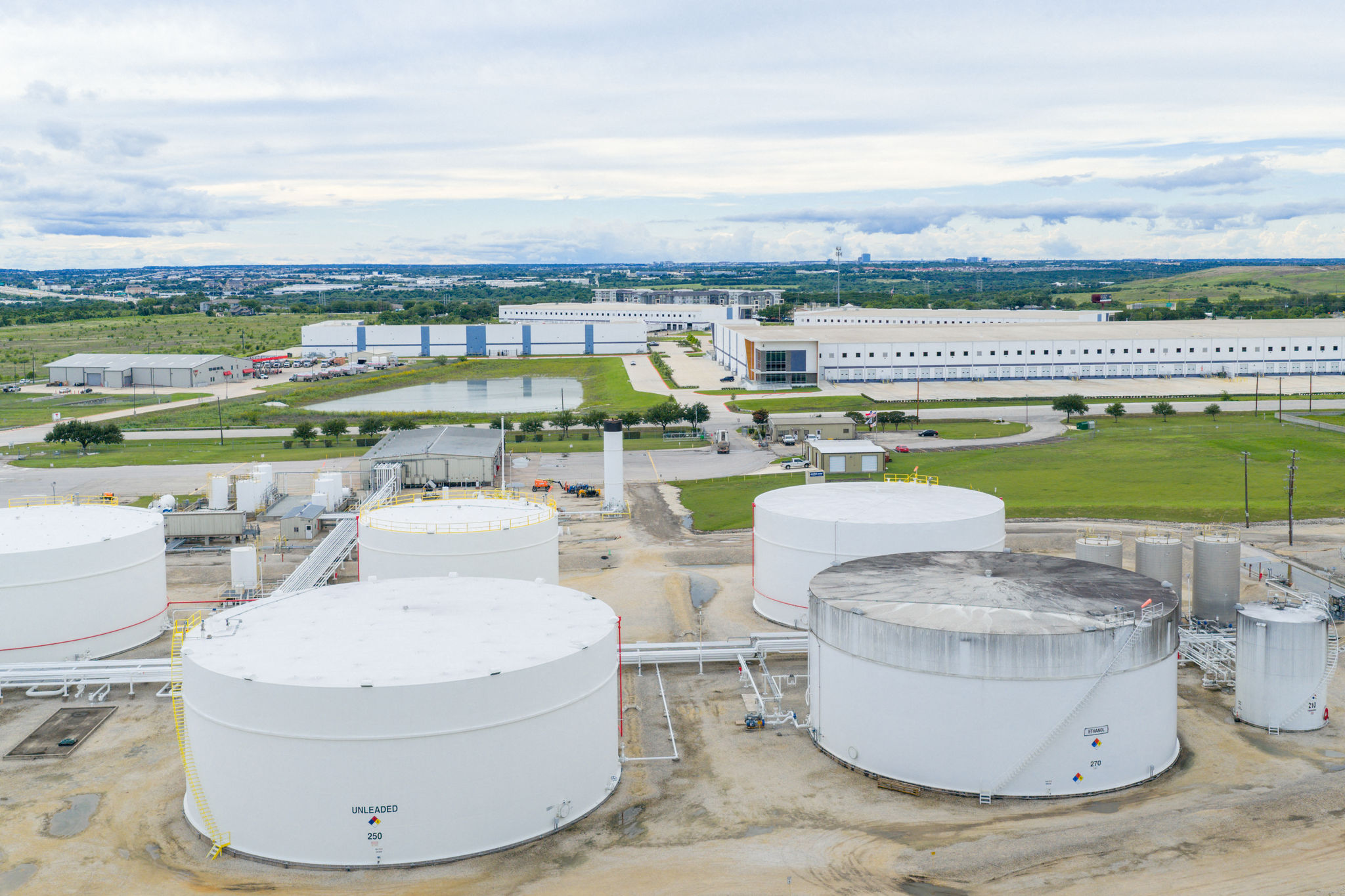
The agreement was reached after a virtual meeting of G7 leaders chaired by French President Emmanuel Macron. The meeting took place following an exchange between Macron and US President Donald Trump, amid increasing pressure from Washington for European countries to release their strategic oil reserves.
According to a statement released by the French President's office, the release of crude oil and diesel from reserves will begin immediately and last for four months through a coordinated mechanism of the International Energy Agency (IEA). A significant amount of diesel will be released onto the market in the first 20 days to quickly replenish supplies.
G7 leaders also pledged not to impose restrictions on the export of energy and energy products between member countries. The group also urged producers to avoid export bans that could increase tensions in the market.
US President Donald Trump welcomed the decision and confirmed that the US would not impose a ban on diesel exports. He praised European countries for contributing large amounts of fuel from their reserves to help stabilize the common market.
Prior to the G7 meeting, President Trump had mentioned the possibility of the US banning diesel exports to prioritize domestic supply. Treasury Secretary Scott Bessent and Energy Secretary Chris Wright also urged European nations to share the burden of the global fuel shortage instead of leaving only American farmers, truck drivers, and businesses to bear the brunt of it.
The European Union has strongly opposed the idea of restricting oil exports, arguing that such a move could further exacerbate supply constraints on international markets.
Fuel prices are under pressure.
The G7 meeting is taking place against the backdrop of the US-Israel conflict with Iran, which has caused energy prices to skyrocket, putting significant pressure on the Trump administration ahead of the midterm congressional elections in November.
Diesel prices in the US and Europe have risen to record highs in recent weeks. In the eurozone, a sharp increase in energy prices in September contributed to inflation rising to 3.8%, the highest in three years. According to the American Automobile Association, the average price of diesel in the US has increased by more than 70%, to $6.39 per gallon, since the Middle East conflict erupted in late February.
The imposition of fuel export restrictions by Russia, one of the world's largest oil producers, following Ukrainian attacks on fuel facilities, also contributed to pressure on the global market.
Last March, 32 IEA members agreed to release 400 million barrels of oil from their reserves, marking the largest release ever. However, IEA Executive Director Fatih Birol said that about one-third of the oil in this plan has yet to be released to the market. The IEA may also conduct further reserve releases, as approximately 80% of the total oil in its reserves remains unused.
In their joint statement, G7 leaders also affirmed their commitment to maintaining sanctions against Russia, while working closely with the IEA and international partners to prevent further negative spillover effects on fuel and commodity markets.


