
Galaxy S27 Series: Samsung changes display controller chip to cope with soaring AI costs.
In order to optimize profit margins amidst rising memory prices, Samsung MX plans to switch to using display driver chips (DDI) from third-party partners for the Galaxy S27 series.
The Galaxy S27 series, expected to launch early next year, is becoming the focus of attention with significant upgrades in design and specifications. However, a crucial change in the component supply chain has just been revealed, showing Samsung's strategic move in the face of global economic pressures.
For many years, Samsung has maintained consistency by prioritizing the use of display driver ICs (DDIs) developed in-house by its System LSI division for its high-end smartphones. However, in the face of rising component costs, the company is considering ending this internal exclusivity for its 2027 flagship generation.
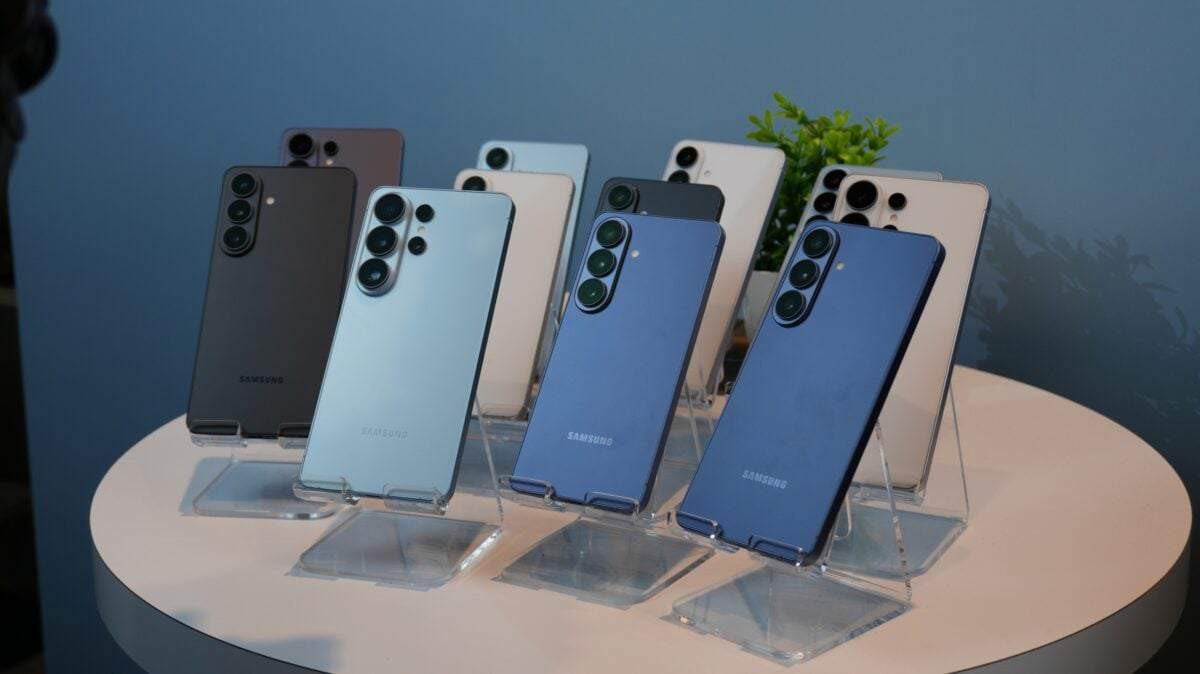
As the wave of AI pushes smartphone manufacturing costs to record levels.
Samsung's move to seek external suppliers comes amid a sharp rise in global memory prices. The explosion of artificial intelligence (AI) has created enormous demand for high-performance memory types such as DRAM, HBM, and NAND. As demand far exceeds supply, smartphone manufacturing costs are driven up, directly threatening the profit margins of original equipment manufacturers (OEMs).
To maintain competitive pricing without compromising user experience, Samsung MX (Mobile eXperience) had to optimize its supply chain. Diversifying its DDI chip supply sources not only reduced dependence on a single supplier but also created price competition among vendors.
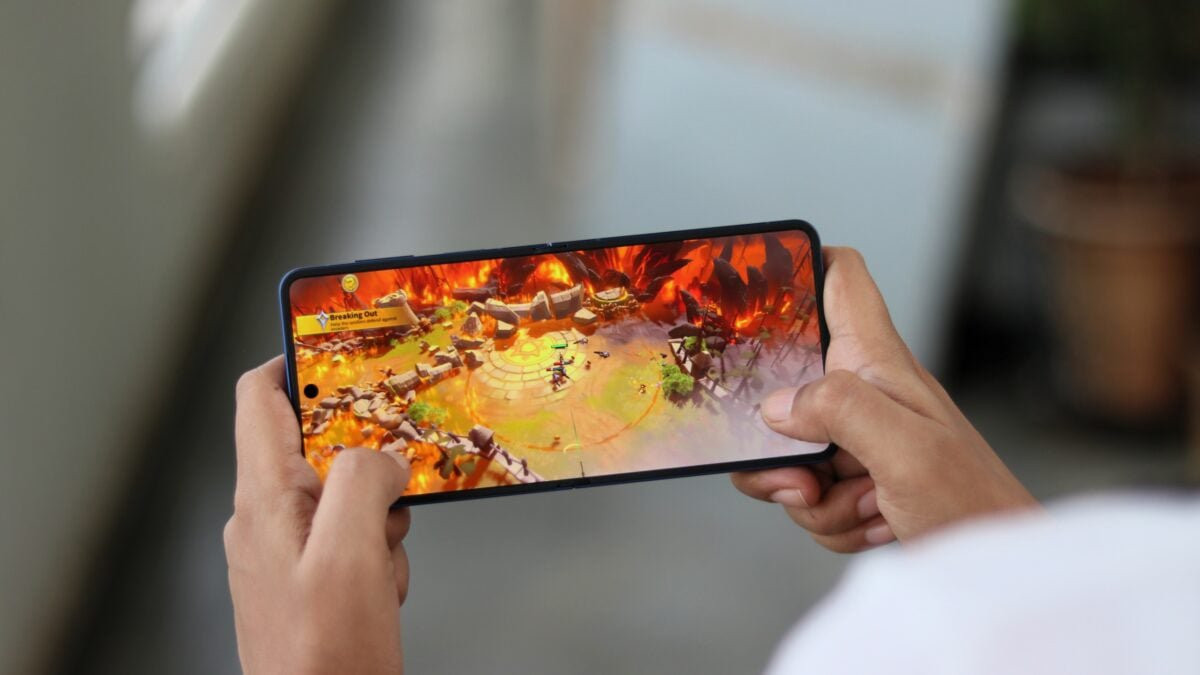
Component breakdown across Galaxy S27 variants
According to technical reports, the component change plan will be implemented in a phased and hierarchical manner across different versions of the product line. Specifically, the two standard versions, the Galaxy S27 and Galaxy S27+, are highly likely to switch to using DDI chips from third-party partners.
Meanwhile, the top-of-the-line versions, the Galaxy S27 Pro and Galaxy S27 Ultra, will most likely still be equipped with Samsung's own DDI (Digital Display Interface) solution developed by Samsung System LSI. This aims to ensure optimal performance and superior display quality for the flagship segment, where users have demanding requirements for color accuracy and refresh rate.
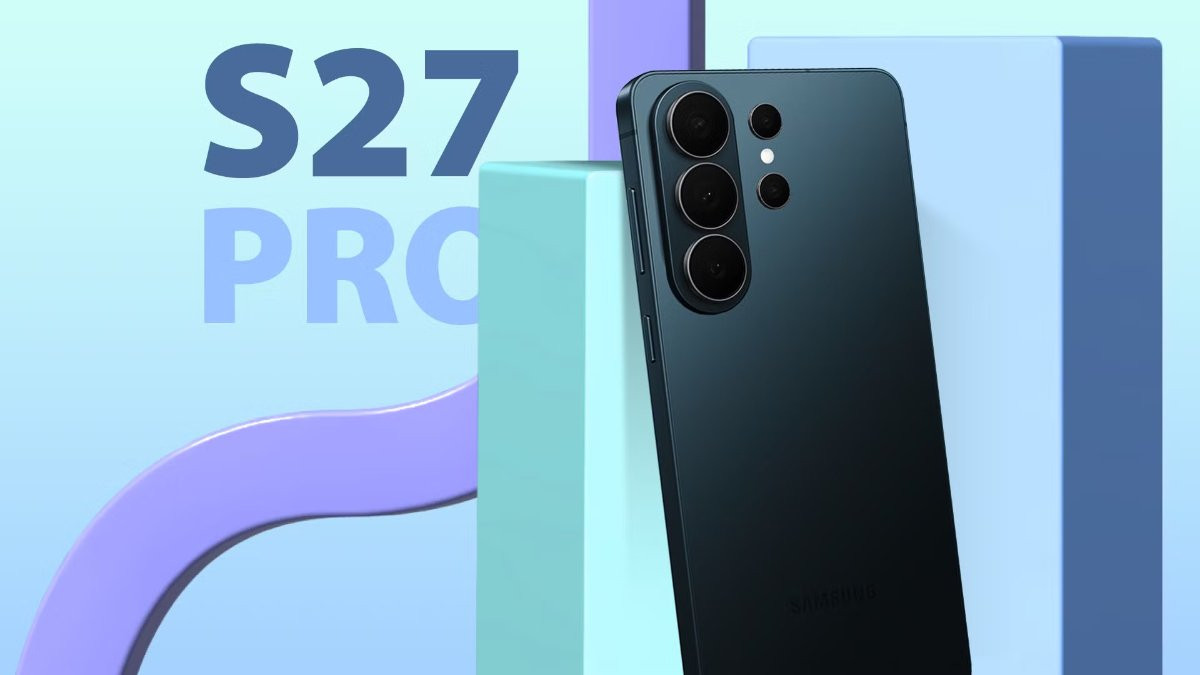
Potential candidates to join Samsung's supply chain.
Currently, Samsung is conducting a rigorous evaluation of display controller chip solutions from several reputable suppliers. The list of potential partners includes Anapass, DB Global Chip, Wonik D2I, and Novatek. Notably, with the exception of Novatek, which is based in Taiwan, the other three companies are all technology representatives from South Korea.
The final decision will be based on a balance between display quality, component stability, and cost-effectiveness. Expanding the supplier list is seen as a strategic move rather than a quality cut, giving Samsung more flexibility in coordinating production in the face of fluctuations in the global semiconductor market.
The Galaxy S27 series not only represents new technological prowess but also demonstrates a shift in Samsung's operational mindset, as the company is ready to break down traditional barriers to adapt to the challenging era of AI.


