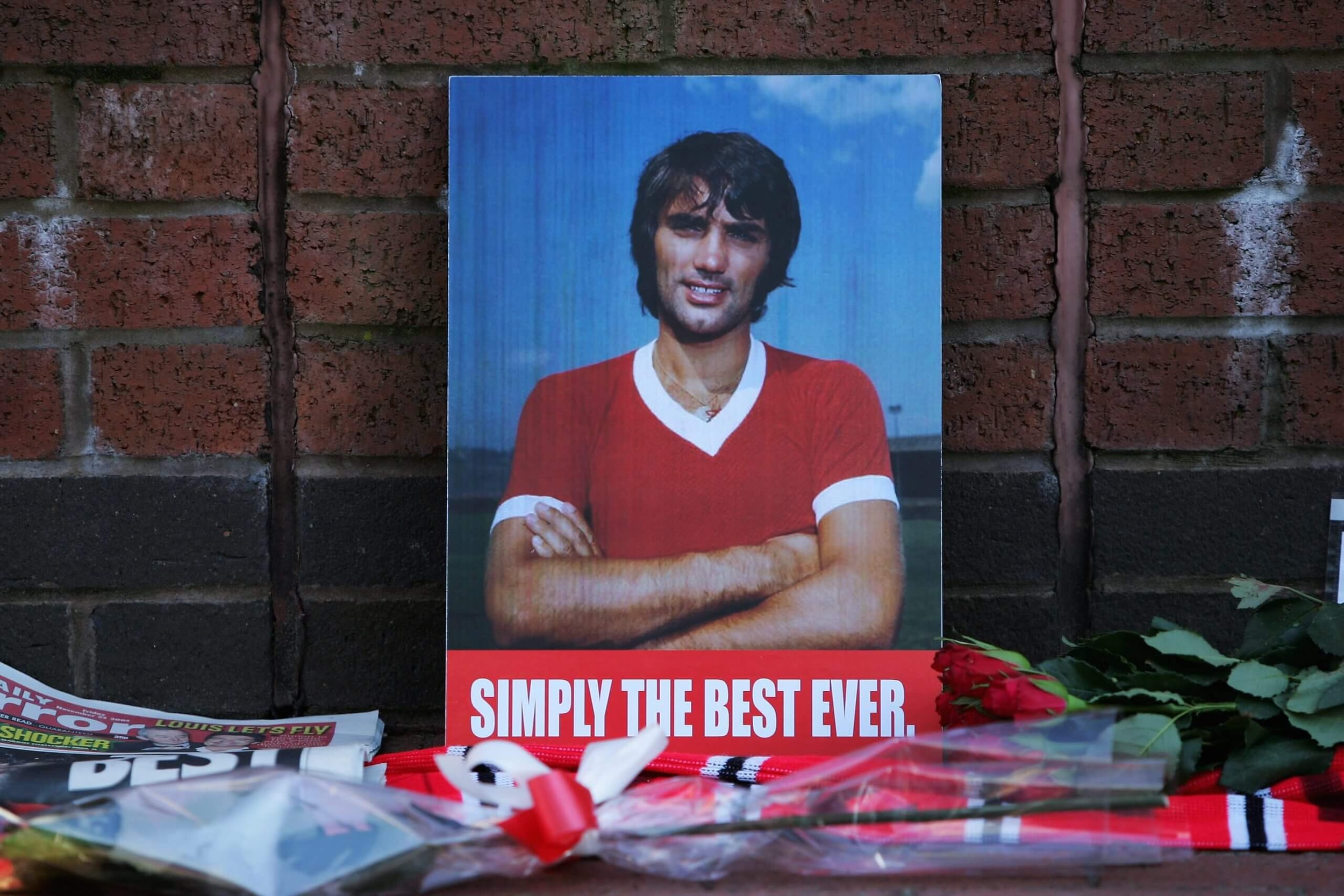
George Best: 20 years since his passing, an icon lives on.
Two decades after the death of the Manchester United legend, Old Trafford still remembers him: from the night in Lisbon in 1966, the United Trinity, to the tragedies of everyday life.
Twenty years after George Best's passing, Old Trafford still shines with the memory of the legendary number 7. On the very day commemorating him, Manchester United displayed a lackluster performance and lost at their home ground, but the chants of George Best's name in the stands reiterated an undying pride: an icon who transformed attacking football into an art form.
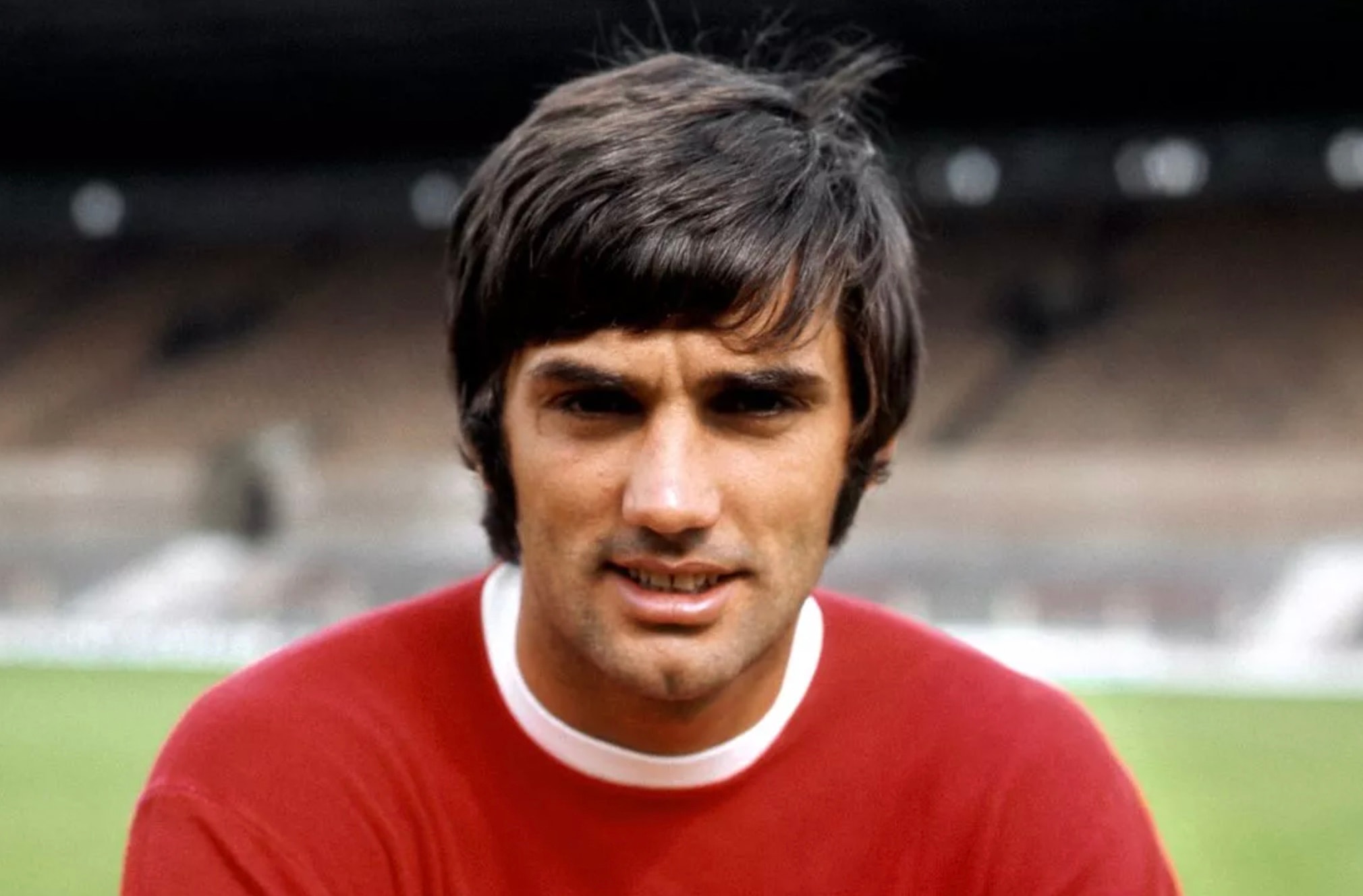
An enduring legacy: from Old Trafford to "United Trinity"
Best's influence extended far beyond the football pitch. Outside Old Trafford, the "United Trinity" statue, placed alongside Denis Law and Bobby Charlton, is a testament to their enduring legacy. All three had won the Ballon d'Or; Best, at the age of 22, became the face of a free-spirited and rebellious era, like a rock star on the pitch.
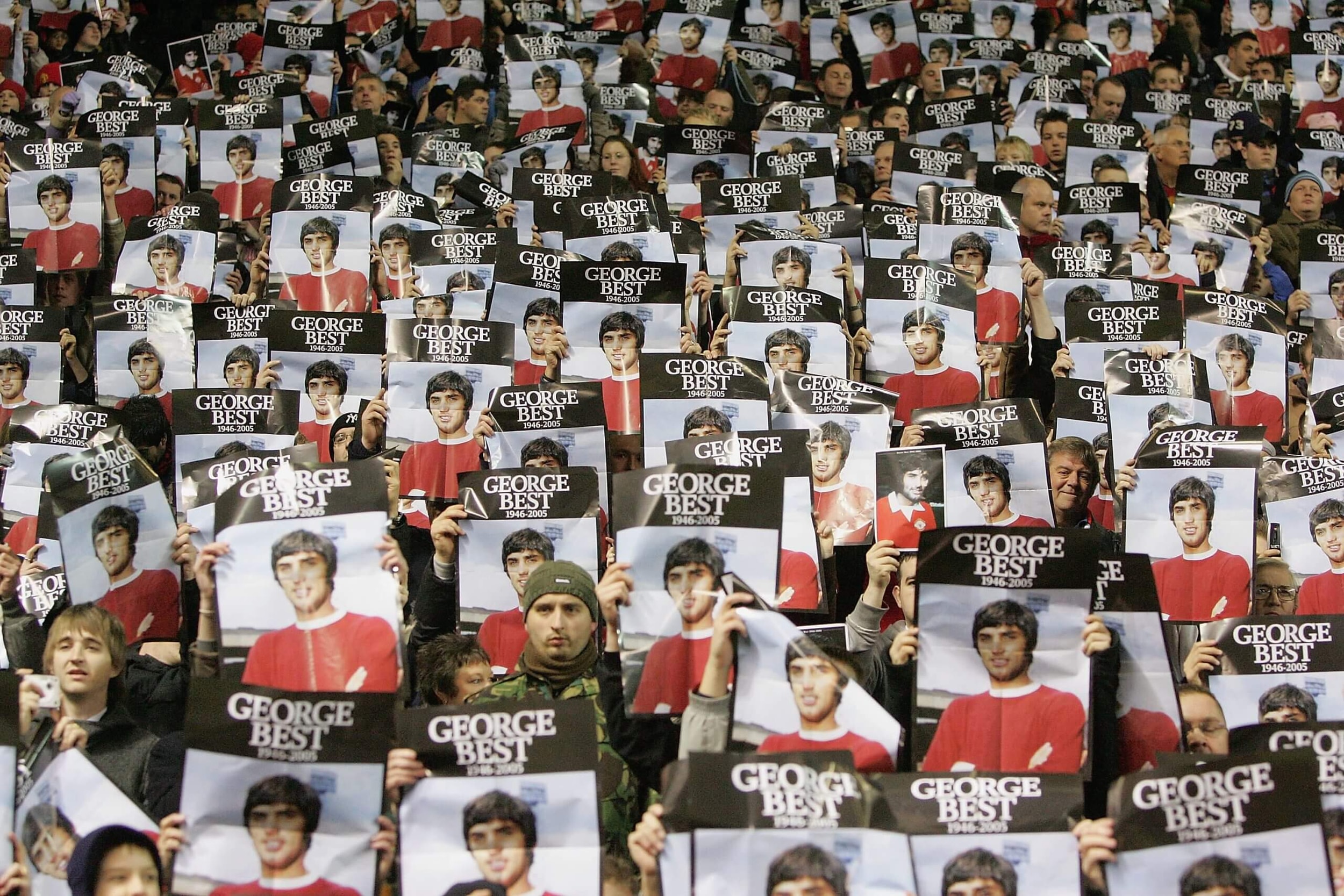
During the days of tribute, his face appeared prominently on the cover of the competition magazine, evoking memories of that night in 2005 when the entire stadium seemed to stand still to honor a legend.
Lisbon 1966: the defining night of "The Fifth Beatle"
In 1966, in Lisbon, 19-year-old George Best scored two lightning-fast goals, paralyzing Benfica and forcing Europe to bow in admiration. The nickname "The Fifth Beatle" emerged from that moment: Best opened a fashion boutique, became a model, and graced magazine covers – a pop culture icon in the guise of a footballer.
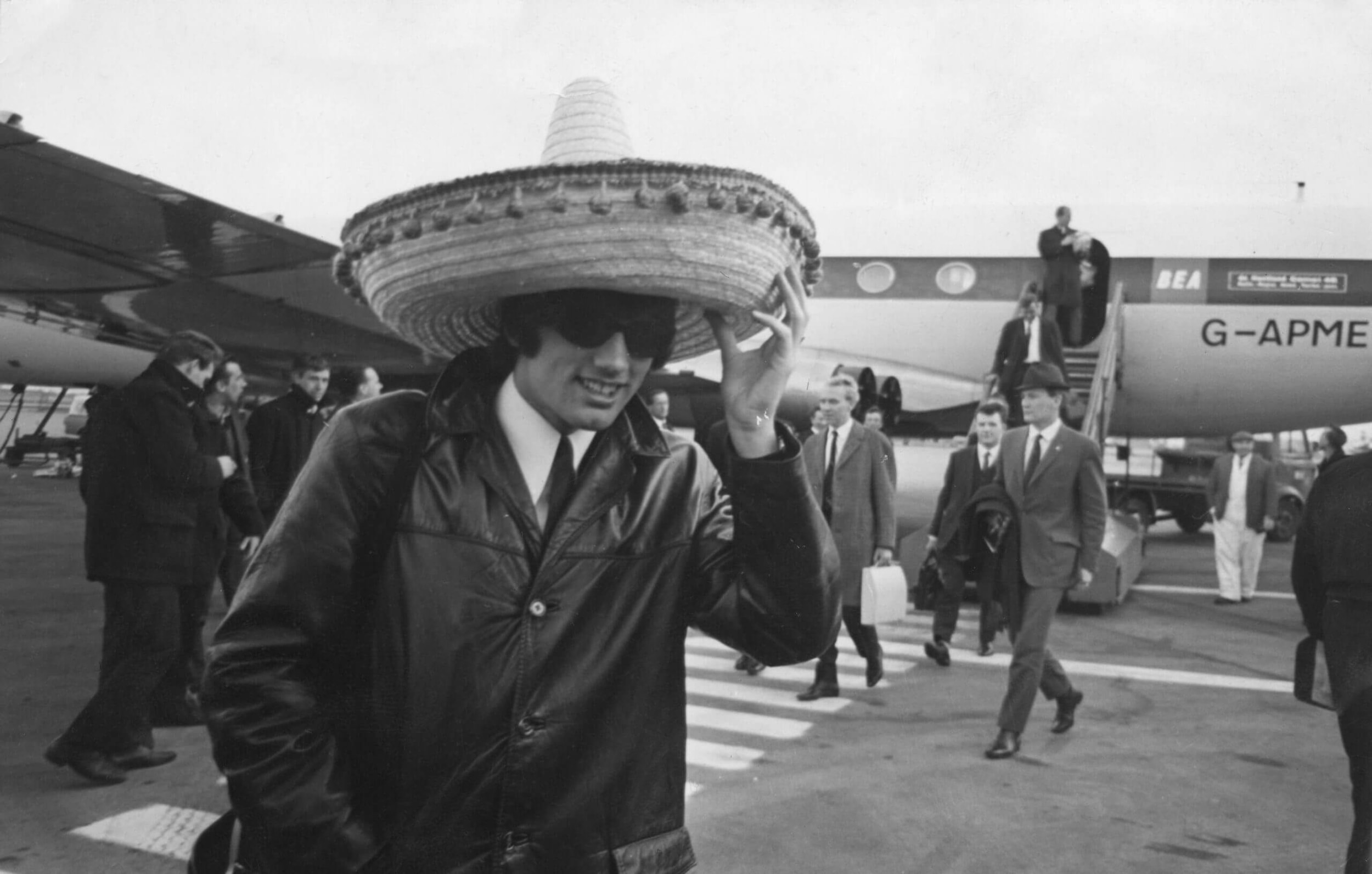
The ripple effect across Europe: from Belfast to German cinema.
Best's appeal transcended borders. High-ranking representatives from the German Football Federation traveled to Belfast to lay a wreath in his memory. In 1970, German director Hellmuth Costard made the film "Football as Never Before Seen," with the camera following Best for 90 minutes – an idea decades ahead of similar experiments on other players.
Artists of the pitch: statistics and stories
Best's masterful technique, explosive emotions, and wild attacking instinct embodied Manchester United's captivating attacking football philosophy. Journalist Hugh McIlvanney once likened his career to a raging whirlwind with a calm eye.
- 474 matches, 181 goals for Manchester United.
- He began his journey at Old Trafford at the age of 17.
- Bob Bishop – Manchester United's scout – sent a telegram to Matt Busby: "I think I've found a genius for you."
Few people know that, before his rise to fame at Old Trafford, the skinny George Best was rejected by many local clubs because of his physique. There's an anecdote about a letter that simply read "George Best. Football player. Belfast" that was still delivered to his home by the post office – proof of his fame that transcended borders.
The Fallen Genius and the Red Roses in the Rain
Glory brought Best all the spotlight, but it also took away his peace. He succumbed to alcohol and a dissolute lifestyle, wasting what should have been his peak years. Nevertheless, fans still loved the way he played like an artist – where football touched the depths of music and painting.
Author Gordon Burn recounts the story of a man standing in the rain outside Old Trafford after Best's death, quietly placing a bouquet of red roses with a note that read: "Thank you for living my dream." Those simple words encapsulate the reason why, for two decades, George Best's name has been chanted every weekend at the "Theatre of Dreams."