
Written in our shared hometown…
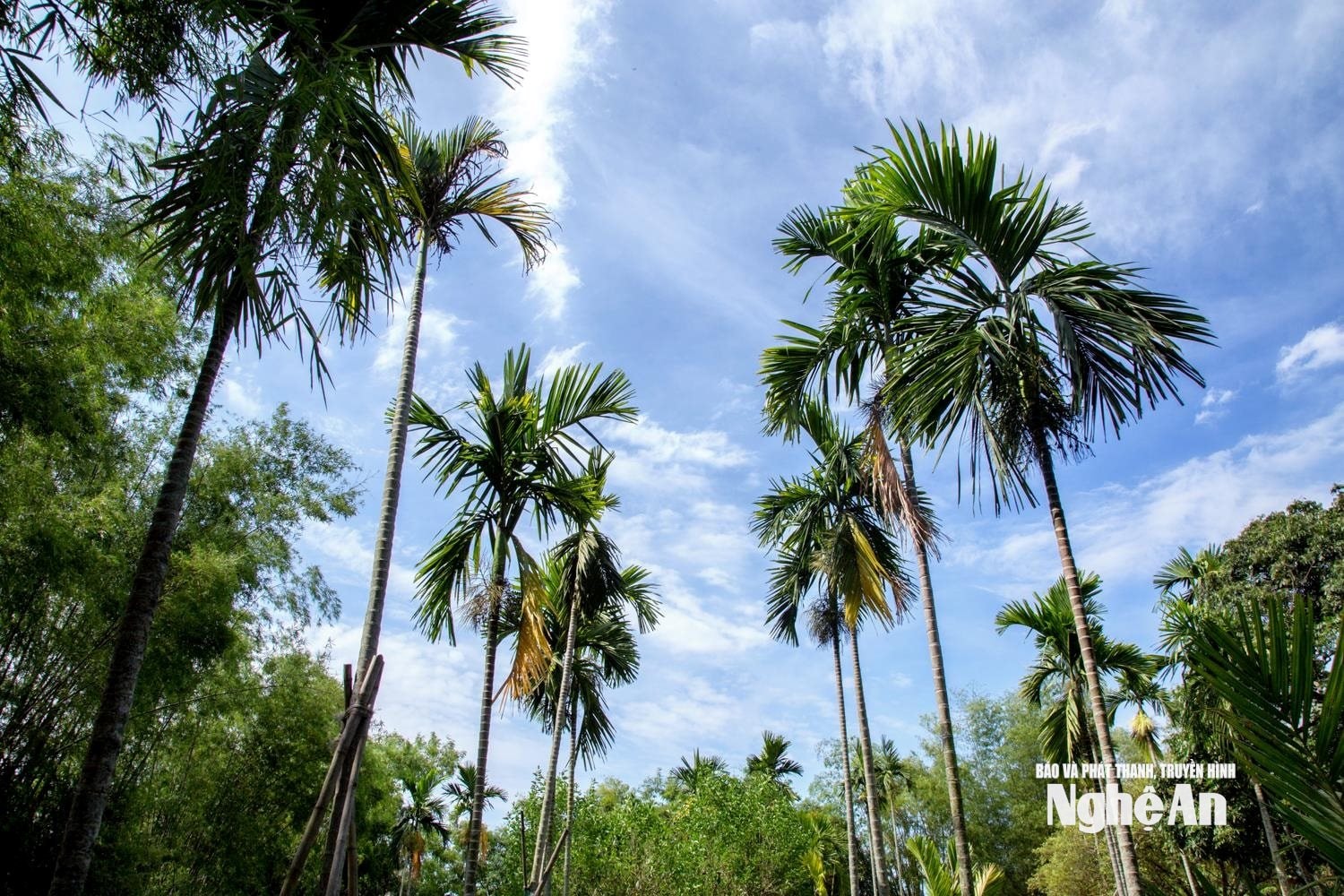
There is a simple village called Sen Village, Tru Village, where small lanes and verdant bamboo groves encircle rustic thatched houses, faintly scented with lotus, betel nut, and brown earth – where rows of sweet potatoes and peanuts sprout vigorously in the early morning sun. That village, that homeland, has for so many years seemed to have become a shared homeland, and whenever it is remembered, the tranquil thatched roofs cast their shadows, and the melodious folk songs and chants resonate, mingling with the fields, mountains, and rivers.
Content + Design:Phuong ChiMay 14, 2026
*****
There is a simple village called Sen Village, Tru Village, where small lanes and verdant bamboo groves encircle rustic thatched houses, faintly scented with lotus, betel nut, and brown earth – where rows of sweet potatoes and peanuts sprout vigorously in the early morning sun. That village, that homeland, has for so many years seemed to have become a shared homeland, and whenever it is remembered, the tranquil thatched roofs cast their shadows, and the melodious folk songs and chants resonate, mingling with the fields, mountains, and rivers.
“On a moonlit night, I hear the sound of the ferry boat approaching, recalling stories of the Great Man from long ago, who grew up in his gentle homeland…”(Listening to the boatman's song at night, remembering Uncle Ho - the late musician An Thuyên). The gentle melody guided me back to my homeland, on a day in May. The road shaded by mahogany trees led into the village, their tranquil green canopy like a benevolent welcome. These mahogany trees have stood there for over six decades, since the 1960s, when Uncle Ho's call for a tree-planting festival resonated with the land and hearts of the people of Kim Liên. Along the more than 5km stretch of Provincial Road 540, connecting National Highway 46 to the center of the commune, hundreds of mahogany trees stand tall, their branches intertwined, providing shade for generations. Some ancient trees have gnarled trunks, their diameters exceeding a meter, requiring two people to encircle them; their towering canopies reaching twenty or thirty meters high, steadfastly reaching towards the sun and wind of Central Vietnam.
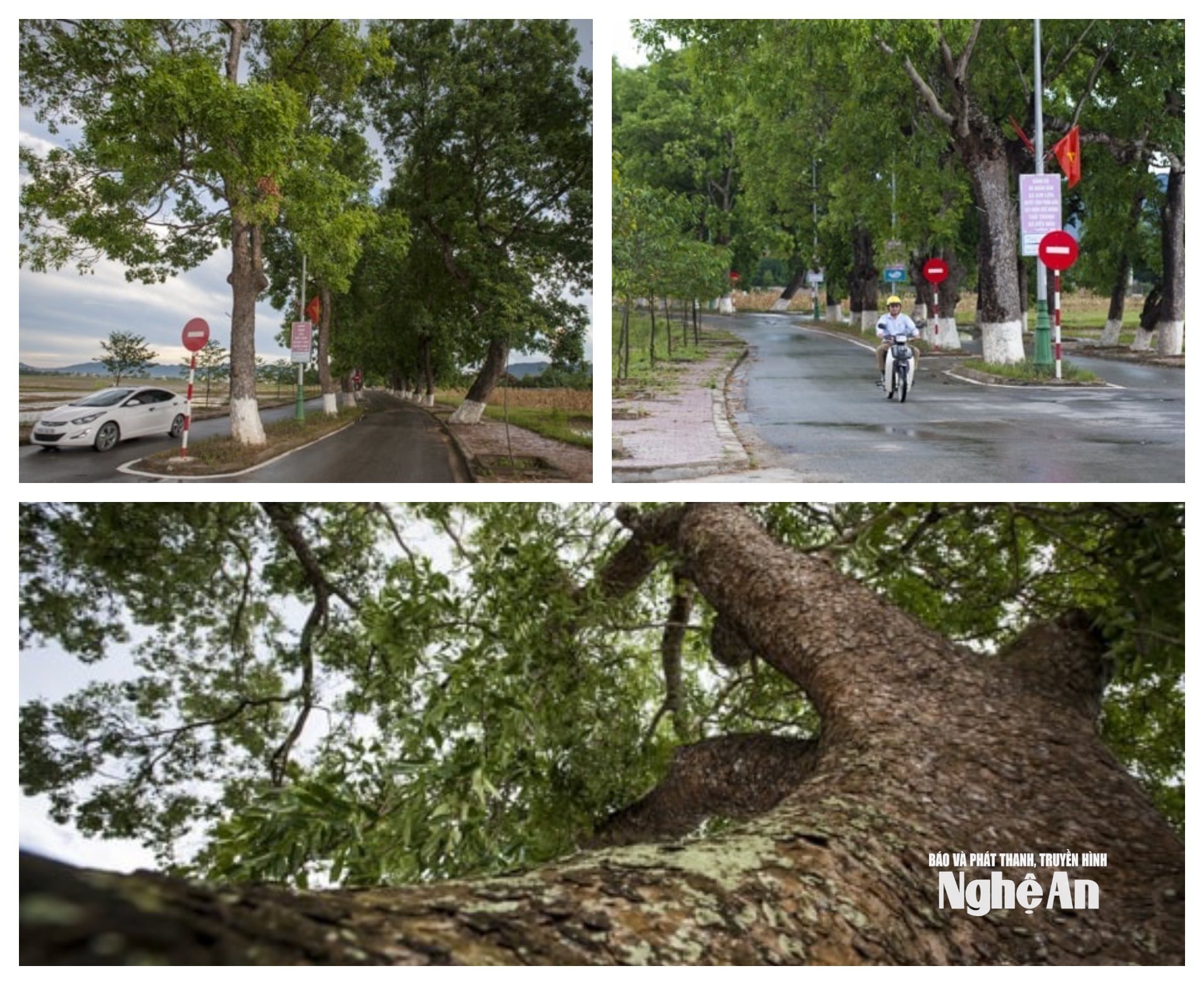
The most striking feature is the winding curves along this road. According to the leaders of Kim Lien commune, when the road expansion project was implemented in 2012, out of respect for the "green heritage," they chose to straighten the road to preserve the ancient mahogany trees. Perhaps this choice has made the trees, in gratitude, persistently thrive through countless scorching seasons? And when May arrives, the mahogany trees offer the land and people here a season of silent blossoms. The gentle yellow, tiny flowers soothe the harshness of the Lao wind, making each step back to their shared homeland feel light and peaceful beneath the ancient green canopy.
.jpg)
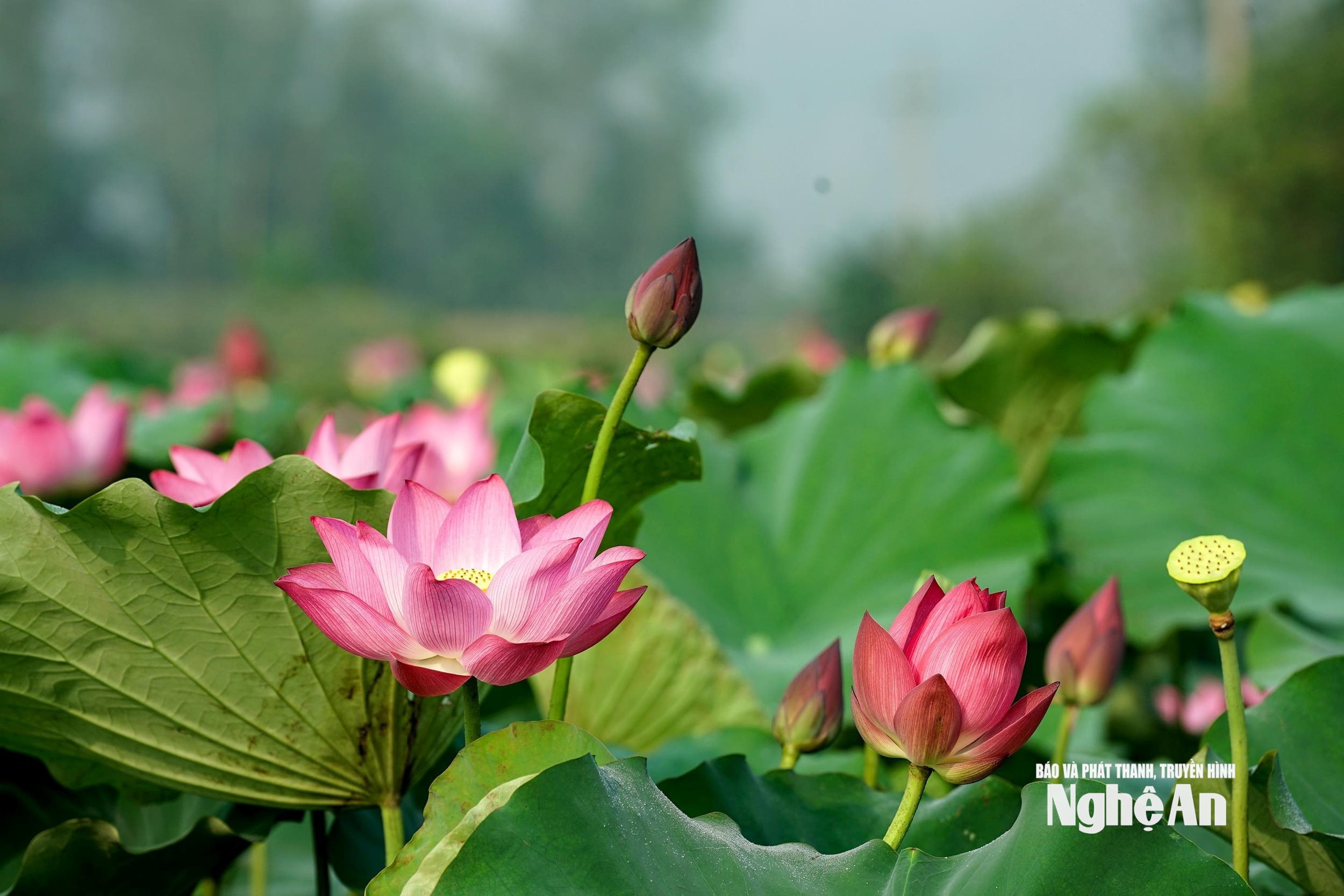
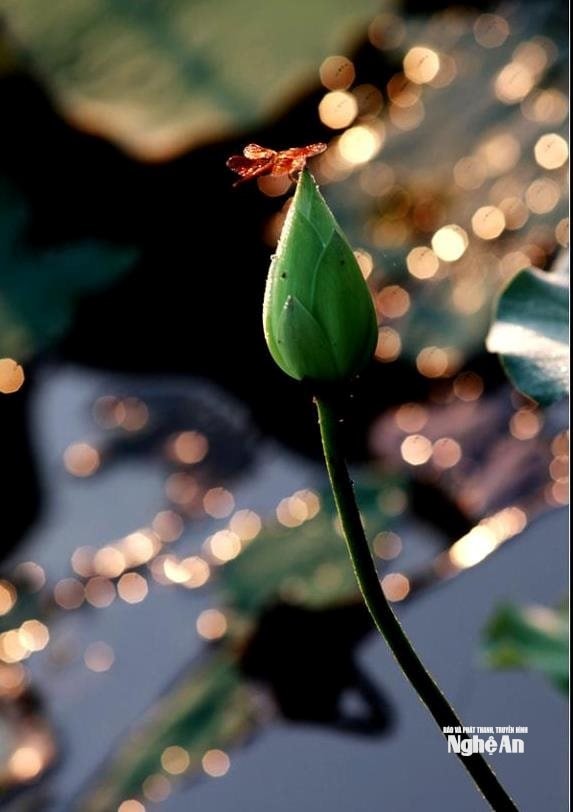
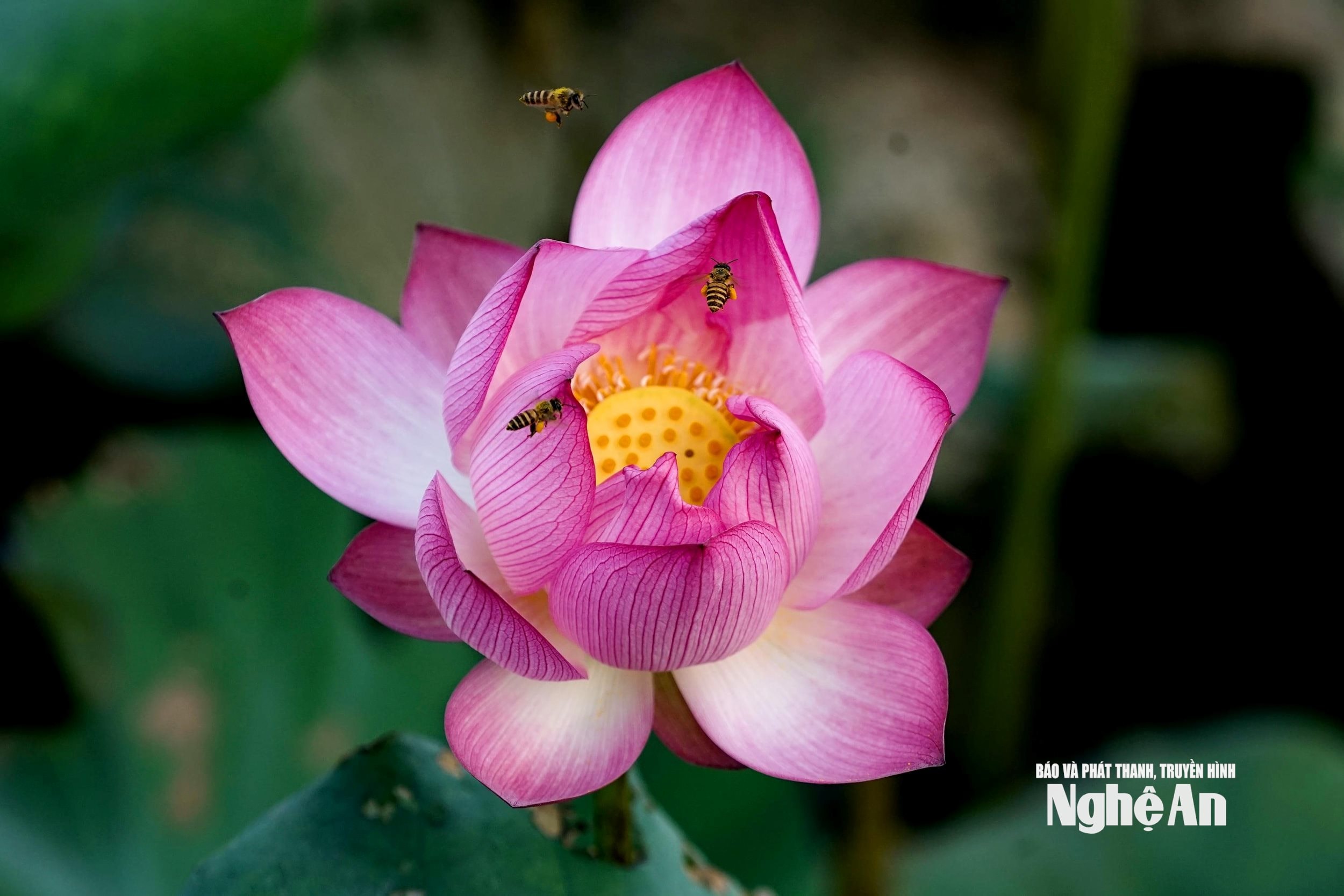
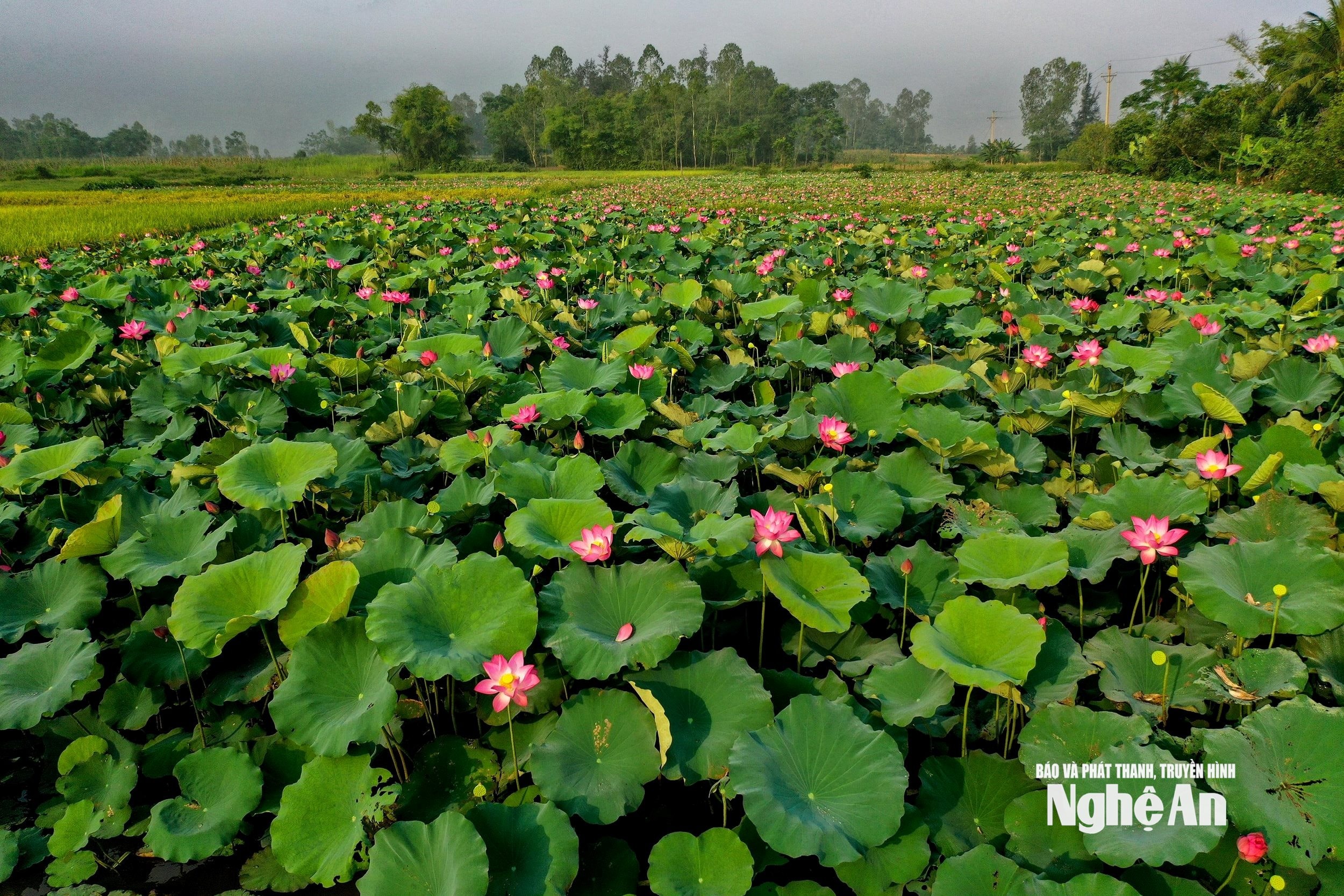
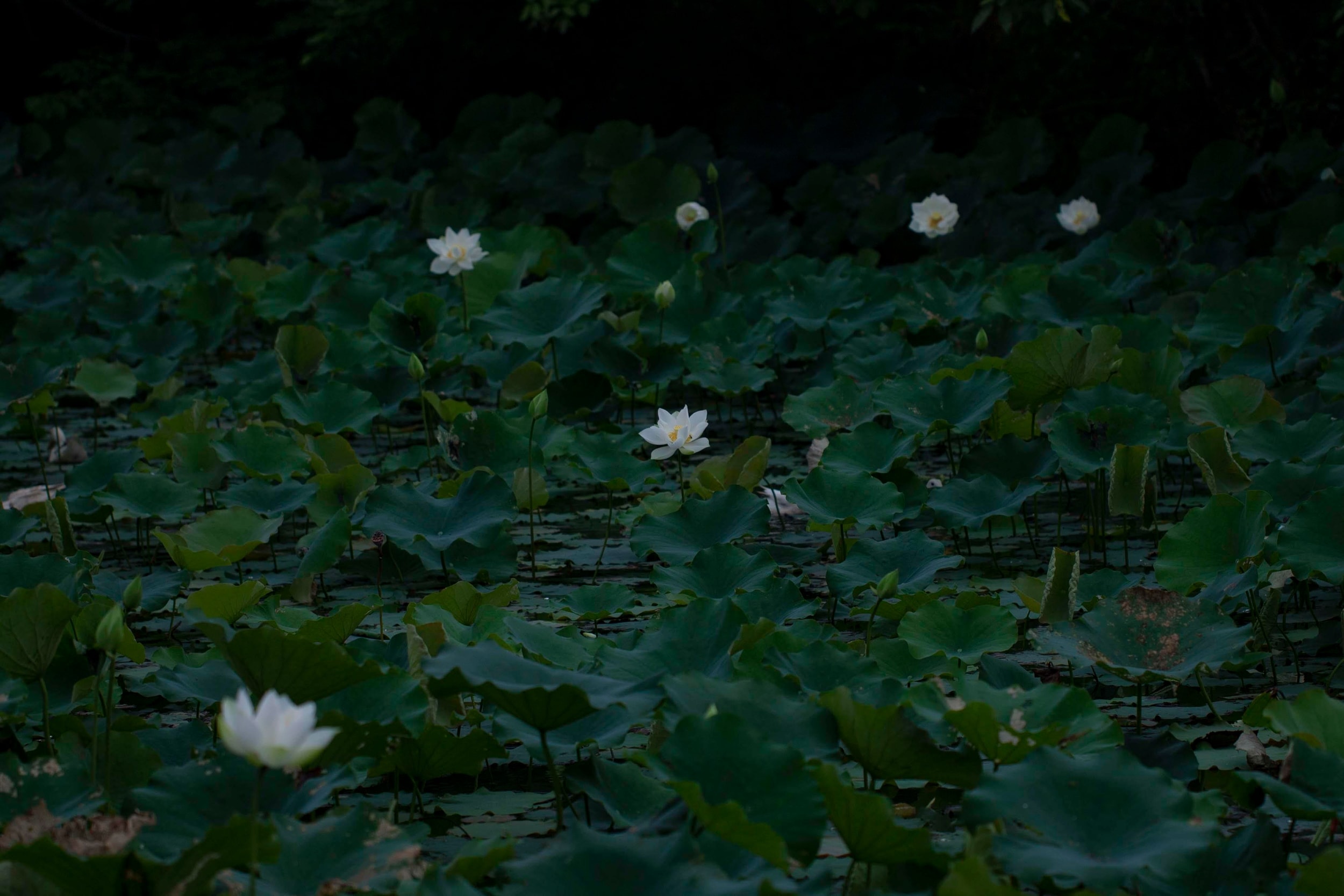
The village of Sen, the birthplace of President Ho Chi Minh, is truly a place of fragrant lotus blossoms. Amidst the vast green ponds, elegant white lotuses rise high like countless candles lit against the sky; alongside them, pink lotuses display their beauty in the early morning sun. In recent years, the area of lotus ponds in Kim Lien has continuously expanded. Then, every May, when the rice paddies begin to turn a golden yellow, the lotuses bloom most profusely, creating a vibrant and colorful rural landscape. The lotuses in Sen Village embody the fragrance and beauty of many regions. Along with the pure pink lotus of Nghe An province, one can also find the lotuses of Dong Thap Muoi, Hue, the thousand-petaled lotus, or Beijing... All of them come here, nurtured by human hands, taking root and spreading their fragrance, as if converging the hearts of people nationwide towards President Ho Chi Minh's homeland.
.jpg)
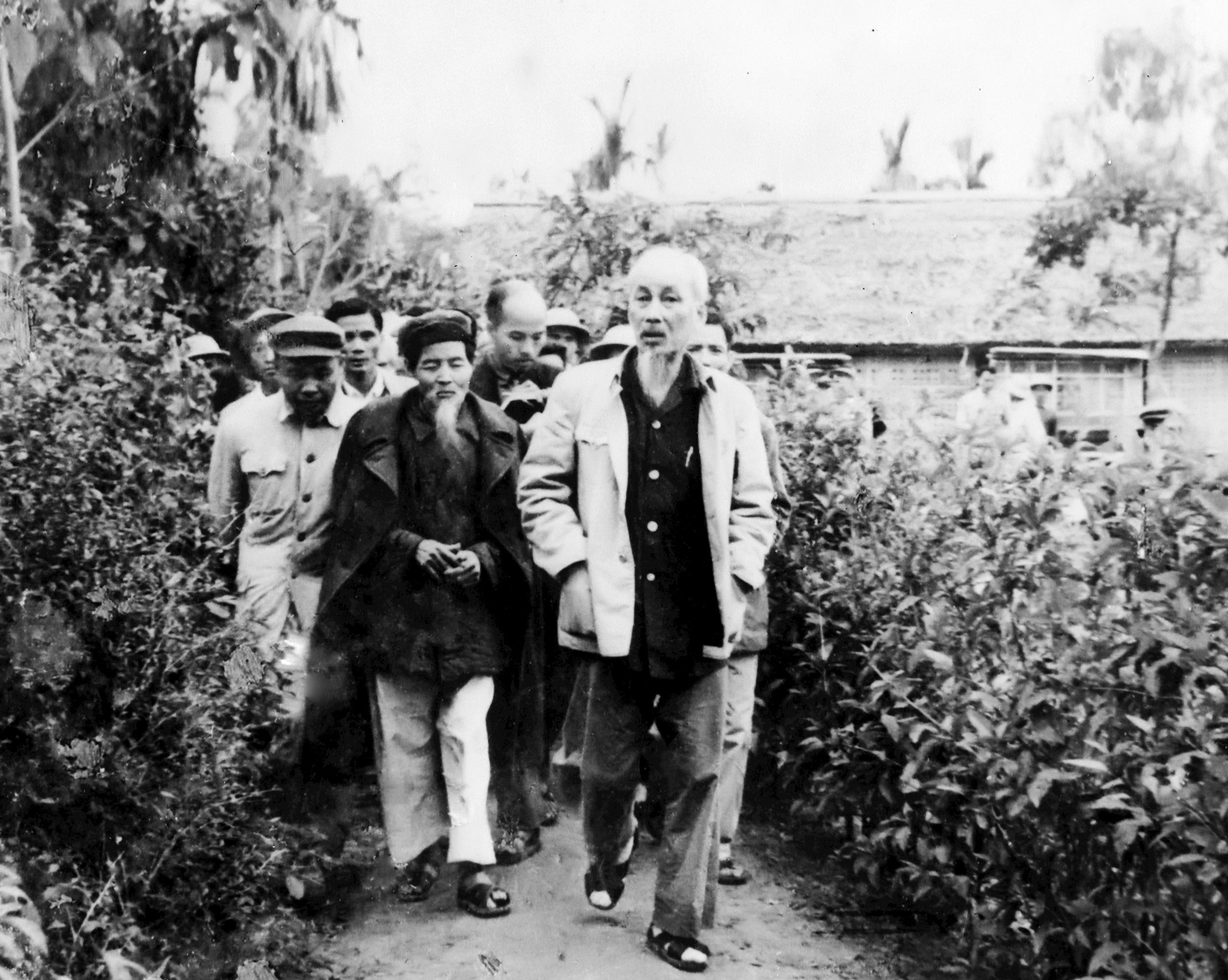
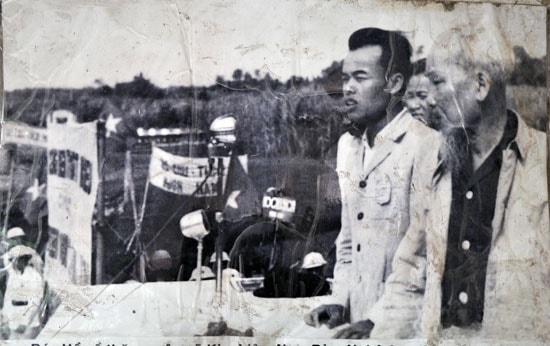
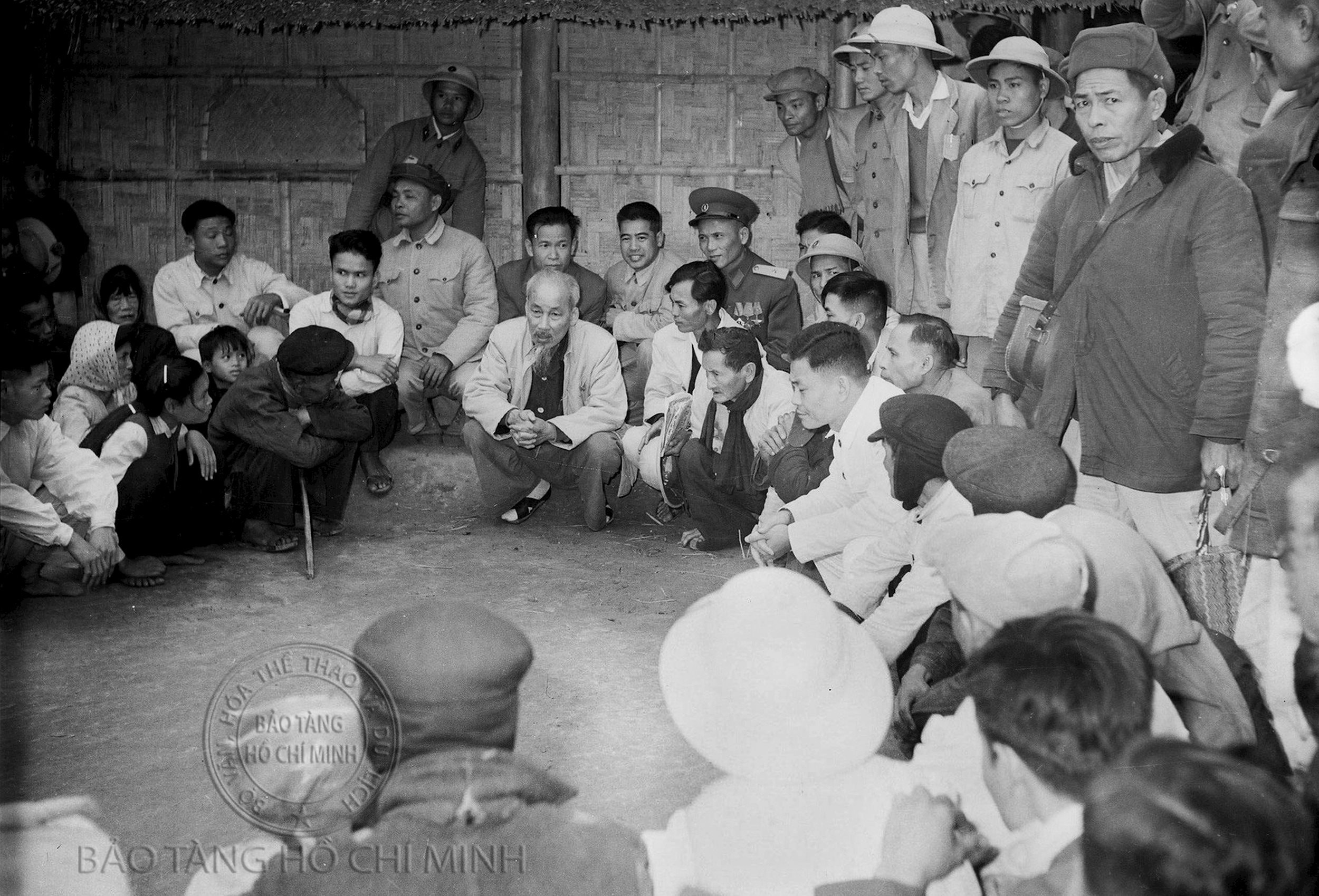
Beside those fragrant lotus ponds, I met many loyal Kim Lien residents who cherish precious memories of Uncle Ho. Some are still alive, others have passed away, but their stories will never fade. One such person is Mr. Nguyen Sinh Que, who has encapsulated his entire life in boundless pride in having twice welcomed Uncle Ho to his hometown. This young man from Sen village, on the morning of June 16, 1957, along with his neighbors, was overcome with emotion upon seeing the figure of the Father of the Nation return to his homeland. Then, on December 9, 1961, the people of Nam Dan in general, and Mr. Nguyen Sinh Que in particular, had the honor of welcoming Uncle Ho back to his hometown for the second time.
The image of Uncle Ho wearing rubber sandals and a simple khaki suit, standing in the courtyard of his house, kindly inquiring about the health of each elderly person and child, and giving advice on the ethics and conduct of cadres before the people… is not just a memory, but has become a guiding principle throughout Mr. Que's life. When the locality launched a campaign to donate land for a road connecting the birthplace of President Ho Chi Minh and the birthplace of Phan Boi Chau, Mr. Que was the first to donate 500 square meters.2The family's rice paddy land. Dozens of other households in the village also enthusiastically donated land to expand and upgrade the road. The stories of the people of Lang Sen, like Mr. Que, persistently demonstrate that love for Uncle Ho is not just in praise, but has crystallized into a way of life characterized by solidarity, mutual respect, and sacrifice for the common good - a quality very characteristic of Lang Sen.
Also in Kim Lien that year, I met Mr. Nguyen Thanh Xuan, one of the two cameramen who recorded the invaluable footage of President Ho Chi Minh's final days. Forever etched in his mind was that historic autumn morning in September 1969. Those were the most poignant moments of his life as a cameraman, when the camera lens not only captured the image of the great leader entering eternity, but also the heart-wrenching grief of an entire nation.
Mr. Xuan vividly remembers the moment he raised his camera, tears streaming down his face and wetting the viewfinder. Those black-and-white film clips later became special national archives, strictly managed and secured. For over 20 years, neither he nor his colleague who filmed them were ever allowed to see them again. It wasn't until 1990, when the documentary "The Last Hours of President Ho Chi Minh's Life" was officially broadcast, that the former cameraman was able to see again the moments he had etched into history with all his heart and tears.
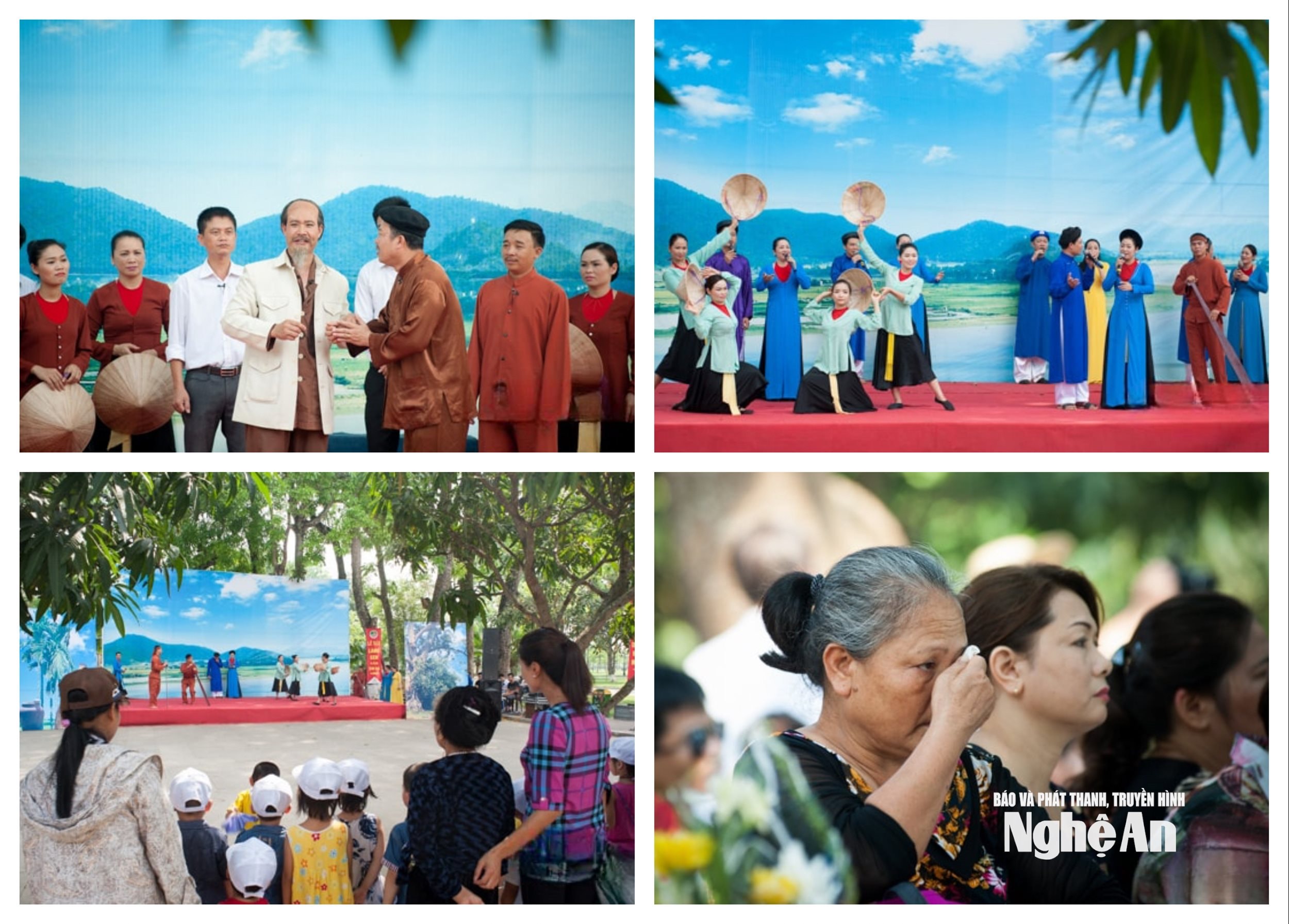
In Kim Lien, in Lang Sen, there are countless stories about the land and its people, stories that become more poignant and moving each time I return. I remember Mr. Tran Van Tu, who dedicated his life to the folk songs of the weaving guild. I remember Mrs. Vuong Thi Nhuan, Mrs. Hoang Thi Ut, Mrs. Nguyen Thi Tam… who absorbed these folk songs from the age of 5 or 7, following their aunts and uncles to listen to the singing, and then spending their lives immersed in the folk melodies. I have heard them sing many times with trembling voices:"My child, listen to this advice from your mother."CHe was as concerned with his studies as he was with his food and clothing. He lived a life of integrity, even in poverty. "Fame and honor are debts to the nation that must be repaid"...
The people of Kim Lien grew up on cassava and sweet potatoes, toiling in the fields and reclaiming land, but they always knew how to cling to the folk songs and rhymes passed down through generations to remind themselves not to forget loyalty and affection, so that even when life throws challenges and rapids their way, they still maintain their noble character, knowing how to reflect on the clear stream and preserve their dignity."Whoever knows whether the waters of the Lam River are clear or muddy, will know whether life is shameful or glorious. My boat sails up and down the rapids, the land and water represent meaning and affection, my dear."!..."
Over a hundred years ago, there was a young boy named Nguyen Sinh Cung from Kim Lien who, every night, would "follow the folk singers to listen to the singing." He grew up surrounded by the melodies of the weaving folk songs, accompanied by the rhythm of the weaving loom, and throughout his life, he longed to hear a folk song from Nghe An until his final moments. I met Ms. Mai Tu, one of the artists of the Military Arts Troupe of Military Region 4, who, along with her colleagues, braved the bombs and bullets of the war to be present at the Presidential Palace on May 18, 1969, to sing in celebration of President Ho Chi Minh's birthday. Mai Tu sang the "Dam Do Dua" folk songs and the "Vi Phuong Vai" folk songs… The melodies were filled with the vastness and grandeur of Hong Mountain and Lam River, the immensity of the homeland's fields, and the silvery light of the full moon… The songs were deeply meaningful, reflecting loyalty, integrity, and the immense talent of the people of Nghe An. After that performance of folk songs, President Ho Chi Minh's health deteriorated significantly, and not long after, he peacefully passed away.
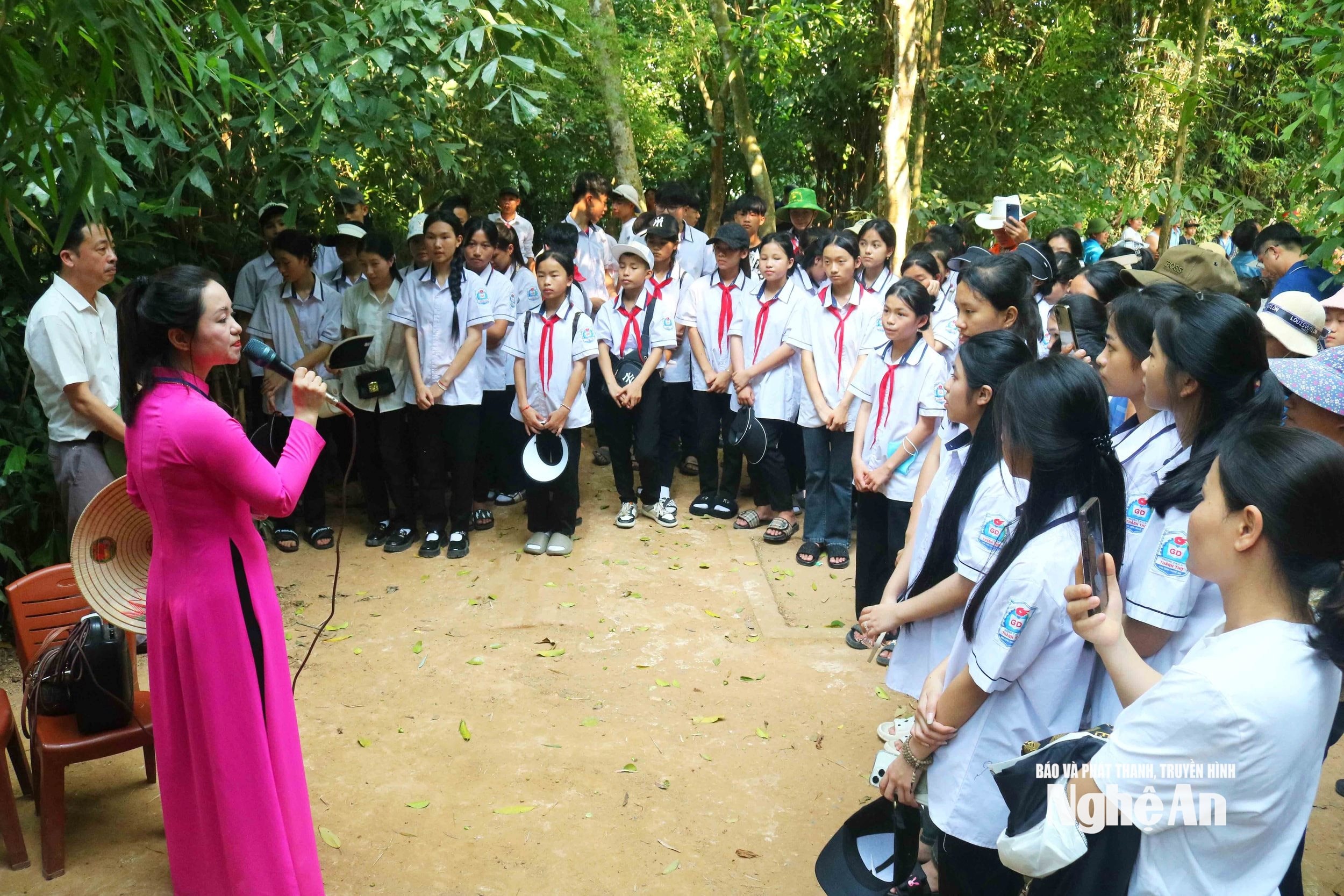
In my hometown, most of the historical witnesses I met and heard about have now passed away, but that doesn't mean their memories have been forgotten. Those who tell stories about Uncle Ho, like Ms. Dam, Ms. Thao, Ms. Dinh, Ms. Oanh, Ms. Hai… always collect, compile, and preserve stories about him, to spread them to visitors from all over the world so they can better understand this great personality of the nation.
Everyone who comes here is impressed by the nuanced, Nghệ An accent of the tour guides; everyone has been moved to tears at least once when listening to them recount Uncle Ho's childhood, about his two visits to his hometown after years of wandering... And the guides themselves have also been choked with emotion many times when meeting special guests: a blind veteran, brought by his children and grandchildren to visit Uncle Ho's hometown, repeatedly holding their hands and saying, "My wish from my twenties on the battlefield has been fulfilled"; an elderly mother from the South, trembling as she offers a bouquet of fresh lotus flowers to Uncle Ho's altar, murmuring prayers for national peace and prosperity…
The women said that people often thank the tour guides for helping them understand and respect Uncle Ho more, but isn't it true that the millions of tourists who come here also help them admire him more, love and cherish the sacred and meaningful work they undertake even more?
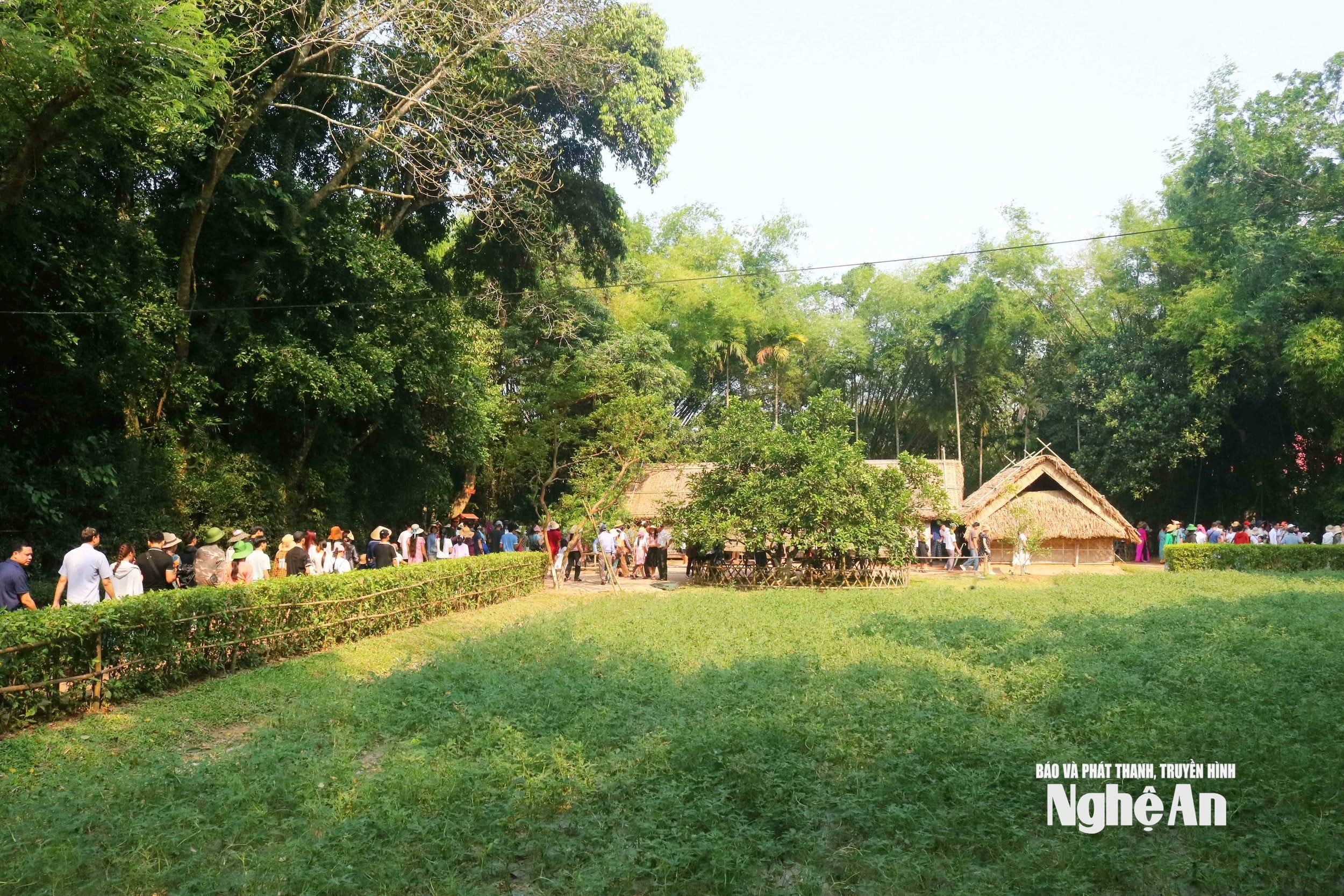
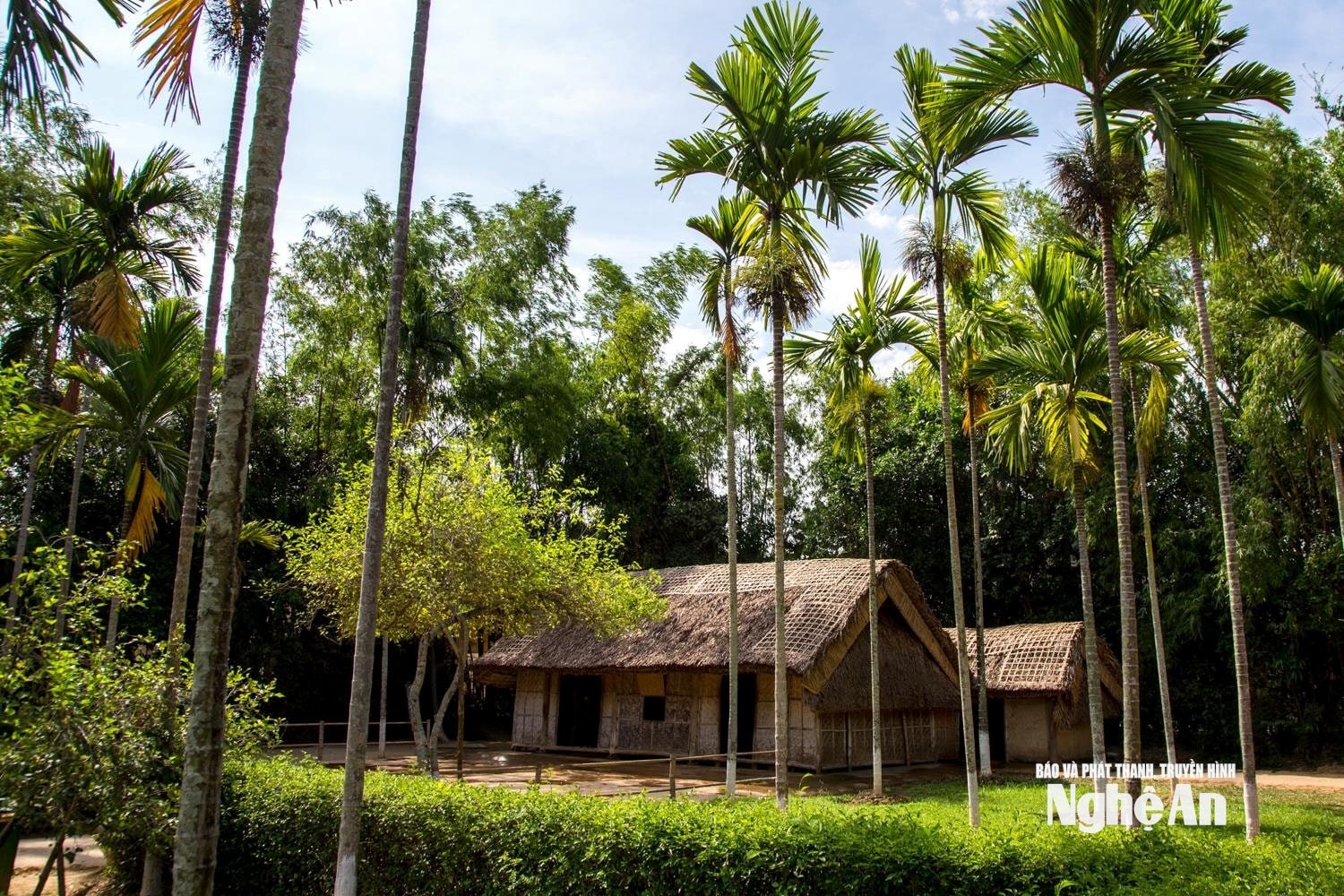
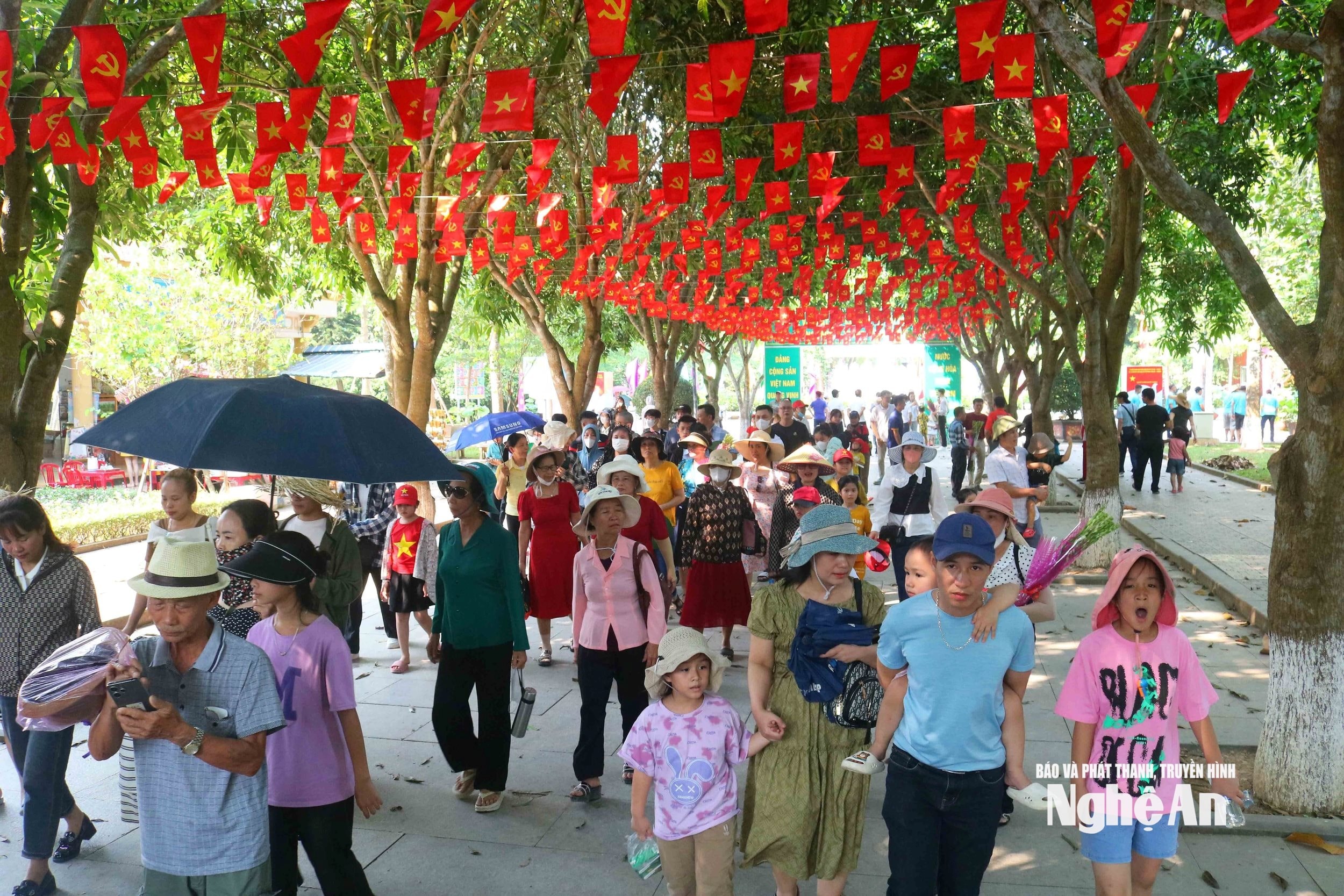
In Sen Village, Kim Lien, in May, the stream of people seems endless. We hear the vast array of voices from all regions. We see the graceful traditional blouses and checkered scarves of the Southern girls, and the simple indigo clothing of the Northern highlands. All converge here, forming a spiritual flow back to our roots, a place that every Vietnamese person proudly calls by two affectionate words: Our shared homeland. Yes, our shared homeland, a place where, no matter who we are or where we come from, standing before the simple thatched houses, amidst the scent of lotus and brown earth, our hearts find peace in a wondrous communion.


