
Coffee prices today, April 11, 2025: Slightly increasing again.
Today, April 11th, domestic coffee prices are at 117,300 - 119,000 VND/kg. Coffee prices have slightly increased again, by 1000 to 1300 VND/kg. Coffee prices are showing signs of recovery after the US decided to lower import tariffs from Vietnam to 10%.
Domestic coffee prices today
Domestic coffee prices in the Central Highlands region today, April 11, 2025, have slightly increased again compared to yesterday, fluctuating between 117,300 and 119,000 VND/kg.
Accordingly, traders in Dak Nong province are buying coffee at the highest price of 119,000 VND/kg, a slight increase of 1,000 VND/kg compared to yesterday.
Similarly, the price of coffee in Dak Lak province is 119,000 VND/kg, a slight increase of 1,000 VND/kg compared to yesterday.
Coffee prices in Gia Lai province increased slightly by 1000 VND/kg and are trading at 119,000 VND/kg.
In Lam Dong province, coffee prices increased slightly by 1300 VND/kg, reaching 117,300 VND/kg.
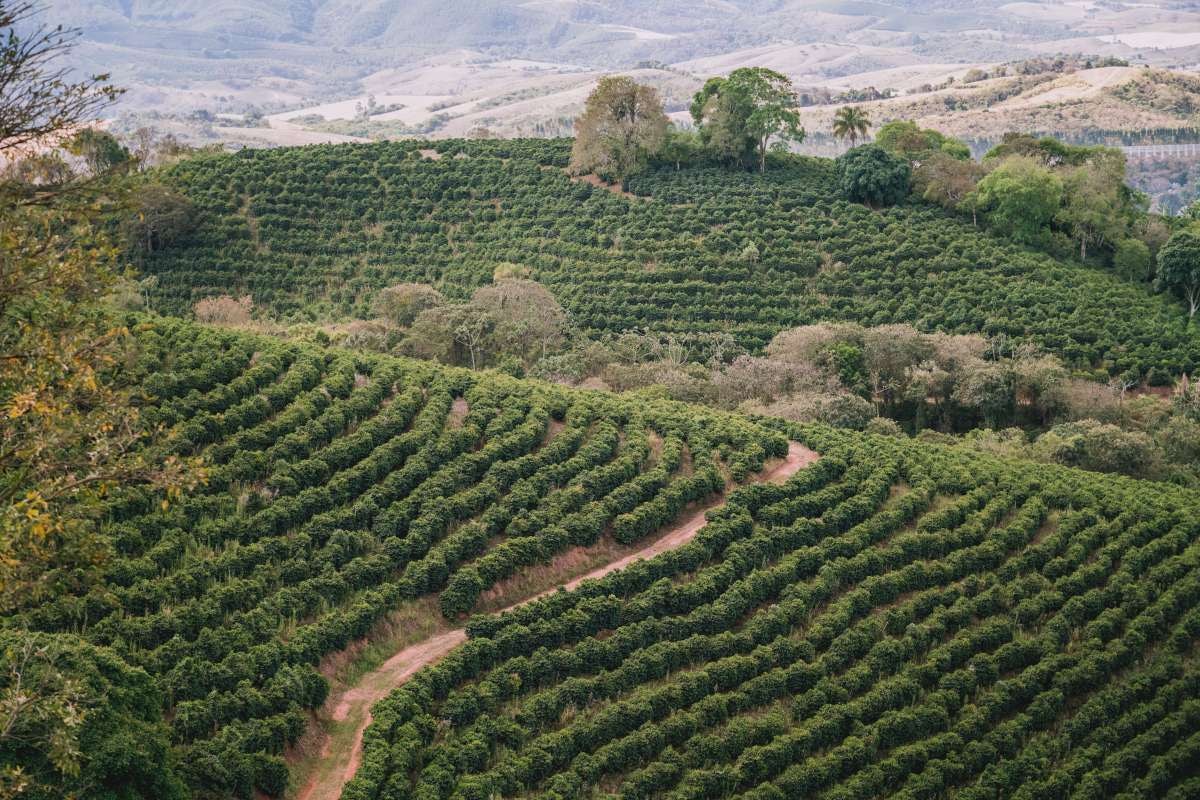
Coffee prices are showing signs of recovery after the US decided to lower import tariffs from Vietnam to 10%. This is positive news for Vietnamese farmers, especially given that they have been holding onto their stock due to concerns about tight supply for the past four years. This tariff reduction is seen as a temporary easing of the escalating trade war.
However, analysts are still warning of the risk of a global economic recession, which could severely impact commodity trade, including coffee. Previously, high tariffs had raised concerns about the possibility of further price increases for coffee and cocoa, given the already strained global supply.
World coffee prices today
Coffee prices on the world market have risen again on both exchanges:
Robusta coffee (London):
May 2025 delivery: Increased by $203/ton, to $5076/ton.
July 2025 delivery: Increased by $159/ton, to $4956/ton.
Arabica coffee (New York):
May 2025 delivery: Up 3.7 cents/lb, to 345.4 cents/lb.
July 2025 delivery: Up 3.5 cents/lb, to 344.05 cents/lb.
According to brokerage expert Michael J. Nugent, the upward trend in coffee prices may have peaked unless an unexpected factor such as extreme weather occurs. He argues that even before the tariffs take effect, consumers have already begun tightening their spending because coffee prices have risen sharply recently, and this impact is already directly reflected in retail prices.
Another factor supporting the upward trend in coffee prices is the sharp decline in Brazilian coffee exports in March. Specifically, the volume of green coffee beans exported decreased by 26.5% compared to the same period last year, to 2.95 million bags. Of this, arabica coffee exports decreased by nearly 11%, to 2.81 million bags, and robusta coffee exports fell by as much as 84%, reaching only 138,500 bags.
Despite a decrease in export volume, Brazil's coffee export revenue in March still increased by 41.8%, reaching $1.32 billion. This was due to higher coffee prices amid a global supply shortage.
According to Marcio Ferreira, President of the Brazilian Coffee Exporters Association (Cecafe), world coffee prices have been continuously rising due to a decline in global production, affected by prolonged extreme weather in key producing countries such as Brazil, Vietnam, and Indonesia. This has made the coffee market highly volatile, and expectations of a short-term recovery remain quite fragile.


