
Coffee prices today, April 21, 2026: Increased by 2000 VND/kg
Coffee prices today, April 21, 2026, surged by 2,000 - 2,100 VND/kg in the Central Highlands, reaching 86,800 to 87,600 VND/kg. Robusta coffee prices jumped to 3,482 USD/ton following news that Iran closed the Strait of Hormuz.
Domestic coffee prices today, April 21, 2026
This morning's survey shows that coffee prices in the Central Highlands region today, April 21, 2026, have increased sharply by 2,000 - 2,100 VND/kg compared to the previous day. The average coffee price across the region ranges from 86,800 - 87,600 VND/kg, continuing the recovery trend from the beginning of the week.
Coffee prices in Dak Nong today recorded the highest increase at 2,100 VND/kg, bringing the purchase price to 87,600 VND/kg.
Coffee prices in Dak Lak increased by 2,000 VND/kg today, commonly reaching 87,300 VND/kg.
The price of coffee in Gia Lai today is listed at 87,300 VND/kg, an increase of 2,000 VND/kg compared to yesterday.
Coffee prices in Lam Dong province increased by 2,000 VND/kg today, reaching 86,800 VND/kg.
Coffee price list today, April 21, 2026 (Unit: VND/kg)
| Market | Average price | Changes compared to yesterday |
|---|---|---|
| Dak Lak | 87,300 | +2,000 |
| Lam Dong | 86,800 | +2,000 |
| Gia Lai | 87,300 | +2,000 |
| Boeing Nong | 87,600 | +2,100 |
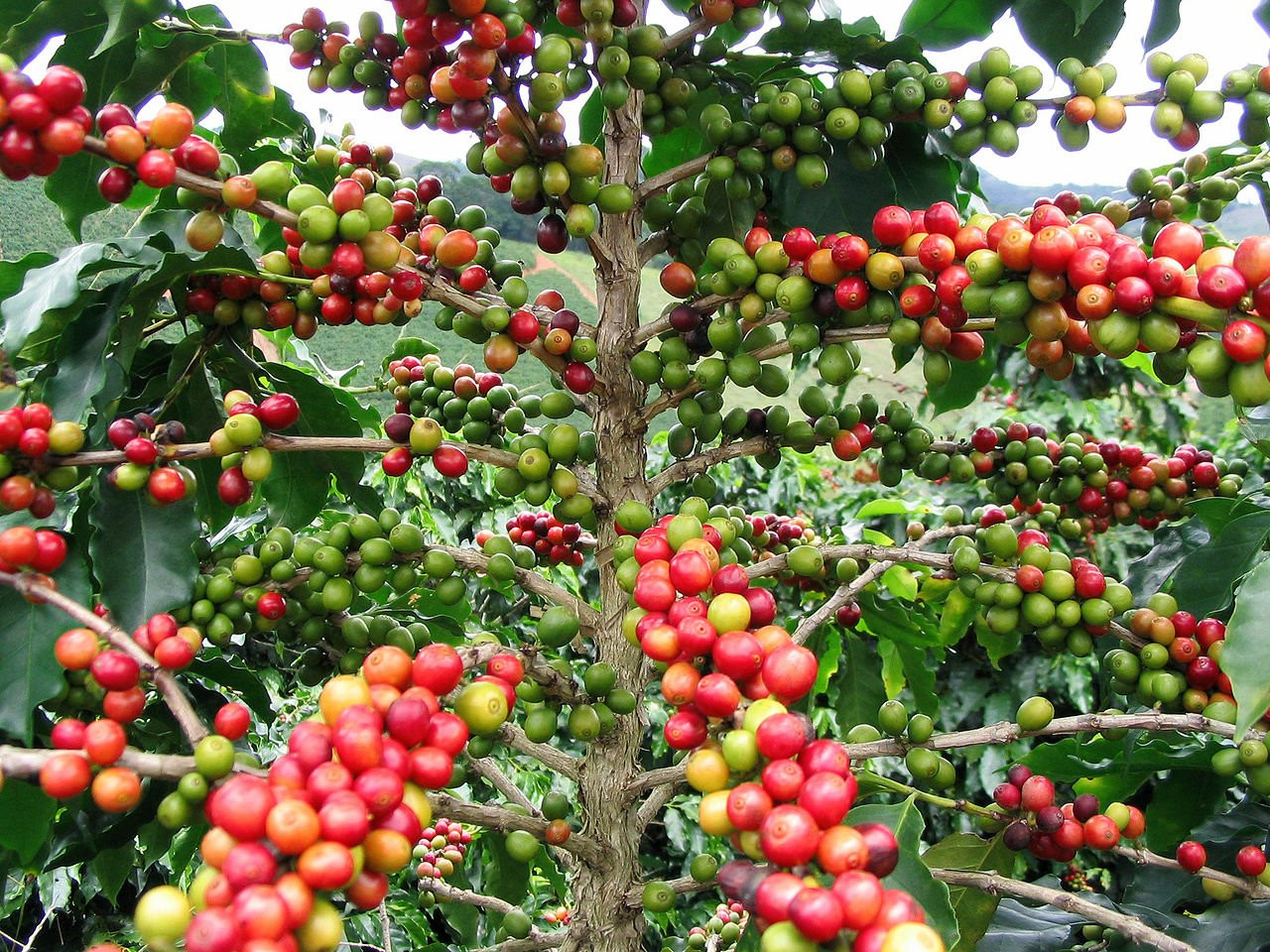
World coffee prices have risen sharply.
At the close of trading on April 20th, robusta coffee futures contracts for May 2026 delivery on the London exchange reversed course and surged 2.77%, equivalent to $94/ton, compared to the previous day, reaching $3,482/ton. Robusta futures contracts for July 2026 delivery rose even more sharply, by 3.46% ($113/ton), reaching $3,376/ton.
On the New York exchange, the price of Arabica coffee for May 2026 delivery rose 1%, or 2.9 US cents/pound, to 292.2 US cents/pound. The Arabica contract for July 2026 delivery increased 1.23% (3.5 US cents/pound), reaching 287.75 US cents/pound.
According to Reuters and Barchart, coffee prices rebounded at the start of the week after Iran announced the closure of the Strait of Hormuz to shipping last Saturday. This decision was made because the US refused to lift its naval blockade of Iranian ships.
The main reason for the sharp rise in coffee prices is the closure of the Strait of Hormuz, which has tightened global coffee supply. International shipping, insurance, and fuel costs have all skyrocketed, driving up input costs for coffee importers and roasters worldwide.
Robusta coffee prices continued to surge due to signs of tightening supply. Robusta inventories on the ICE exchange fell to their lowest level in 16 months, standing at just 3,788 lots as of April 20th. A trader in Vietnam – the world's leading robusta producer – said farmers are continuing to hold onto their stock in anticipation of further price increases.
El Niño and concerns about drought in Vietnam and Indonesia.
Carlos Mera, Head of Agricultural Market Research at Rabobank, said that the forecast of El Niño is raising concerns about the possibility of drought in Vietnam and some areas of Indonesia in the coming months. These two countries are major suppliers of robusta coffee globally, so adverse weather conditions will directly impact global coffee prices.
According to Mr. Mera, global robusta supply remains significantly in surplus, but the decline in certified inventories is causing some short-term concerns. The conflict between long-term oversupply and short-term inventory shortages is the factor causing robusta coffee prices to fluctuate sharply recently.
Arabica coffee prices and supply and demand situation in Brazil.
Arabica coffee prices are being supported by below-average rainfall in Brazil and weak selling pressure from farmers. According to Brazilian brokerage firm Escritorio Carvalhaes, farmers in the country remain slow to sell in their latest weekly report. The strengthening Brazilian Real, which reached a two-year high against the USD, is also hindering coffee trading.
According to Somar Meteorologia, Minas Gerais – Brazil's largest arabica coffee-growing region – received only 4.2 mm of rain last week, equivalent to about 20% of the historical average. This below-average rainfall could reduce Brazil's coffee production and support higher prices in the coming months.
As of the end of last week, ICE-certified arabica coffee stocks reached 527,866 bags, more than a third lower than the same period last year, but more than a fifth higher than at the beginning of the year. The arabica price spread between May and July futures contracts continues as traders shift their attention to the approaching delivery period.


